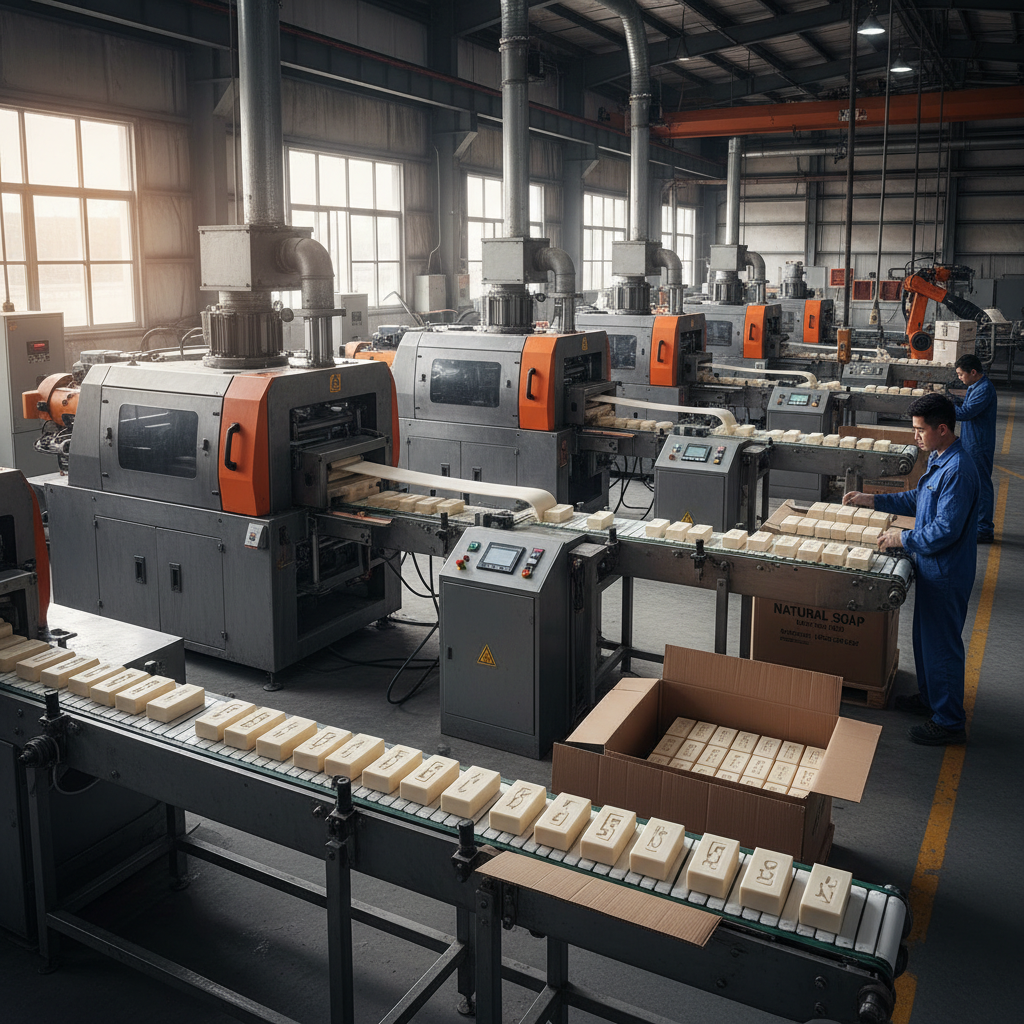
Small Scale Soap Making Machine: A Reliable Choice for Budding Industrialists
Having spent a fair share of my career immersed in the industrial equipment sector, I can confidently say that small-scale soap making machines hold a rather special place in the world of manufacturing. Especially for entrepreneurs or small businesses dipping their toes into soap production, these units aren’t just tools — they’re gateways into a niche industrial universe. Now, I’ve seen a fair share of models come and go, but lately, the finesse and efficiency packed into these compact machines genuinely surprised me.
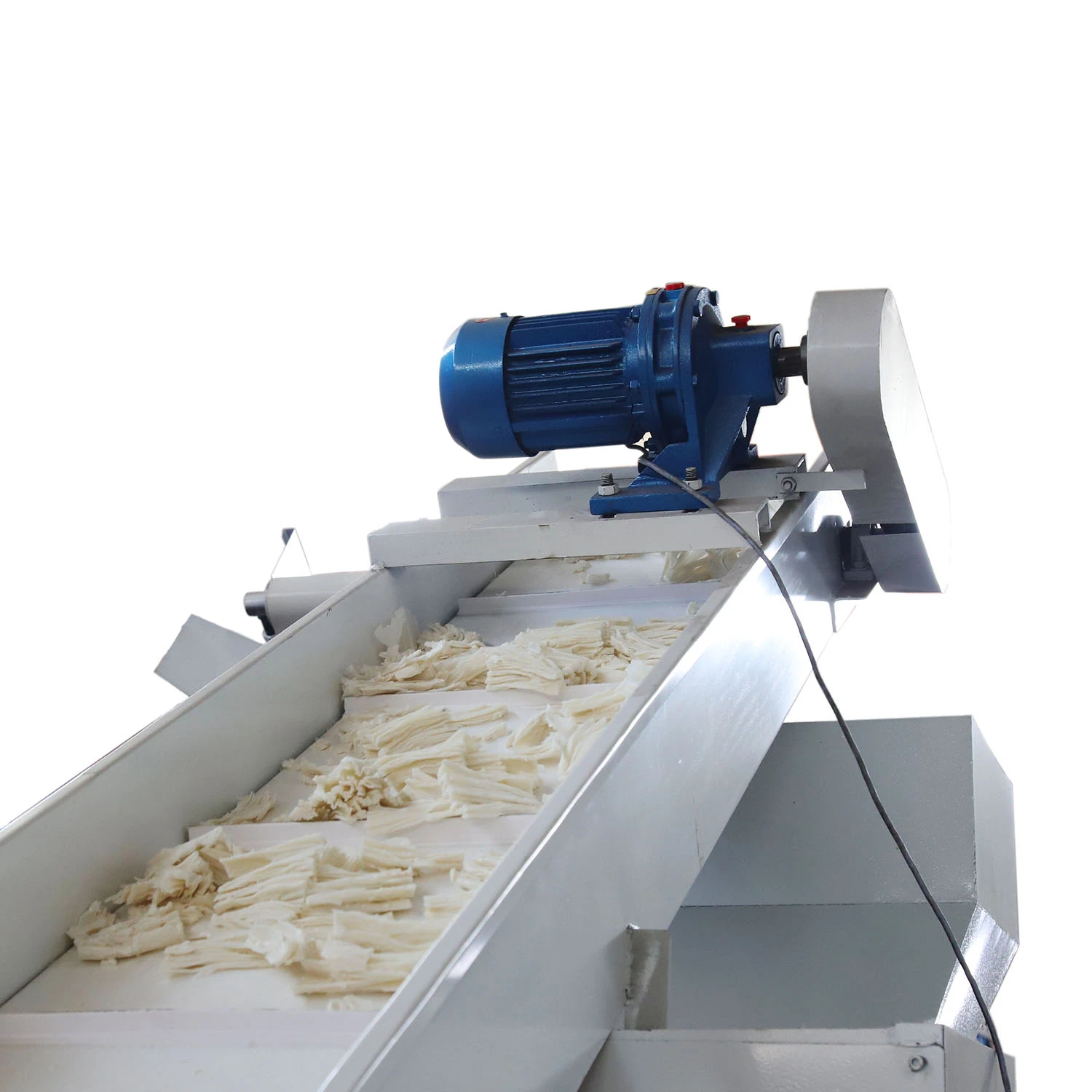
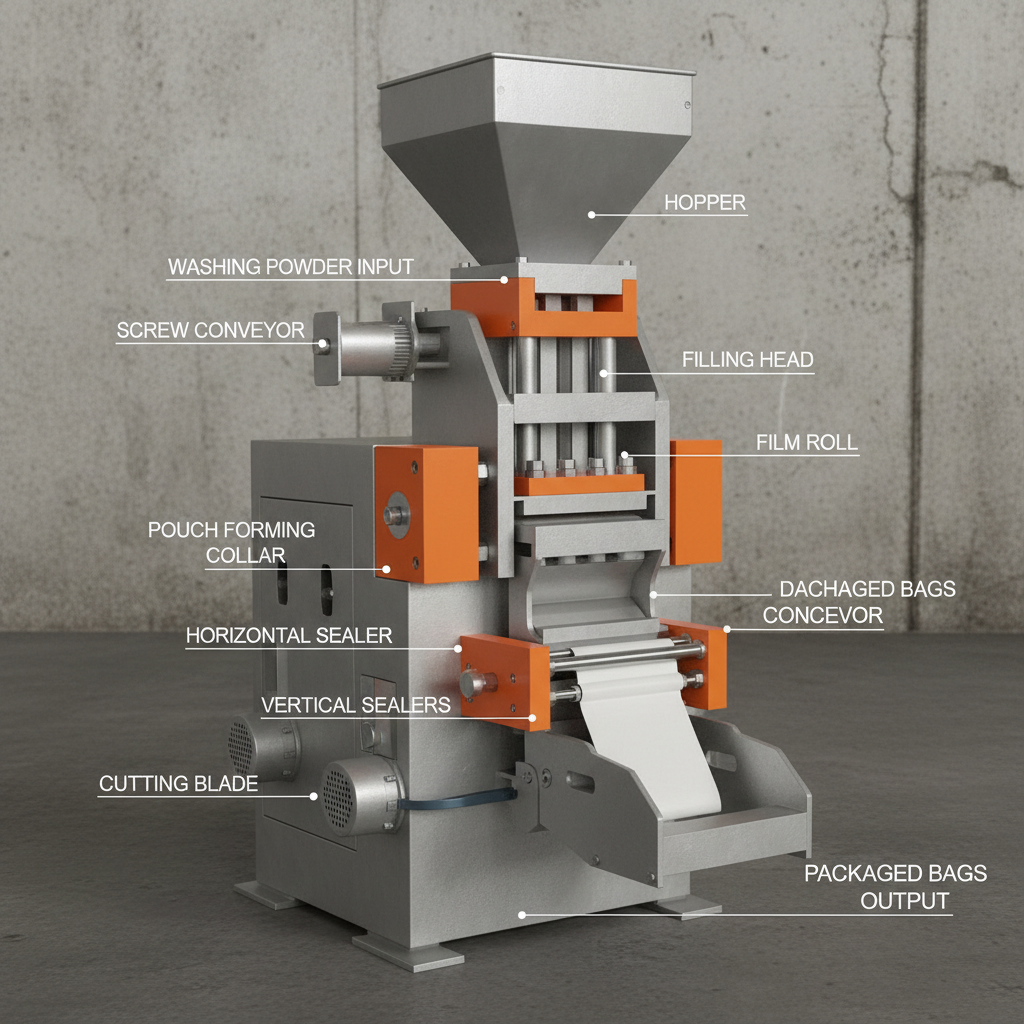
When we talk about a soap making machine small scale, you’re essentially looking at a blend of convenience, precision, and scale-down industrial technology. What’s fascinating is how these machines combine robustness with relatively simple operation — which is a blessing for any newcomer. Oddly enough, despite their smaller size, the build quality and control systems often reflect the same standards you'd expect from larger industrial apparatus.
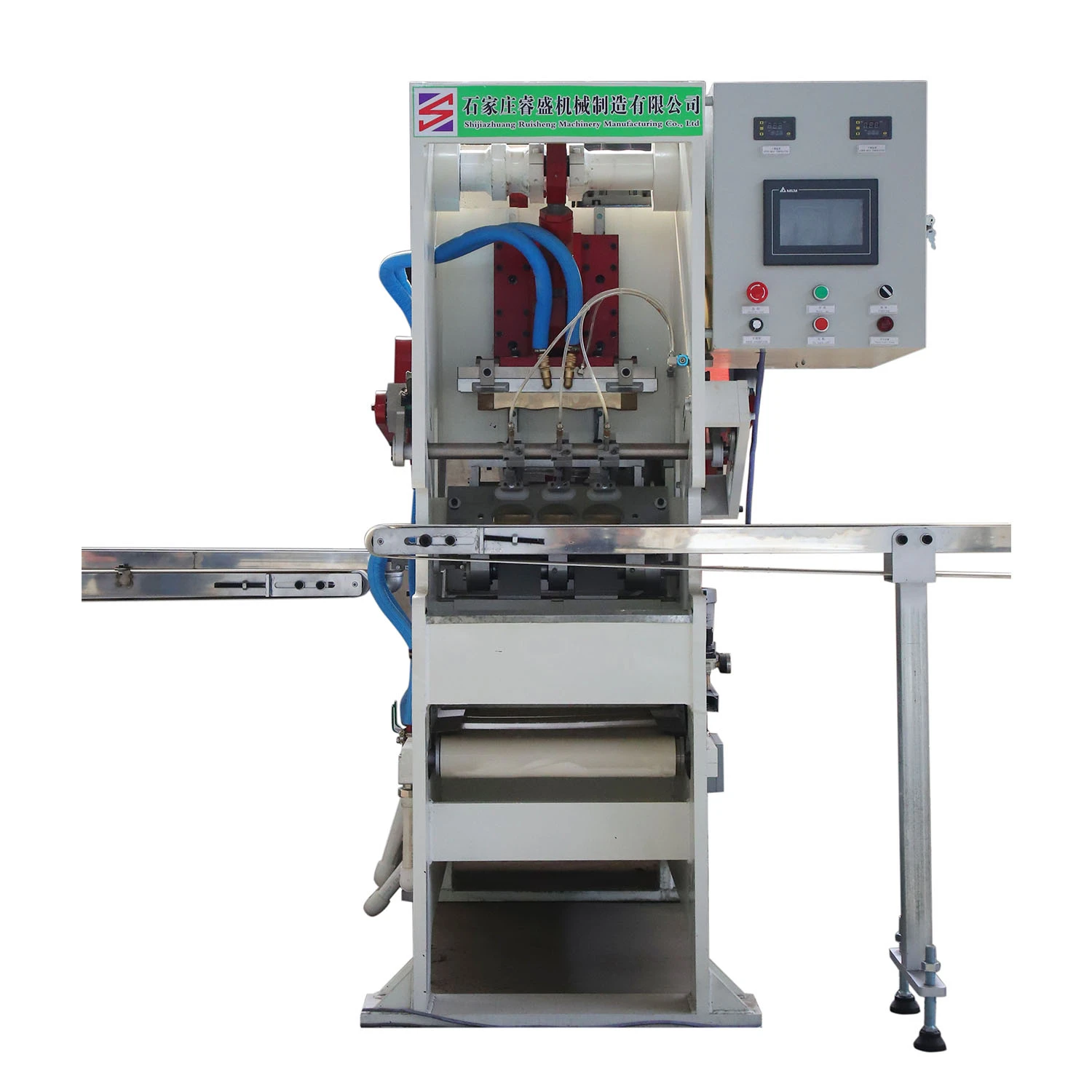
From a materials and design standpoint, most machines in this category feature stainless steel construction — not only for hygiene but also for corrosion resistance, which you know is crucial when you’re regularly dealing with alkaline substances in soap formulations. I've noticed that the better machines come with user-friendly control panels, allowing real-time monitoring of temperature and mixing speed; those details matter a lot in maintaining consistent product quality.
Here’s a simple spec overview based on one of the popular models I recently studied:
| Specification | Details |
|---|---|
| Production Capacity | 50-100 kg/hr |
| Power Supply | 220V, 50Hz |
| Machine Weight | 180 kg |
| Dimensions (L×W×H) | 1350×720×1200 mm |
| Material | Stainless Steel SUS304 |
| Control System | PLC with Touch Screen |
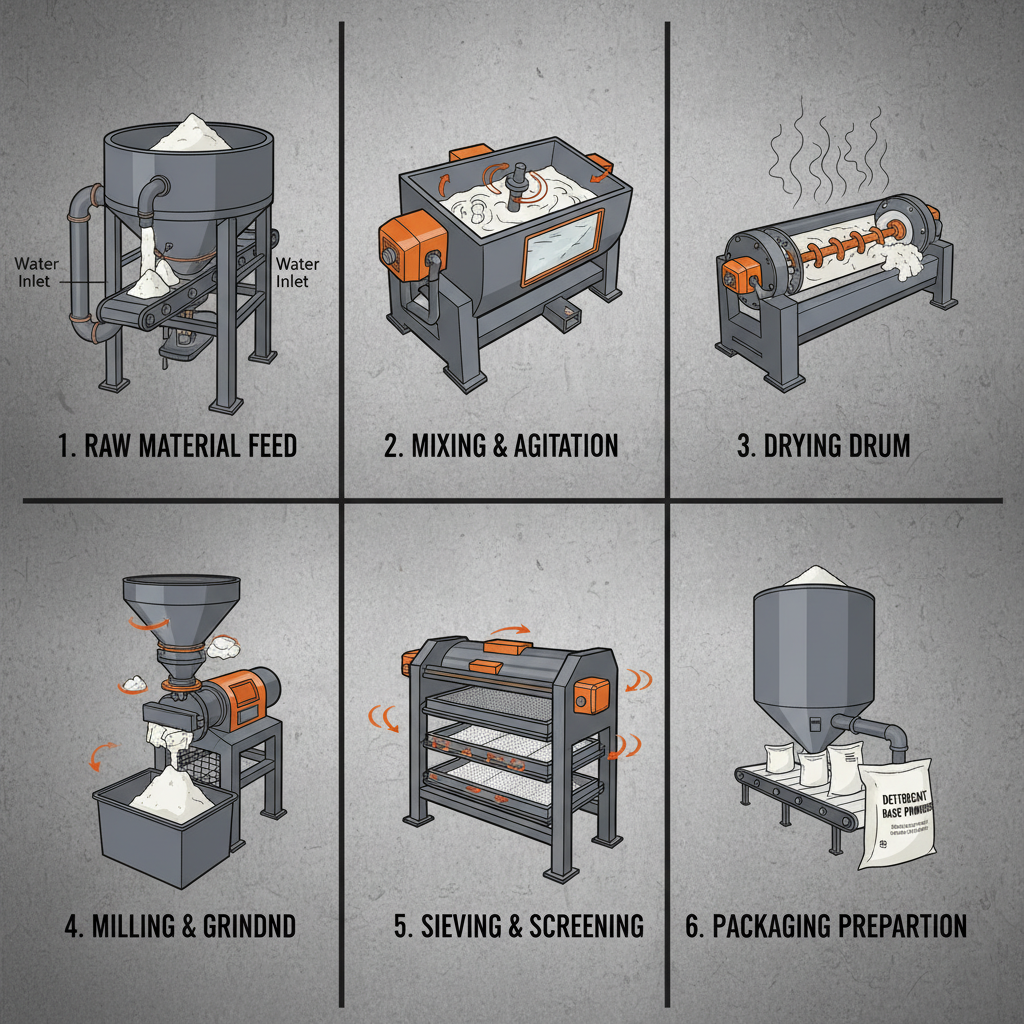
In terms of real-world use, these machines typically perform well for batch processes — a format that suits small to medium enterprises perfectly. I recall a client, a soap artist turned small manufacturing boss, who swore by her small-scale machine’s consistent heating and mixing precision. It’s those little things that add up, frankly, when you’re aiming for repeatability and product uniformity.
To help make a more informed choice, you may want to look at how different vendors stack up. While specs matter, warranty, after-sales support, and customization options often tip the scales:
| Vendor | Warranty | Customization | Price Range (USD) | Support Availability |
|---|---|---|---|---|
| RS Soap Machine | 12 months | Yes, process & size | $5,000 - $7,500 | 24/7 online |
| MK Industrial | 18 months | Limited | $6,500 - $8,000 | Business hours |
| Indus Equip | 6 months | No | $4,800 - $6,200 | Email only |
Customization, for instance, can make a big difference — whether tweaking the tank size or upgrading control software. Personally, I tend to recommend vendors who provide dedicated support; frankly, a little hand-holding during the initial setup phase can save tons of headaches.
One last thing — while scouring options, it’s smart to consider the total cost of ownership. Some machines might appear cheaper upfront but could end up costing more in maintenance or downtime. So, weigh your options carefully.
All in all, the soap making machine small scale scene has matured nicely, making it a genuinely viable entry point for smaller manufacturers aiming to grow without sacrificing quality. It feels like a slice of the industrial world tailored for those who want precision and reliability, packed into a manageable footprint. So whether you’re crafting artisan soaps or gearing for modest production runs, these machines make it all a little easier — and, dare I say, a bit more fun.
Keep in mind: Actual specs and support can vary, so always get the latest details direct from manufacturers before committing.
References:
1. Industry equipment catalogs and manufacturer websites.
2. Interviews with small scale soap producers.
3. Technical datasheets of soap production machinery.