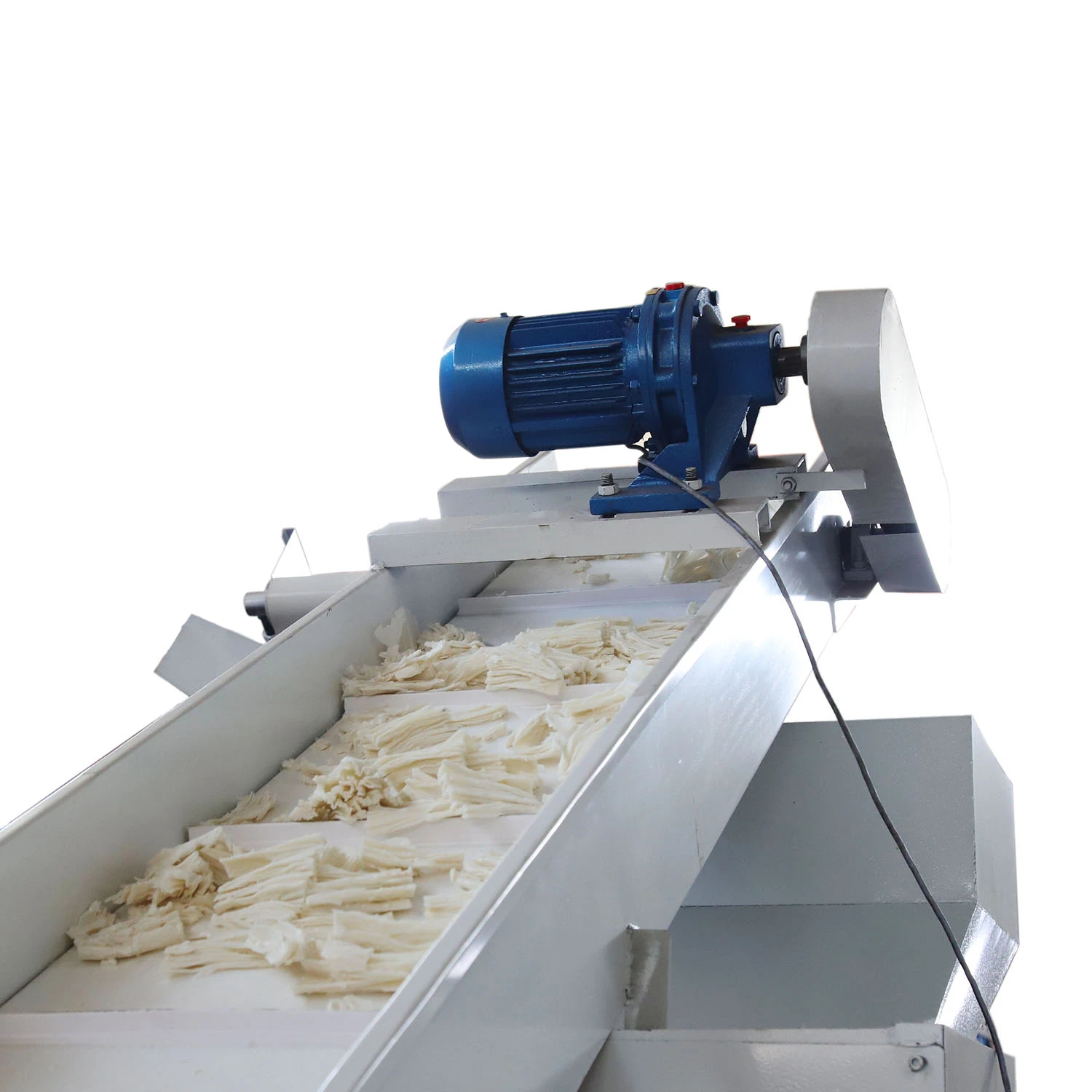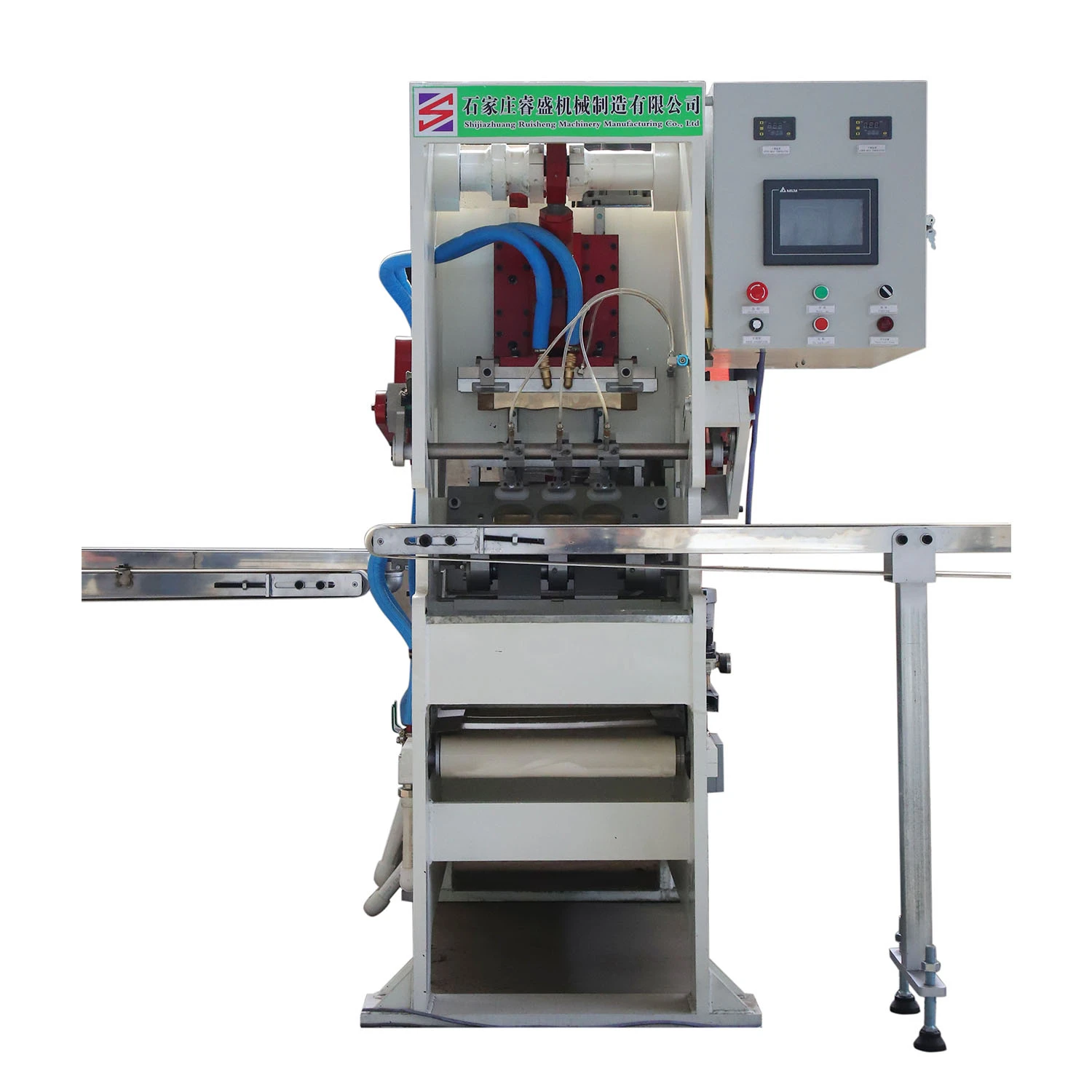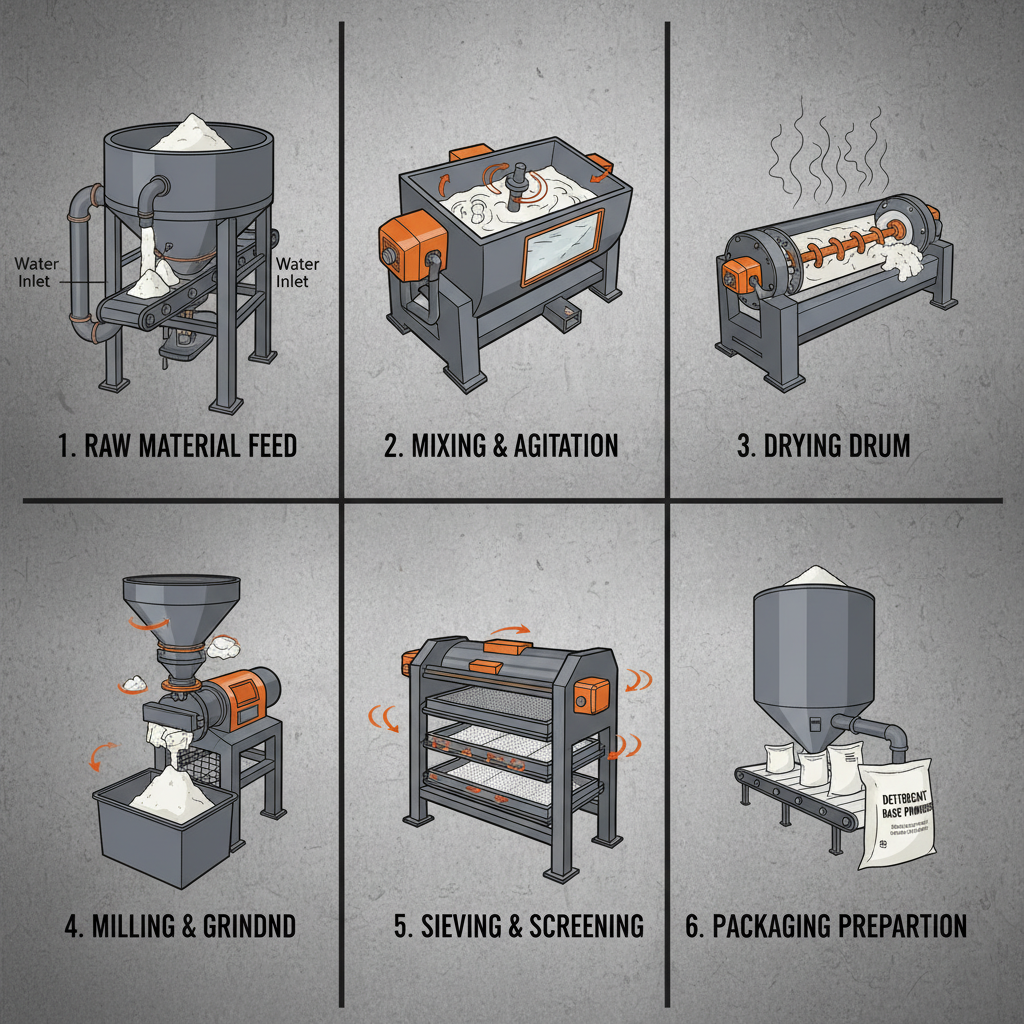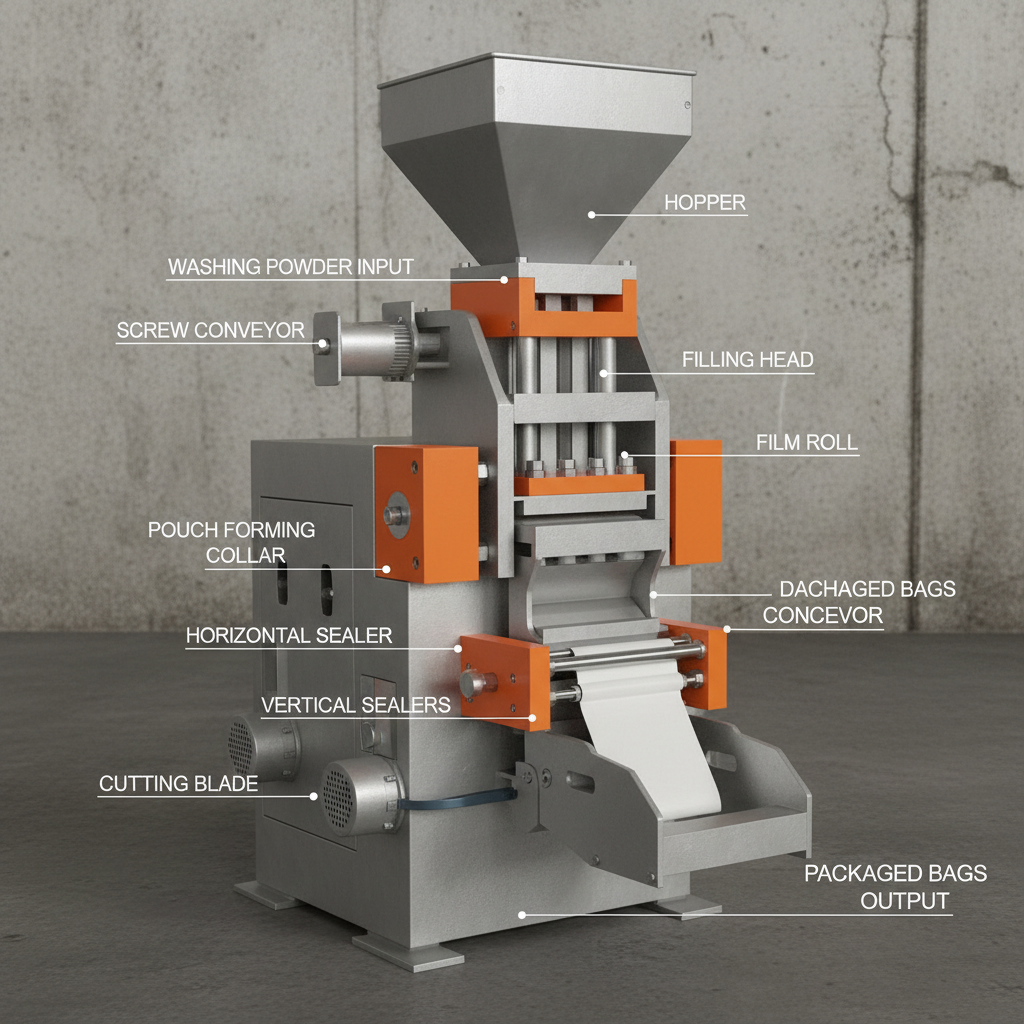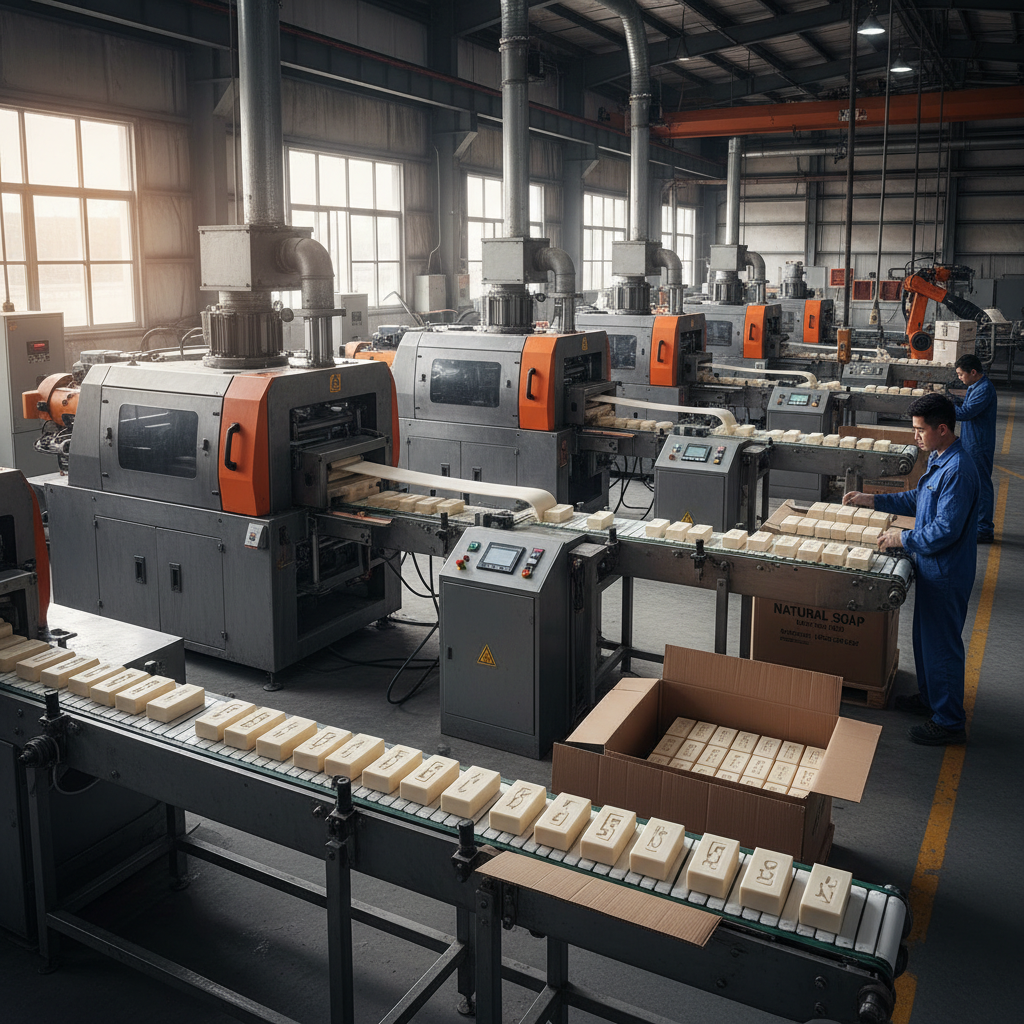
Soap Machines Small Production: Revolutionizing Hygiene Access Worldwide
At first glance, soap machines for small production might seem like a niche industrial topic, but frankly, they matter a lot more than most realize. Globally, hand hygiene is a cornerstone of public health—think reducing infectious diseases, boosting community well-being, and even supporting local economies. Understanding soap machines small production helps grasp how we can sustainably produce soap in smaller quantities, tailored to local needs or humanitarian contexts. This technology offers a blend of efficiency, accessibility, and adaptability, ultimately helping to bridge the hygiene gap, especially where large-scale manufacturing isn't feasible.
Introduction: Why Soap Machines for Small Production Are Vital in Today’s World
The statistics are stark: according to the World Health Organization, over 3 billion people lack basic handwashing facilities at home. Soap is vital to preventing disease spread—something the COVID-19 pandemic underscored globally. But mass industrial soap production isn’t always accessible or appropriate, especially in remote regions or developing economies. This is where soap machines small production come in, enabling decentralized manufacture without the huge infrastructure of mega-factories.
Oddly enough, small-scale soap production is a powerful lever in boosting local economies, reducing dependency on imported soap, and promoting sustainable hygiene practices. UN and ISO reports emphasize the importance of small-scale, localized manufacturing solutions for sustainable development goals. Yet, many communities still struggle to produce soap efficiently at scale due to technical and resource constraints—a problem that these small production soap machines steadily solve.
Defining Soap Machines Small Production
Put simply, soap machines small production are equipment systems designed to produce soap in limited batches, often tailored for local use, small businesses, NGOs, or humanitarian missions. They typically range from semi-automatic units to fully automated setups, optimized for producing bars, flakes, or liquid soap in quantities from a few dozen to a few hundred kilograms per day. The connection here to modern industry reflects the trend toward customization and sustainability—shifting away from huge factories to machines that smaller operators can easily manage.
In humanitarian contexts, such machines become lifesavers: they enable quick response to hygiene crises, allow soap production directly in affected zones, and reduce supply chain bottlenecks. It’s kind of like bringing industrial capability to your backyard—or a refugee camp.
Core Components and Key Factors to Consider
- Durability and Build Quality: Machines must withstand diverse environments, from tropical humid zones to dusty remote villages.
- Scalability: Though designed for small production, flexibility to increment batch sizes or shift soap types makes the equipment adaptable.
- Energy Efficiency: Minimizing power consumption—solar options are gaining traction.
- User-Friendliness: Easy operation, minimal technical skills required, crucial in community deployments.
- Cost Efficiency: Lower upfront investment with reasonable maintenance expenses is key for small entrepreneurs.
- Product Quality: Machines have to consistently produce soap that meets hygiene and cosmetic standards.
From real-world experience, I’ve noticed that machines ticking all these boxes often see better adoption—and frankly, more smiles from operators.
Soap Machines Small Production Specs at a Glance
| Feature | Typical Range | Applicable Scenarios |
|---|---|---|
| Production Capacity | 50–500 kg/day | Small business, NGO projects |
| Power Consumption | 1.5–5 kW (solar options available) | Remote/off-grid areas |
| Automation Level | Manual to semi-automatic | Flexible operator skill sets |
| Product Formats | Bars, flakes, liquid | Varied market demands |
Global Applications and Use Cases
Soap machines for small-scale production find their place in diverse, sometimes surprising sectors:
- Post-Disaster Relief Efforts: Quick deployment soap production contributes to hygiene in refugee camps and temporary shelters, cutting down disease risks swiftly.
- Rural & Remote Communities: In areas lacking easy access to commercial soap, localized production fulfills daily hygiene needs sustainably.
- Small & Medium Enterprises (SMEs): Entrepreneurs crafting artisanal or specialty soaps use these machines to balance quality and quantity without heavy investment.
- Educational Institutions: Some vocational schools use these machines for hands-on chemical engineering or small manufacturing courses.
- Eco-Friendly & Sustainable Brands: Companies favoring zero waste and local supply chains leverage small-scale machines to reduce carbon footprint.
For example, NGOs in East Africa have successfully integrated solar-powered soap machines to sustain hygiene campaigns with minimal external input. That local empowerment feels meaningful beyond numbers.
Advantages & Long-Term Value of Small Production Soap Machines
The tangible benefits are clear:
- Cost Savings: Reduces capital barriers and logistics costs, especially when raw materials are locally sourced.
- Social Impact: Provides jobs, improves hygiene, and boosts dignity in underserved communities.
- Sustainability: Enables recycling and incorporation of natural ingredients for greener products.
- Reliability: Localized production reduces supply chain vulnerability, especially critical in crises.
From an emotional angle, it feels like these machines restore a basic but essential human right: access to clean, safe soap. They foster trust within communities and encourage innovation in small local economies.
Vendor Comparison: Popular Soap Machines for Small Production
| Vendor | Capacity | Energy Source | Automation | Price Range (USD) |
|---|---|---|---|---|
| CleanSoapTech | 100–300 kg/day | Electric grid/Solar optional | Semi-automatic | $15,000–$25,000 |
| EcoSoapMakers | 50–150 kg/day | Manual / Low power | Manual operation | $8,000–$12,000 |
| PureFlow Systems | 200–500 kg/day | Electric grid only | Fully automatic | $30,000–$40,000 |
Future Trends and Innovations
Looking ahead, several innovations seem poised to enhance soap machines small production:
- Green Energy Integration: Increasing adoption of solar and hybrid power systems to improve off-grid usability.
- Automation and IoT Monitoring: Smart sensors enabling real-time quality feedback and predictive maintenance.
- Sustainable Materials: Using biodegradable molds, recycled plastics, and waste-free packaging solutions embedded in machine design.
- Modular Machines: Allowing quick scaling or reconfiguration to meet changing soap formulas or market demands.
It feels like the small production soap industry is quietly evolving into a high-tech yet very human-centered field.
Challenges & Solutions
Of course, there are challenges:
- Raw Material Quality: Inconsistent input materials affect soap quality—a common hurdle in remote areas.
- Technical Support and Training: Operators often require ongoing training to handle machine quirks or changing recipes.
- Financing: Upfront costs can be prohibitive for some small operators.
Solutions? Strategically, partnering with NGOs, micro-financing options, and remote troubleshooting through digital platforms are helping. Some vendors now offer leasing models or mobile service teams designed for community outreach.
FAQ: Common Questions about Soap Machines Small Production
Q1: What is the typical production capacity for small soap machines?
A1: Small production soap machines usually produce between 50 to 500 kg of soap daily, which suits small enterprises or humanitarian requests without the overhead of large factories.
Q2: Can these machines operate off-grid?
A2: Many models support low energy consumption and some even run on solar power, making them ideal for off-grid or remote locations where electricity supply is unstable or unavailable.
Q3: How much training is needed to operate these machines?
A3: Most small production machines are designed for ease of use, requiring basic technical training, typically ranging from a few hours to a couple of days, depending on the machine's complexity.
Q4: Are the soap products comparable in quality to industrial soap?
A4: Yes, with proper raw materials and process control, soap from small production machines meets hygiene and cosmetic quality standards established by industry bodies like ISO.
Q5: Where can I find reliable machines for small soap production?
A5: Trusted vendors often provide comprehensive services. For example, visit soap machines small production for trusted providers that excel in technical support and customization options.
Conclusion
In real terms, the rise of soap machines small production is more than a manufacturing shift; it’s a movement toward empowering local communities, improving public health, and innovating for sustainability. By bringing production closer to the people who need it most, these machines help build resilient, self-reliant networks that deliver dignity and safety daily. If you want to explore solutions or dive deeper into this field, I warmly invite you to visit our website: https://www.rssoapmachinery.com.
It’s fascinating to see how something as humble as small batch soap production can weave into global health and economic fabrics — a quietly powerful revolution.