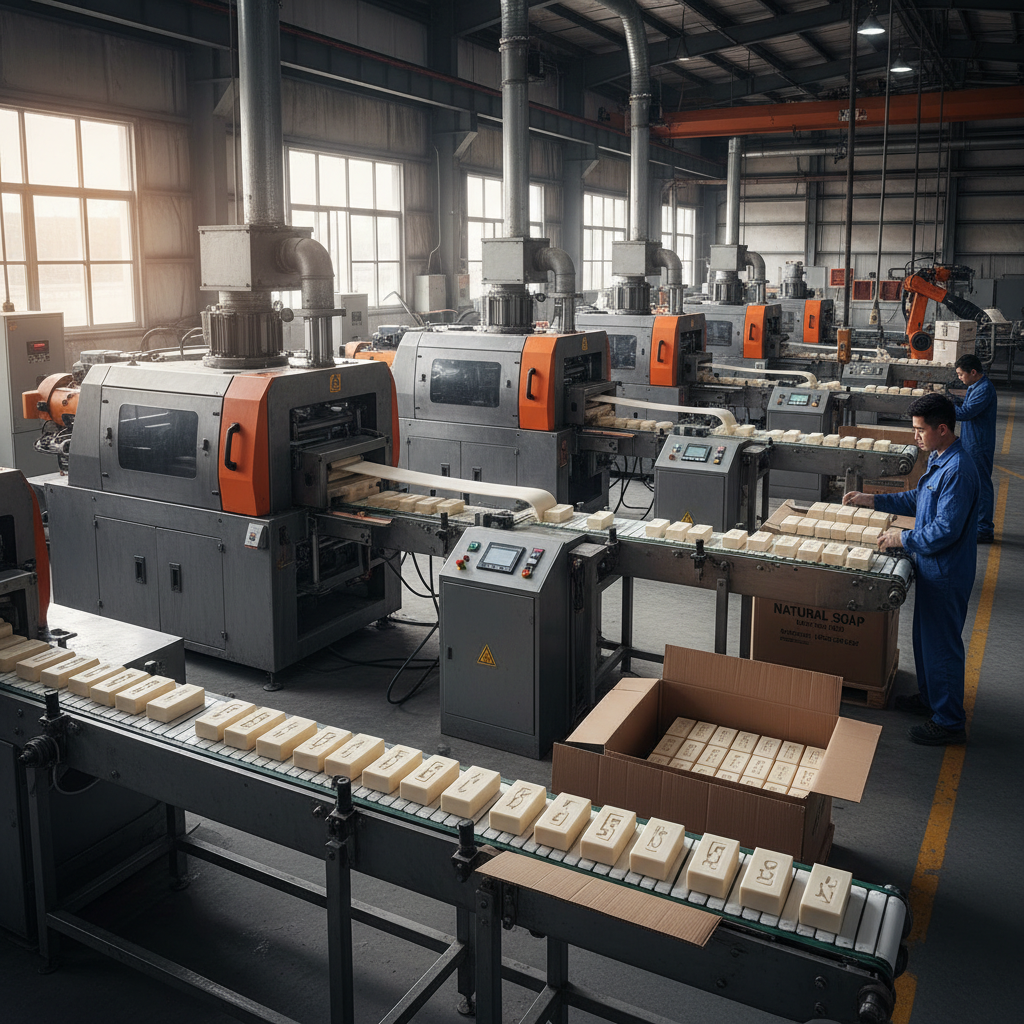
Understanding the Soap Punching Machine: A Game Changer in Soap Manufacturing
If you've ever been curious about how soap bars get their distinct shapes or patterns, the soap punching machine is quite literally the hero behind the scenes. This specialized equipment not only streamlines soap manufacturing but also plays a pivotal role in industries ranging from personal care to humanitarian aid.
Globally, the personal hygiene market is booming—estimated to be worth over $150 billion as per the World Bank's recent reports. Within this sphere, efficient manufacturing processes like those facilitated by soap punching machines contribute substantially to meeting soaring consumer demands while maintaining product consistency and quality. Frankly, understanding this machinery offers insight into manufacturing efficiency and supply chain resilience, especially during times when hygiene products are more critical than ever.
Introduction: Why the Soap Punching Machine Holds Global Importance
From flourishing economies to developing regions, soap production remains a vital industry. According to the International Organization for Standardization (ISO 22716), ensuring standardization in soap manufacturing improves both consumer safety and product effectiveness. However, the challenge often lies in scaling production efficiently while assuring quality. That’s where the soap punching machine comes in—a mechanical innovation designed to reliably and precisely cut or emboss soap bars at scale.
For example, in countries facing waterborne diseases, accessible and affordable soap can reduce infections dramatically. So, automating production isn't just about convenience; it’s about public health and trust in hygiene products worldwide.
What Is a Soap Punching Machine?
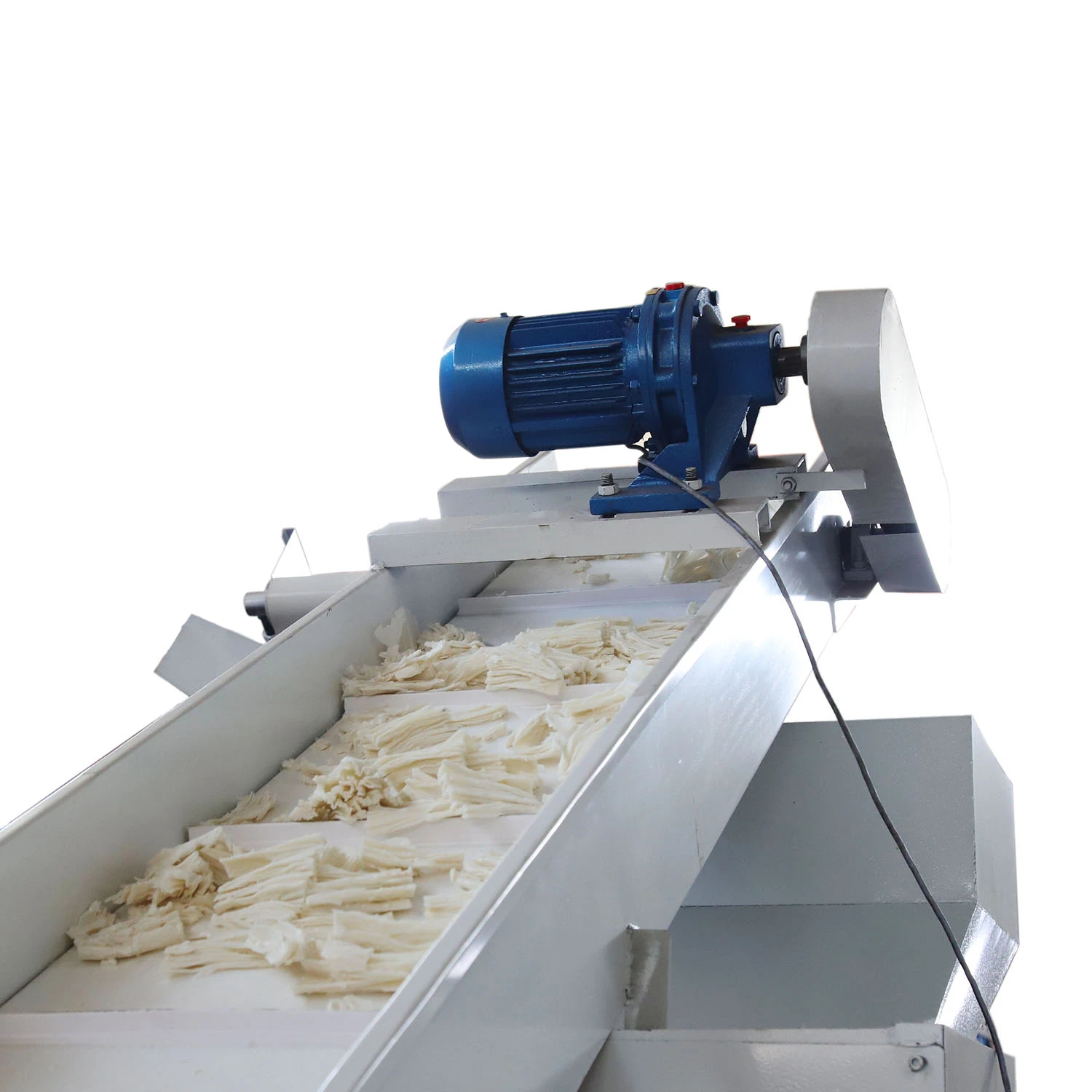
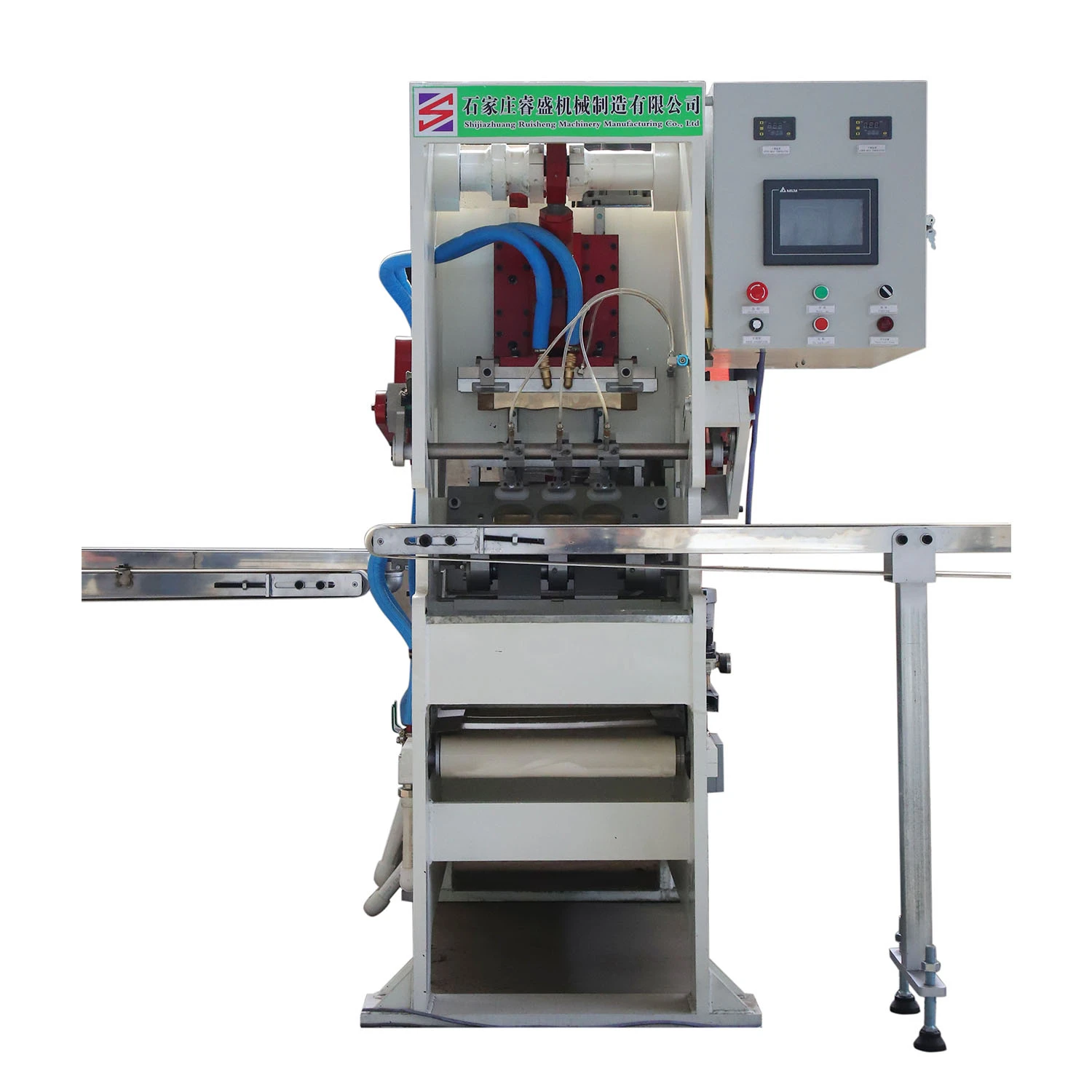
Simply put, a soap punching machine is a device used to cut, shape, or imprint patterns on soap bars after they've been molded and cooled. By pressing or punching the soap blocks, the machine can create uniform, attractive bars suitable for retail. The machine can range from manual to fully automated models, and often includes a feature to imprint logos or designs—a key branding element.
Its role is critical, as manual cutting can lead to inconsistencies, product waste, and inefficiency. In modern industry, these machines connect the dots between raw soap formation and market-ready products—enhancing both volume and quality.
Core Components and Key Features
Durability
Most soap punching machines are constructed with stainless steel or robust alloys to resist corrosion from alkalis and water—a necessity given soap’s chemical composition. This durability ensures long-term use in diverse factory environments.
Scalability
Whether a small soap workshop or a high-capacity plant, these machines scale. Some models allow quick adjustments for bar size or shape changes, making it flexible for varying production runs.
Cost Efficiency
Investing in a soap punching machine typically reduces labor costs and production time. For many manufacturers, this means turning out more product at lower per-unit costs. It also minimizes soap wastage thanks to precise cuts.
Automation and Ease of Use
Modern machines may come with programmable logic controllers (PLCs), touchscreens, or sensors that optimize operation and reduce human error—a boon for consistency and quality control.
Customization Capabilities
Being able to imprint distinct logos or patterns can help brands differentiate their products. Many machines offer interchangeable punch dies, supporting creative branding needs.
Soap Punching Machine Specifications
| Feature | Description |
|---|---|
| Type | Manual, semi-automatic, fully automatic |
| Material | Stainless steel grade 304 or above |
| Cutting Capacity | Up to 120 bars/minute (varies by model) |
| Power Consumption | 0.75 kW to 3 kW depending on automation |
| Customization | Interchangeable punch dies, adjustable size |
| Footprint | Compact designs available for small workshops |
Global Applications of Soap Punching Machines
In practical terms, soap punching machines find uses across a variety of settings — from large commercial soap producers in Europe and North America to community cooperatives in Africa and Asia.
- Post-Disaster Relief Operations: Rapid soap production can support hygiene for displaced populations.
- Remote Industrial Zones: Installing efficient punch machines enables localized production and reduces dependency on imports.
- Small and Medium Enterprises (SMEs): Soap punching machines help smaller manufacturers compete with larger brands by improving product quality.
If you’re curious about the kinds of machinery available, best to check reputable suppliers such as soap punching machine providers who cater to both international and local markets.
Comparing Top Soap Punching Machine Vendors
| Vendor | Automation Level | Price Range (USD) | Customization | Support & Warranty |
|---|---|---|---|---|
| SoapPro Technologies | Fully automatic | $15,000 - $50,000 | High - bespoke die tooling | 2 years comprehensive |
| IndusSoap Equipments | Semi-automatic | $7,000 - $20,000 | Medium - standard designs | 1 year limited |
| EasySoap Machines | Manual to Semi-automatic | $3,000 - $10,000 | Low - fixed dies | 6 months basic |
Advantages and Long-Term Value
Adopting a soap punching machine has direct economic benefits like decreasing manual labor costs and improving throughput, but there’s also a bigger story. Consistent, well-branded soap bars foster consumer trust—an emotional win. On the social front, more affordable mass production can improve hygiene conditions globally, preserving dignity and health.
It also supports sustainability initiatives by optimizing material usage and reducing waste. In my experience, manufacturers who prioritize both quality and environmental impacts tend to fare better in today's market.
Emerging Trends in Soap Punching Technology
The future looks pretty interesting. Automation is advancing quickly, with AI-enabled sensors capable of adjusting cutting pressure in real-time to accommodate bar variability. Plus, eco-conscious manufacturers are experimenting with solar-powered machines or components made from recycled metals.
Another frontier is digital customization — using computer-aided design (CAD) files to produce unique bar patterns for limited editions or charity campaigns. It feels like the industry is starting to combine old craft with new tech in a very exciting way.
Common Challenges and Innovative Fixes
Of course, no tech is flawless. One common issue is maintenance—soap residue can gum up machines, leading to downtime. Several vendors now offer easy-clean designs and quick-change components to cut service times. Also, training operators on the particular model at hand is crucial to prevent damages or inconsistent production.
Another hurdle is upfront investment. Thankfully, modular machines or leasing options make it easier for smaller producers to get on board without breaking the bank.
Frequently Asked Questions About Soap Punching Machines
- Q: What factors should I consider when choosing between manual and automatic soap punching machines?
A: Consider your production volume, budget, and space. Manual machines suit small batches or startups, while automatic models optimize high output and require higher initial investment. - Q: How customizable are soap punching machines for branding purposes?
A: Many machines support interchangeable dies permitting diverse logos and designs. Some vendors even offer CAD-based custom punching tools for unique branding. - Q: Can soap punching machines handle different soap types (glycerin, herbal, medicated)?
A: Generally yes, but you may need to adjust pressure or punch tools depending on soap hardness and texture to avoid cracking or deformation. - Q: What maintenance is required to keep the machine running smoothly?
A: Routine cleaning to prevent soap buildup, lubrication of moving parts, and periodic inspection of blades and punch dies are key to longevity.
Conclusion: Why Investing in a Soap Punching Machine Makes Sense
All told, a soap punching machine is more than just an equipment upgrade — it’s a strategic investment in quality, scalability, and hygiene impact. Whether you’re a small enterprise or a large manufacturer, unlocking efficiency and creativity in soap production can really pay off in the long run.
For anyone interested in exploring options or integrating these machines into their workflow, I’d recommend visiting our website for detailed models, guidance, and expert support.
In the end, the blend of craftsmanship and machine efficiency will keep the soap industry clean, consistent, and innovative for years to come.
Takeaway: Soap punching machines subtly yet crucially underpin our daily hygiene routines—and mastering their nuances is a step toward smarter, healthier production.