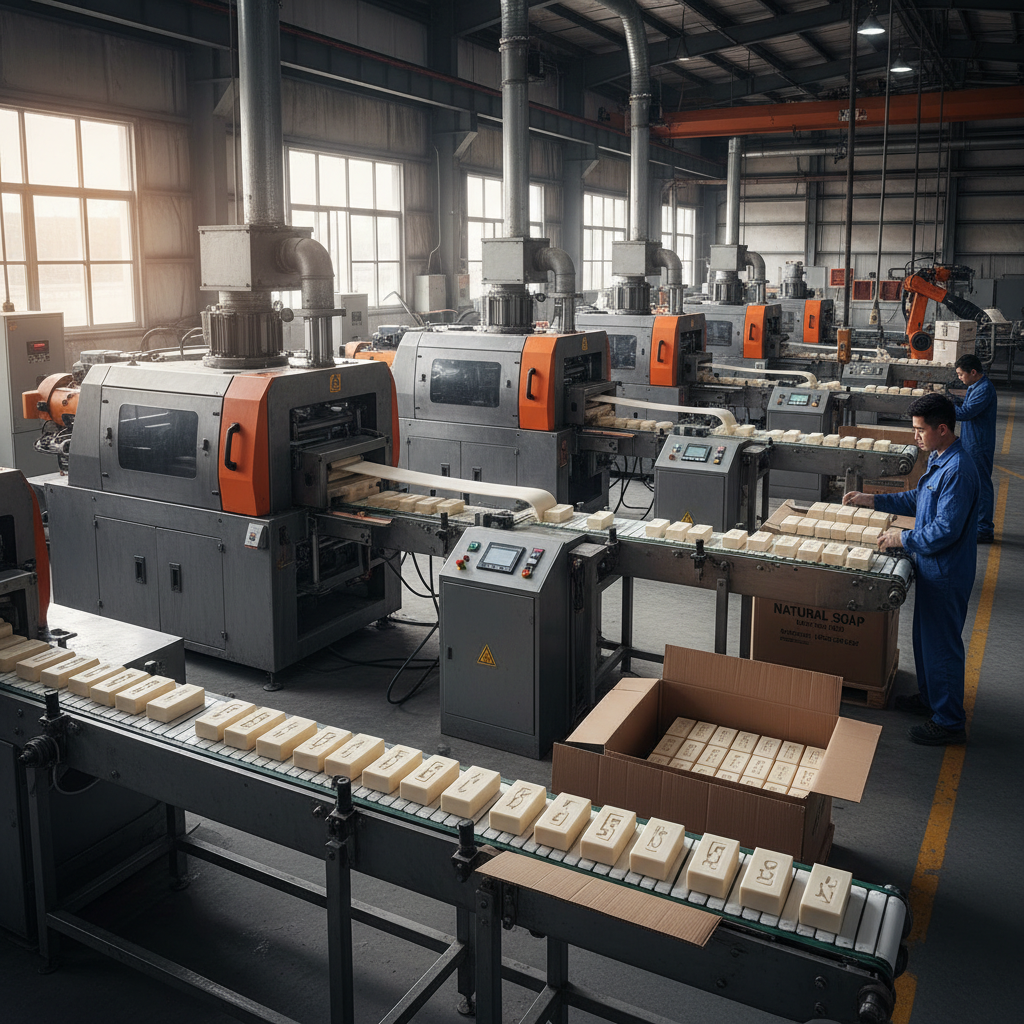
Soap Roller Mill: Industrial Backbone for Modern Soap Production
If you’ve ever wondered how that smooth, consistent bar of soap you use every day is made, a soap roller mill is one of the unsung heroes behind the scenes. Essentially, this piece of machinery refines soap by kneading and mixing it to ensure uniformity and optimal texture. But why does this matter beyond just factory walls? Globally, with soap being vital for hygiene and health, especially in pandemic or disaster conditions, understanding how soap roller mills operate helps us appreciate the innovation that keeps these essentials affordable, reliable, and high quality.
Global Industry Importance of Soap Roller Mills
Worldwide soap production is a multi-billion dollar industry, with millions of tons manufactured annually. According to the International Trade Centre (ITC), the global soap market surpassed $30 billion in recent years and continues growing due to rising hygiene awareness and urbanization.1 But, producing soap in large quantities without sacrificing quality is no small feat. This is where soap roller mills step in, smoothing and homogenizing soap paste, making sure every bar meets stringent consistency standards — crucial for quality, especially in humanitarian supplies where soap facilitates health in resource-limited settings.
What Exactly Is a Soap Roller Mill?
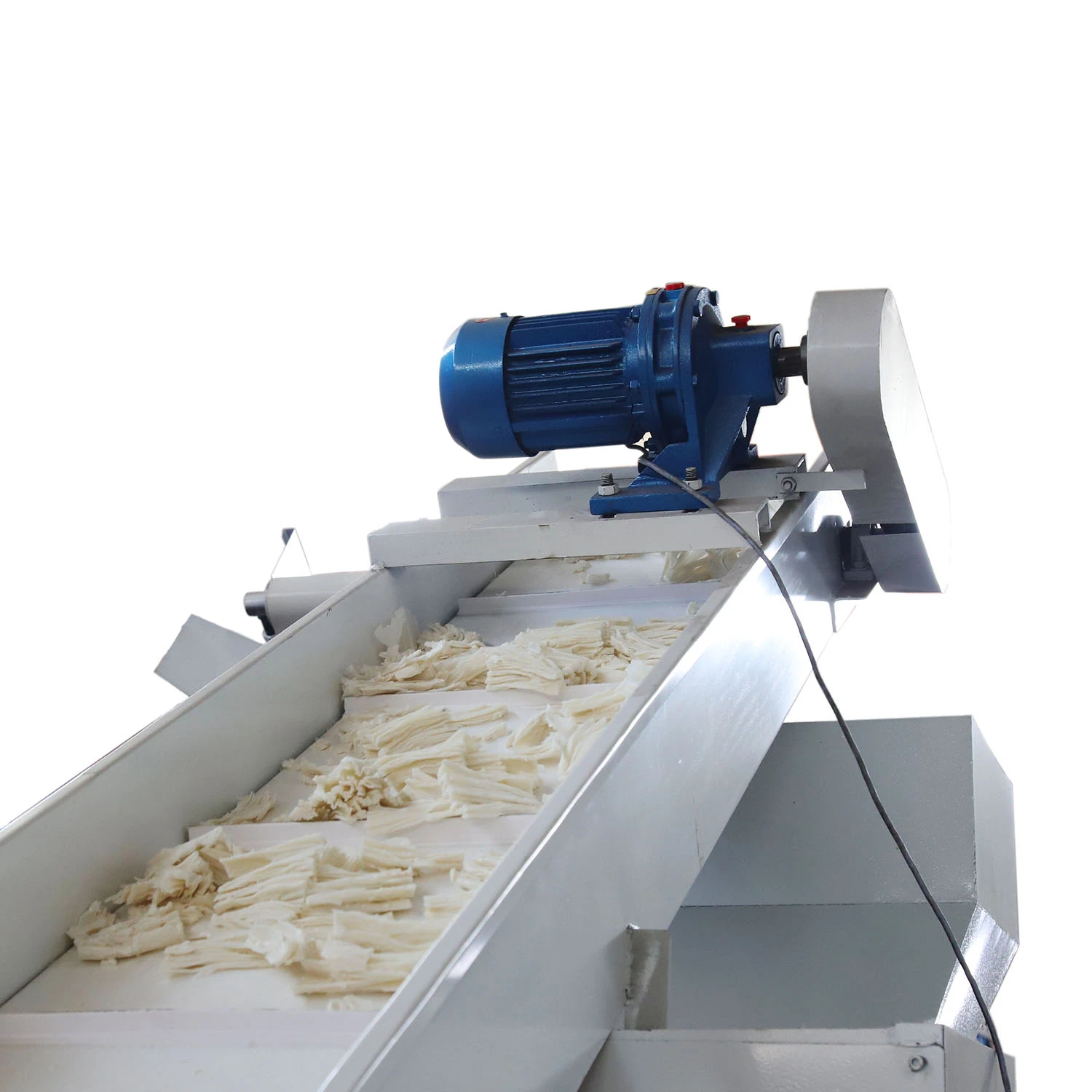
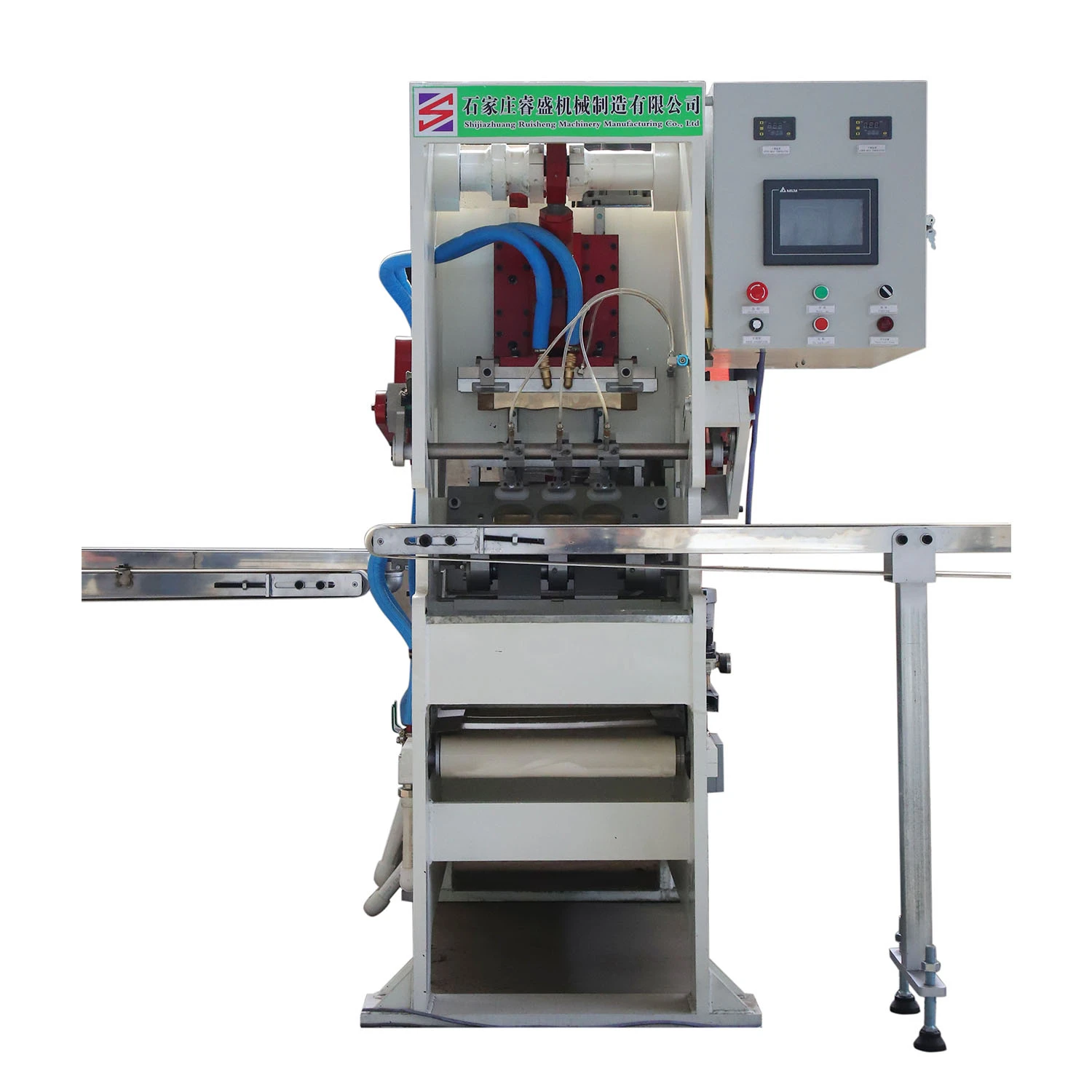
In its simplest form, a soap roller mill is a mechanical device consisting of two or more heavy rollers that press and shear soap paste to refine it. This milling process reduces particle size, blends additives uniformly, and improves texture before the soap is formed into bars or flakes. Think of it like a giant pasta roller for soap — except it’s engineered for chemical and physical uniformity rather than culinary finesse.
It’s not just a traditional processor. Modern roller mills can integrate with automated production lines, adapt for various soap formulations, and meet hygiene standards. In refugee camps or developing sectors, the ability to produce quality soap efficiently can be a game-changer, supporting public health campaigns by providing affordable hygiene products on demand.
Key Features of Soap Roller Mills
1. Durability and Material Strength
Because soap compounds vary in abrasiveness and temperature, roller mills are usually made from stainless steel or heavy-duty alloys resistant to corrosion and wear. This ensures a machine lifespan that withstands continuous industrial use — odd people often overlook just how tough these need to be.
2. Scalability and Capacity
From small artisanal setups to factories pumping out tons yearly, soap roller mills come in many sizes. Flexibility in throughput allows manufacturers to optimize costs whether producing niche scented bars or high-volume commodity soaps.
3. Energy and Cost Efficiency
Energy consumption during milling can add up, especially at scale. Advances focus on reducing electrical needs—sometimes recovering heat generated during processing—making operations greener and cheaper in the long term.
4. Automation and Control
Modern systems integrate sensors monitoring temperature, roller gap, and mixing speed, improving product consistency and minimizing operator error.
5. Easy Maintenance and Cleaning
Given that soap can build up and clog machinery, roller mills are often designed with quick disassembly or cleaning-in-place features, which is essential in hygiene products manufacturing.
Soap Roller Mill Specifications
| Specification | Typical Range | Remarks |
|---|---|---|
| Roller Diameter | 250 - 600 mm | Affects throughput and pressure |
| Motor Power | 3 - 22 kW | Energy consumption varies by capacity |
| Roller Speed | 10 - 30 RPM | Adjustable for texture control |
| Throughput Capacity | 500 - 5000 kg/hr | Depends on model and operation |
| Material | Stainless steel 304/316 | Hygienic and corrosion-resistant |
Global Applications of Soap Roller Mills
- Manufacturing Industry: Large-scale soap makers use roller mills for consistent bar texture and faster production cycles.
- Humanitarian Aid: Organizations producing soap for crisis zones rely on roller mills to maintain hygiene standards in compact facilities.
- Small and Medium Enterprises (SMEs): Artisanal producers find smaller mills indispensable to maintain quality while experimenting with natural ingredients.
- Remote and Developing Regions: Reliable soap production reduces dependency on imports, bolstering local health initiatives.
For instance, in post-disaster relief operations, compact soap roller mills allow on-site soap reprocessing, enabling a steady supply tailored to specific community needs. And in remote industrial zones, automated mills offload labor and improve safety by reducing manual handling of caustic raw soap.
Mini takeaway:
The soap roller mill is a vital device bridging raw materials with finished cleanliness essentials across industries and geographies, supporting health and economy alike.
Advantages & Long-Term Value of Soap Roller Mills
First off, soap roller mills reduce waste by re-smoking excess soap into usable stock. They enhance product uniformity, which builds consumer trust—people want their soap bars to look and feel consistent!
They also improve sustainability. Because the milling process refines soap paste without excessive additives or energy-intensive methods, manufacturers can reduce their carbon footprint. Over time, this leads to significant savings and environmental benefits.
Socially, reliable soap production supports hygiene education programs by ensuring affordable, high-quality soap reaches all socioeconomic groups. And it feels like a small thing, but knowing your soap is consistent fosters confidence and dignity — oddly enough, even in chaotic emergency situations.
Vendor Comparison: Leading Soap Roller Mill Options
| Feature | MillBrand A | RollMill Pro | EcoSoap Mill |
|---|---|---|---|
| Max Capacity (kg/hr) | 3000 | 5000 | 2000 |
| Energy Efficiency | Medium | High | Very High |
| Automation Level | Basic | Advanced | Moderate |
| Cleaning Ease | Manual disassembly | CIP (Cleaning in Place) | Semi-automatic |
| Price Range | $$ | $$$ | $ |
Emerging Trends and Innovations in Soap Roller Mills
The future looks bright for soap roller mills. Increasingly, green technologies are popping up, such as solar-powered systems that can run roller mills off-grid. Automation is advancing, integrating AI to monitor texture and composition in real time. New materials like antimicrobial coated rollers help maintain hygiene standards without frequent disassembly.
Notably, sustainability drives the push toward more energy-efficient mills that minimize consumption while maximizing output quality. This aligns with growing global policies encouraging cleaner manufacturing processes, endorsed by organizations like ISO.2
Challenges and Practical Solutions
Of course, no system is perfect. Roller mills can face issues with clogging, especially when processing soaps with natural additives or unusual formulations. Maintenance may interrupt production schedules, hurting margins.
Experts recommend regular operator training and investment in modular components for easy swaps. IoT sensors that predict wear-and-tear also help avoid unexpected downtimes. Manufacturers like those linked below provide tailored solutions that accommodate diverse raw material characteristics, keeping mills efficient.
Frequently Asked Questions About Soap Roller Mill
- How does a soap roller mill improve soap quality?
By mechanically refining the soap paste, it ensures homogenous texture, removes air pockets, and disperses additives evenly — crucial for consistent, durable soap bars. - What capacity should I choose for a small soap business?
Typically, starting with a mill capable of 500-1000 kg/hr is adequate. It allows flexibility while keeping energy and investment manageable. - Can soap roller mills handle natural or organic soap mixtures?
Yes, but formulations with herbs or exfoliants may require slower processing speeds and special cleaning protocols to avoid residue buildup. - Is automation necessary for soap milling?
Automation enhances consistency and reduces labor, though small producers may opt for semi-automatic setups to balance cost and control. - Where can I buy reliable soap roller mills?
Several vendors specialize in this sector. Visit our equipment partner soap roller mill marketplace for authoritative listings and custom quotes.
Conclusion: Why Soap Roller Mills Matter Today
In sum, soap roller mills underpin the production chain of one of our most vital everyday essentials. Their ability to refine, homogenize, and optimize soap directly influences hygiene, health, and sustainability worldwide. The right roller mill, paired with modern innovations, offers cost-effective, scalable solutions that support both industrial giants and grassroots producers alike.
If you’re interested in reliable, efficient soap roller mill solutions or want to learn more about optimizing soap production, visit us at https://www.rssoapmachinery.com for expert advice and equipment details.
Mini takeaway:
Whether in a factory or a field clinic, soap roller mills quietly enable clean hands and better health everywhere.
References: