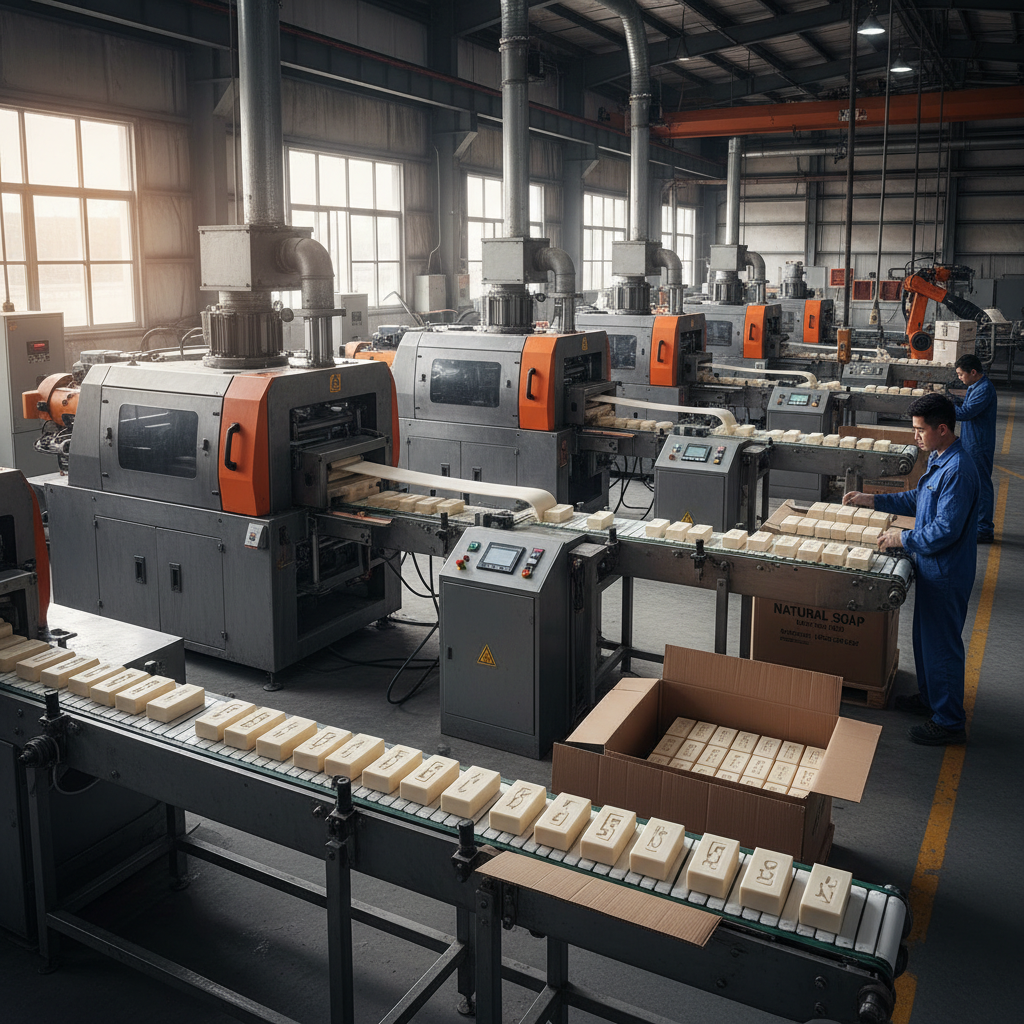
Why a dishwashing liquid mixer machine is a Game-Changer in Industrial Soap Production
Having spent over a decade working in industrial equipment—mostly focusing on chemical mixing and liquid formulation—I never cease to appreciate the subtle engineering brilliance behind machines that do their job with precision and ease. A dishwashing liquid mixer machine, oddly enough, doesn’t just blend ingredients; it’s a vital cog in creating a consistent, reliable product that customers trust every time they open a bottle.
You might wonder what’s so special about this type of mixer. In real terms, it’s all about the balance of shear forces, temperature control, and material compatibility. Most dishwashing liquids contain surfactants, solvents, thickeners, and sometimes fragrances or antibacterial agents. Getting these to blend uniformly requires precise mixing speeds and robust construction to handle mildly corrosive chemicals.
Over the years, I’ve seen many variations—different jar sizes, mixer speeds, and even automated control panels—but one thing remains consistent: manufacturers want reliability and repeatability. Frankly, nothing ruins a production run more than having to stop and recalibrate your mixer because the emulsion isn’t stable. That’s why investing in the right machine pays off.
| Feature | Specification |
|---|---|
| Mixing Capacity | 500–5000 liters per batch |
| Mixing Speed | 100–1200 RPM (adjustable) |
| Material of Contact Parts | Stainless Steel 316L or 304 |
| Temperature Control | Jacketed tank with ±1°C precision |
| Automation | PLC control with recipe storage |
| Cleaning Method | CIP (Clean In Place) System |
One time, I visited a mid-sized detergent manufacturer who recently upgraded to a high-grade mixer like this. They told me about how the new machine cut down mixing times by nearly 30%, and even better, their quality control rejects dropped substantially. That’s the sort of tangible impact that, in my experience, really counts.
In terms of design, the mixer usually features a dual-shaft agitator setup—with one shaft fitted with a high-shear impeller for breaking down thickened masses and the other with a paddle to keep the liquid circulating gently. This combo seems to be pretty much the gold standard. It ensures the ingredients don’t just sit at the bottom or foam excessively at the top. You know, this is where a lot of novice producers get stuck.
Another bit that’s often overlooked in the rush to buy machinery is material compatibility. If the tank or agitator parts aren’t made of the right stainless steel grade, corrosion can lead to contamination and reduce equipment lifespan. The most robust mixers use 316L stainless steel which resists chlorides often found in detergent formulas.
Also worth noting: customization options. Some vendors allow you to tweak the mixing speed ranges, add sensors for pH or viscosity monitoring, or even integrate your mixer with your plant’s central control system. In fact, many engineers I know insist on these add-ons to futureproof their setup.
| Vendor | Material Quality | Automation | Customizability | Price Range |
|---|---|---|---|---|
| RS Soap Machine | 316L Stainless Steel | Yes, PLC + touchscreen | Highly customizable | $$$ |
| MixTech Solutions | 304 Stainless Steel | Limited | Medium | $$ |
| AquaMix Corp | 316 Stainless Steel | Basic | Low | $ |
So, if you're in the game of producing dishwashing liquids on an industrial scale, I’d say the mixer machine is one of those pieces of equipment where cutting corners doesn’t pay off. You get what you pay for, as the saying goes, and frankly, a reliable mixer reduces downtime and improves product quality—which directly impacts your bottom line.
For those ready to explore serious options, dishwashing liquid mixer machines like those from RS Soap Machine are worth checking out. They blend robust engineering, smart automation, and materials designed to last. It feels like a wise investment if you’re scaling up production or chasing tighter quality standards.
I’ve learned over the years that trusting proven equipment – with strong vendor support and customizable features – often makes your life easier in unexpected ways. Plus, in a fast-paced industry, having a machine that just works keeps your team happier and your clients coming back.
In summary: it’s not just about mixing liquids; it’s about blending reliability, precision, and adaptability into your production process.
References:
1. Industry white paper on surfactant mixing, ChemTech Quarterly, 2023.
2. Discussions with chemical plant engineers, 2019-2024.
3. RS Soap Machine product specs and user feedback, 2023.
– Written by an Industrial Equipment Seasoned Pro