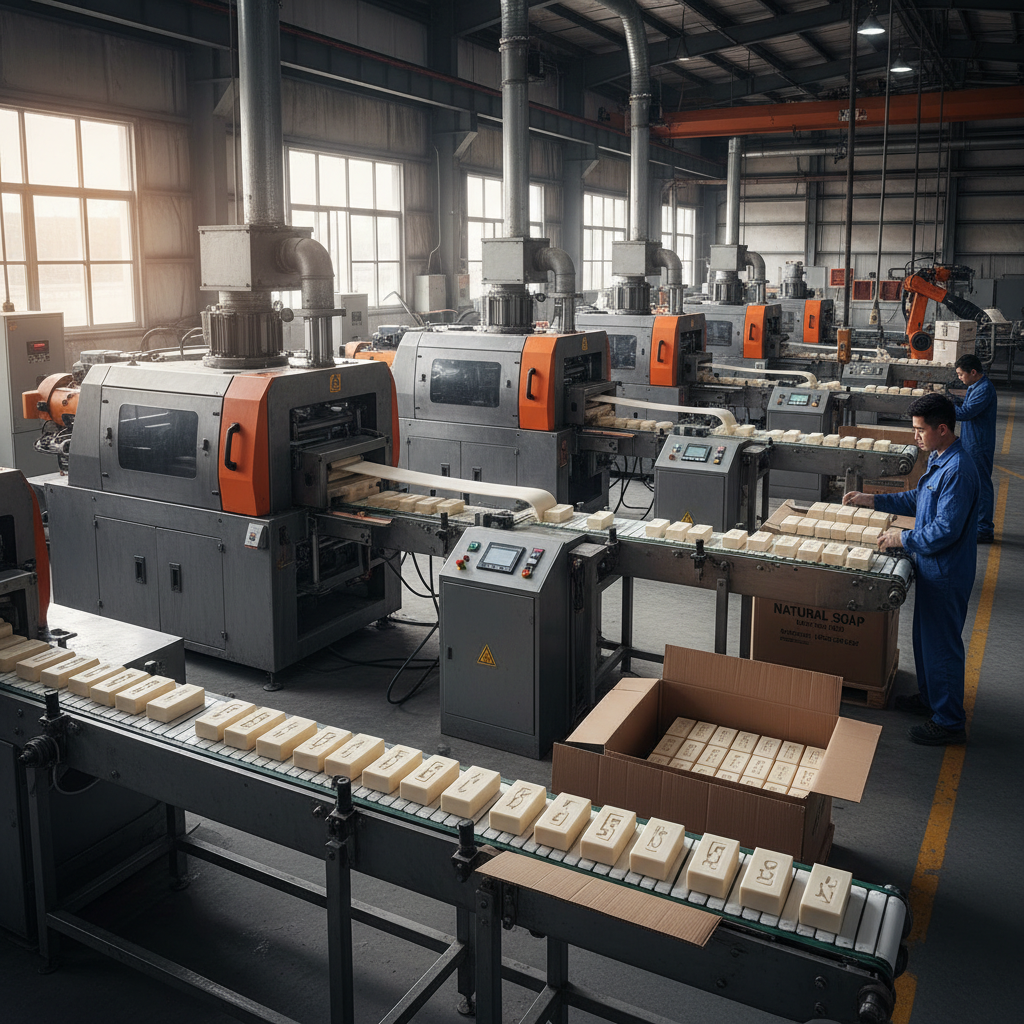
Dispersion Blade Mixer: An Industrial Insider’s Take
If you’ve ever worked around industrial mixing equipment — or even just peeked into a soap or paint manufacturing plant — you know that getting a uniform, finely dispersed mixture is the name of the game. That’s exactly why dispersion blade mixers are such workhorses. Over my 15 years dabbling in industrial equipment and process optimization, they’ve stood out as versatile machines that really nail the tricky part: breaking down powders and pigments into fine, stable suspensions.
Now, many of you who deal with formulation are aware that not all mixers are created equal — oddly enough, even within the same model lines, blade geometry or rpm tweaks can drastically alter the outcome. The dispersion blade mixer, specifically, features uniquely designed rotor-stator configurations that churn materials with precision. These blades typically sit in a close gap to the wall of the vessel, which generates superb shear forces without wasting power on turbulence or cavitation.
One thing I noticed early on (and it’s still true) is the strong emphasis on material and build quality. Most serious industrial users look for blades made from high-grade stainless steel or even special alloys that resist corrosion and abrasion. This isn’t just about longevity — it ensures the product purity remains intact. After all, cross-contamination or rust flakes can ruin batches, especially in sensitive cosmetics or food-grade applications.
From a design perspective, these mixers come with variable speed drives, enabling users to dial in the optimum shear. Frankly, the more control the operator has, the better the dispersion quality—especially when you switch between highly viscous media or run pigment concentrates. It’s not a “one size fits all” deal, so these adjustable features are critical.
| Specification | Details |
|---|---|
| Blade Diameter | 150 - 800 mm |
| Operating Speed | 500 - 3600 RPM |
| Power Range | 0.75 - 15 kW |
| Material | SS316, Duplex Steel, Custom Alloys |
| Application Range | Paints, Inks, Soaps, Food, Cosmetics |
Speaking of food and cosmetics: one of my favorite anecdotes involves a soap manufacturer who switched to a dispersion blade mixer after struggling with lumps and inconsistent pigments for years. They noticed smoother blends and faster cycle times right off the bat. Oddly enough, the energy consumption dropped too, which isn’t always intuitive when you switch technology. But that’s the beauty of efficient shear — doing more with less.
Of course, picking the right vendor is equally important. In my experience, the service and customization options make or break the deal. Here’s a quick look at some popular vendors and how they stack up on various parameters I always check:
| Vendor | Customization | Warranty & Support | Delivery Time | Price Range |
|---|---|---|---|---|
| RS Soap Machine | High (bespoke blades & motors) | 2 years full warranty + onsite | 4 - 6 weeks | $$$ (Mid-High) |
| AlphaMix | Medium (standard blades only) | 1 year limited warranty | 2 - 3 weeks | $$ (Budget) |
| MixPro Solutions | High (custom engineering available) | 1.5 years standard + options | 6 - 8 weeks | $$$ |
What struck me during these comparisons is how vendors like RS Soap Machine really lean into understanding user challenges and don’t just push generic solutions. That custom approach can spare you both material waste and headaches during scale-up.
To round things off: when selecting a dispersion blade mixer, think beyond just specs and price. Assess how well the equipment can be tailored to your product’s quirks — viscosities, batch sizes, ingredients — and how committed the vendor is to support after you’ve plugged it in. In real terms, a great machine backed by excellent support can boost quality and throughput noticeably.
Remember, mixing isn’t just about swirling things together; it’s a precise dance of physics and chemistry, made possible by robust, clever engineering. And frankly, that’s why the dispersion blade mixer remains, for many of us in the field, a trusty companion worth investing in.
If you want to explore more specs or connect with experienced vendors, I recommend checking out the options at RS Soap Machine. They’ve been reliable partners in my past projects, and they tend to do the extra mile with customization and technical support.
— That’s my two cents, drawn from quite a few late nights in busy plant rooms listening to the hum of these mixers!
References:
1. Industry Reports on Mixing Technology, 2022
2. Manufacturer brochures and material specs
3. Anecdotal experiences from weekly plant walks and vendor consultations