Understanding Ultra High Shear Mixers: Applications and Benefits
In numerous industries, achieving a homogenous mixture of liquids, solids, and gases is critical for product quality and process efficiency. Ultra high shear mixers are specialized equipment designed to handle these challenging mixing tasks. This article provides a comprehensive overview of ultra high shear mixers, their key features, applications, and how they contribute to superior results. We'll explore how this technology differs from conventional mixing methods and why it’s becoming increasingly popular across diverse sectors.
What is an Ultra High Shear Mixer?
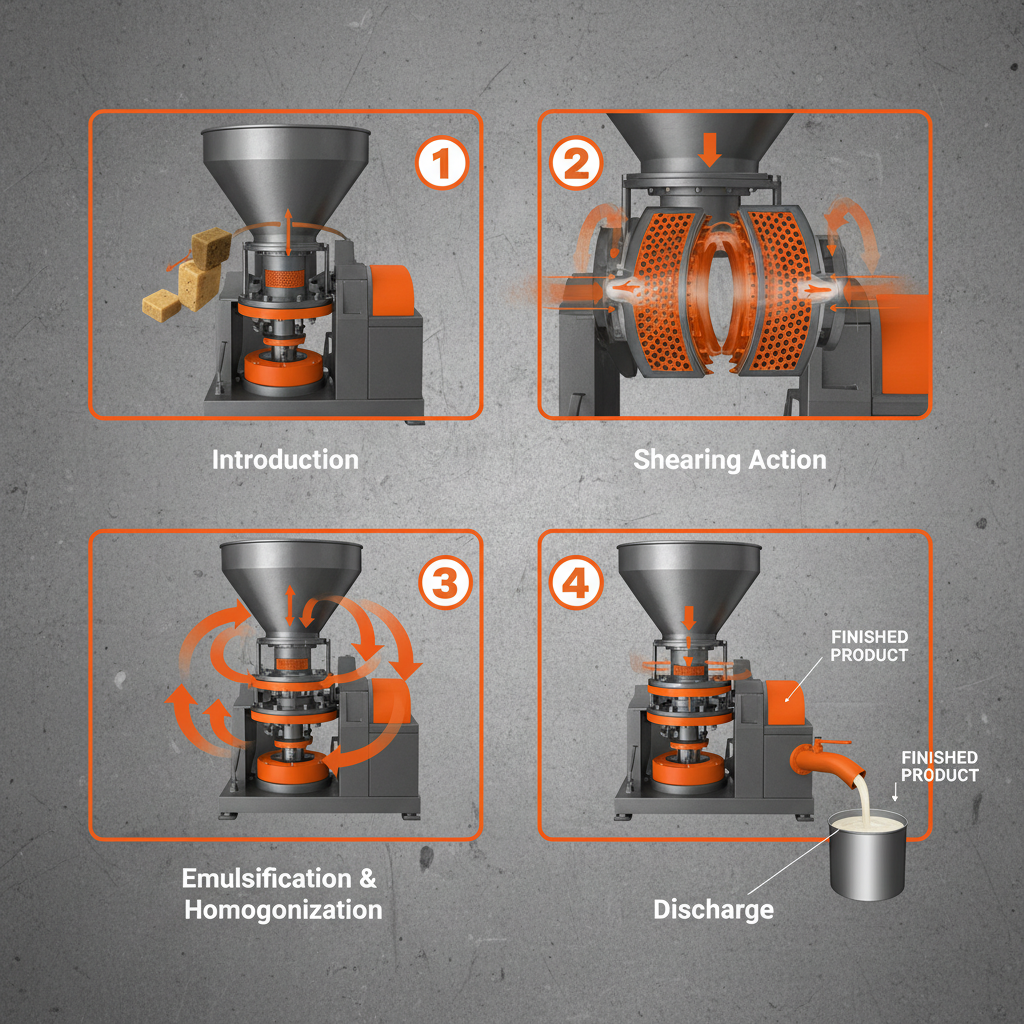
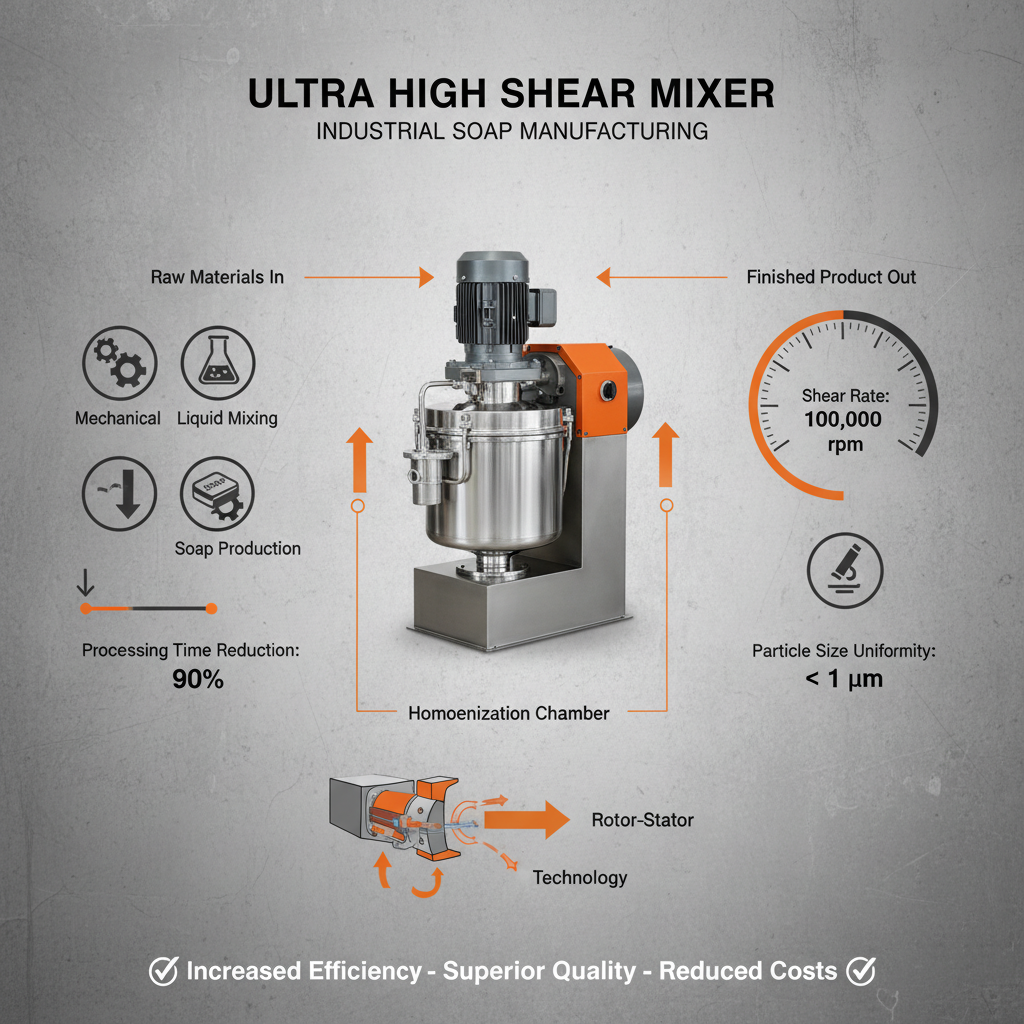
An ultra high shear mixer, also known as a high shear homogenizer, is a machine that utilizes a rapidly rotating rotor-stator assembly to create intense shearing forces within a fluid. These forces break down particle sizes, disperse solids, and create stable emulsions. Unlike traditional mixers that rely on bulk fluid movement, ultra high shear mixers focus on localized high-energy mixing. This technology is vital in applications demanding extremely fine particle sizes or stable, long-lasting mixtures. RS Soap Machine specializes in providing innovative solutions in this field.
Key Highlights: The key is a rapidly rotating rotor-stator assembly that creates intense shearing forces, breaking down particles and creating stable emulsions.
Applications Across Industries
Ultra high shear mixers are versatile and find applications across a broad spectrum of industries. These include: pharmaceuticals (emulsion stabilization, cell disruption), cosmetics (creating smooth creams and lotions), food and beverage (homogenizing milk, sauces, and dressings), chemical processing (dispersing pigments, creating nanoemulsions), and biotechnology (cell lysis, protein extraction). The ability to consistently produce high-quality, homogenous mixtures makes these mixers indispensable in these demanding environments.
Industry Applications:
• Pharmaceuticals: Emulsion stabilization, cell disruption.
• Cosmetics: Creating smooth creams and lotions.
• Food & Beverage: Homogenizing milk, sauces, and dressings.
• Chemical Processing: Dispersing pigments, creating nanoemulsions.
Ultra High Shear Mixer vs. Traditional Mixing: A Comparative Analysis
Traditional mixers, such as propeller mixers and turbine mixers, generate mixing through bulk fluid motion. While effective for blending, they often fall short when it comes to particle size reduction and stable emulsion formation. Ultra high shear mixers, on the other hand, employ intense localized shear forces, resulting in significantly smaller particle sizes and more stable mixtures. This difference is crucial in applications where product consistency and long-term stability are paramount. Choosing the right mixer depends on the specific application and desired outcome.
Selecting the Right Ultra High Shear Mixer
Choosing the optimal ultra high shear mixer requires considering several factors. These include the viscosity of the fluids being mixed, the desired particle size, the throughput requirements, and the operating environment. RS Soap Machine offers a range of mixers tailored to different applications, ensuring you find the perfect solution for your specific needs. Our expert team can assist in selecting the appropriate mixer type and size to maximize efficiency and product quality.
RS Soap Machine: Your Partner in High Shear Mixing Technology
At RS Soap Machine, we are dedicated to providing cutting-edge ultra high shear mixing solutions. Our mixers are engineered for durability, efficiency, and reliability, ensuring long-term performance. We offer both standard and customized mixer designs to meet your unique process requirements. From initial consultation to after-sales support, we are committed to your success.
Conclusion: Unleashing the Power of High Shear Mixing
Investing in an ultra high shear mixer from RS Soap Machine is a strategic decision that can significantly enhance your product quality, process efficiency, and overall profitability. Don’t compromise on mixing performance - choose a solution designed for excellence.
Frequently Asked Questions (FAQs)
What maintenance is required for an ultra high shear mixer?
Regular maintenance is crucial for ensuring the longevity and optimal performance of your ultra high shear mixer. This includes periodic inspection of the rotor-stator assembly for wear and tear, lubrication of bearings, and checking seals for leaks. Following the manufacturer's guidelines for maintenance schedules is highly recommended. It’s also important to clean the mixer thoroughly after each use to prevent buildup of materials. Proper maintenance can significantly extend the lifespan of the equipment and minimize downtime.
What factors influence the shear rate of a mixer?
Several factors affect the shear rate achieved by an ultra high shear mixer. These include the rotor-stator design, the speed of rotation, the viscosity of the fluid, and the gap between the rotor and stator. A smaller gap and higher rotational speed generally result in a higher shear rate. The choice of rotor-stator geometry also plays a significant role; different designs are optimized for specific applications and shear rate requirements.
Can ultra high shear mixers be used with abrasive materials?
Yes, but careful consideration is required. Abrasive materials can cause wear to the rotor-stator assembly. Mixers designed for abrasive applications often utilize hardened materials like tungsten carbide or ceramic to enhance durability. It's also important to monitor the mixer for wear and replace components as needed. RS Soap Machine offers mixers specifically designed for handling abrasive materials.
What is the difference between homogenization and high shear mixing?
While often used interchangeably, homogenization and high shear mixing are slightly different. Homogenization generally refers to reducing particle sizes in a liquid to create a stable emulsion, often involving high pressure. High shear mixing achieves a similar result using intense shear forces. Homogenization is more commonly used for creating very fine and stable emulsions, while high shear mixing is a broader term encompassing various mixing processes utilizing high shear forces. Both techniques aim to improve product consistency and stability.