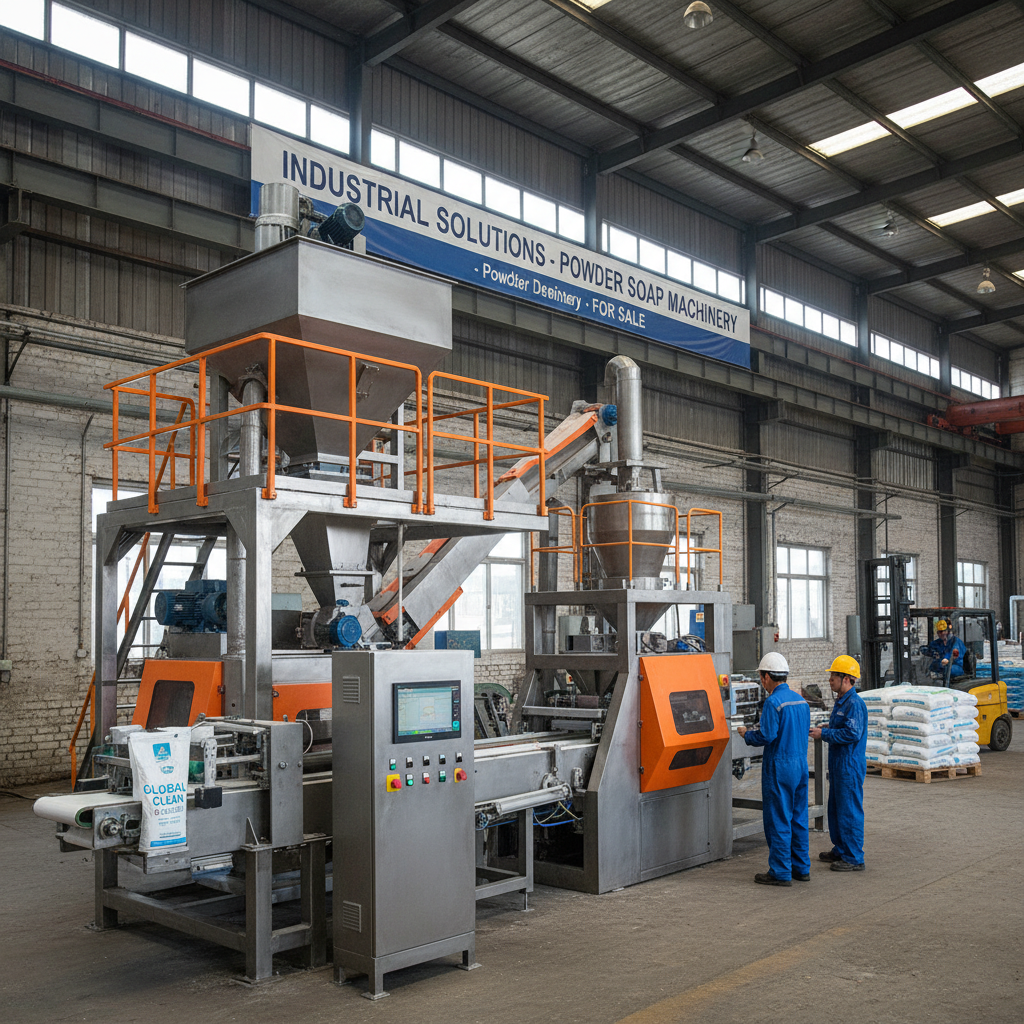
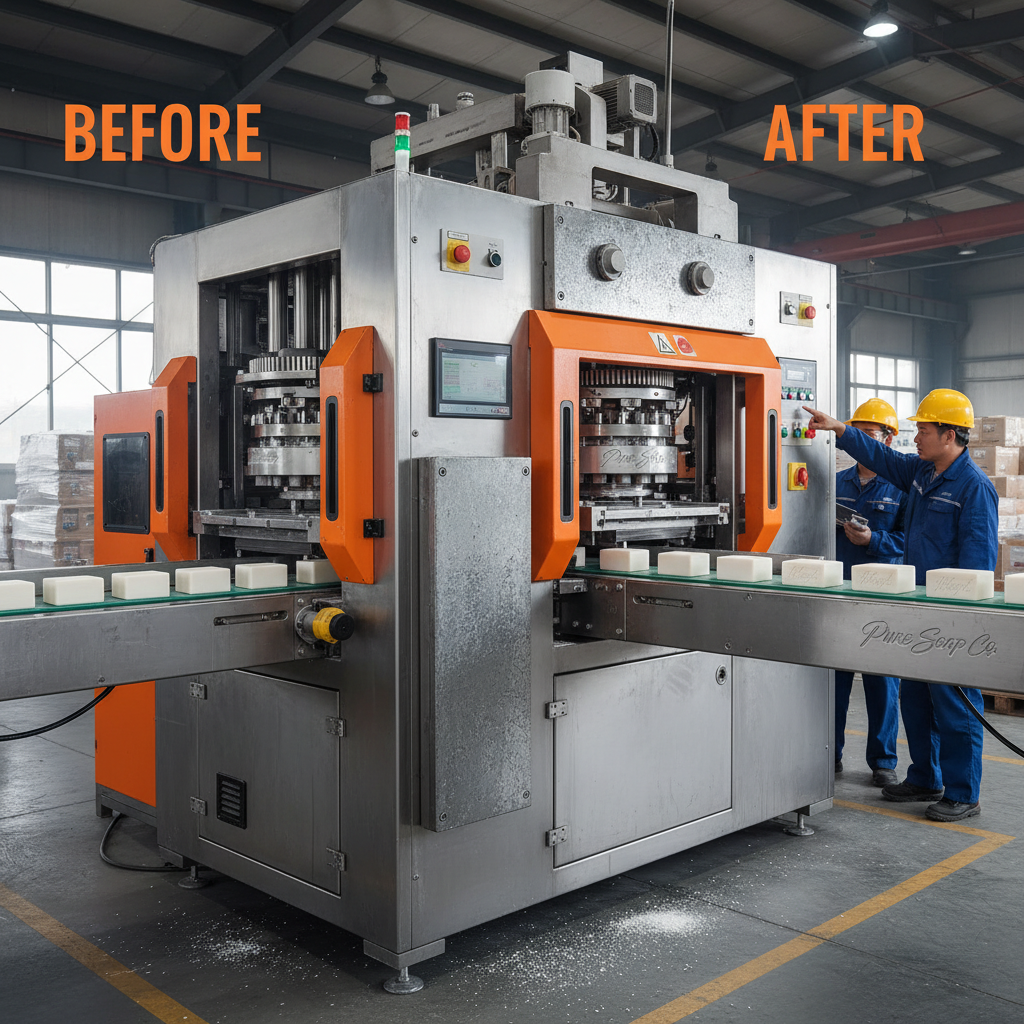
The vacuum plodder is a crucial piece of equipment in numerous industrial processes, particularly within the soap, rubber, and food industries. Its ability to efficiently and consistently mix, de-aerate, and extrude viscous materials makes it indispensable for creating high-quality end products. Understanding its operation, applications, and future developments is vital for maintaining production efficiency and product integrity in a globally competitive market.
Vacuum plodders address a fundamental need in manufacturing: the reliable processing of challenging materials. Traditional mixing methods often struggle with dense, sticky substances, leading to inconsistencies and defects. The vacuum aspect of the plodder significantly improves product quality by removing air bubbles, contributing to a more homogeneous and structurally sound final product. This is particularly important in sectors where product safety and performance are paramount.
The increasing demand for specialized and high-performance materials drives the continued innovation in vacuum plodder technology. From advancements in material science to sophisticated control systems, these machines are becoming more versatile and efficient. Properly implemented, a vacuum plodder can significantly reduce waste, lower production costs, and improve overall product quality, solidifying its place as a core component of modern manufacturing.
The Core Functionality of vacuum plodder
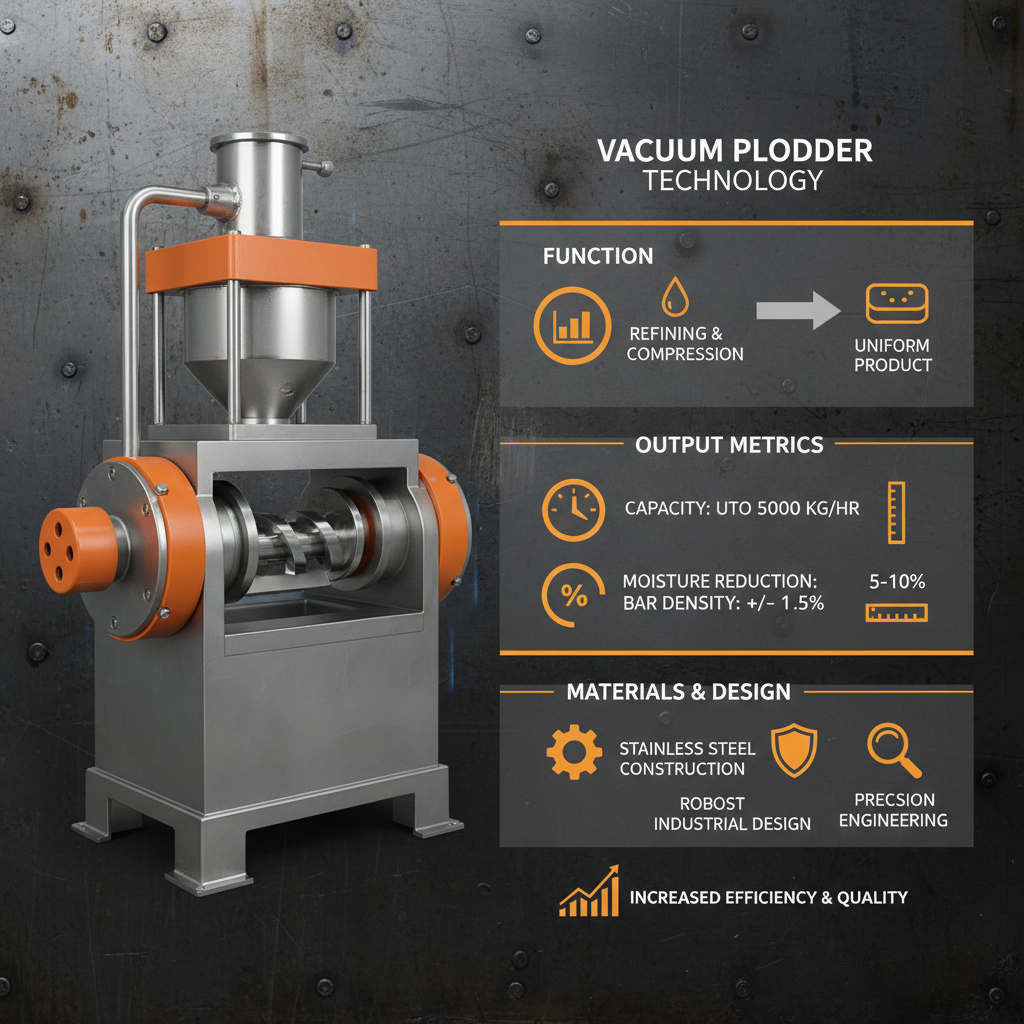
At its heart, a vacuum plodder operates on a simple yet effective principle: the forceful extrusion of a material through a die. However, what sets it apart is the application of a vacuum during the mixing and de-aeration stages. This removes trapped air, resulting in a denser, more homogenous product. The control over screw speed and vacuum pressure allows for precise adjustment to suit different material viscosities and desired product characteristics.
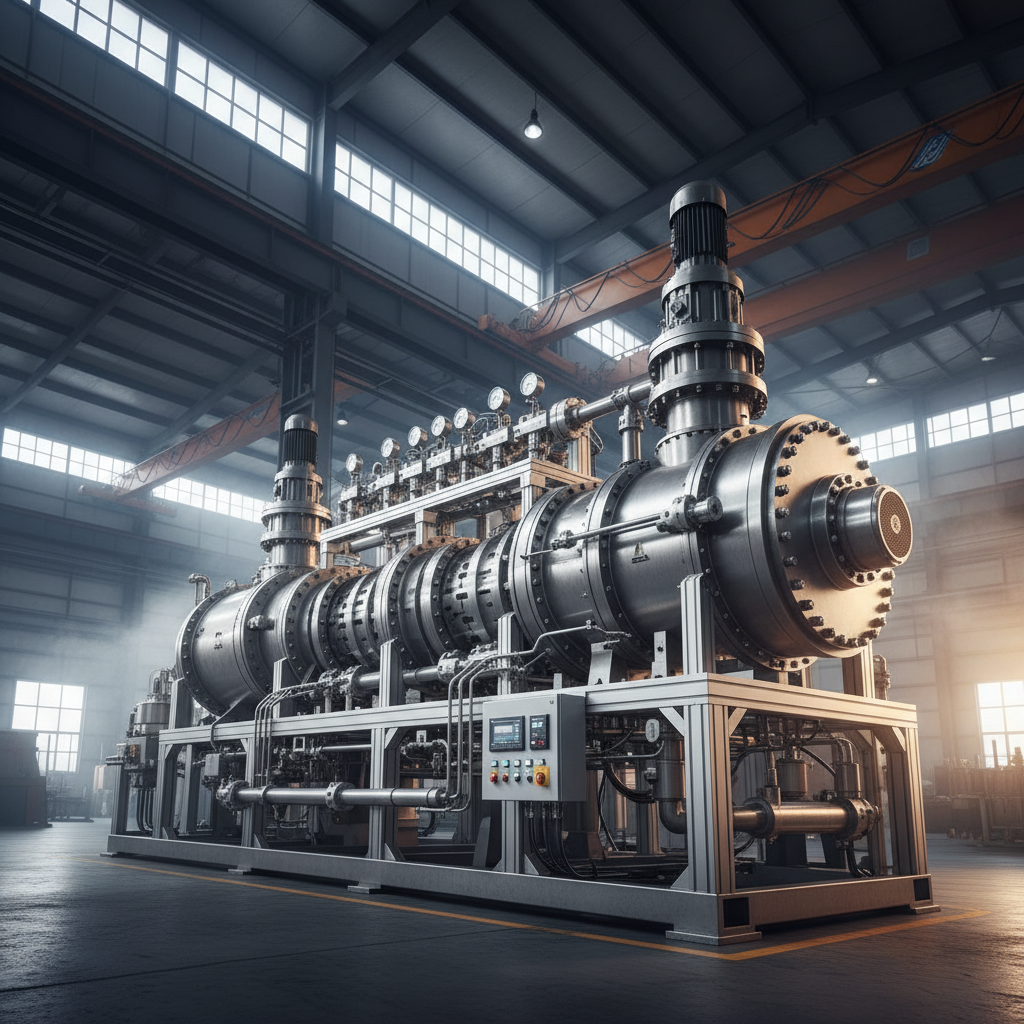
The robust construction of a vacuum plodder contributes to its reliability and longevity. Built to withstand the pressures and abrasive nature of many industrial materials, these machines are designed for continuous operation, minimizing downtime and maximizing productivity. This durability, combined with the efficiency of the vacuum process, makes the vacuum plodder an essential tool for industries relying on consistent product quality.
Global Industrial Relevance
The applications of vacuum plodders span a wide range of industries globally. The soap and detergent industry relies heavily on them for producing high-quality soap noodles and toilet soap bases. The rubber industry uses them for compounding and extruding various rubber compounds. Furthermore, the food industry utilizes vacuum plodders for processing doughs, pastes, and other viscous food products. According to a report by the World Bank, investment in manufacturing equipment, including specialized machinery like vacuum plodders, is positively correlated with economic growth in developing nations.
The ISO 9001 standard, often a benchmark for quality management systems, emphasizes the importance of consistent product quality. Vacuum plodders play a critical role in achieving this consistency, making them a preferred choice for companies seeking certification. The demand for these machines is particularly strong in regions experiencing industrial growth, such as Southeast Asia and Eastern Europe, where manufacturers are striving to meet international quality standards.
The need for efficient and reliable processing equipment is further amplified by global supply chain disruptions. Vacuum plodders, with their robust design and continuous operation capability, contribute to supply chain resilience by minimizing production bottlenecks and ensuring a steady supply of finished goods. This is especially relevant in industries where consistent product availability is critical, like personal hygiene and food processing.
Defining a vacuum plodder
Simply put, a vacuum plodder is a positive displacement machine designed for the intensive mixing, kneading, and de-aeration of highly viscous materials. It consists of a screw that rotates within a cylindrical chamber, forcing the material towards a die at the discharge end. The critical distinction lies in the application of a vacuum within the chamber, which removes air bubbles and improves the material's density and homogeneity.
Its connection to modern industry and humanitarian needs is multifaceted. In industrial settings, it ensures the consistent production of high-quality products. In humanitarian contexts, its ability to process materials for sanitation (soap production) and food preparation can be vital in emergency relief efforts. The machine’s versatility makes it a valuable asset in diverse situations where efficient material processing is essential.
The evolution of the vacuum plodder demonstrates a commitment to refining industrial processes. From its origins as a basic extrusion device, it has been enhanced with sophisticated vacuum systems, precise temperature controls, and automated operation, making it a cornerstone of numerous modern manufacturing lines. Its enduring relevance underscores its fundamental role in processing complex materials effectively.
Key Operational Factors
Several core aspects define the performance and efficiency of a vacuum plodder. Firstly, Durability is paramount. The machine must withstand the abrasive nature of many materials and the continuous stresses of operation. Secondly, Vacuum Efficiency directly impacts product quality. A strong and consistent vacuum is crucial for removing air bubbles effectively.
Thirdly, Screw Design is critical for proper mixing and material conveyance. Different screw configurations are optimized for different materials and processing requirements. Fourthly, Temperature Control is essential for maintaining the material’s desired viscosity and preventing degradation. Fifthly, Control System Sophistication allows for precise adjustment of speed, pressure, and temperature, optimizing performance and consistency. And finally, Maintenance Accessibility is vital to minimize downtime and ensure long-term reliability.
vacuum plodder Performance Metrics
Diverse Global Applications
Vacuum plodders are essential in soap manufacturing plants across the globe, ensuring consistent quality and efficient production. In countries like Indonesia and the Philippines, where soap production is a significant industry, these machines are integral to local economies. They also play a critical role in the production of industrial rubber compounds in automotive manufacturing hubs like Germany and Japan.
In post-disaster relief operations, portable vacuum plodders can be deployed to produce essential sanitation products like soap, improving hygiene and preventing the spread of disease. Similarly, in remote industrial zones where access to high-quality materials is limited, vacuum plodders enable on-site processing of raw materials, reducing transportation costs and ensuring a reliable supply.
The food industry sees applications ranging from the production of confectionery fillings to the processing of dough for baked goods. Numerous bakeries and confectioneries worldwide rely on vacuum plodders to achieve desired textures and consistency in their products, demonstrating the machine's adaptability across diverse sectors.
Advantages and Long-Term Value
The tangible benefits of utilizing a vacuum plodder are substantial. Reduced waste through efficient material processing translates directly into cost savings. Improved product quality and consistency build brand reputation and customer loyalty. Lower energy consumption compared to traditional mixing methods contributes to sustainability. Furthermore, the durability and reliability of these machines minimize downtime and maintenance costs.
Beyond the purely economic advantages, the use of a vacuum plodder enhances safety by reducing operator exposure to hazardous materials and creating a more controlled production environment. The resulting products, free from air pockets and impurities, offer enhanced performance and longevity, fostering trust and innovation within their respective industries.
Future Trends in vacuum plodder Technology
The future of vacuum plodder technology is marked by a drive towards greater automation and integration with Industry 4.0 principles. Expect to see more sophisticated sensors and control systems that optimize performance in real-time, minimizing waste and maximizing efficiency. The use of advanced materials, such as high-strength alloys and corrosion-resistant polymers, will further enhance durability and longevity.
Increasingly, vacuum plodders will be designed with modular components, allowing for greater flexibility and customization to meet specific application requirements. The integration of digital twins—virtual representations of the machine—will enable predictive maintenance and remote troubleshooting, reducing downtime and optimizing operational performance.
Challenges & Solutions
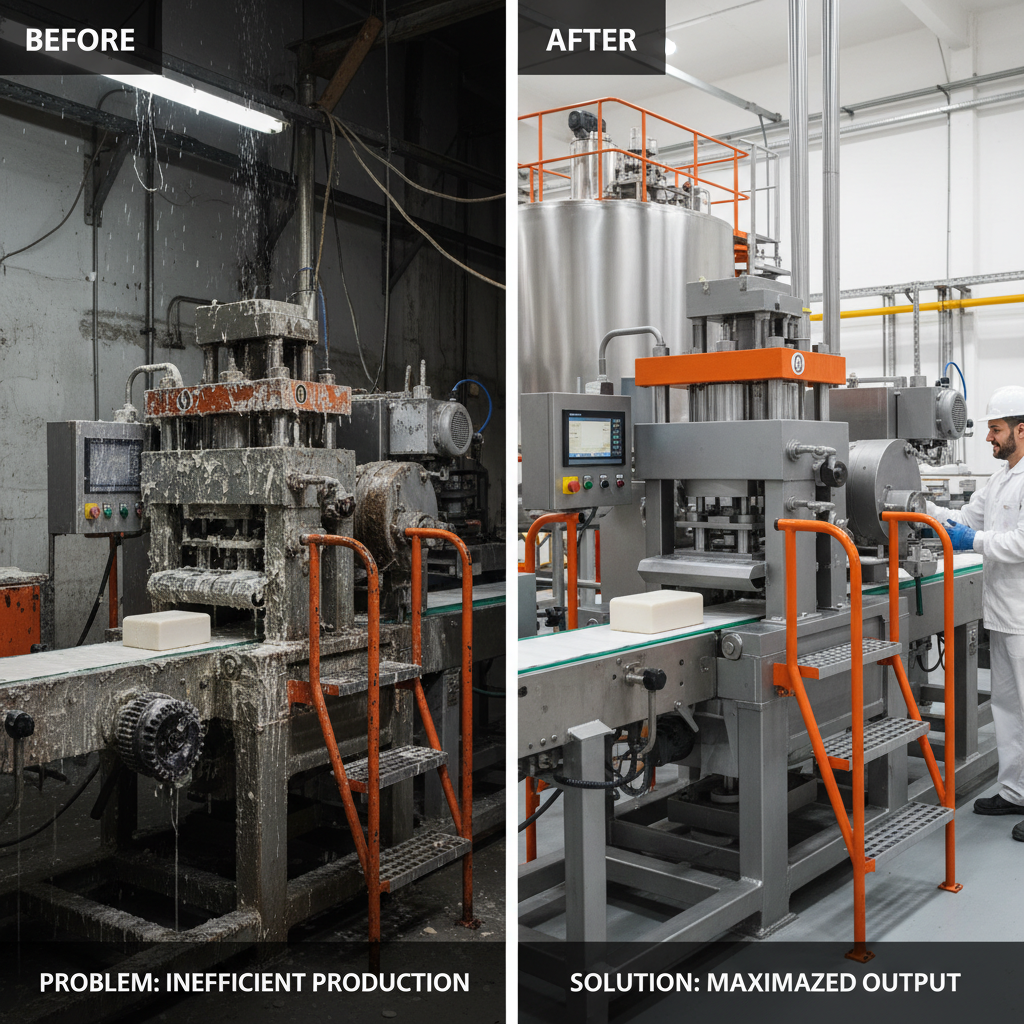
Despite their many advantages, vacuum plodders can face challenges relating to material handling, particularly with highly abrasive or sticky substances. Wear and tear on the screw and chamber can be significant, requiring regular maintenance and replacement. Another challenge lies in optimizing the vacuum level for different materials to achieve optimal de-aeration without damaging the product.
Innovative solutions are addressing these challenges. The development of specialized screw coatings and chamber materials is extending component lifespan. Advanced control algorithms are automatically adjusting vacuum levels based on material properties. And the integration of automated cleaning systems is minimizing downtime and reducing maintenance requirements.
The trend towards Industry 4.0 is also playing a role, with predictive maintenance solutions leveraging sensor data to anticipate and prevent failures before they occur. These advancements are ensuring that vacuum plodders remain a reliable and efficient cornerstone of modern manufacturing.
Core Performance Analysis of Vacuum Plodder Systems
| Material Type |
Vacuum Level (kPa) |
Throughput Rate (kg/hr) |
Product Density (g/cm³) |
| Soap Noodles |
80 |
500 |
1.15 |
| Rubber Compound |
70 |
300 |
1.25 |
| Dough (Bakery) |
60 |
400 |
1.05 |
| Cosmetic Paste |
90 |
250 |
1.10 |
| Food Paste (Filling) |
50 |
350 |
1.00 |
| Silicone Compound |
75 |
200 |
1.30 |
FAQS
Vacuum plodders offer superior de-aeration, leading to denser and more homogeneous products. This is especially crucial in industries like soap and rubber, where air bubbles can compromise product quality. The consistent mixing action also minimizes material waste and ensures uniform consistency, resulting in higher product yields and reduced production costs. Compared to traditional mixing, vacuum plodders deliver a more controlled and efficient process.
Vacuum plodders excel at processing highly viscous and cohesive materials such as soap noodles, rubber compounds, various pastes, and certain types of dough. They are particularly effective with materials that trap air easily, as the vacuum effectively removes these bubbles. Materials with a high moisture content or that require gentle handling also benefit from the controlled mixing action of a vacuum plodder.
The vacuum level directly influences the degree of de-aeration. Higher vacuum levels generally result in denser, more homogenous products with fewer air pockets. However, excessively high vacuum can potentially damage sensitive materials. Optimizing the vacuum level is crucial and depends on the specific material properties. Sophisticated control systems can automatically adjust the vacuum based on these parameters.
Regular maintenance is essential. This includes daily visual inspections, weekly lubrication of moving parts, monthly checks of vacuum seals, and annual inspection of the screw and chamber for wear and tear. Proactive maintenance, including filter cleaning and vacuum pump servicing, can prevent breakdowns and extend the lifespan of the machine. Following the manufacturer’s guidelines is crucial for optimal performance.
Vacuum plodders are generally more energy-efficient than alternative mixing methods, especially for processing highly viscous materials. Reducing energy consumption can be achieved by optimizing screw speed and vacuum levels, utilizing variable frequency drives (VFDs) for motor control, and ensuring proper insulation of the vacuum system. Modern designs also incorporate energy-saving features to minimize overall power usage.
Modern vacuum plodders incorporate various safety features, including emergency stop buttons, safety guards to prevent access to moving parts, vacuum relief valves to protect against overpressure, and interlocks that prevent operation when safety guards are removed. Many also include automated fault detection systems and alarm signals to alert operators of potential hazards.
Conclusion
In conclusion, the vacuum plodder stands as a pivotal piece of equipment in numerous industries, facilitating the efficient and high-quality processing of viscous materials. Its ability to de-aerate, homogenize, and extrude with precision translates into significant cost savings, improved product performance, and enhanced operational safety. From soap manufacturing to rubber compounding and food processing, the versatility of the vacuum plodder continues to make it an indispensable tool for businesses worldwide.
Looking ahead, the integration of advanced technologies, such as Industry 4.0 automation and predictive maintenance, will further enhance the capabilities and reliability of vacuum plodders. As manufacturers increasingly focus on sustainability and efficiency, the demand for these sophisticated machines is expected to grow, solidifying their position as a cornerstone of modern industrial processes. To learn more about how a vacuum plodder can benefit your operations, visit our website today.