Granule Mixer Machine: A Veteran’s Take on Efficiency & Precision
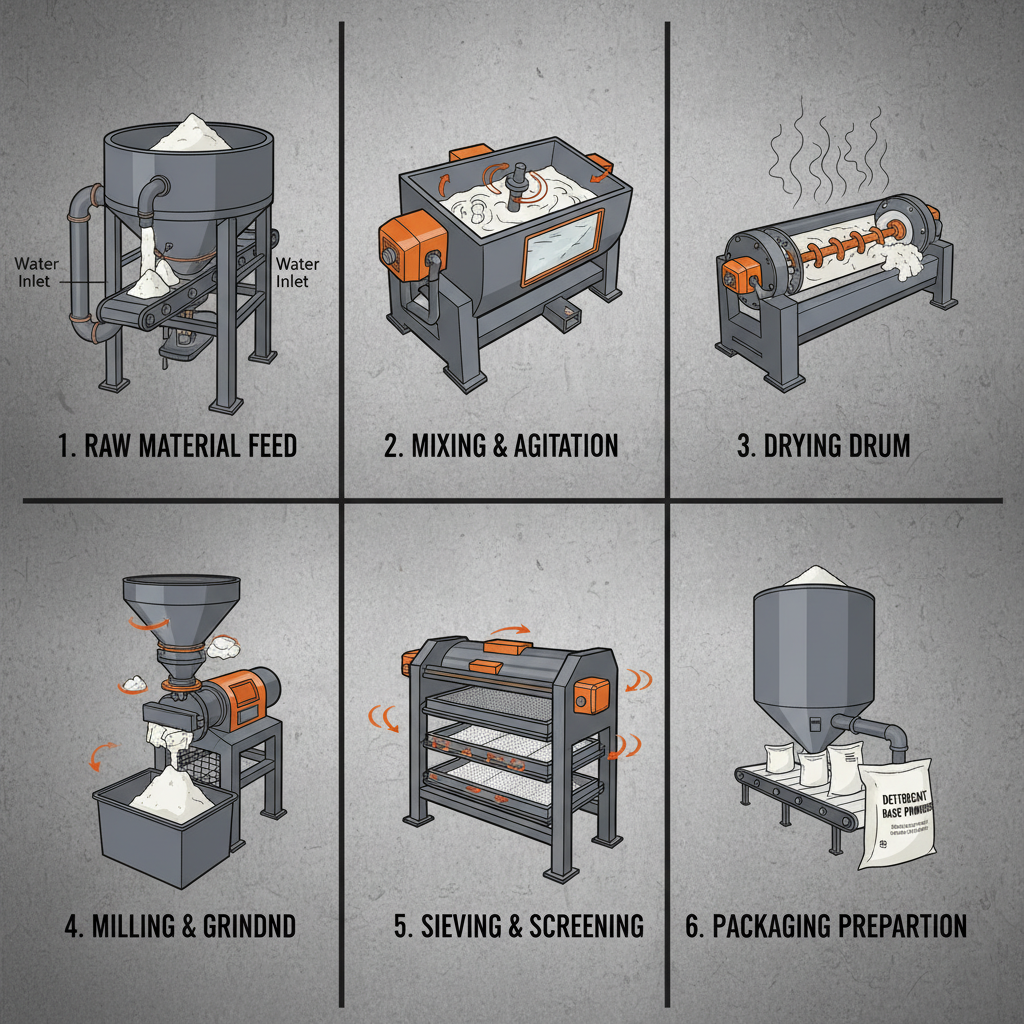
Having spent over a decade working closely with industrial equipment, I can say that the granule mixer machine has genuinely evolved into a backbone piece of machinery in many production lines. Whether you’re blending pharmaceutical powders, food granules, or chemicals, this equipment really defines how well ingredients come together — and oddly enough, how smoothly your entire process flows.
It’s fascinating how, in real terms, something seemingly simple — mixing granules evenly — requires such meticulous design and engineering. I recall one project where we had notorious issues with uneven blends causing quality control headaches. Switching gears to a high-torque granule mixer machine not only solved that but also shaved off about 20% production time. If you’ve ever been on that grind, you’ll appreciate what I’m saying.
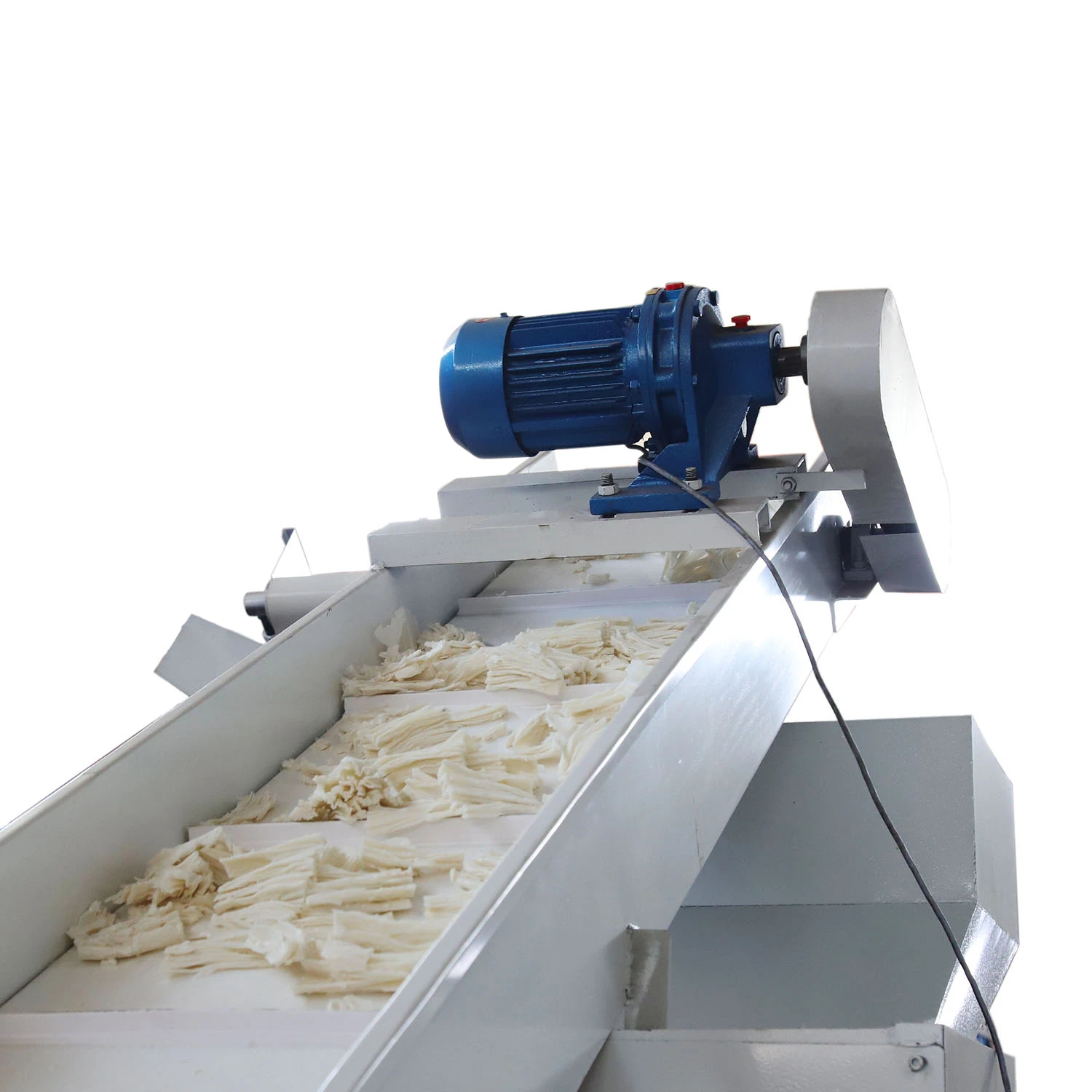
The typical design I’m familiar with is quite robust: stainless steel vats, variable speed motors, and safety sensors that stop the machine if something goes awry. These machines often feature horizontal ribbon or paddle blades designed to achieve homogeneity without degrading fragile granules. I noticed many engineers sort of swear by those ribbon mixers for delicate mixes — they provide a gentle but effective tumble of materials.
| Specification | Details |
|---|---|
| Capacity | 100 - 1000 Liters (customizable) |
| Motor Power | 2 - 15 kW |
| Material | Stainless Steel 304 / 316 |
| Mixer Type | Ribbon Paddle / Double Cone / Paddle Mixer |
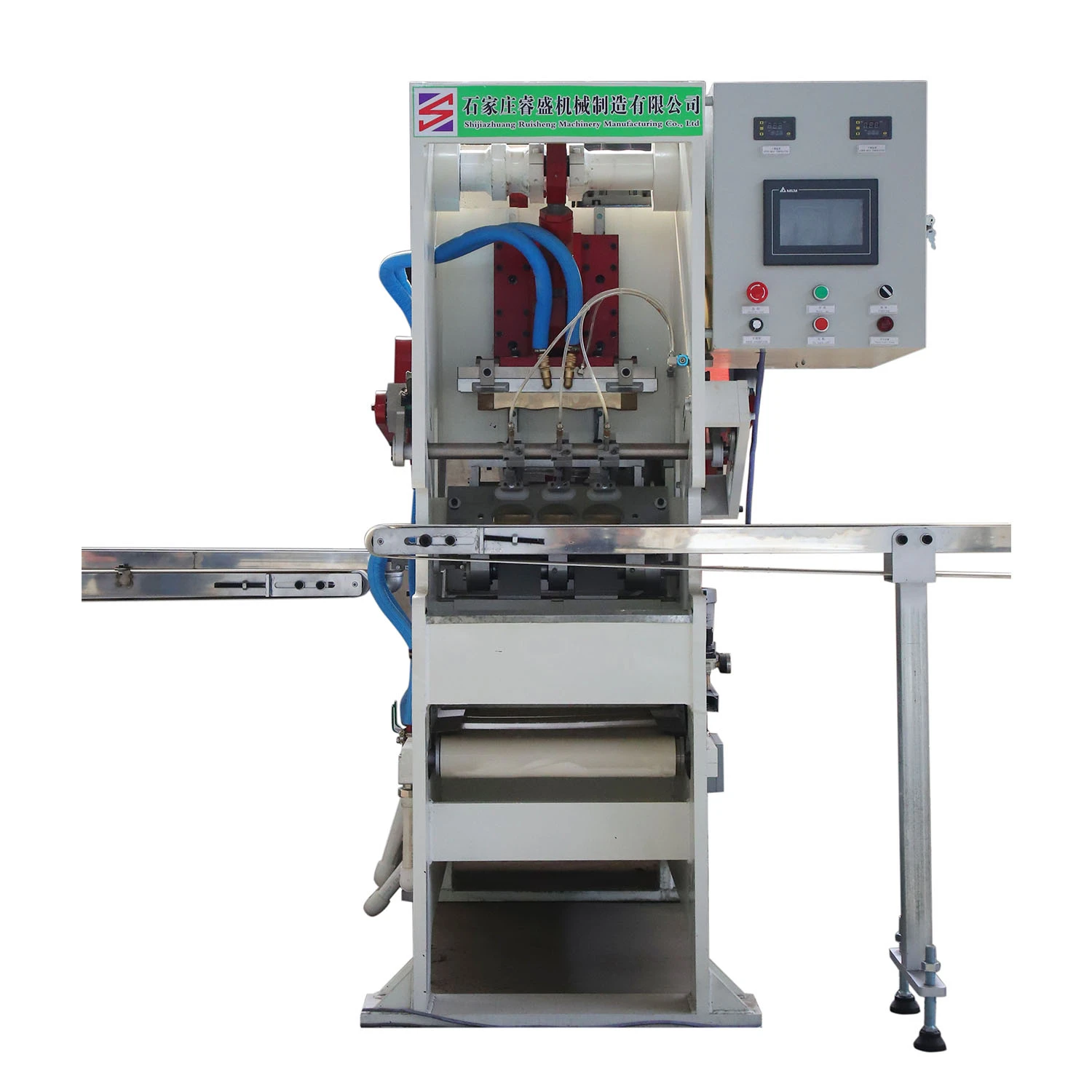
| Control | PLC with touchscreen options |
| Safety Features | Emergency stop, sensor interlocks |
Customization often plays a key role — customers want units tailored to their product’s nature and batch size. I remember working on a food granule mixing line where the humidity levels inside the mixer were a genuine concern. Incorporating a humidity control system during the mixing process made a huge difference, something I didn’t expect to be as crucial at first.
Testing and quality assurance are, frankly, non-negotiable. Each batch is usually sampled for homogeneity, and many setups now integrate inline analyzers or sampling ports that allow quick checks without stopping production. It feels like the industry pushes towards smarter, more connected machines every year.
| Brand | Mixing Type | Price Range | Typical Industries |
|---|---|---|---|
| RS Soap Machine | Ribbon Paddle Mixer | $10,000 - $30,000 | Pharma, Food, Chemicals |
| MixTech Inc. | Double Cone Mixer | $7,000 - $25,000 | Chemical, Cosmetics |
| BlendPro Systems | Paddle Mixer | $12,000 - $35,000 | Food, Pharma, Agriculture |
At the end of the day, I suppose what makes a granule mixer machine stand out is how well it balances power with precision — and how user-friendly it is without compromising safety. Many of my peers agree that investing in a reliable, well-supported supplier like RS Soap Machine is often the smartest move. You get solid build quality, timely service, and the kind of expertise that pays off in avoiding downtime.
Just last year, a client told me that after switching to a modern granule mixer, their reject rates dropped by nearly half. That kind of ROI — it’s what keeps me passionate about this industry. It’s kind of rewarding knowing the machines you recommend make a real difference.
In short: getting your hands on the right granule mixer machine is not only about the specs; it’s about understanding your product, your process, and finding a machine that feels like a partner in production.
Reflection and Final Thoughts
From dusty warehouses to cutting-edge cleanrooms, granule mixing remains a nuanced art. Technology improves, but so does our understanding of what’s truly needed — and I suppose that’s why this industry keeps me intrigued after all these years.
- Industry insights from “Mixing Technology Review,” 2023
- RS Soap Machine product datasheets, 2024
- Personal interviews with plant operators and engineers, 2022-2023