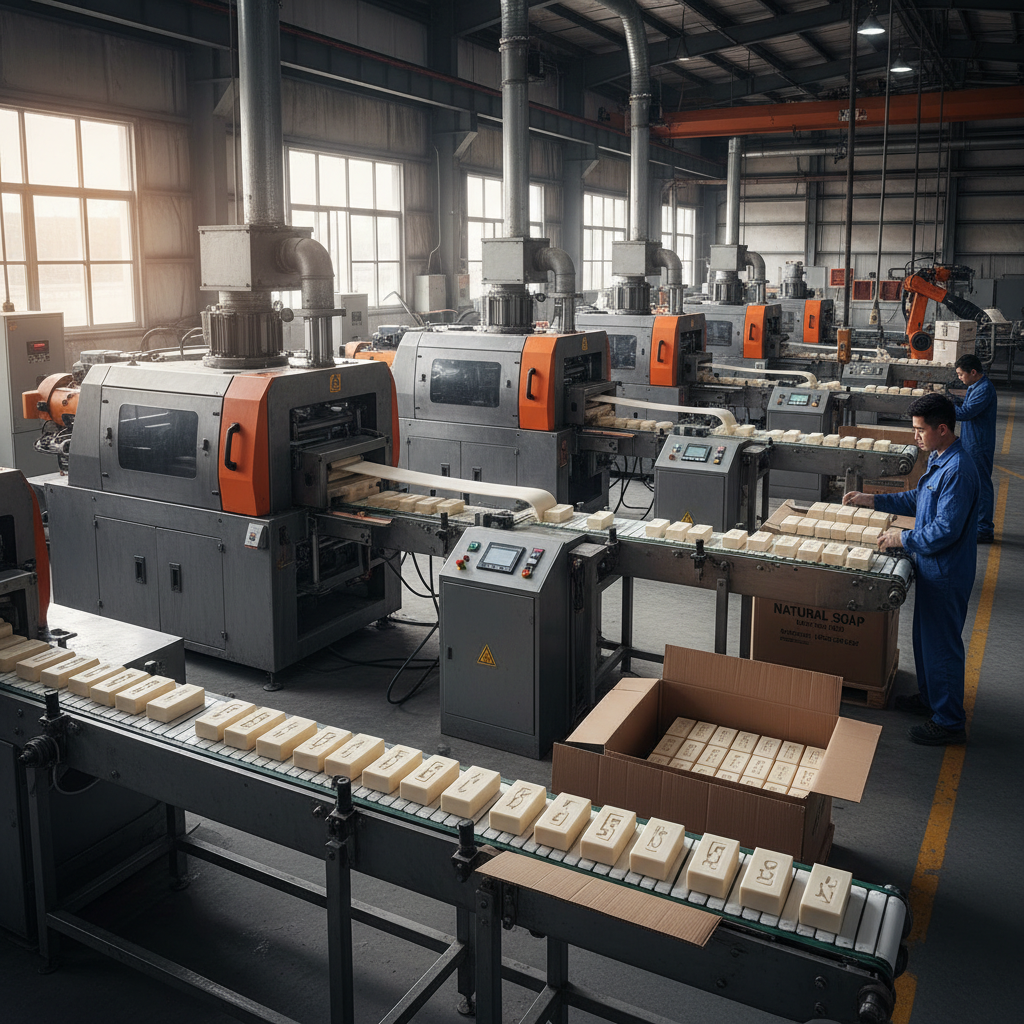
Granule Mixer: A Trusted Workhorse in Industrial Equipment
Having spent quite a few years working closely with industrial machinery, I’ve come to appreciate the subtle yet significant role of the granule mixer in manufacturing processes. From pharmaceuticals to chemicals and even food production, this piece of equipment quietly ensures homogeneity and quality — something that often goes unnoticed until it’s not working properly.
In real terms, a granule mixer basically blends powdery or granular substances to create a uniformly mixed product. What’s interesting is the sheer variety in design, capacity, and application. Back when I first encountered these machines, I was surprised how different brands could vary so much in build quality and mixing technology. But one thing remained constant: reliability and consistency are king.
Let’s dive a bit deeper into what makes a granule mixer tick. Most commonly, these mixers use a rotating drum or container where granules are tumbled and mixed. The mixing action is gentle enough to prevent breaking powders but thorough enough to avoid segregation—a tricky balance indeed.
One thing many engineers I know swear by is the importance of material selection for the mixer’s contact parts. Stainless steel is the go-to, not just because it’s corrosion-resistant but also for ease of cleaning and compliance with hygiene standards, especially in food and pharma sectors. Oddly enough, even slight roughness inside the drum can affect mixing quality.
| Specification | Details |
|---|---|
| Mixing Capacity | 50 - 2000 kg |
| Material | Food-grade stainless steel |
| Mixing Time | 5 - 15 minutes |
| Motor Power | 1.5 - 7.5 kW |
| Loading Type | Manual or automatic |
Customization is another aspect worth mentioning. Nowadays, vendors often offer granule mixers with advanced features like variable speed control, PID temperature controls, and even automation options for integration with upstream and downstream machines. It’s kind of amazing how these older technologies keep evolving.
Speaking of vendors, since many companies claim to have the “best” mixer, here’s a quick comparison I’ve put together based on real-world feedback and specifications—helps when you’re on the fence about which partner to pick.
| Vendor | Mixing Capacity | Customization | Price Range | Lead Time |
|---|---|---|---|---|
| RS Soap Machine | 50 - 2000 kg | High (custom specs, automation) | $$$ | 4-6 weeks |
| MixPro Industries | 100 - 1500 kg | Moderate (standard options) | $$ | 6-8 weeks |
| BlendTech Solutions | 200 - 2500 kg | Low (off-the-shelf) | $$ | 3-5 weeks |
In my experience, what often tips the balance is not only specs but the vendor’s responsiveness and willingness to tweak designs for your unique process. I recall a client who wanted a mixer that could handle delicate herbal granules without crushing them — RS Soap Machine delivered beautifully on that front, with a customized mixing capsule that slowed the rotation speed just enough. The client was over the moon.
Testing and validation play a huge role here too. The best companies regularly run trial batches for customers, adjusting parameters and ensuring the machine’s reproducibility before delivery. Because honestly, in industrial operations, downtime is costly and trust is earned by consistency.
All said, a granule mixer feels like one of those unsung heroes: not flashy, but utterly essential. For those on the lookout, I’d suggest paying close attention to build quality, vendor flexibility, and service after purchase. Those details will save headaches down the line.
So if you’re considering one for your production line, and want something reliable with customization available, checking out what's on the RS Soap Machine site might just be worth a click.
Here’s hoping you find the right gear that keeps your processes humming smoothly!
- “Industrial Mixing Principles,” Perry’s Chemical Engineers’ Handbook
- Personal interviews with manufacturing engineers, 2018-2023
- RS Soap Machine product manuals and user testimonials