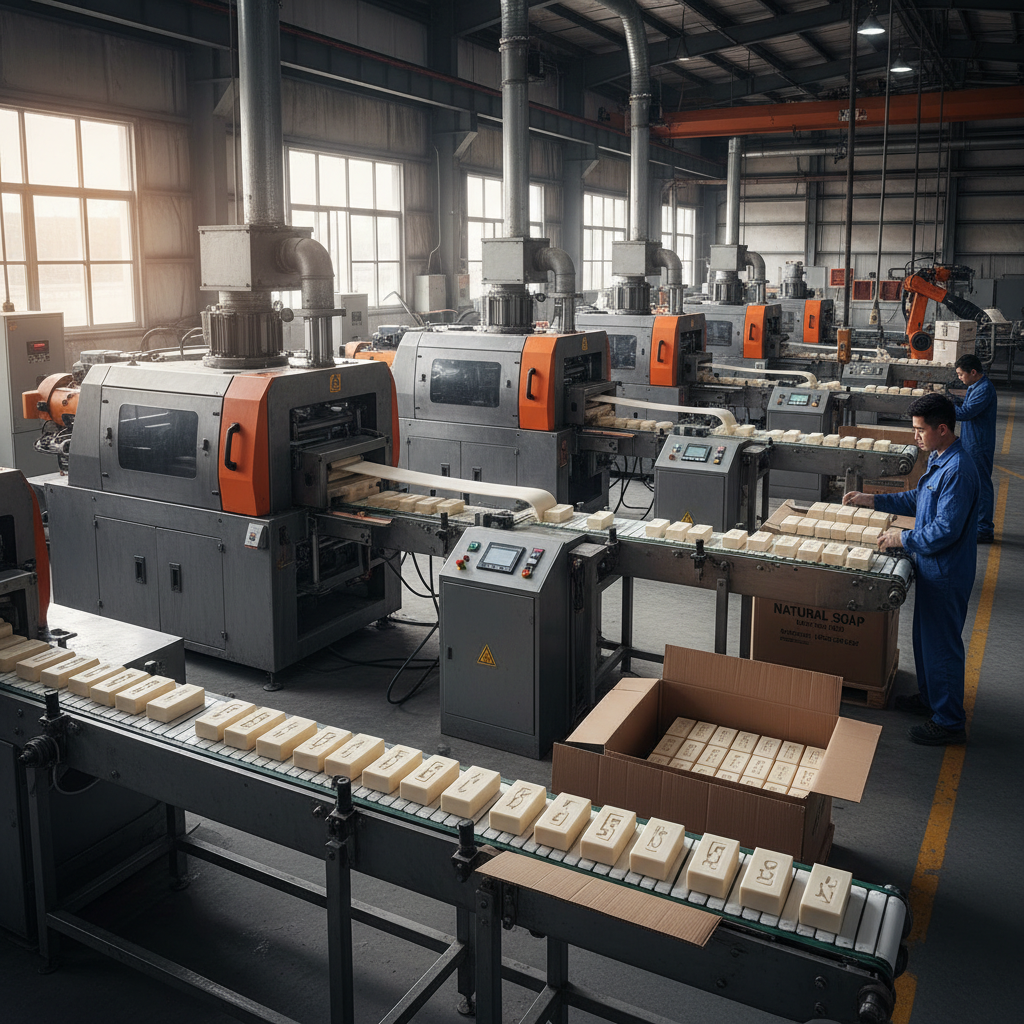
Understanding Vacuum Emulsifying Machines: A Comprehensive Guide
In the realm of cosmetic, pharmaceutical, and food processing industries, achieving consistent and high-quality emulsions is paramount. This is where vacuum emulsifying machines play a crucial role. These sophisticated pieces of equipment are designed to create stable, homogeneous mixtures through the application of vacuum and high-shear mixing. This article provides a detailed exploration of vacuum emulsifying machines, their principles, applications, benefits, and factors to consider when selecting one. We'll delve into why these machines are essential for product quality and efficiency.
The Core Principles of Vacuum Emulsification
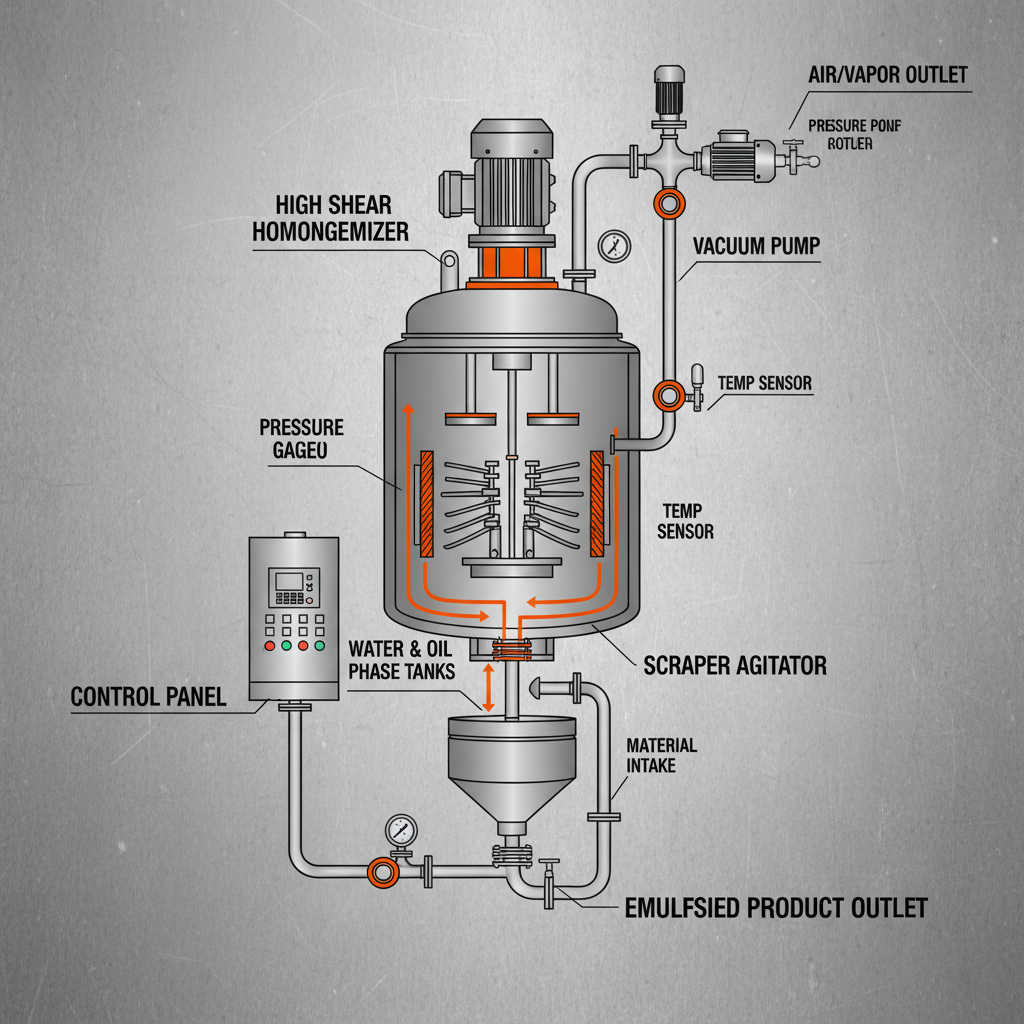
Vacuum emulsification is a process that combines two or more immiscible liquids (like oil and water) into a stable emulsion. Unlike traditional mixing methods, it utilizes a vacuum to remove air bubbles introduced during the mixing process. This is critical because air bubbles can lead to oxidation, instability, and a less desirable product appearance. The machine achieves emulsification through a combination of high-shear mixing and the vacuum. The high-shear mixing breaks down the liquid droplets into smaller sizes, increasing the surface area for interaction. The vacuum then draws out any entrapped air, leading to a finer, more stable emulsion. RS Soap Machine's vacuum emulsifying machines are renowned for their precision and efficiency in achieving this process.
Key Benefits: Reduced oxidation, improved product stability, finer emulsion particle size, enhanced product appearance, and increased shelf life.
Applications Across Industries
The versatility of vacuum emulsifying machines makes them indispensable across a broad spectrum of industries. In the cosmetics industry, they are used to create lotions, creams, sunscreens, and foundations. In the pharmaceutical industry, they facilitate the production of emulsions for topical and injectable medications. The food industry utilizes these machines for mayonnaise, sauces, dressings, and other emulsified products. Beyond these, they find applications in the manufacturing of paints, adhesives, and various other chemical products. Their ability to deliver consistent, high-quality emulsions makes them a critical asset for manufacturers across these diverse sectors.
Industry Specific Uses:
• Cosmetics: Creams, lotions, serums, makeup.
• Pharmaceuticals: Topical creams, intravenous emulsions.
• Food & Beverage: Mayonnaise, salad dressings, sauces.
• Chemicals: Adhesives, coatings, specialized fluids.
Vacuum Emulsifying Machine: Key Features and Components
A typical vacuum emulsifying machine comprises several key components working in synergy. These include: a mixing vessel (often double-jacketed for temperature control), a high-shear mixer (homogenizer), a vacuum pump, a control system, and often a PLC for automation. The mixing vessel is where the ingredients are combined. The high-shear mixer ensures thorough mixing and reduces particle size. The vacuum pump removes air, preventing oxidation and creating a stable emulsion. The control system allows for precise control of mixing speed, temperature, and vacuum levels. The choice of materials (typically stainless steel) is crucial for hygiene and durability. RS Soap Machine offers customization options to tailor these components to specific production needs.
Selecting the Right Vacuum Emulsifying Machine for Your Needs
Choosing the right vacuum emulsifying machine requires careful consideration of several factors. Capacity is a primary concern – how much product do you need to process per batch? Viscosity of the ingredients will influence the required mixing power. The type of emulsion you are creating (oil-in-water, water-in-oil, etc.) will determine the optimal mixing and vacuum parameters. Also, consider the level of automation required and the available space in your facility. Finally, prioritize a reputable manufacturer with strong customer support and a track record of reliability.
Benefits of Investing in a Vacuum Emulsifying Machine
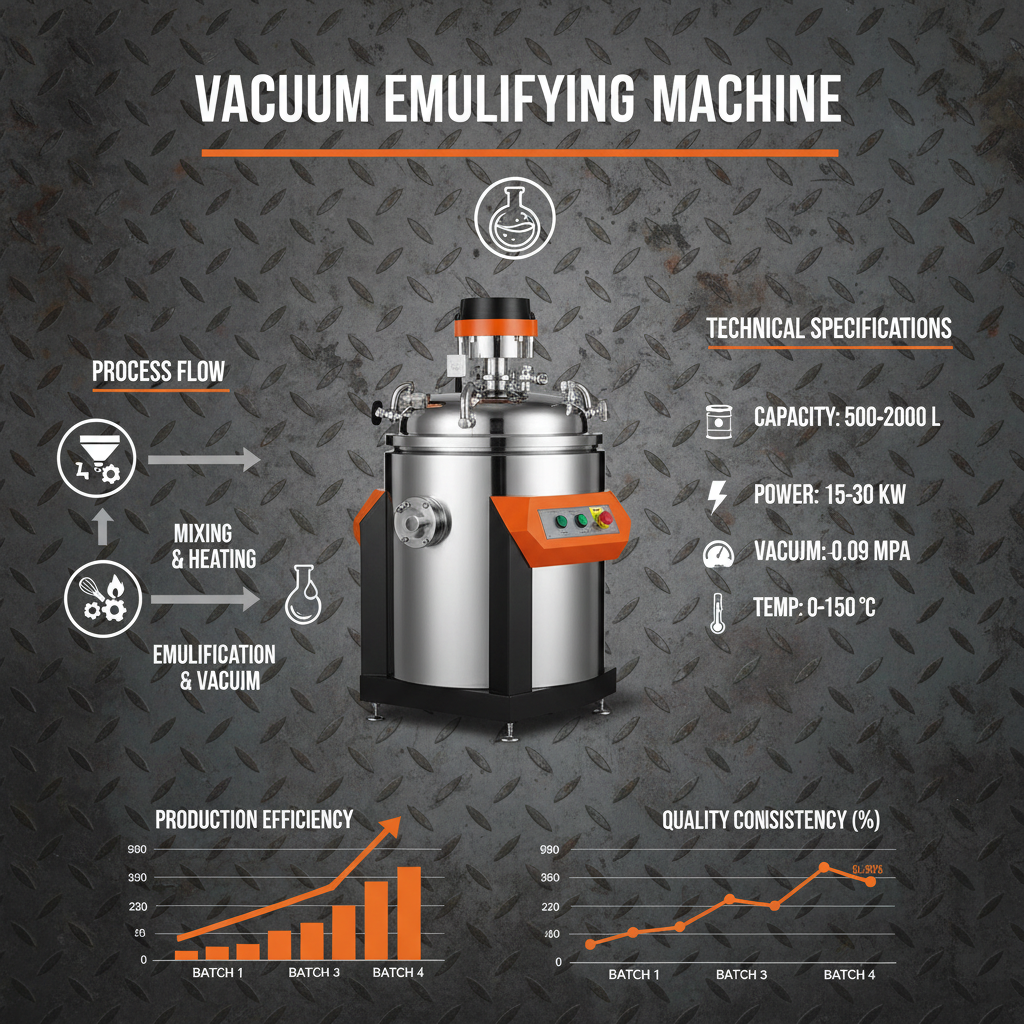
Investing in a vacuum emulsifying machine offers significant advantages. The enhanced product quality, increased stability, and extended shelf life lead to greater customer satisfaction. The efficiency gains from reduced processing time and minimized waste translate to lower production costs. Furthermore, the ability to create consistent, high-quality emulsions streamlines production processes and simplifies quality control. These benefits collectively contribute to improved profitability and a stronger competitive position in the market. RS Soap Machine provides machines that deliver these results consistently.
Conclusion: Elevate Your Emulsification Process
The vacuum emulsifying machine is an essential investment for any company looking to produce high-quality emulsions consistently and efficiently. From cosmetics to pharmaceuticals, these machines provide unparalleled benefits in terms of product stability, appearance, and shelf life. By choosing a reliable supplier and considering your specific needs, you can unlock the full potential of vacuum emulsification technology.
Frequently Asked Questions (FAQs)
What is the ideal vacuum level for optimal emulsification?
The optimal vacuum level depends on the specific formulation and the desired emulsion quality. Generally, a vacuum between 50-100 mbar is sufficient for most applications. However, for highly sensitive formulations or those prone to oxidation, a deeper vacuum of 20-50 mbar may be necessary. It’s important to experiment to find the sweet spot for your specific process. The goal is to remove air bubbles without causing excessive foaming or damage to the ingredients. RS Soap Machine's machines allow for precise vacuum control.
How do I clean and maintain a vacuum emulsifying machine?
Regular cleaning and maintenance are crucial for ensuring the longevity and performance of your machine. After each batch, thoroughly clean the mixing vessel, mixer, and all contact parts with appropriate cleaning agents. Pay close attention to areas where product residue can accumulate. Inspect the vacuum pump and filter regularly, replacing them as needed. Lubricate moving parts according to the manufacturer’s recommendations. Following a preventative maintenance schedule will minimize downtime and maximize efficiency.
What are the common challenges in vacuum emulsification?
Some common challenges include foaming, emulsion instability, and ingredient incompatibility. Foaming can be mitigated by controlling the vacuum level and mixing speed. Emulsion instability can be addressed by optimizing the formulation and adjusting the mixing parameters. Ingredient incompatibility requires careful selection of emulsifiers and stabilizers. Proper process control and a thorough understanding of the ingredients are essential for overcoming these challenges. RS Soap Machine offers expert support to help you navigate these challenges.
What types of materials are commonly used in vacuum emulsifying machines?
Stainless steel (typically 304 or 316) is the most common material used for the mixing vessel, mixer, and contact parts due to its corrosion resistance, hygiene, and durability. The vacuum pump often utilizes other materials depending on the specific design. Seals and gaskets are typically made from materials like silicone or PTFE to ensure a tight seal and prevent leakage. The choice of materials is critical for maintaining product quality and ensuring compliance with industry regulations.