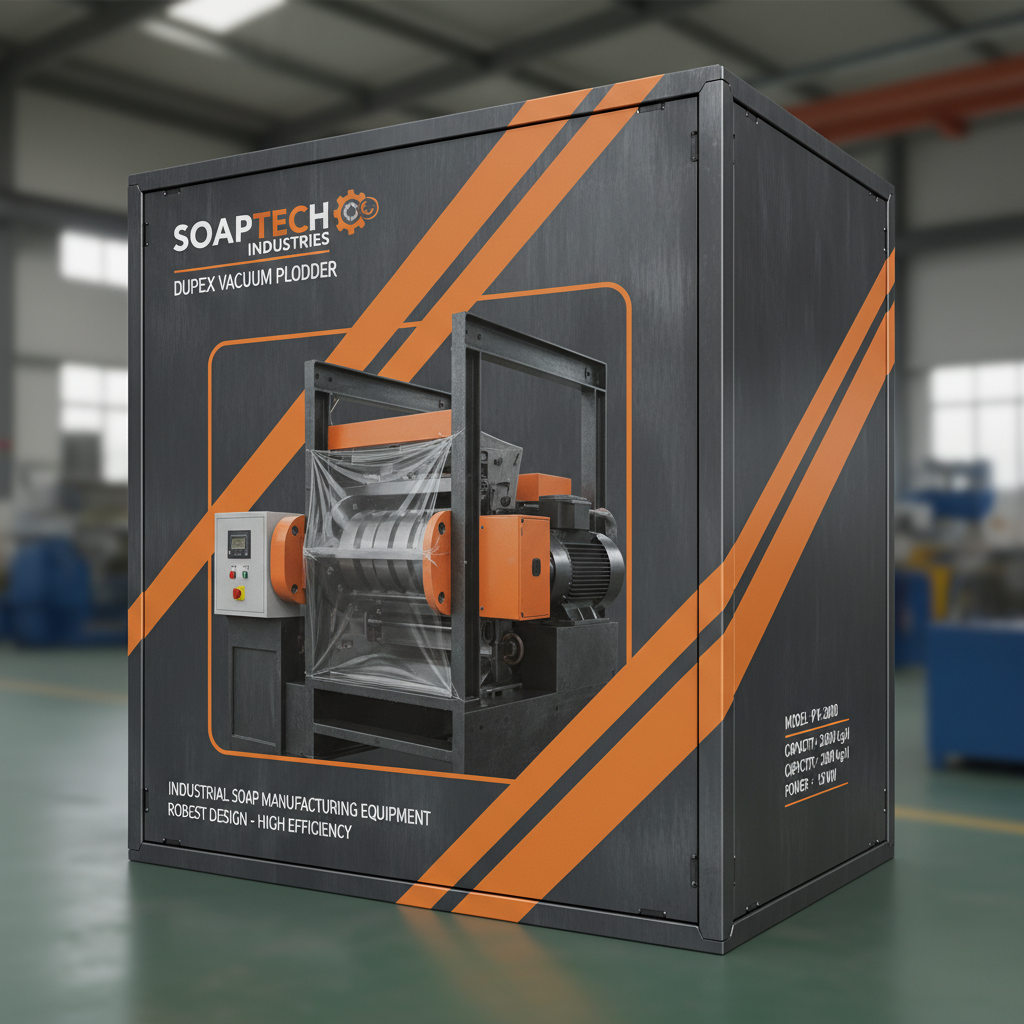
The vacuum extruder machine represents a crucial advancement in materials processing, particularly within the plastics, rubber, and food industries. Its ability to efficiently and consistently mix, degas, and extrude a wide range of materials makes it an indispensable tool for modern manufacturing. Understanding the nuances of vacuum extruder machine technology is vital for engineers, production managers, and researchers aiming to optimize product quality and reduce production costs.
Globally, the demand for high-quality extruded products is steadily increasing, driven by growth in sectors like automotive, packaging, and construction. This demand necessitates continuous innovation in extrusion technologies, with a strong focus on improving efficiency, sustainability, and material compatibility. The vacuum extruder machine addresses these demands by offering superior control over the extrusion process, leading to products with enhanced properties and reduced environmental impact.
The increasing complexity of materials and the need for customized solutions are further fueling the adoption of vacuum extruder machines. Companies are seeking technologies that can handle diverse formulations, maintain strict quality control, and enable rapid prototyping. This makes the vacuum extruder machine a critical component in maintaining competitive advantage in today’s dynamic global market.
The Core Principles of Vacuum Extruder Machine
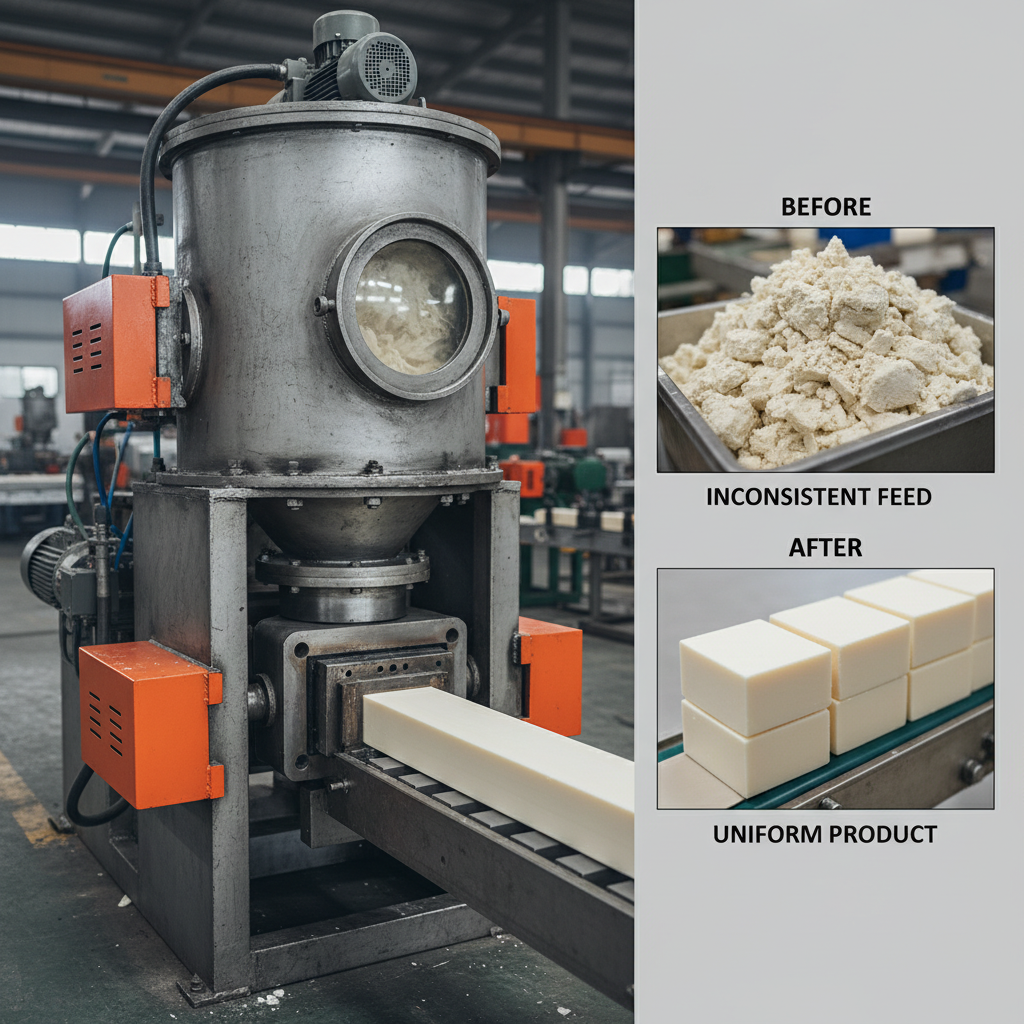
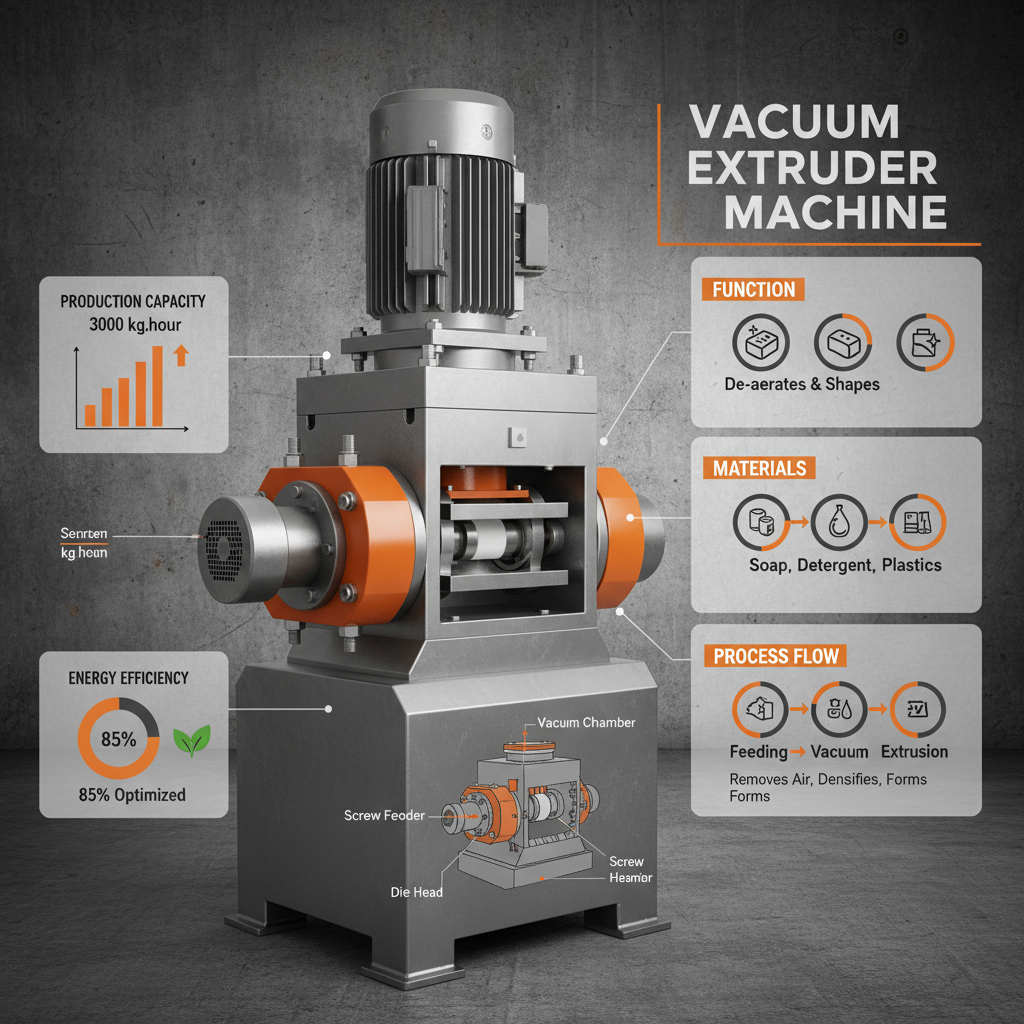
At its core, a vacuum extruder machine operates on the principle of forcing a material through a die using a combination of screw rotation and vacuum pressure. The vacuum component is crucial, as it removes trapped gases and moisture from the material during the extrusion process. This results in a denser, more homogenous product with improved mechanical properties.
The efficiency of a vacuum extruder machine is directly related to its ability to maintain a consistent vacuum level throughout the extrusion barrel. Precise control of temperature, screw speed, and vacuum pressure are all essential for achieving optimal results. Utilizing a vacuum extruder machine ensures a consistent and high-quality product.
Global Market Dynamics of Vacuum Extruders
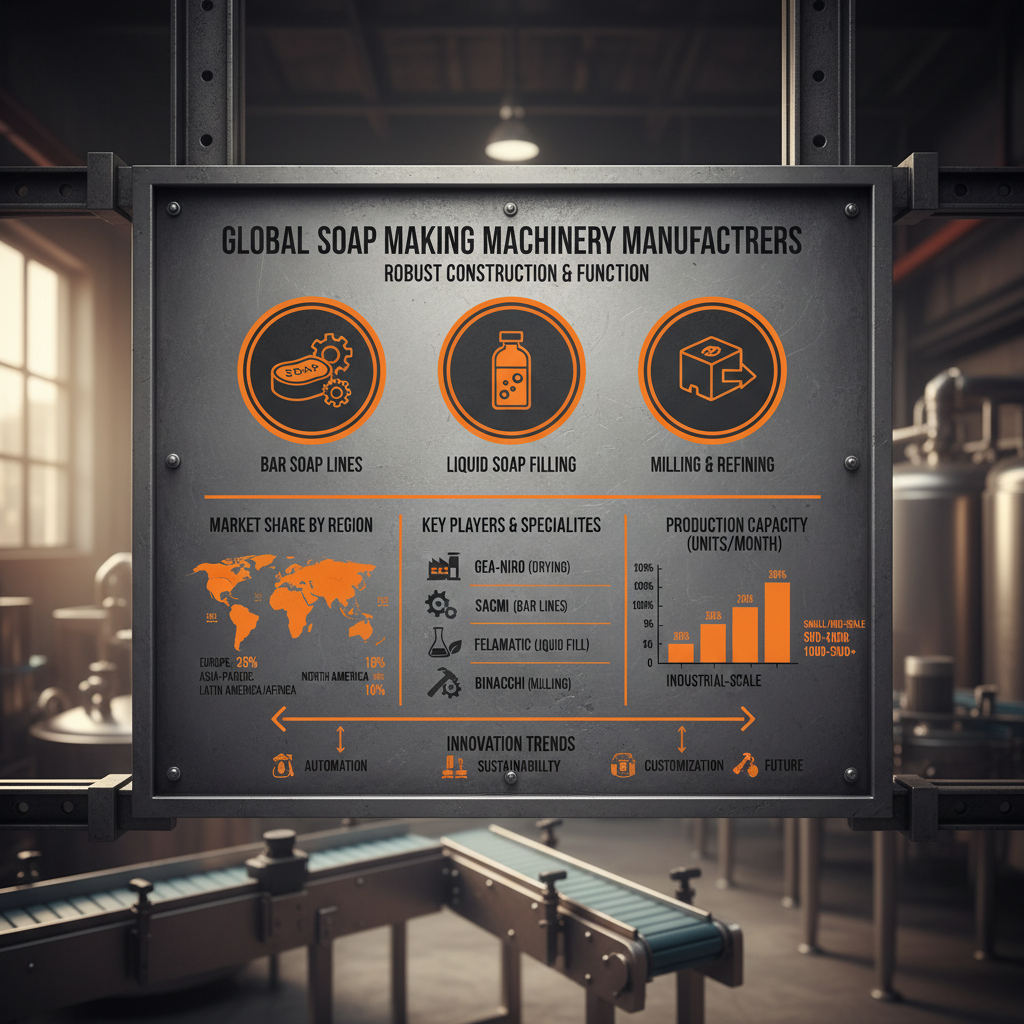
The global market for vacuum extruders is experiencing significant growth, driven by increasing demand from the plastics processing industry, particularly in emerging economies. Asia-Pacific is currently the largest market, accounting for a substantial share of global demand, followed by North America and Europe. According to a recent report by the United Nations Industrial Development Organization (UNIDO), the demand for advanced plastics processing technologies is expected to increase by 6-8% annually over the next five years.
This growth is fueled by factors such as rising disposable incomes, increasing urbanization, and the expansion of end-use industries like packaging, automotive, and construction. Furthermore, the growing emphasis on sustainability and the circular economy is driving demand for vacuum extruders capable of processing recycled materials.
However, the market is also facing challenges such as fluctuating raw material prices, stringent environmental regulations, and the need for skilled operators. Companies that can address these challenges and offer innovative, cost-effective solutions are well-positioned to succeed in the competitive global market.
Defining a Vacuum Extruder Machine
A vacuum extruder machine is a specialized type of extruder designed to remove air and volatile compounds from materials during the extrusion process. Unlike conventional extruders, which rely solely on mechanical force, a vacuum extruder utilizes a vacuum pump to create a low-pressure environment within the extrusion barrel. This allows for the efficient removal of gases, moisture, and other contaminants, resulting in a more homogenous and high-quality product.
The application of vacuum is particularly important when processing materials that are prone to trapping gases, such as PVC, ABS, and certain types of rubber. The removal of these gases prevents the formation of bubbles and voids in the finished product, improving its strength, clarity, and overall performance. Modern applications are constantly seeking the efficiencies of a vacuum extruder machine.
Fundamentally, the vacuum extruder machine facilitates the production of materials with superior physical and mechanical properties, making it an essential tool for a wide range of industries, contributing towards humanitarian needs, from safe medical device manufacturing to durable infrastructure components.
Key Factors Influencing Vacuum Extruder Machine Performance
Several factors contribute to the overall performance of a vacuum extruder machine. These include the design of the screw, the efficiency of the vacuum system, the temperature control system, and the material being processed. A well-designed screw is crucial for ensuring adequate mixing and conveying of the material, while an efficient vacuum system is essential for removing gases and moisture effectively.
Vacuum Extruder Machine Performance Factors
Global Applications and Industry Adoption
Vacuum extruder machines find application across a diverse range of industries, including plastics processing, rubber manufacturing, food processing, and pharmaceuticals. In the plastics industry, they are used to produce high-quality films, sheets, pipes, and profiles. Within the rubber industry, they're crucial for manufacturing tires, seals, and hoses.
In the food industry, vacuum extruders are employed in the production of pasta, snacks, and confectionery, removing air to extend shelf life and enhance texture. Pharmaceutical applications involve producing controlled-release drug delivery systems. For instance, in post-disaster relief operations, portable vacuum extruders can process recycled plastic into essential building materials.
Advantages and Long-Term Value Proposition
The advantages of using a vacuum extruder machine are numerous. Improved product quality, increased production efficiency, reduced material waste, and enhanced sustainability are all significant benefits. The removal of trapped gases leads to products with superior mechanical properties, increased clarity, and improved surface finish.
Furthermore, the ability to process recycled materials with a vacuum extruder machine contributes to a more circular economy and reduces reliance on virgin plastics. The long-term value lies in the consistent delivery of high-quality products, reduced operating costs, and enhanced brand reputation.
Future Trends and Technological Innovations
The future of vacuum extruder machine technology is likely to be shaped by several key trends, including automation, digitalization, and the development of new materials. Automated process control systems will enable more precise and consistent operation, reducing the need for manual intervention.
Digitalization, through the implementation of sensors and data analytics, will allow for real-time monitoring of process parameters and predictive maintenance. The adoption of sustainable materials and the development of energy-efficient designs will further enhance the environmental performance of vacuum extruders.
We can also anticipate advancements in screw designs and vacuum systems, leading to even greater efficiency and control. These innovations will be crucial for meeting the evolving demands of the global market.
Summary of Challenges and Solutions Related to Vacuum Extruder Machines
| Challenge |
Impact on Production |
Potential Solution |
Implementation Cost (1-10) |
| Maintaining Consistent Vacuum Levels |
Product Defects, Reduced Efficiency |
Automated Vacuum Control System |
7 |
| Material Degradation at High Temperatures |
Reduced Product Strength |
Optimized Temperature Control |
6 |
| Screw Wear and Tear |
Reduced Output, Increased Maintenance |
Use of Wear-Resistant Materials |
8 |
| Processing Recycled Materials |
Contamination, Inconsistent Quality |
Pre-Processing and Filtration Systems |
5 |
| Energy Consumption |
High Operating Costs |
Energy-Efficient Drive Systems |
9 |
| Operator Skill and Training |
Process Inconsistencies |
Comprehensive Training Programs |
4 |
FAQS
A vacuum extruder machine offers several advantages over standard extruders, primarily due to its ability to remove air and volatile compounds during processing. This results in products with improved density, reduced porosity, enhanced mechanical properties, and better surface finish. It's particularly crucial for materials prone to gas entrapment, like PVC and certain rubbers, where a standard extruder might produce a final product with bubbles or voids affecting quality and strength.
Vacuum extruders excel with materials that exhibit gas entrapment, high moisture content, or require exceptional purity. These include PVC, ABS, polycarbonates, thermoplastic elastomers (TPEs), and various rubber compounds. They’re also increasingly used with recycled plastics to remove contaminants and enhance material quality. The process is beneficial for improving the performance of these materials, and a vacuum extruder machine offers optimal control.
The vacuum level is a critical parameter directly influencing the final product quality. Higher vacuum levels generally lead to more complete removal of gases and moisture, resulting in denser, stronger, and more homogenous products. However, exceeding optimal vacuum levels can cause material degradation or process instability. Careful control and optimization of the vacuum pressure are essential for achieving desired results.
Regular maintenance is crucial for ensuring optimal performance and longevity. Key maintenance tasks include inspecting and cleaning the screw, barrel, and die; checking the vacuum pump and seals for leaks; lubricating moving parts; and monitoring temperature control systems. Preventative maintenance schedules and routine inspections are essential to minimize downtime and avoid costly repairs.
Energy consumption can vary significantly depending on the machine size, material processed, and operating conditions. Implementing energy-efficient drive systems, optimizing temperature control settings, and utilizing insulation to reduce heat loss can help minimize energy consumption. Regular maintenance and proper machine operation also contribute to improved energy efficiency.
Safety is paramount when operating a vacuum extruder machine. Personnel should be properly trained on machine operation and safety procedures. Protective gear, such as safety glasses and gloves, should always be worn. Emergency stop buttons should be readily accessible, and regular safety inspections should be conducted. Proper ventilation is essential to remove any fumes or gases generated during processing.
Conclusion
In conclusion, the vacuum extruder machine stands as a pivotal technology within the materials processing landscape. Its capacity to enhance product quality, increase production efficiency, and support sustainable practices makes it invaluable across diverse industries. The principles of vacuum application, coupled with advanced control systems, deliver a level of precision and performance unattainable with conventional extrusion methods.
Looking ahead, continued innovation in automation, digitalization, and material science will further elevate the capabilities of vacuum extruders. Investing in this technology is not merely an upgrade but a strategic move towards securing long-term competitiveness and driving sustainable growth. For further information and to explore the potential of a vacuum extruder machine for your operations, visit our website today.