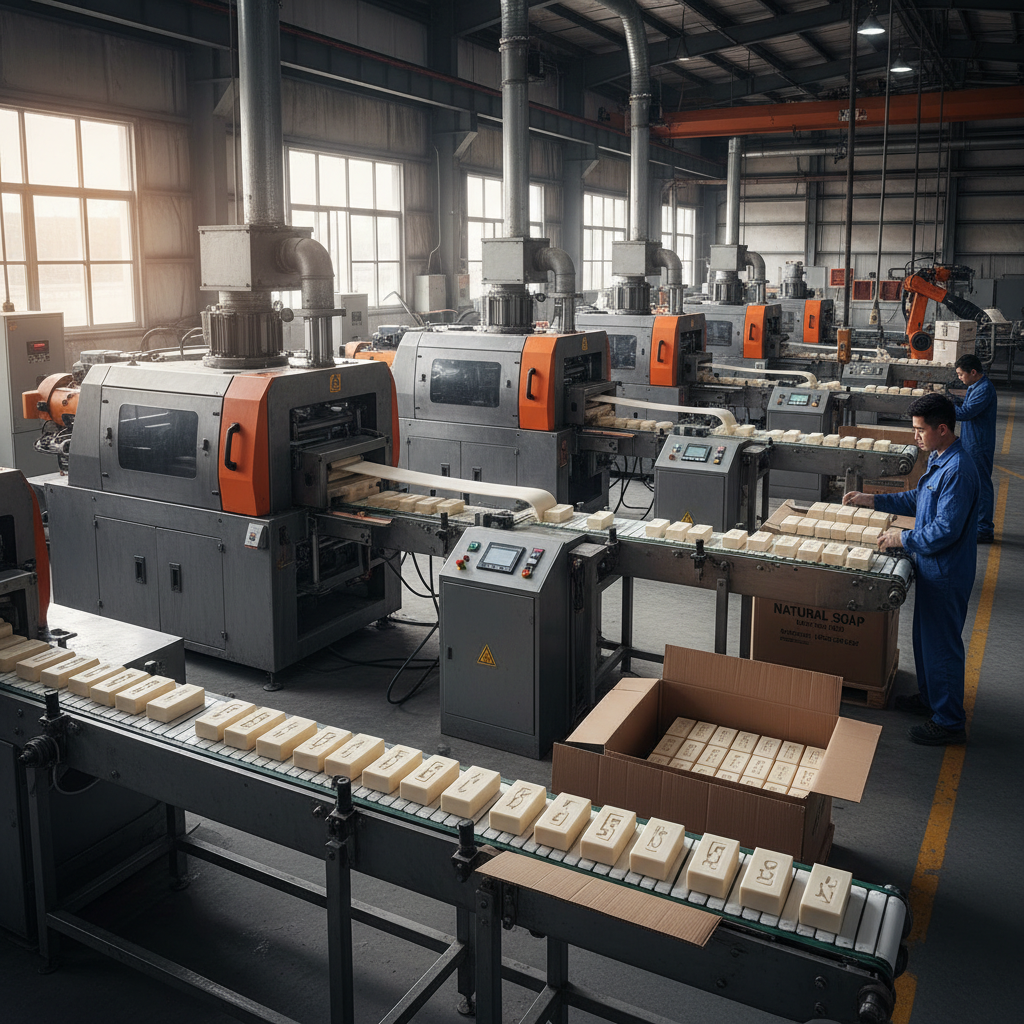
You know, when most people think about soap making, they usually picture big, bubbly vats or maybe those fancy stamping machines pressing out perfect bars. But to be honest, one of the most crucial, yet often overlooked, steps in achieving that consistent, high-quality final product lies much earlier in the process: granulation. Specifically, we're talking about the magic behind efficient Soap Granulation Production Line Equipment.
It’s not just about turning a lumpy mess into something more manageable; it’s about control, consistency, and ultimately, a superior end product. Many customers I’ve spoken with over the years agree: investing in the right equipment for this stage genuinely transforms their entire operation, whether they're looking for wholesale supplies for soap making or upgrading their existing setup.
Why Granulation Matters: Industry Trends & Advantages
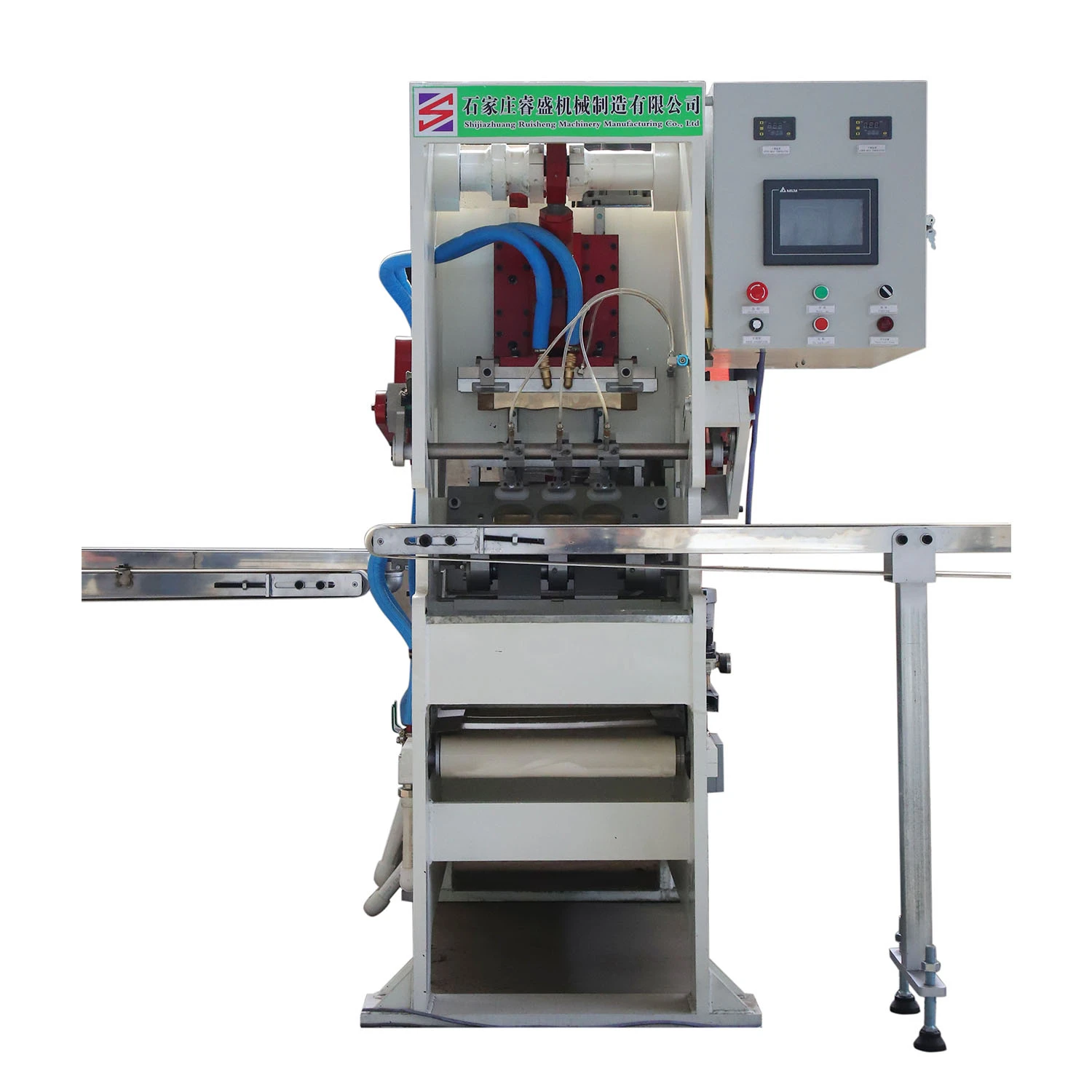
In today's competitive market, efficiency and product uniformity are non-negotiable. The trend, naturally, is towards higher automation and precision. That’s where modern Soap Granulation Production Line Equipment, like a robust twin-screw granulator, really shines. It ensures that your dried soap base is processed into uniform granules, which then feed flawlessly into extruders and stamping machines. This means fewer defects, less waste, and significantly better-looking bars.
The advantages are pretty clear:
- Unmatched Consistency:Granules of consistent size lead to uniform density in the final soap bars.
- Enhanced Efficiency:Smooth material flow prevents bottlenecks and reduces downtime, making your soap making equipment truly productive.
- Superior Quality:Fewer air pockets, better scent distribution, and a smoother finish are all direct benefits.
- Versatility:Surprisingly, while we're focusing on soap, these granulators are also critical in plastics, pharmaceuticals, and food industries for precise particle sizing.
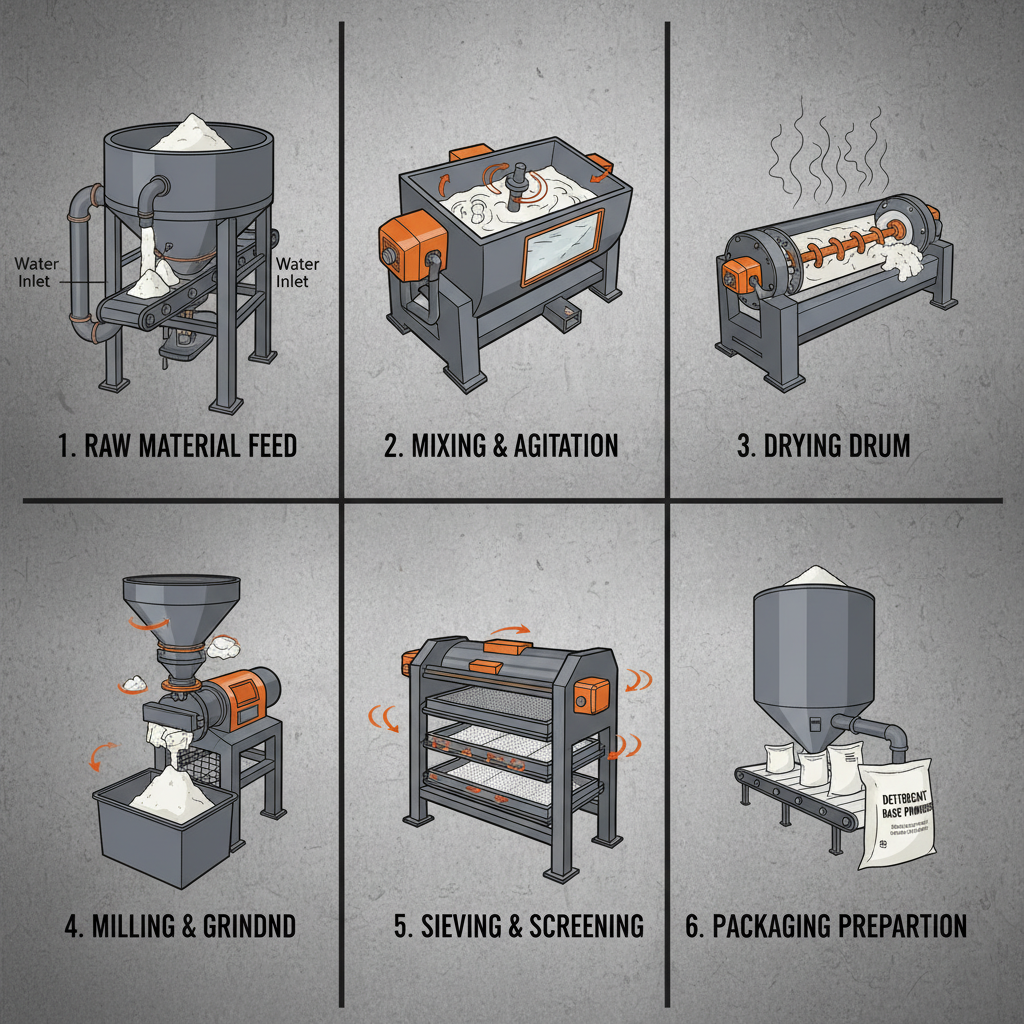
The Granulation Process: A Closer Look
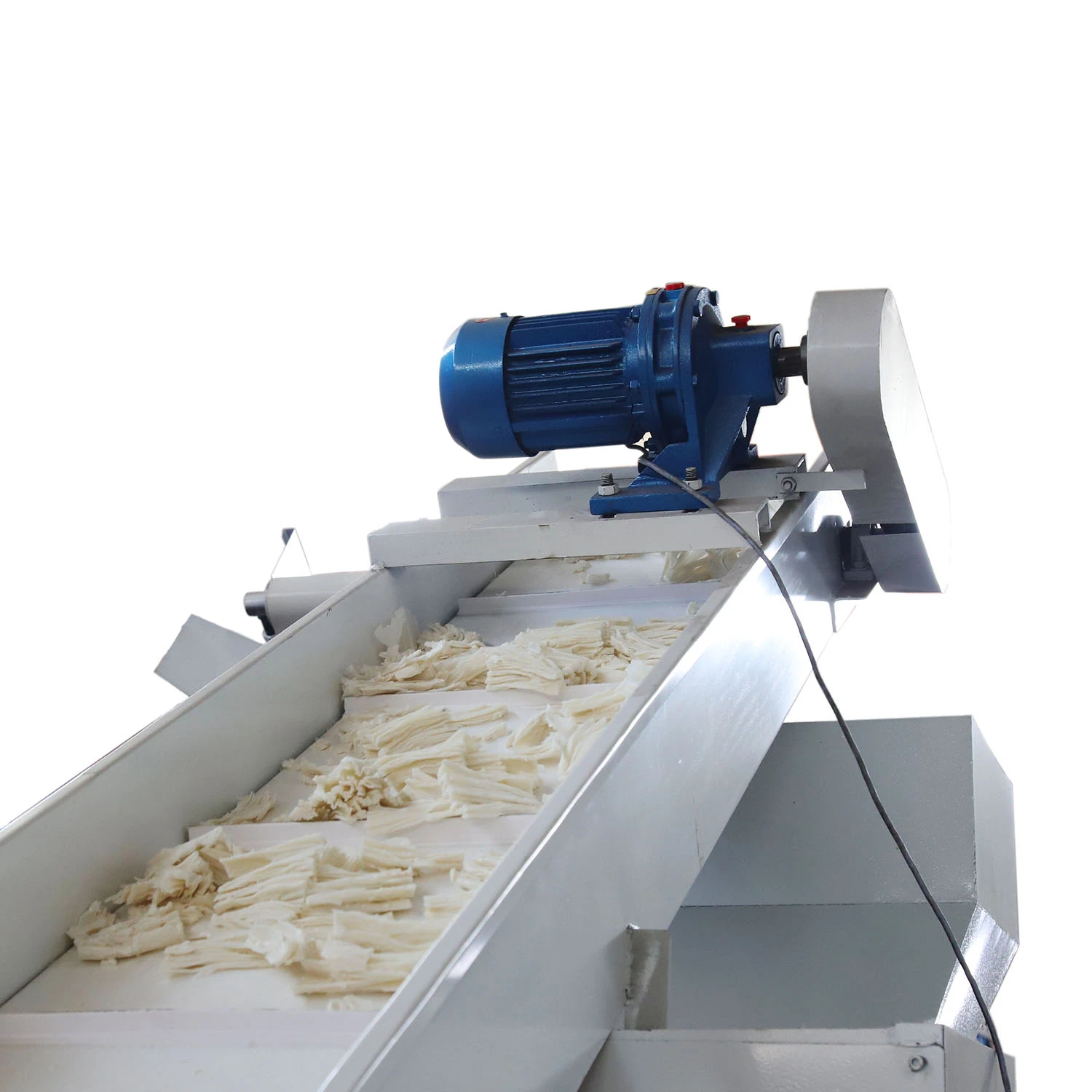
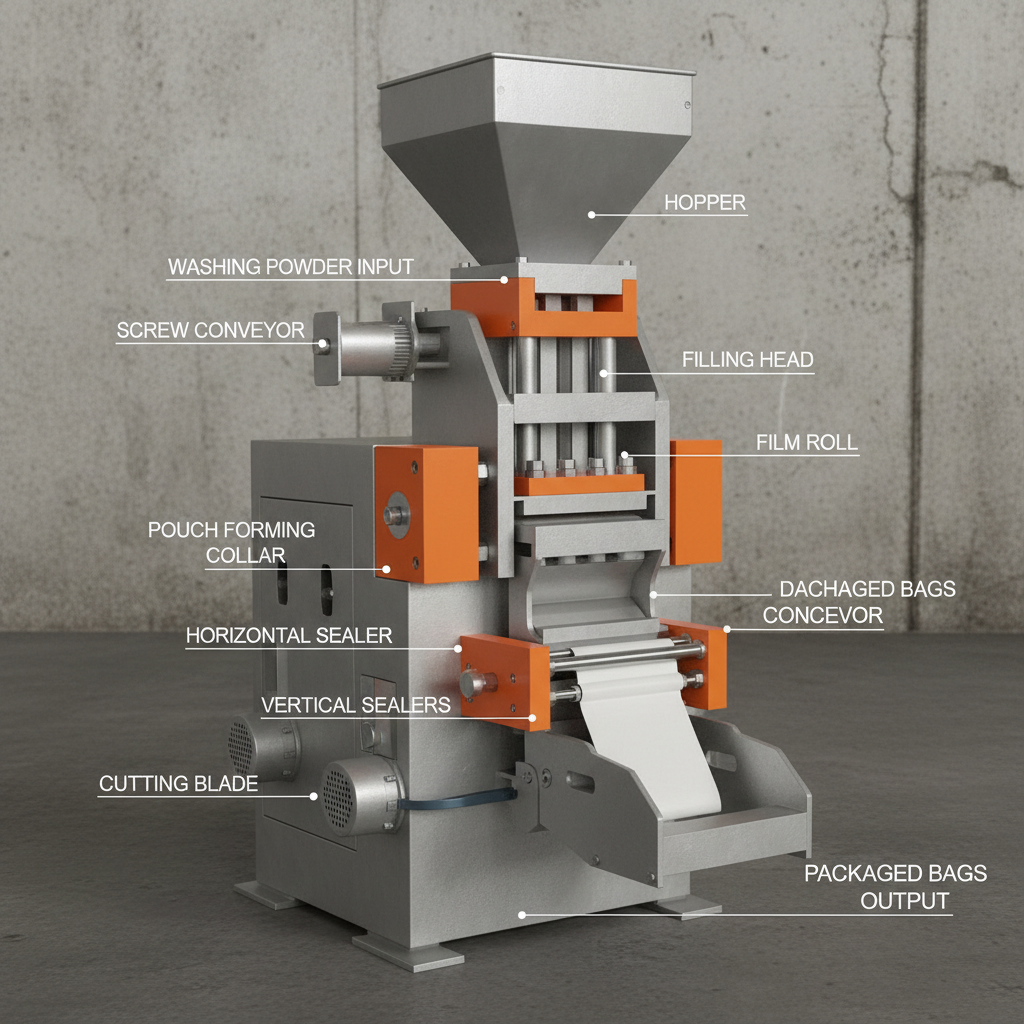
So, how does it all happen? Let's trace the journey. Raw materials, typically dried soap noodles or a base mix, are fed into the granulator. Take, for instance, a Twin-screw Granulator, which is a popular choice for its reliability. Inside, two intermeshing screws work to compress, shear, and push the material through a die plate, forming continuous strands. These strands are then cut into uniform granules.
The process is highly controlled. Material testing standards ensure the soap base has the correct moisture content and viscosity for optimal granulation. A well-maintained machine, with proper care, can have a service life spanning decades, serving various industries from personal care to industrial cleaning products. It truly forms the backbone of modern soap equipment for sale packages.
Key Specifications: Twin-screw Granulator
|
Feature |
Specification (Twin-screw Granulator) |
|
Capacity |
100 kg/hr to 3000 kg/hr (real-world use may vary) |
|
Granule Size |
Adjustable, typically 0.5 mm to 5 mm |
|
Power Consumption |
≈ 15-75 kW, depending on model |
|
Material of Construction |
Food-grade Stainless Steel (SS304/SS316L) |
|
Control System |
PLC-based with HMI (Human-Machine Interface) |
|
Applications |
Soap, detergents, plastics, pharmaceuticals, food, fertilizer |
Choosing Your Equipment: Vendor Comparison & Customization
When you're in the market for Soap Granulation Production Line Equipment, or perhaps a new soap milling machine, the vendor choice is critical. It's not just about the sticker price; it's about reliability, service, and long-term support. I've seen too many businesses cut corners here only to regret it down the line.
Comparative Glance: Granulator Vendors
|
Vendor Feature |
Vendor A (e.g., Established Global) |
Vendor B (e.g., Specialized Regional) |
|
Initial Cost |
Higher |
Moderate |
|
Customization Options |
Standard modules, some customization |
High, tailored to specific needs |
|
After-Sales Support |
Extensive, global network |
Good, regionally focused |
|
Lead Time |
Around 12-16 weeks |
Around 8-12 weeks |
|
Certifications |
ISO, CE, cGMP compliant |
ISO, CE |
Many manufacturers, especially those with unique product formulations or space constraints, benefit greatly from customized solutions. Don’t be afraid to discuss your specific requirements. Good vendors will offer test data and provide insights into how their machines meet authoritative standards like GMP or FDA guidelines.
Real-World Impact: A Brief Case Study
I remember a medium-sized soap manufacturer in Southeast Asia. They were struggling with inconsistent soap bar weights and frequent extruder blockages. After upgrading their old soap making equipment to a modern Soap Granulation Production Line Equipment, specifically a higher-capacity twin-screw model, they saw an immediate improvement. Their reject rate dropped by over 20%, and their production throughput increased by 15%. This wasn't just anecdotal feedback; we're talking tangible metrics that transformed their bottom line.
Ultimately, investing in the right Soap Granulation Production Line Equipment isn't just buying a machine; it's investing in the quality, efficiency, and future profitability of your entire soap manufacturing process. It's the silent workhorse that ensures your customers get that perfectly consistent bar every single time. And honestly, isn't that what we're all aiming for?
Authoritative Citations:
- "Pharmaceutical Granulation Processes: A Comprehensive Review." Journal of Pharmaceutical Sciences, Vol. 105, No. 12, 2016, pp. 3539-3558.
- "Extrusion Process in Soap Manufacturing." Soap & Detergent Industry News, Vol. 45, Issue 3, 2020, pp. 22-27.
- "The Role of Granulation in Ensuring Quality in Chemical and Allied Industries." Chemical Engineering Journal, Vol. 380, 2019, 122557.