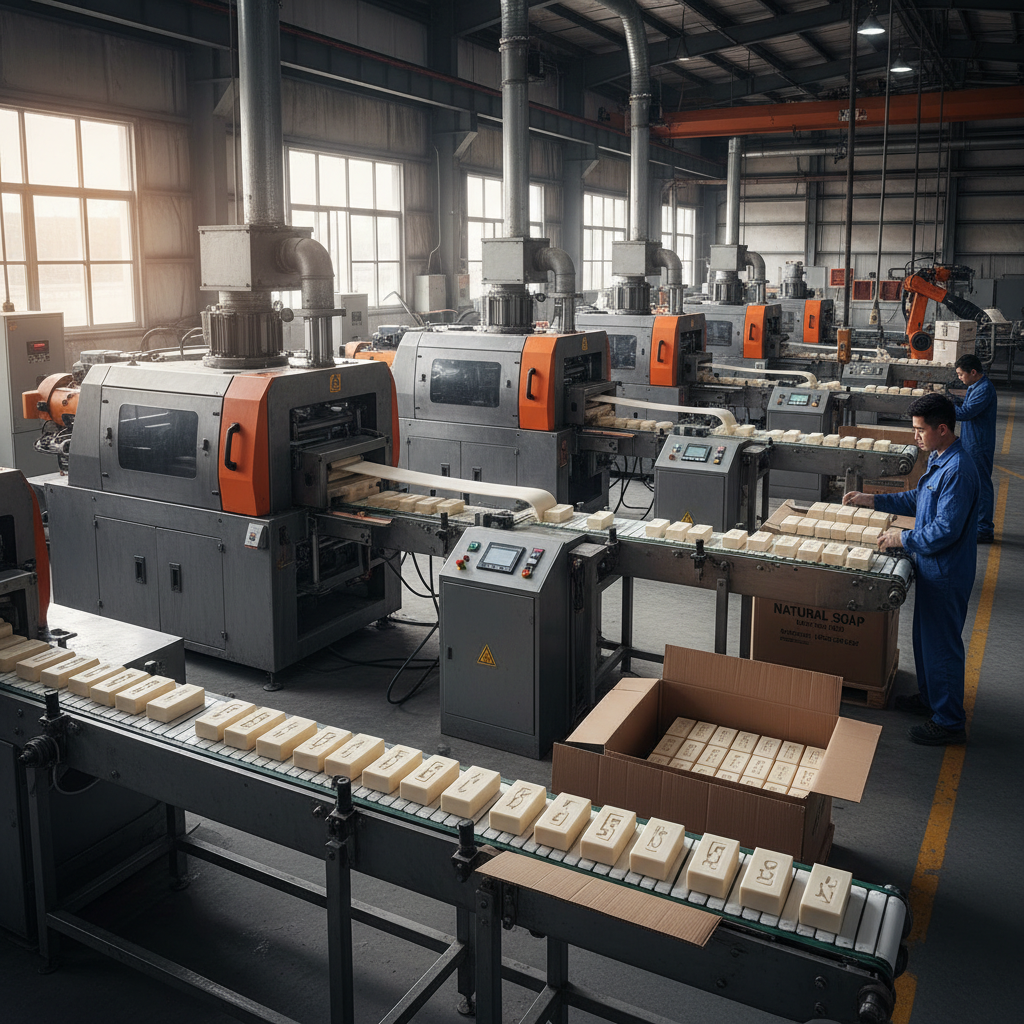
In a world that’s constantly evolving in hygiene standards and industrial efficiency, a washing powder manufacturing machine quietly fuels a massive global demand. These machines, designed to churn out powdered detergents, play a pivotal role not just in household cleanliness but in public health, environmental management, and industrial supply chains. If you stop for a moment to consider it, the humble washing powder you pick up at the supermarket is the outcome of sophisticated machinery working flawlessly behind the scenes.
Understanding how these machines operate and why they’re essential isn’t just for engineers or factory managers. It’s a critical piece in the puzzle of sustainability, cost-efficiency, and global supply resilience. Especially with laundry detergents seen as a first line of defense against disease transmission, knowing the ins and outs of these systems has ripple effects far beyond just clean clothes.
Mini Takeaway: The washing powder manufacturing machine is central to mass detergent production worldwide, supporting hygiene and health on multiple fronts.
Introduction: The Rising Global Importance of Washing Powder Manufacturing Machines
According to industry reports, the global detergent market is expected to reach a staggering $160 billion by the mid-2020s (source: Statista). Washing powders remain a dominant format, especially in developing countries where liquid detergents might be less affordable or accessible. The washing powder manufacturing machine is the essential industrial backbone making this possible.
One challenge this machinery solves is addressing both bulk manufacturing needs and the demand for quality product consistency. In regions where water scarcity and infrastructure limitations exist, powdered detergents provide a practical solution since they’re lighter to ship and have a longer shelf life than liquids.
Yet, the machines involved must balance speed, product safety, environmental impact, and operational cost — quite a juggling act if you ask me.
Defining the Washing Powder Manufacturing Machine
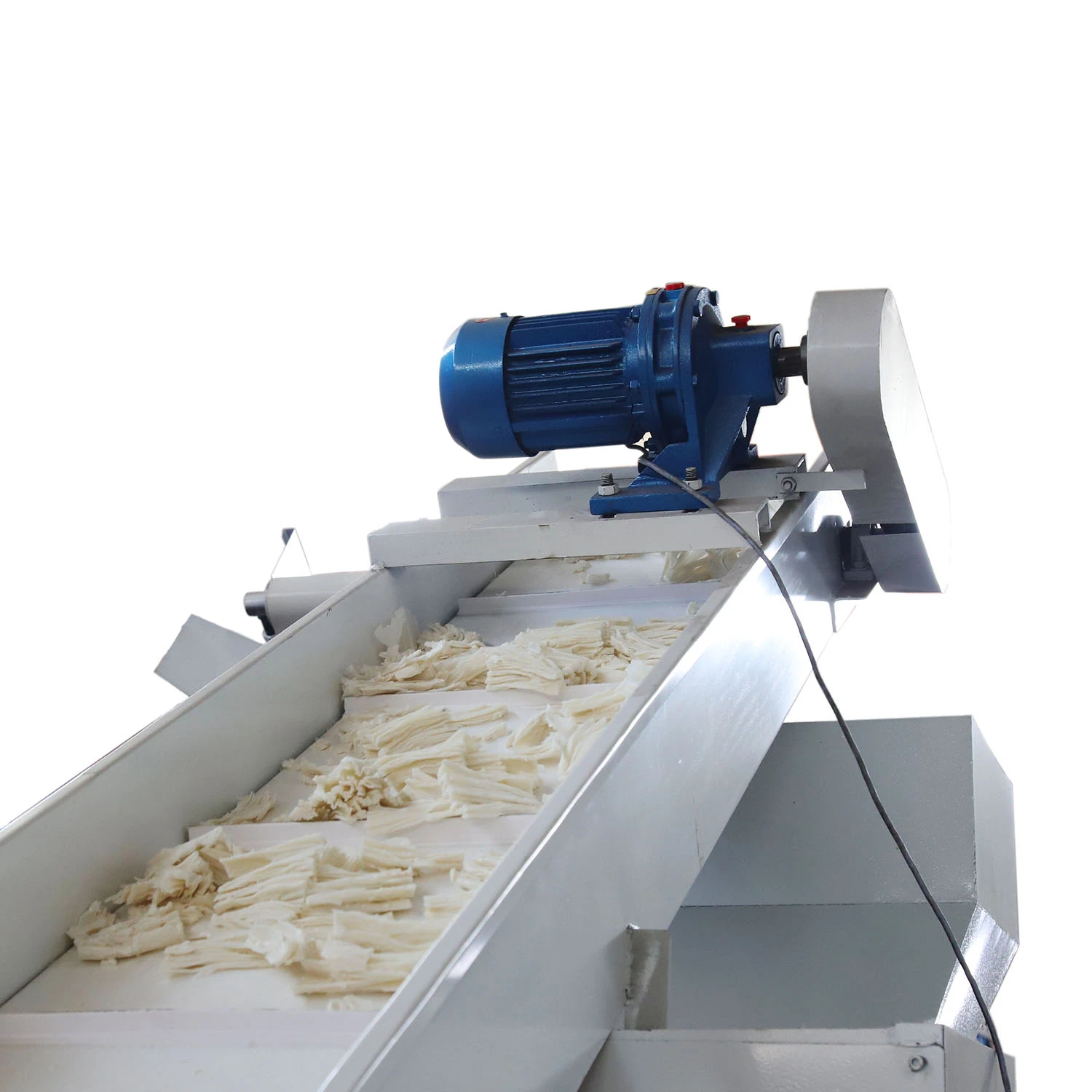
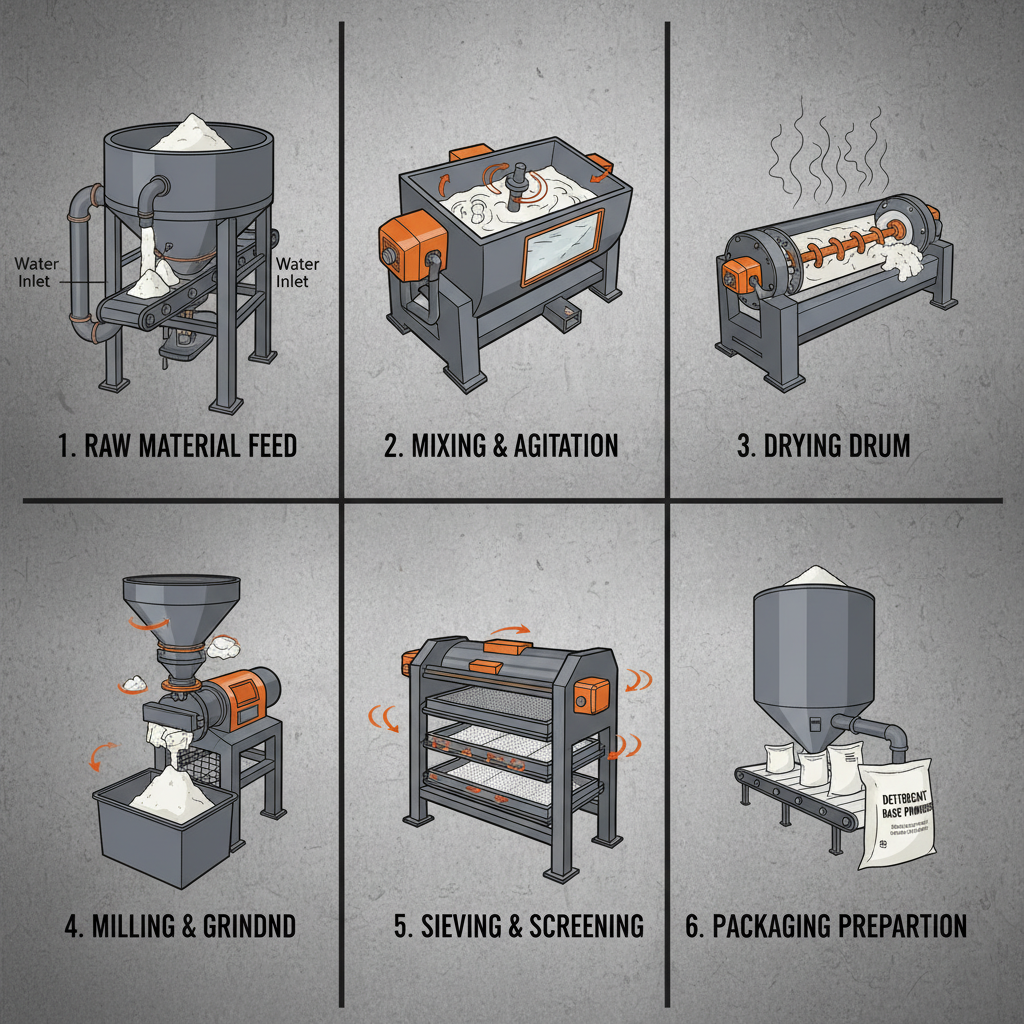
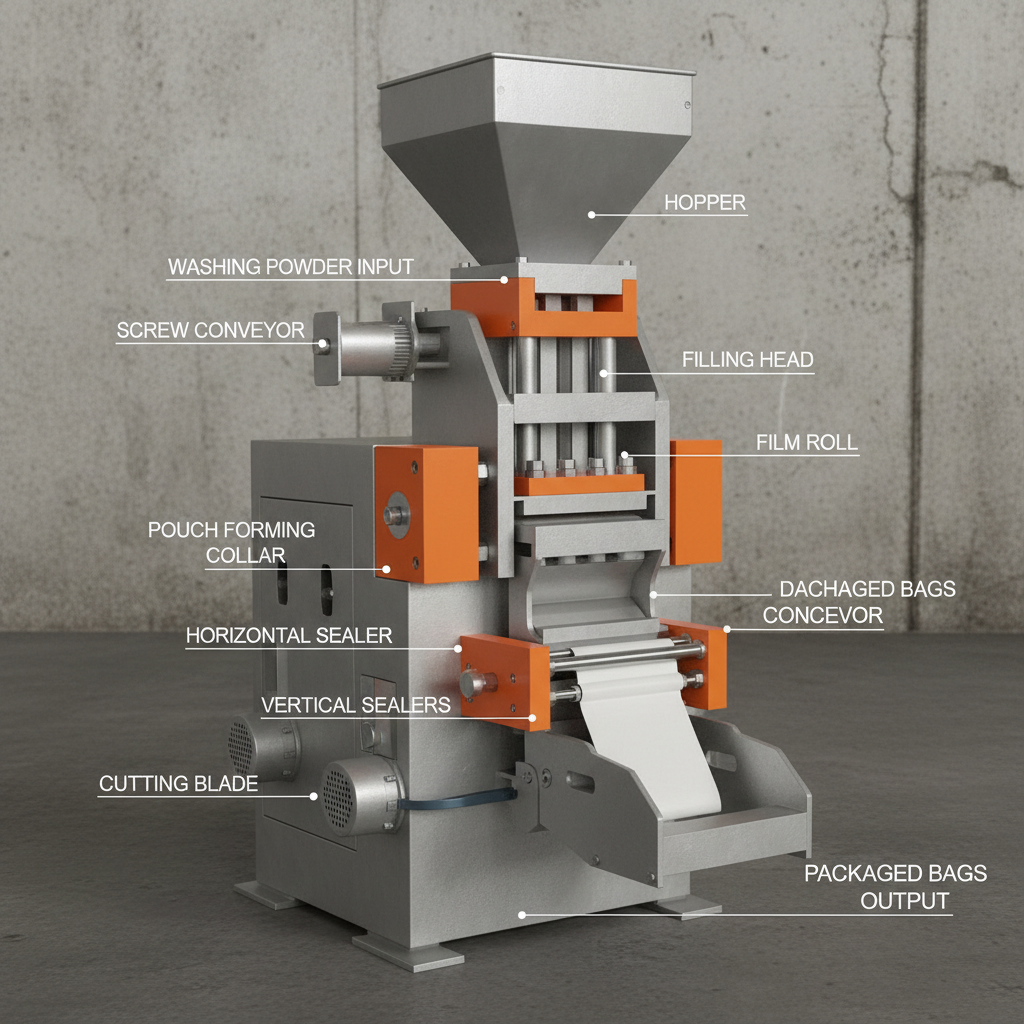
Simply put, a washing powder manufacturing machine is a specialized piece of equipment that takes raw chemical ingredients — like surfactants, builders, fillers, and enzymes — and processes them into a uniform, free-flowing powdered detergent. The process often involves mixing, granulation, drying, cooling, and packaging sub-systems.
These machines are the linchpin between raw chemical formulation and the commercial powders delivered worldwide. Their design ensures powders meet required particle size, moisture content, and solubility standards, crucial for performance.
It's remarkable how this technology ties into modern industrial capabilities and even humanitarian efforts, providing affordable and safe cleaning products in remote or underserved communities.
Key Aspects of Effective Washing Powder Manufacturing Machines
1. Durability & Material Quality
The machine components often come in stainless steel or specially coated alloys to resist corrosion from aggressive detergents. Longevity reduces downtime and keeps operations smooth.
2. Scalability & Throughput Capacity
Depending on factory size, these machines vary from a few hundred kilograms to multiple tons per hour. Flexibility in scaling production helps manufacturers meet fluctuating market demand without heavy new investments.
3. Cost Efficiency & Energy Use
Run costs are a big factor. Innovators focus on reducing energy consumption during drying and mixing phases, cutting utility bills and carbon footprints simultaneously.
4. Automation & Control Systems
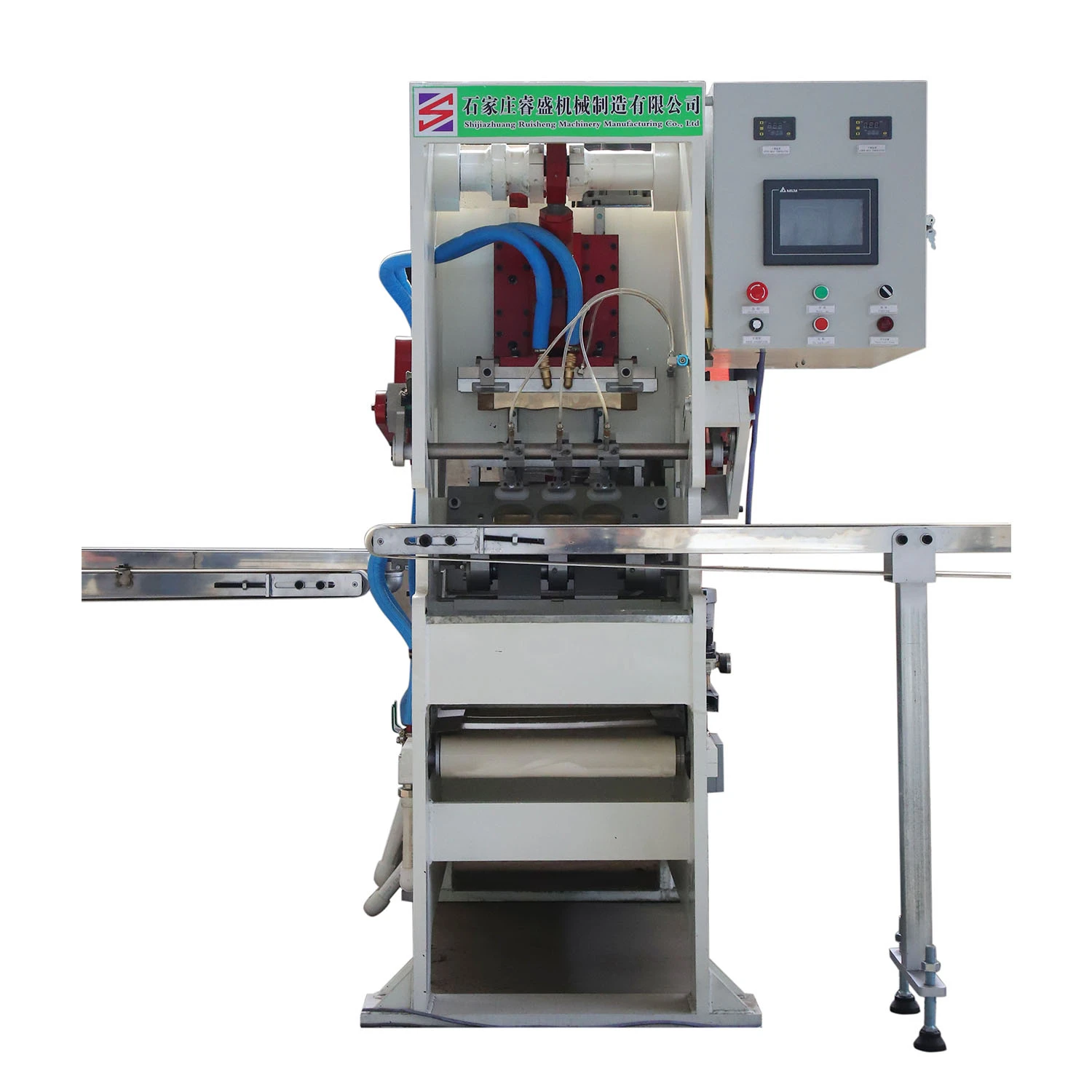
Advanced PLC (programmable logic controller) systems allow tight process control and remote monitoring — crucial for maintaining consistent powder quality and minimizing human error.
5. Environmental Compliance
Modern machines include dust collectors and filtered exhaust systems to reduce particulate emissions — increasingly important with tightening international environmental regulations.
Mini Takeaway: Durable, scalable, and eco-conscious machines not only enhance productivity but also future-proof detergent production under evolving global standards.
Real-World Applications of Washing Powder Manufacturing Machines
Industries worldwide harness these machines at varying scales. In Asia and Africa, small- to mid-size plants supply affordable detergents, often locally produced to reduce import dependencies. In contrast, multinational corporations in Europe and North America rely on highly automated, high-capacity machines ensuring strict quality and safety protocols.
Interestingly, in disaster relief operations, compact, mobile-style powder manufacturing units have been developed. They enable communities struck by floods or earthquakes to locally produce essential detergents, aiding hygiene recovery efforts quickly.
Remote industrial zones and military bases also benefit from tailored washing powder manufacturing setups, where self-sufficiency and supply chain independence are prized.
Washing Powder Manufacturing Machine: Detailed Specifications
|
Specification |
Typical Value |
Details |
|
Production Capacity |
500 kg to 4,000 kg/hr |
Depends on model and automation level |
|
Power Consumption |
50–250 kW |
Varies with drying and mixing components |
|
Moisture Control |
Below 3% |
Critical for powder flow and solubility |
|
Material Used |
SS304/SS316 stainless steel |
Ensures corrosion resistance |
|
Automation Level |
PLC controlled |
Enables remote monitoring and control |
Vendor Comparison: Choosing the Right Washing Powder Manufacturing Machine Provider
|
Feature |
Vendor A |
Vendor B |
Vendor C |
|
Price Range |
$$$ |
$$ |
$$$$ |
|
Automation Level |
Fully automated |
Semi-automated |
Manual controls |
|
Energy Efficiency |
High |
Moderate |
Low |
|
After-Sales Support |
24/7 + Onsite |
Business hours + Remote |
Limited |
|
Customization Options |
Extensive |
Standard models |
Minimal |
Advantages and Long-Term Value of These Machines
Investing in a modern washing powder manufacturing machine offers a slew of benefits. First, there’s the obvious economic gain: high-speed production with minimal waste and low energy inputs translates to better margins. Then, there's the social and environmental impact — delivering affordable, quality detergents supports public health by enabling better hygiene.
Plus, with the advanced automation technologies, manufacturers reduce human error and increase workplace safety. For many, it’s about the dignity of providing clean clothes, especially in healthcare, hospitality, and education sectors. That emotional connection often goes overlooked but is at the heart of this industry.
Future Trends Shaping Washing Powder Manufacturing Machines
As sustainability becomes more than just a buzzword, washing powder manufacturing machines are evolving rapidly. Future models integrate IoT sensors to optimize real-time efficiency and predictive maintenance, reducing unexpected downtime. There's also a push towards greener energy sources like solar and biogas to power plants.
Innovations in materials handled—such as biodegradable powders—mean machines need adaptable configurations for gentler handling processes. Some companies are experimenting with modular designs to enable easier upgrades and customization, which feels like a smart, pragmatic approach given how fast tech advances.
Common Challenges and Practical Solutions
Machines are not without issues, frankly. Dust control remains tricky in powder processing—dust can cause explosions or health hazards. That’s why integrated dust filtration systems and explosion-proof designs are standard now.
Also, raw material quality variability can throw off product consistency. Advanced sensors and feedback loops in manufacturing lines help catch these inconsistencies quicker than human quality control ever could.
Training and skilled operation remain a bottleneck for some smaller or developing market plants—but turnkey solutions with remote monitoring and training modules are a growing trend.
FAQ: Practical Questions About Washing Powder Manufacturing Machines
- Q: How much space does a typical washing powder manufacturing machine require?
A: Space varies with capacity, but compact commercial units often need around 50–150 square meters including storage and packing areas. Larger plants require more, naturally. - Q: Can these machines handle eco-friendly or biodegradable powder formulations?
A: Most modern machines are adaptable to varied formulas, including eco-friendly powders, though specialized drying and mixing adjustments may be necessary. - Q: What is the average lifespan of these machines?
A: With proper maintenance, many washing powder machines last 10–15 years or more before needing major overhaul. - Q: Are automated washing powder manufacturing machines expensive to maintain?
A: Maintenance costs can vary but generally reduce over time due to automation improving precision and reducing component wear.
Wrapping Up: The Lasting Impact of Washing Powder Manufacturing Machines
So, to put it all together: a washing powder manufacturing machine is more than just some factory gear spinning chemicals into detergent. It’s a critical enabler of affordable hygiene worldwide, a driver of industrial success, and increasingly, a champion of sustainable and socially responsible manufacturing.
Curious to find out which machine fits your needs best or ready to boost your detergent production? Visit our website for washing powder manufacturing machine details and expert advice.
Final Thought: As technology marches on, the machines behind our everyday cleaning essentials quietly innovate — turning detergent production into a science of precision, sustainability, and care.
References:
1. Wikipedia: Laundry Detergent
2. ISO Standards on Detergent Manufacturing
3. United Nations Statistical Division