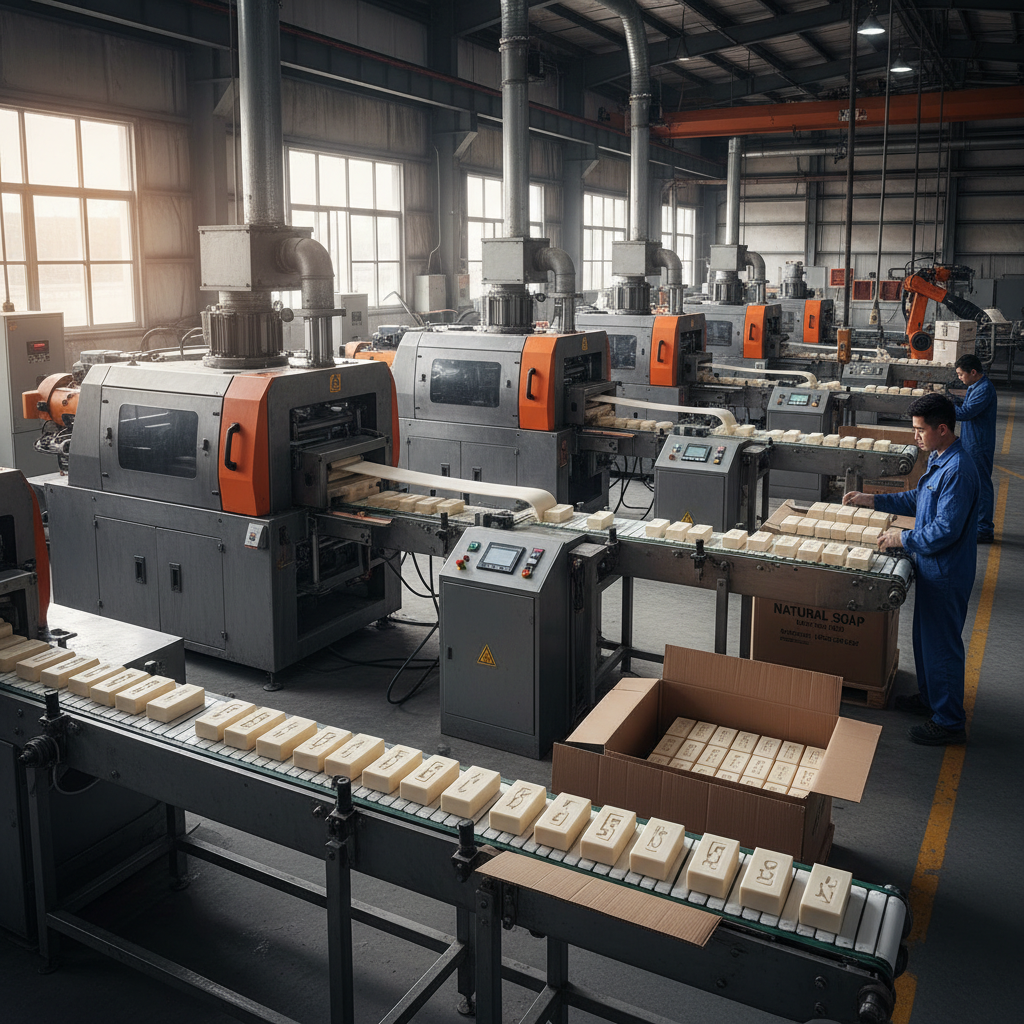
At first glance, soap production equipment might sound like just another factory gadget. But when you think about it, this equipment plays a pivotal role in public health, hygiene, and global wellbeing. In a world where handwashing with soap is a frontline defense against infectious diseases, having reliable, efficient, and scalable soap production equipment is not just a manufacturing concern—it’s a public good.
With the global market for soap surpassing $30 billion in recent years and hygiene standards becoming a mandatory pillar in workplaces, schools, and homes worldwide, understanding the tools behind soap's creation offers insight into an often unseen but vital industry.
Mini takeaway: Soap production equipment underpins global hygiene practices, bridging public health and industrial craftsmanship in a surprisingly impactful way.
Global Context: The Rising Need for Soap Production Equipment
Globally, soap manufacturing is huge business but also a critical humanitarian resource. According to the World Health Organization (WHO), hand hygiene can reduce diarrheal diseases by up to 40%, yet billions lack access to adequate soap.
From sprawling urban factories in Asia to small-scale producers in Africa, soap production equipment meets demands ranging from mass manufacturing to local relief efforts.
Yet, there’s an ongoing challenge: how to scale and optimize equipment that fits a variety of contexts—low-resource settings, emergency deployment, or booming consumer markets—while keeping costs manageable and sustainability in mind.
Mini takeaway: Soap production equipment acts as a linchpin in supporting hygiene on both global industrial and grassroots humanitarian levels.
What Exactly Is Soap Production Equipment?
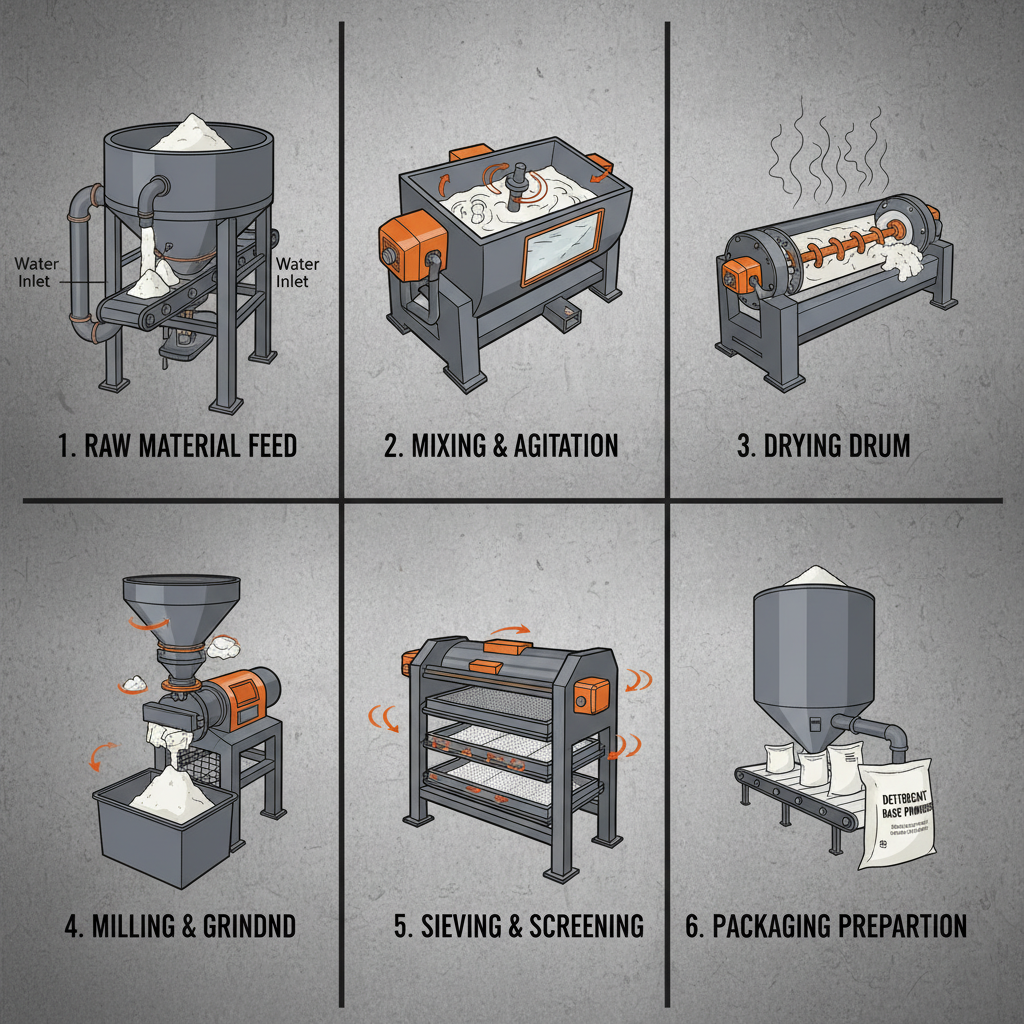
Soap production equipment encompasses all the machinery and tools used to turn raw ingredients—like fats, oils, alkalis, and fragrances—into finished soap bars or liquid soap.
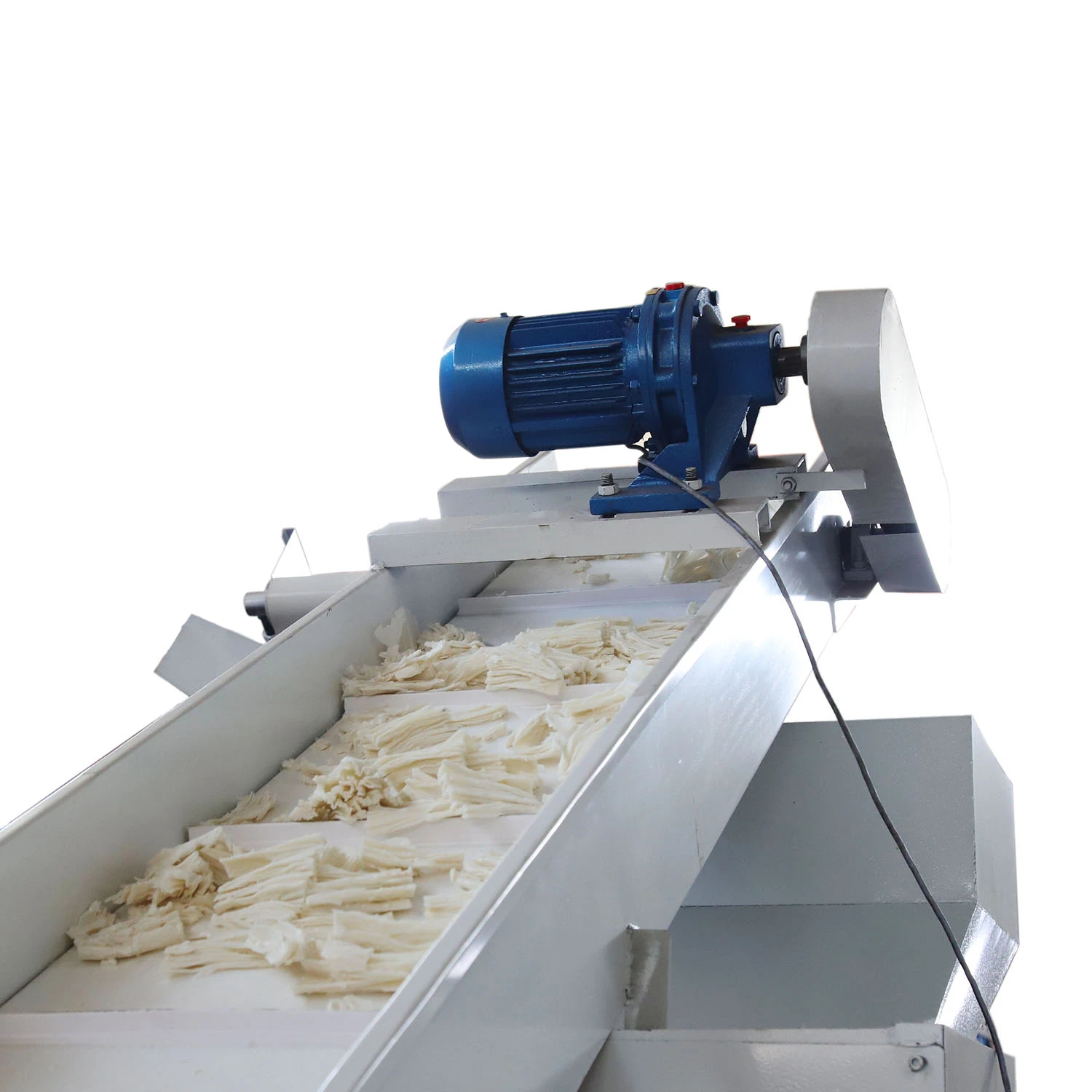
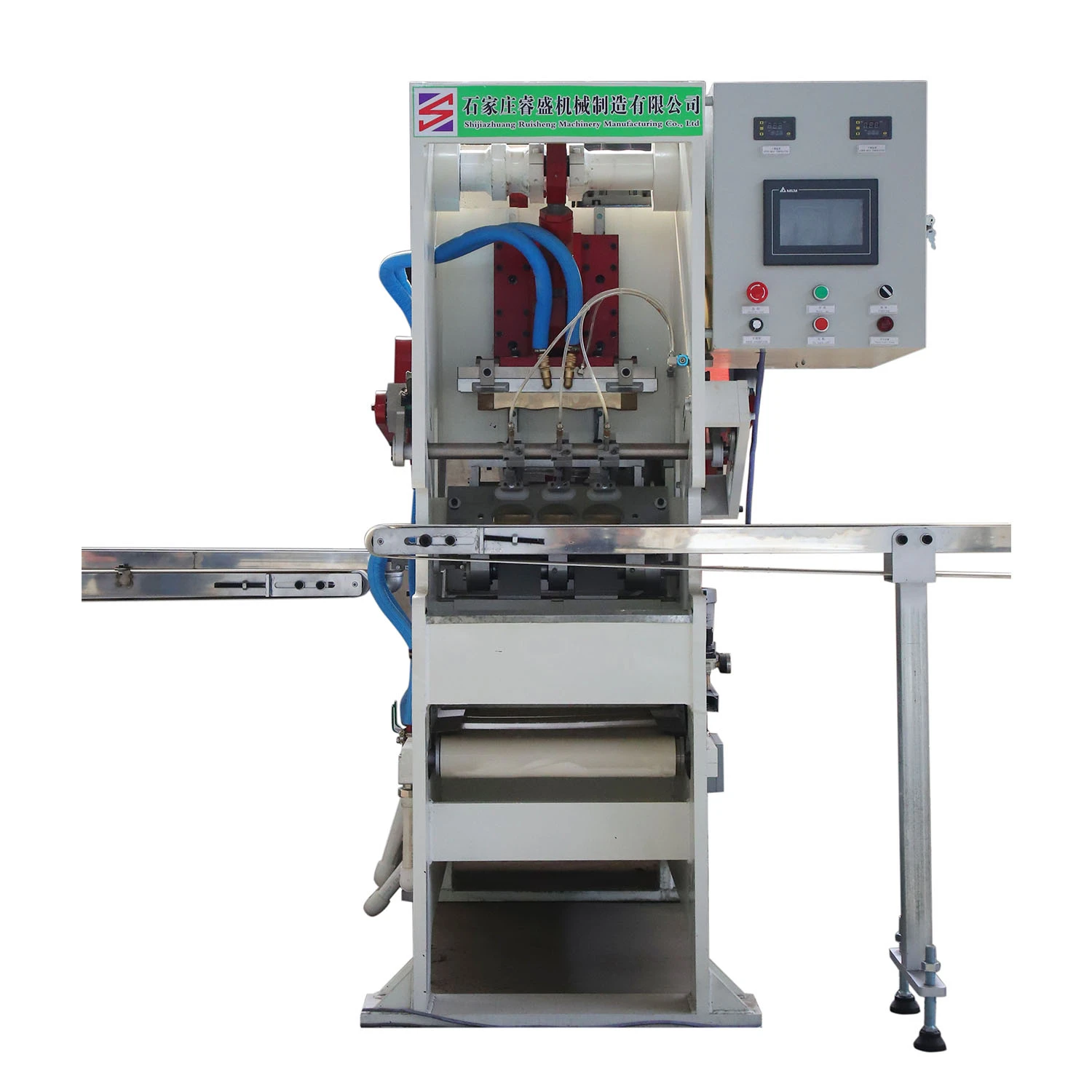
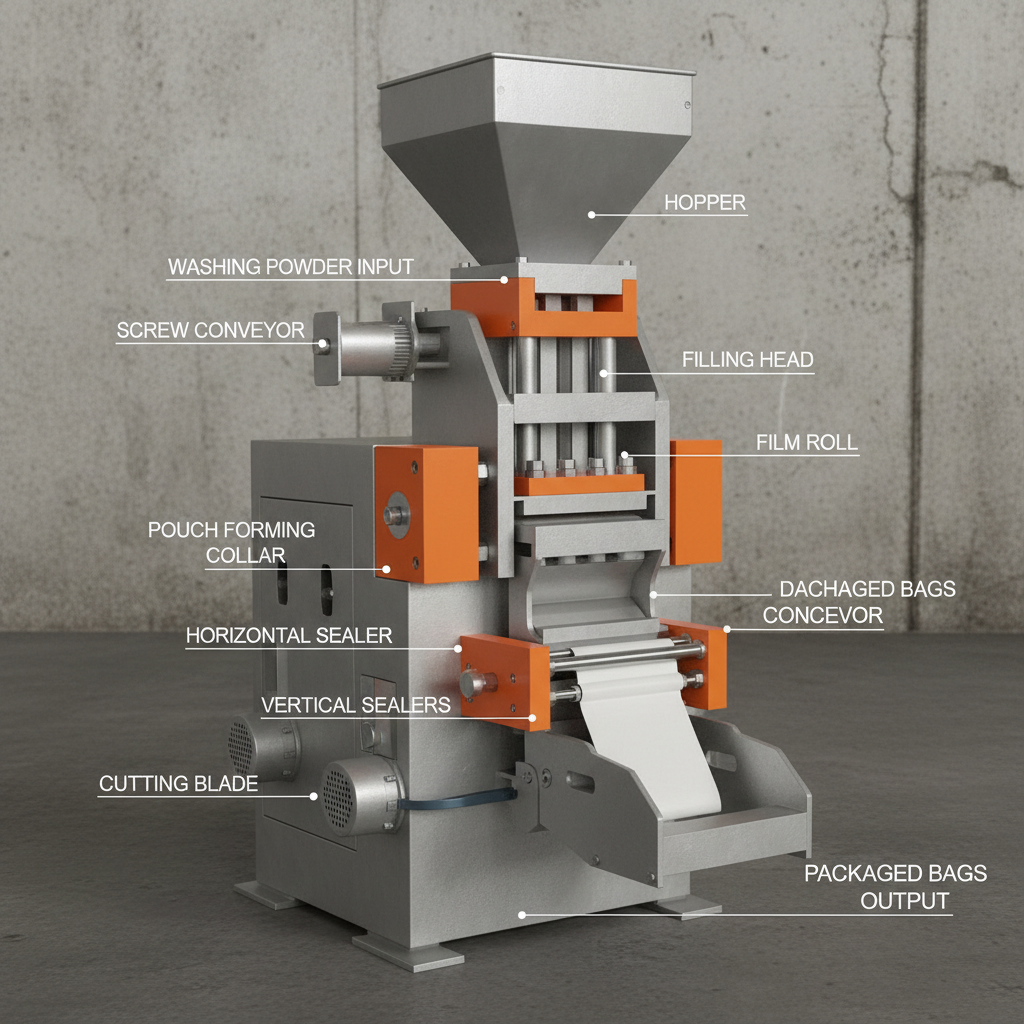
This includes mixing tanks, saponifiers, molds, presses, cutters, and packaging lines. Its complexity varies—from basic manual setups to fully automated industrial lines.
Effectively, these machines serve as the backbone of the modern soap industry and are essential for enabling rapid, hygienic, and cost-effective soap availability across diverse settings.
Mini takeaway: Think of soap production equipment as the invisible helper turning raw materials into something as simple (yet essential) as that bar of soap you trust every morning.
Core Components and Key Factors in Soap Production Equipment
1. Durability
Soap production involves caustic chemicals and high temperatures, so equipment must withstand harsh conditions without frequent breakdowns. Stainless steel components are common to resist corrosion and ease cleaning.
2. Scalability
One of the trickiest parts is adapting equipment to varying production volumes. Small-scale producers might use batch mixers and manual cutters, while industrial lines rely on continuous processing with conveyors and automated packaging.
3. Cost Efficiency
Price matters—especially for emerging markets or humanitarian programs. Equipment that balances upfront investment with low operating costs wins hands down.
4. Hygiene & Compliance
Meeting safety and sanitary standards (think ISO 22000 or local food and cosmetic production regulations) shapes machine design. Easy cleaning cycles reduce cross-contamination risks.
5. Automation & Ease of Use
Many producers desire equipment that requires minimal skilled labor without sacrificing output quality—automated dosing and mixing systems help in this direction.
6. Customization Flexibility
Some manufacturers want the ability to craft specialty soaps—like scented bars or liquid variants. Modular designs and accessory options allow producers to diversify their offerings.
Mini takeaway: Durable, scalable, cost-effective, hygienic, and user-friendly: the ingredients of good soap production equipment aren't just technical specs—they influence real-world production success.
Soap Production Equipment in Action: Around the World
- Post-Disaster Relief:Organizations like UNICEF and Doctors Without Borders often bring small soap-making units to camps to empower communities with hygiene essentials quickly.
- Rural Micro-Enterprises:In parts of Sub-Saharan Africa and Southeast Asia, soap production equipment fuels local economies, providing income and better health outcomes simultaneously.
- Industrial Manufacturing:Large-scale companies in Europe, North America, and China employ sophisticated automated lines to meet consumer demand with consistency.
- Educational Institutions:Many technical colleges use entry-level soap equipment to teach students chemistry, production control, and business skills.
Mini takeaway: From tiny rural workshops to high-tech factories and emergency tents, soap production equipment adapts to a myriad of uses worldwide.
Advantages and Long-Term Value of Investing in Soap Production Equipment
The benefits aren't just about making soap faster. Here's the real value:
- Cost Savings:Efficient machinery reduces waste and labor hours.
- Sustainability:Improved designs consume less energy and produce less effluent; some equipment even recycles heat.
- Social Impact:More accessible soap means better public health outcomes, including fewer infections and improved child survival rates.
- Reliability and Trust:Consistent product quality builds brand reputation and consumer confidence.
- Innovation Potential:Advanced equipment opens doors to new soap formulas and packaging innovations.
In many ways, investing in the right soap production equipment isn’t just a business decision; it’s an investment in community health and dignity.
Looking Ahead: Future Trends and Innovations in Soap Production Equipment
Digital revolution touches everything. Soap production equipment is increasingly integrated with IoT for real-time monitoring, predictive maintenance, and quality control.
Eco-consciousness drives innovations like solar-powered units, biodegradable consumables, and water-saving washdown systems.
Automation will likely continue to trim manual steps, but there’s also an emerging trend for modular, easily transportable production units to serve fragile or remote areas.
Mini takeaway: The future for soap production equipment is smart, sustainable, and more accessible than ever.
Challenges and Solutions in Soap Production Equipment Deployment
Common obstacles include high initial costs, lack of skilled operators, and maintenance challenges in remote settings.
Many manufacturers tackle this by offering:
- Comprehensive training programs
- Modular equipment designs facilitating easier repair or upgrades
- Partnerships for financing or leasing
In real terms, these solutions help get equipment from factory floor to actual community soap makers with fewer hiccups.
FAQ: Practical Questions About Soap Production Equipment
What size of soap production equipment is best for a startup?
For startups, small to medium batch mixers with manual or semi-automated cutters offer the best balance between cost and scalability. This allows flexibility as demand grows without excessive upfront investment.
How complicated is maintenance on these machines?
Maintenance varies by complexity. Simpler, small-scale machines require basic cleaning and periodic lubrication, while industrial lines may need specialized technicians. Vendors often provide manuals and remote support to ease this.
Can soap production equipment handle different soap types?
Many machines are modular enough to handle bars, liquids, or specialty soaps with minor adjustments or accessory modules, which is great for producers wanting product variety.
Is automation necessary or can manual equipment still work?
Manual equipment works fine for small volumes or artisanal soap making. Automation becomes valuable when scaling up, improving consistency, and reducing labor costs.
Where can I find reliable suppliers of soap production equipment?
Reliable sources often have certifications and solid customer reviews. For a trusted start, check soap production equipment vendors who offer after-sales support and training.
Soap Production Equipment: Summing It Up and Moving Forward
All told, soap production equipment is a quietly indispensable part of the global hygiene ecosystem. Whether it’s helping multinationals churn out millions of bars or enabling a remote village to produce soap locally, these machines have far-reaching social, economic, and health impacts.
If you’re in the market for soap manufacturing solutions or just curious about how that simple bar of soap comes to your sink, there’s a lot to explore. From robust designs to cutting-edge automation, the field is ripe with innovation and meaningful opportunity.
For more detailed info and to find equipment tailored to your needs, visit soap production equipment—they know their stuff.
|
Typical Soap Production Equipment Specifications |
||||
|
Component |
Capacity |
Material |
Automation Level |
Power Requirement |
|
Saponification Mixer |
100–500 kg batch |
Stainless Steel 316 |
Semi-automated |
5 kW |
|
Soap Bar Cutter |
Up to 1200 bars/hour |
Carbon Steel with Coating |
Manual / Semi-automated |
1.5 kW |
|
Liquid Soap Filling Machine |
10–1000 ml bottles |
Food-Grade Plastic / SS |
Fully Automated |
3 kW |
|
Top Vendors Comparison for Soap Production Equipment |
||||
|
Vendor |
Range |
Customization |
Support |
Approx. Price Range |
|
RS Soap Machines |
Small to large-scale lines |
Highly customizable |
Training & 24/7 support |
$10,000 – $250,000 |
|
CleanTech Equipments |
Medium scale only |
Limited customization |
Email support |
$8,000 – $50,000 |
|
GlobalSoaps Inc. |
Large industrial lines |
Custom builds only |
Onsite & remote |
$100,000 upwards |
Final thought: Soap production equipment quietly blends engineering, health, and social innovation. The more we understand it, the clearer it becomes how much a simple bar of soap depends on smart machinery.
- World Health Organization on Hygiene
- ISO 22000 Food Safety Management
- World Bank Health Sector Overview