Introduction
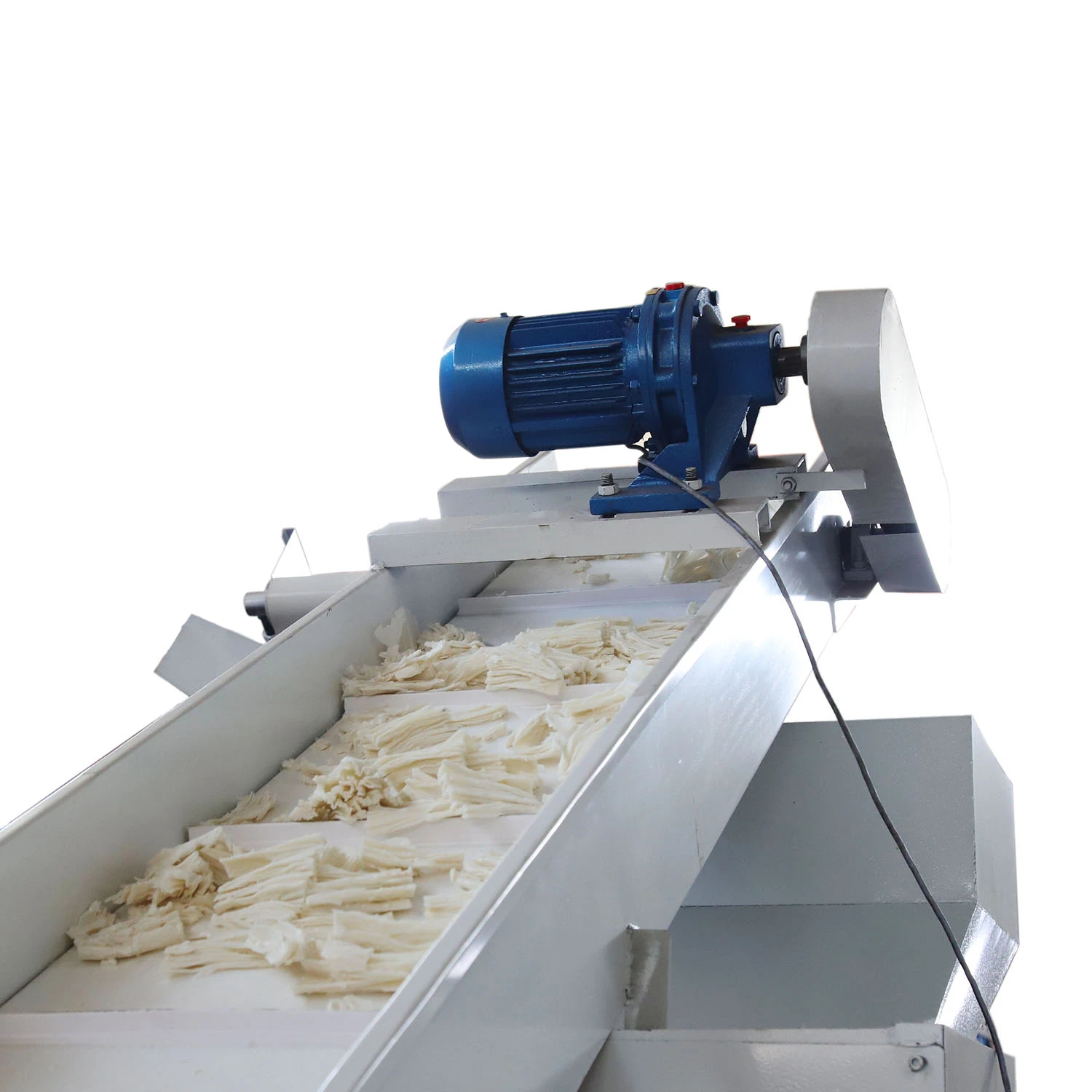
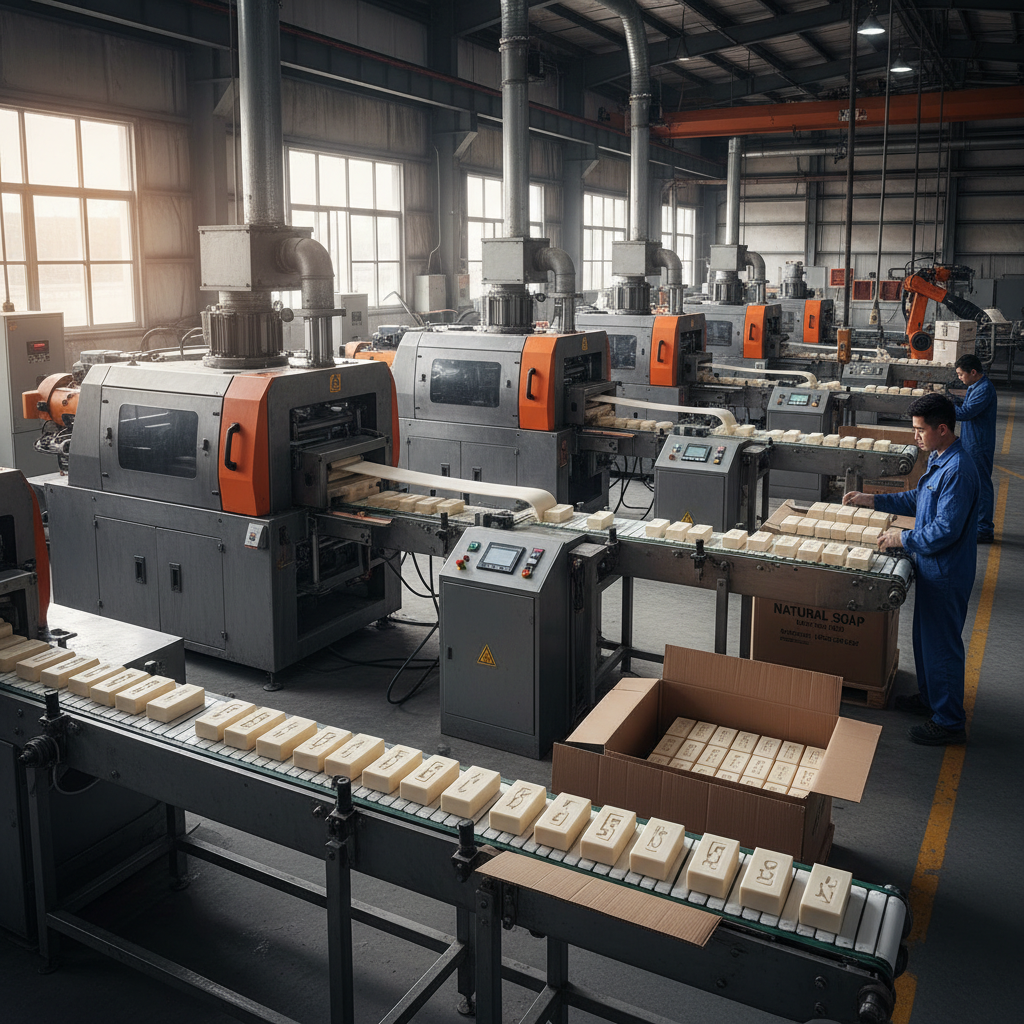
A soap making machine is an essential piece of equipment for manufacturers looking to improve efficiency and quality in soap production. In today’s competitive market, businesses are increasingly relying on advanced soap making equipment to produce consistent and high-quality soap products. Whether it’s for small-scale artisanal operations or large commercial facilities, a soap making machine offers precision, automation, and versatility. By integrating a soap making machine into a soap production line, manufacturers can streamline the production process, reduce labor costs, and enhance product quality. Modern soap making machines are designed to handle various formulations, including bar soap, liquid soap, and specialty soaps, making them a cornerstone of contemporary soap manufacturing.
1. Benefits of Using a Soap Making Machine in Modern Production
Investing in a soap making machine brings numerous advantages to a soap production line. Firstly, it ensures uniform mixing and consistent product quality, which is critical for both bar and liquid soap manufacturing. The precision offered by soap making equipment reduces human error and ensures that each batch meets the required standards. Additionally, automation in soap making machines significantly speeds up production, allowing manufacturers to meet increasing market demand efficiently. The machine also minimizes waste and energy consumption by optimizing the use of raw materials. For commercial enterprises, integrating a bar soap making machine ensures that each bar has a uniform shape, weight, and texture, which is essential for brand reputation. Furthermore, modern soap equipment is designed for easy cleaning and maintenance, reducing downtime and improving operational efficiency. Overall, a soap making machine enhances productivity, reduces labor costs, and ensures a consistent, high-quality product, making it indispensable for any modern soap production line.
2. Types of Soap Making Equipment for Diverse Applications
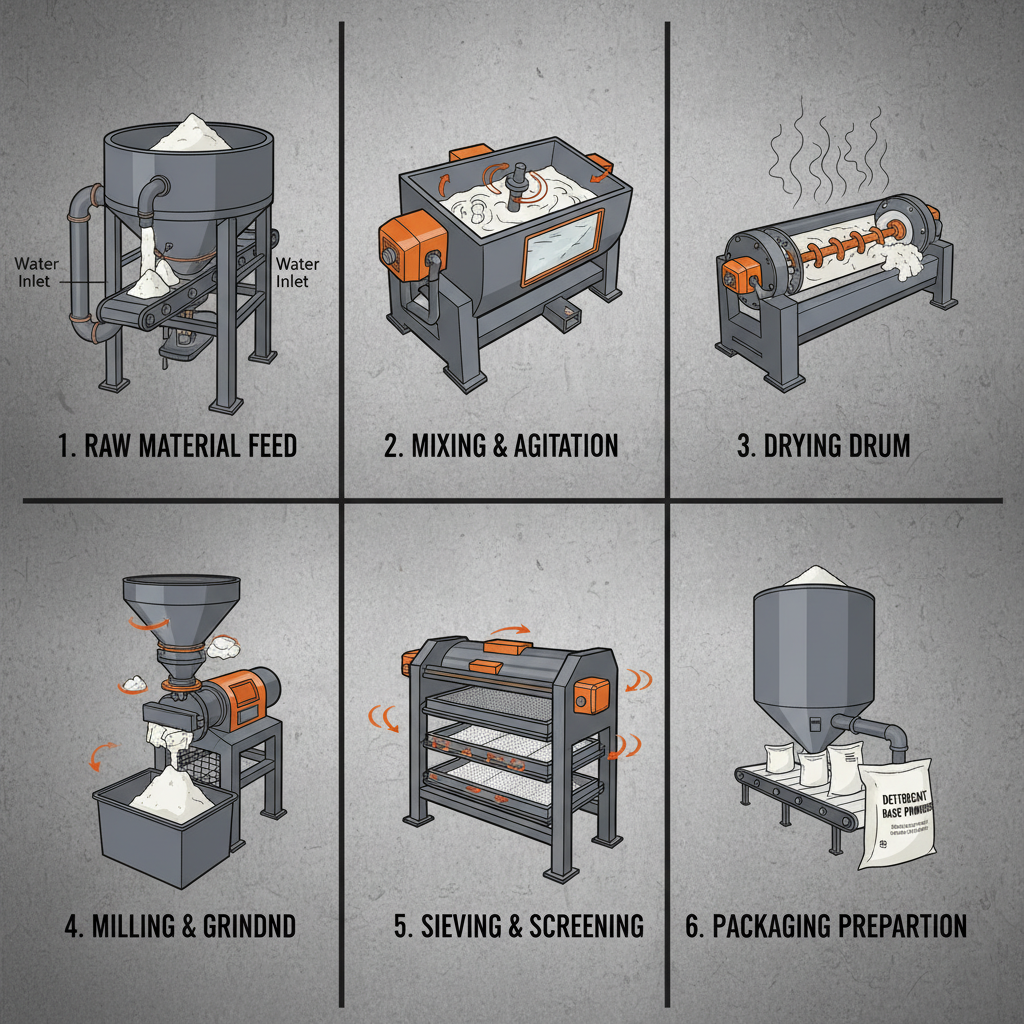
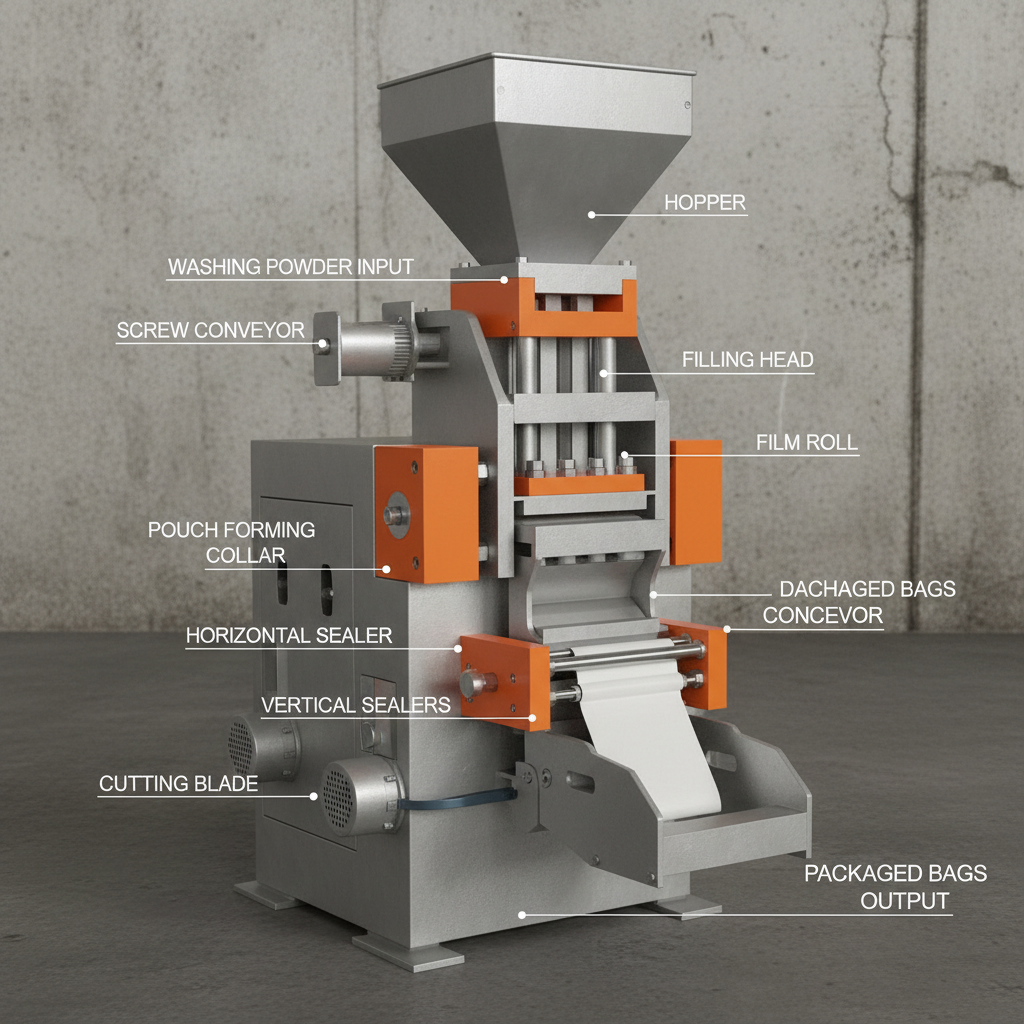
Different types of soap making equipment are available to cater to varying production scales and requirements. A bar soap making machine is specifically designed to produce uniform, high-quality bars suitable for retail and commercial purposes. Liquid soap production lines also benefit from specialized soap equipment that ensures smooth blending, proper viscosity, and accurate filling. Some soap making machines are multipurpose, capable of producing both bar and liquid soaps with minor adjustments. For larger operations, a commercial soap making equipment setup may include multiple automated units integrated into a full soap production line, allowing for continuous production and minimal human intervention. Additionally, advanced soap making machines feature programmable controls, temperature monitoring, and safety mechanisms, ensuring that even complex formulations can be produced efficiently. By choosing the right soap equipment, manufacturers can expand their product portfolio, improve output, and maintain consistent quality across all batches.
3. Key Features of a Modern Bar Soap Making Machine
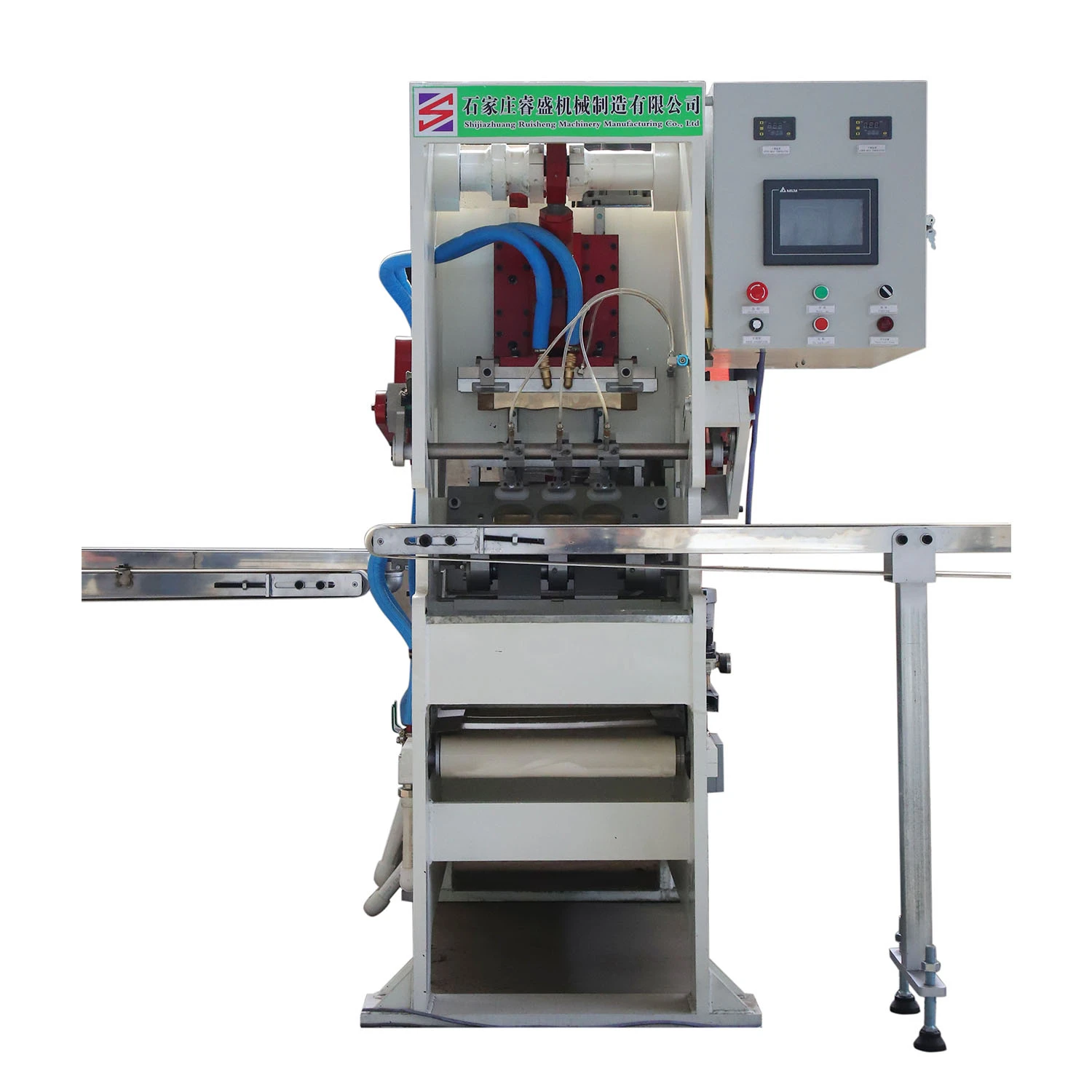
A bar soap making machine offers a range of features designed to enhance productivity and quality in soap production lines. High-precision molds and cutting mechanisms ensure that each soap bar is uniform in size, weight, and appearance. The mixing system in a bar soap making machine guarantees thorough blending of raw materials, including oils, fats, and additives, preventing inconsistencies in texture or fragrance. Automation features reduce manual labor, allowing operators to focus on quality control and supervision. Many soap making machines are constructed from stainless steel and food-grade materials, ensuring hygiene and compliance with industry standards. Furthermore, modern bar soap making machines are equipped with easy-to-clean components, reducing downtime and preventing contamination between batches. Incorporating a high-quality soap making machine into a soap production line ensures that manufacturers can consistently produce premium products while maintaining efficiency and cost-effectiveness.
4. Enhancing Efficiency with Commercial Soap Making Equipment
For large-scale operations, commercial soap making equipment is essential for maintaining high production volumes while ensuring consistent quality. Integrating a bar soap making machine and other specialized soap equipment into a soap production line allows for continuous, automated production. This setup reduces labor requirements and minimizes the risk of errors, ensuring that each batch meets exact specifications. Advanced commercial soap making equipment also provides flexibility to produce different types of soaps, including glycerin, herbal, or specialty bars. Automation features such as programmable timers, digital controls, and temperature monitoring improve precision and consistency across all batches. Additionally, the integration of multiple soap making machines within a soap production line enables manufacturers to scale production efficiently to meet market demand, reduce downtime, and maintain high-quality standards.
5. Maintenance and Longevity of Soap Making Machines
Regular maintenance is critical for ensuring the longevity and performance of soap making machines. Routine inspections of mixing blades, molds, and electrical components prevent breakdowns and maintain consistent product quality. Cleaning the machine thoroughly after each production cycle is essential to prevent contamination, particularly when producing multiple formulations. Modern soap equipment is designed for easy disassembly and cleaning, allowing operators to maintain hygiene and comply with regulatory standards. Proper maintenance of a bar soap making machine also reduces wear and tear, extending its operational life and ensuring reliable performance in a soap production line. Investing in high-quality soap making equipment along with diligent maintenance practices ensures consistent output, reduces operational costs, and maximizes the return on investment.
6. Future Trends in Soap Making Equipment
The evolution of soap making machines is driven by technological advancements, automation, and demand for higher efficiency. New soap equipment integrates smart controls, IoT monitoring, and energy-efficient motors to optimize production and reduce costs. Advanced bar soap making machines now feature modular designs, allowing manufacturers to upgrade or expand their soap production lines as needed. Additionally, sustainability has become a key consideration, with modern soap making equipment designed to minimize energy consumption, reduce waste, and handle eco-friendly raw materials. The adoption of advanced commercial soap making equipment enables manufacturers to stay competitive, meet market trends, and produce high-quality products efficiently. Embracing these innovations ensures that a soap making machine remains a valuable asset in the modern pharmaceutical, cosmetic, and personal care industries.
Conclusion
A soap making machine is a cornerstone of modern soap production lines, offering efficiency, consistency, and versatility. Whether producing bars, liquid soaps, or specialty formulations, investing in high-quality soap making equipment ensures uniformity, reduces labor costs, and maintains product quality. Bar soap making machines and commercial soap making equipment provide automation, precision, and scalability, making them indispensable for both small-scale operations and large industrial manufacturers. By integrating advanced soap equipment into a soap production line, businesses can optimize production, meet market demand, and maintain competitive advantages in the ever-growing personal care industry.