Introduction
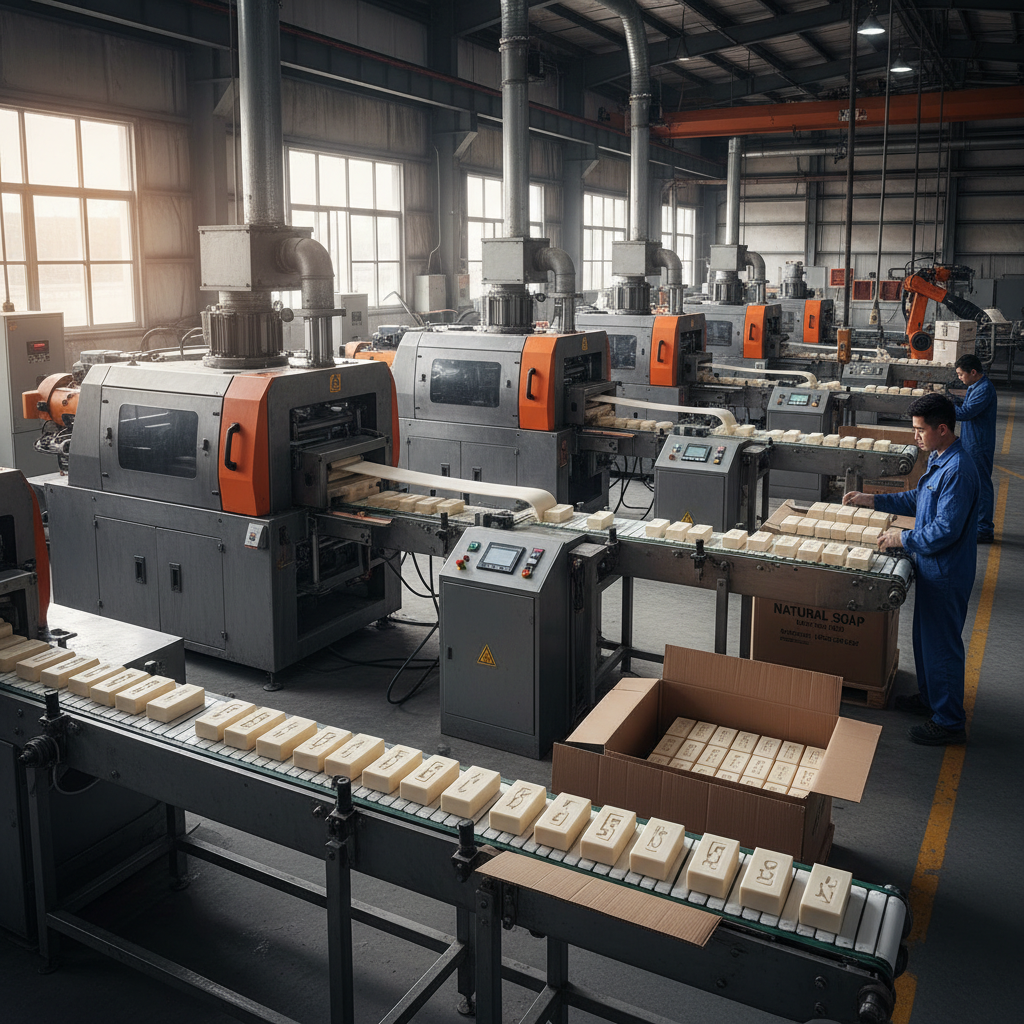
Soap making equipment is a critical component for modern soap manufacturing, enabling businesses to produce high-quality, consistent products efficiently. Whether for small-scale artisanal production or large industrial operations, investing in advanced soap making equipment ensures precision, speed, and hygiene throughout the production process. From mixing and blending to molding and packaging, soap making equipment simplifies complex operations, reduces labor costs, and maintains product uniformity. By integrating state-of-the-art soap making machines into a soap production line, manufacturers can optimize workflow, minimize waste, and meet growing market demands. Modern soap equipment supports a variety of formulations, including bar soaps, liquid soaps, and specialty soaps, making it a versatile solution for every type of manufacturer.
1.Types of Soap Making Equipment for Modern Production
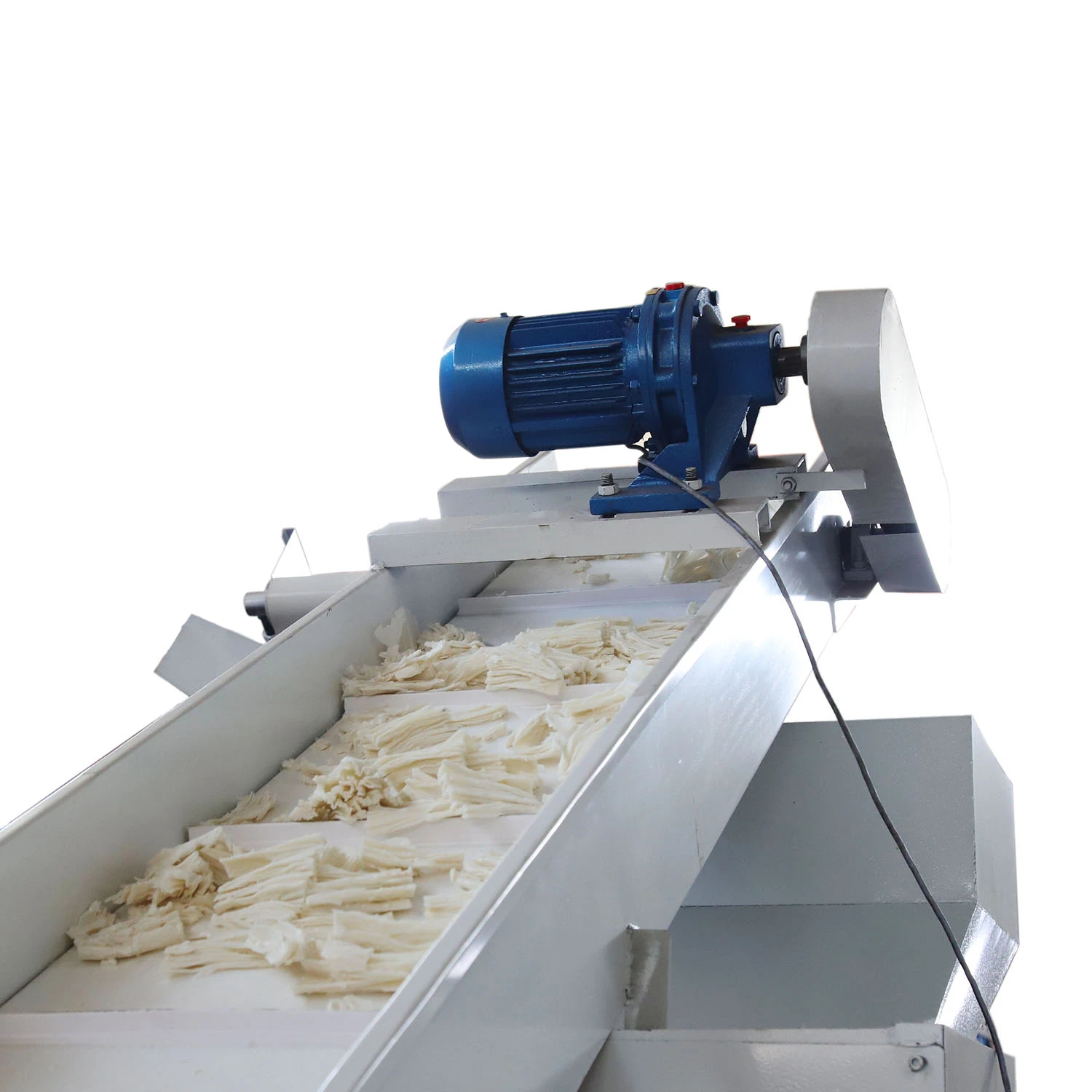
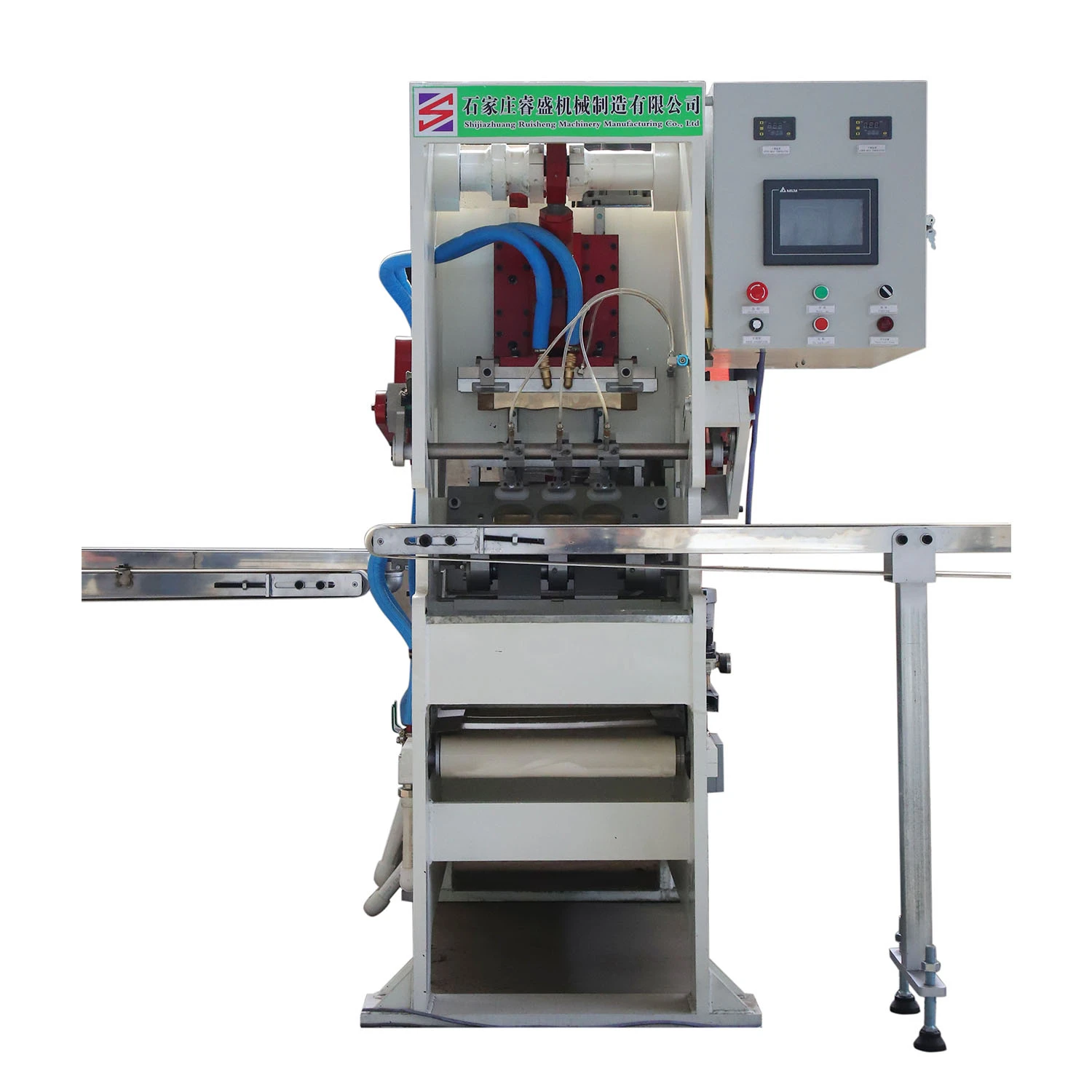
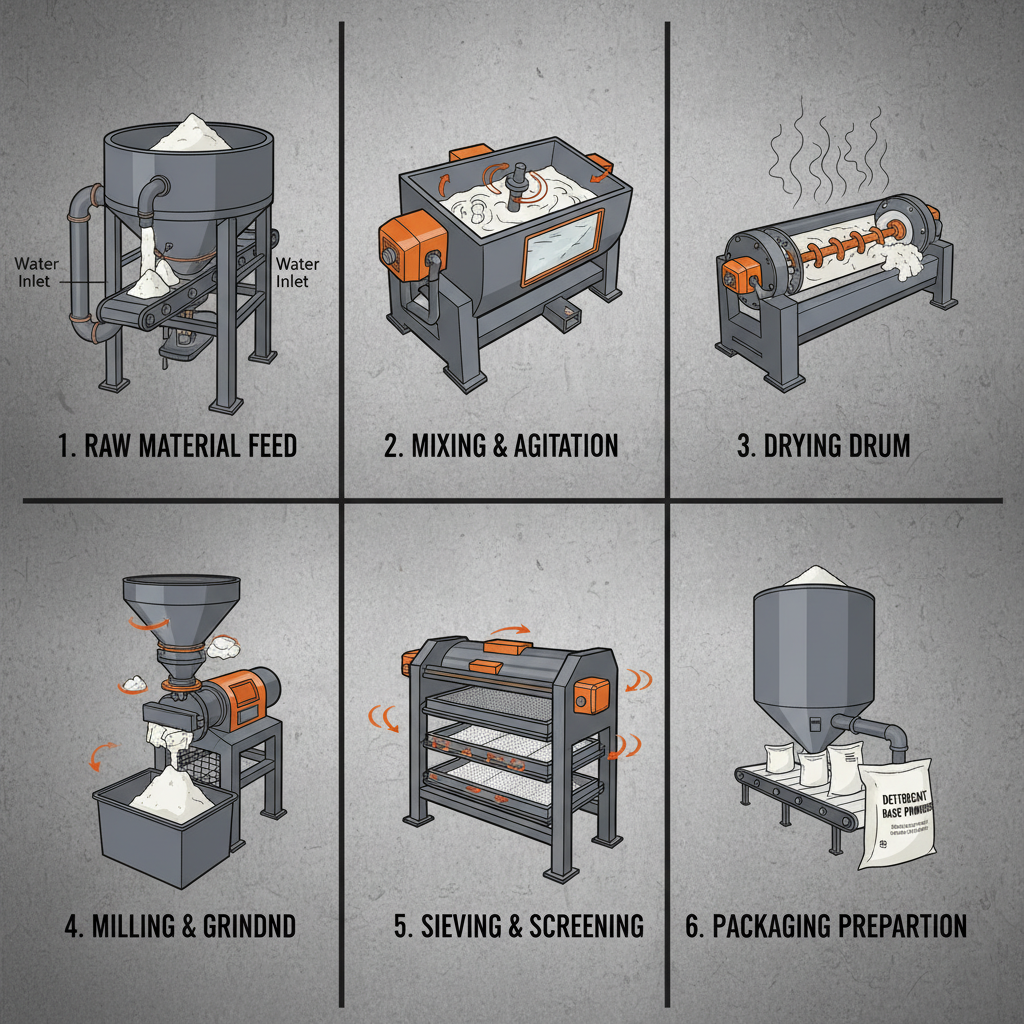
Various types of soap making equipment are designed to meet the diverse needs of soap manufacturers. Bar soap making machines are used for shaping and cutting uniform soap bars, ensuring consistent size, weight, and appearance. Mixers and blenders facilitate uniform distribution of active ingredients and excipients, critical for product quality and regulatory compliance. Specialized soap equipment is available for liquid soap, transparent soap, and glycerin soap production, providing precision handling and processing. For larger operations, commercial soap making equipment integrates multiple machines into a complete soap production line, allowing continuous production with minimal manual intervention. Selecting the appropriate soap making equipment ensures that manufacturers can meet production goals efficiently while maintaining high standards for quality and consistency.
2. Benefits of Using Advanced Soap Making Equipment
Using modern soap making equipment brings significant advantages to manufacturers. Automated soap making machines reduce labor requirements and human error, ensuring consistent product quality. High-precision molds in bar soap making machines maintain uniformity across batches, enhancing brand reputation and consumer satisfaction. Advanced soap equipment features programmable controls, temperature monitoring, and safety mechanisms, allowing manufacturers to produce complex formulations efficiently. By incorporating commercial soap making equipment into a soap production line, businesses can increase production speed, reduce downtime, and optimize raw material usage. The result is higher efficiency, lower production costs, and reliable output that meets market demand and regulatory standards.
3. Enhancing Product Quality with Soap Making Equipment
Maintaining product quality is a top priority for any soap manufacturer, and soap making equipment plays a key role. Bar soap making machines ensure uniform shape and weight, while mixers and blenders guarantee even distribution of ingredients. Advanced soap equipment also minimizes contamination risks by incorporating food-grade materials and hygienic designs. Automated cleaning and disassembly features make maintenance easy, supporting compliance with Good Manufacturing Practices (GMP) and other regulatory requirements. Using high-quality soap making equipment within a soap production line helps maintain consistent product texture, fragrance, and performance, ensuring that each batch meets consumer expectations and industry standards.
4. Efficiency and Automation in Soap Production
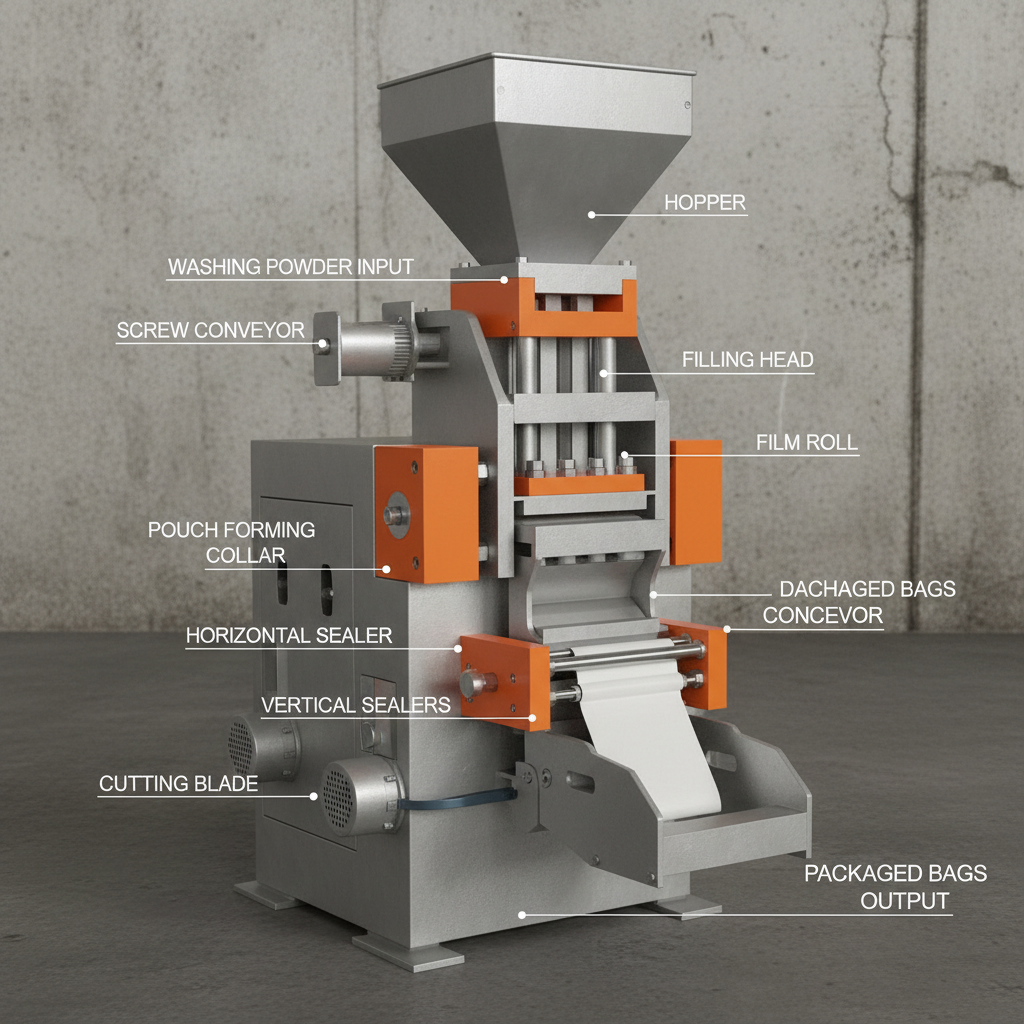
Automation is a major advantage of modern soap making equipment, providing faster, more consistent production. Automated soap making machines handle mixing, molding, cutting, and packaging with minimal manual intervention. This ensures uniform results across batches and reduces the risk of errors or contamination. Advanced commercial soap making equipment includes programmable logic controllers, sensors, and digital displays, allowing precise control of mixing speed, temperature, and production timing. By incorporating automated soap equipment into a soap production line, manufacturers can improve workflow, increase output, and meet growing market demand efficiently. Automation also allows for scalability, enabling businesses to expand production without significant additional labor costs.
5. Maintenance and Longevity of Soap Making Equipment
Proper maintenance of soap making equipment is crucial for reliability and long-term efficiency. Regular inspections, lubrication, and cleaning of bar soap making machines, mixers, and molds prevent breakdowns and maintain consistent performance. Advanced soap equipment is designed for easy disassembly, cleaning, and sanitization, reducing contamination risks and downtime. Routine checks of motors, sensors, and electrical components help detect issues early, minimizing the cost of repairs. Using durable, high-quality commercial soap making equipment extends the operational life of a soap production line, ensuring consistent output and protecting the manufacturer’s investment. Preventive maintenance also supports compliance with GMP and other regulatory standards, maintaining product quality and operational safety.
6. Scalability and Flexibility in Soap Production
Modern soap making equipment offers scalability and flexibility, essential for manufacturers aiming to expand or diversify their product offerings. Bar soap making machines and other soap equipment can be integrated into modular soap production lines, allowing businesses to increase capacity or add new product types with minimal adjustments. Specialized commercial soap making equipment supports multiple formulations, including herbal, glycerin, and liquid soaps, catering to niche markets. This flexibility enables manufacturers to respond quickly to changing consumer preferences, launch new products efficiently, and remain competitive in the market. Scalable soap making equipment ensures long-term adaptability and growth potential for any soap production facility.
7. Future Trends in Soap Making Equipment
The evolution of soap making equipment is driven by automation, sustainability, and technological innovation. New machines feature energy-efficient motors, smart controls, and IoT integration to optimize production and reduce operational costs. Advanced bar soap making machines now support modular designs, allowing manufacturers to upgrade or expand soap production lines easily. Sustainability has become a focus, with commercial soap making equipment designed to minimize waste, reduce energy consumption, and handle eco-friendly raw materials. Manufacturers adopting modern soap equipment can achieve higher efficiency, maintain consistent product quality, and meet evolving regulatory and market demands, ensuring long-term competitiveness in the soap industry.
Conclusion
Soap making equipment is the foundation of efficient, high-quality soap production. By integrating advanced soap making machines, bar soap making machines, and commercial soap making equipment into a soap production line, manufacturers can enhance productivity, ensure consistent product quality, and reduce labor and operational costs. Modern soap equipment supports automation, scalability, and flexible production, enabling businesses to meet growing market demand and maintain regulatory compliance. Investing in high-quality soap making equipment ensures that manufacturers can produce reliable, premium soap products efficiently while staying competitive in the dynamic soap industry.