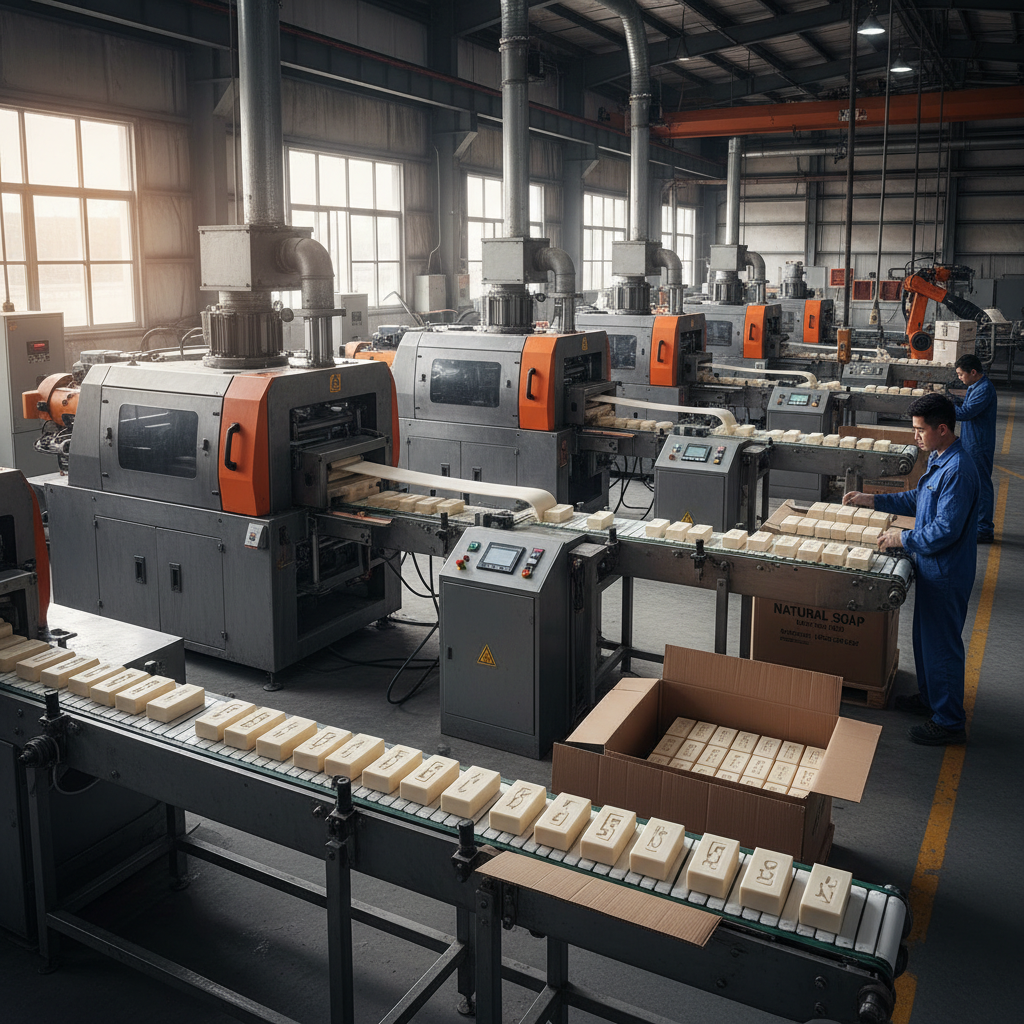
Soap Impression Stamps: A Small Tool with Big Industrial Impact
Having spent quite a few years working in the industrial equipment sector, I can tell you that sometimes the simplest tools get overlooked — until you really need them. Take soap impression stamps, for instance. You wouldn't expect a little metal or silicone block to matter much in the grand scheme of soap production, but oddly enough, these stamps often define the look and identity of a finished bar.
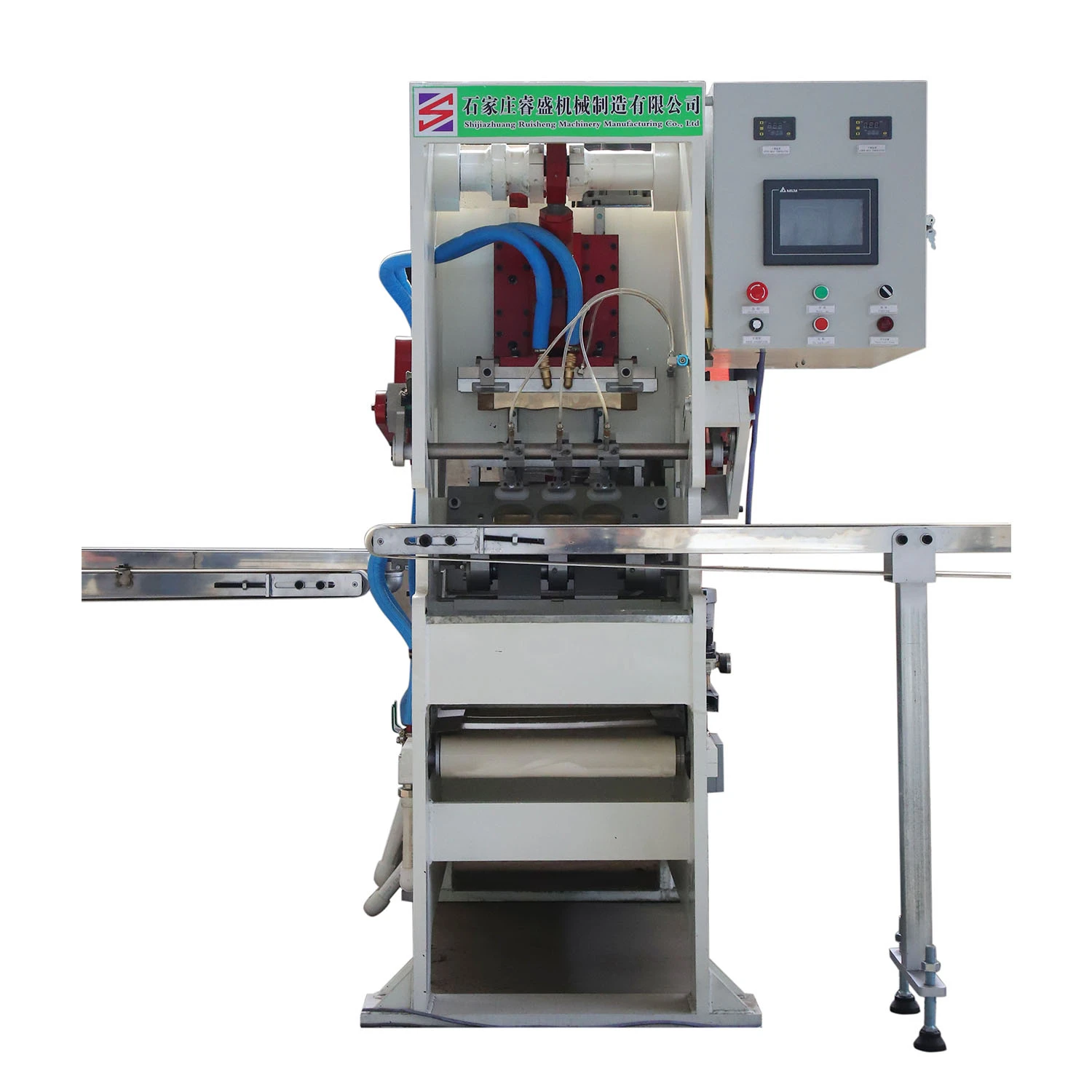
First off, let's dial in on what a soap impression stamp actually is: essentially, it's a device used to imprint logos, patterns, or details onto soap bars while they're still soft. They can be custom-designed or standard templates, varying largely by material — brass and stainless steel dominate, but flexible silicone options are growing in popularity because they handle intricate designs better and don’t rust.
In real terms, quality matters a lot. I've seen cheaper, poorly made stamps leave blotchy or uneven impressions. Frankly, no brand wants their soap to look amateurish on a crowded shelf. Many engineers I've worked with emphasize durability, especially if your production line is high volume. You want a tool that can withstand hundreds or thousands of impressions per day without warping or degrading.
| Specification | Details |
|---|---|
| Material | Brass, Stainless Steel, Silicone |
| Typical Dimensions | 50mm – 150mm (customizable) |
| Customization | Available (logos, patterns, fonts) |
| Impression Depth | 0.5mm – 2mm |
| Operating Temperature | Up to 250°C (for metal stamps) |
| Lifespan | Up to 10,000 impressions (varies by material) |
Speaking of customization — this is where things get interesting. I've noticed that brands putting a little personality into their soap bars actually sell better. Whether it’s an artisan’s signature monogram or a seasonal design, personal touches made possible by these stamps create an emotional tie with customers. It's kind of fascinating how a small design pressed into soap can boost brand recognition.
Now, about vendors... I’ve worked with a handful over the years, and from experience, reliability and post-sale support really stand out. Here’s a quick comparison of three popular suppliers I’ve encountered:
| Vendor | Material Options | Customization Lead Time | Price Range | Customer Support |
|---|---|---|---|---|
| RS Soap Machine | Brass, Stainless Steel, Silicone | 2-3 weeks | $$ | Responsive, technical expertise |
| StampCo | Primarily Brass | 3-4 weeks | $ | Basic, limited customization |
| Impression Masters | Silicone, Specialty Polymers | 1-2 weeks | $$$ | Highly customizable, premium support |
Funny enough, one small soap brand I worked with told me that after switching to custom stamps by RS Soap Machine, their wholesale orders started to grow. Customers mentioned they loved the unique branding visible on every bar — and I suppose that speaks volumes about the power of a simple impression.
In testing, I always recommend checking how the stamp holds up after repeated use on different soap bases, as glycerin soaps behave differently than traditional hard soaps. Also, keep in mind the temperature compatibility if you're pressing impressions hot versus cold.
Ultimately, soap impression stamps aren’t just “nice to have” — they’re part of the identity and quality statement your soap makes to the world. If you’re in the business of making bars, I’d say investing in a good stamp is sort of like signing your name on every one, for customers to see.
It's been rewarding, over the years, to see how a small piece of equipment can influence product success. So, next time you pick up a bar of soap, take a moment to notice the little details stamped on it — there’s a story behind that impression, and sometimes, a lot of expertise too.
References:
1. Industry standards on soap tooling and equipment
2. User case studies from manufacturers
3. Technical materials on impression stamp durability