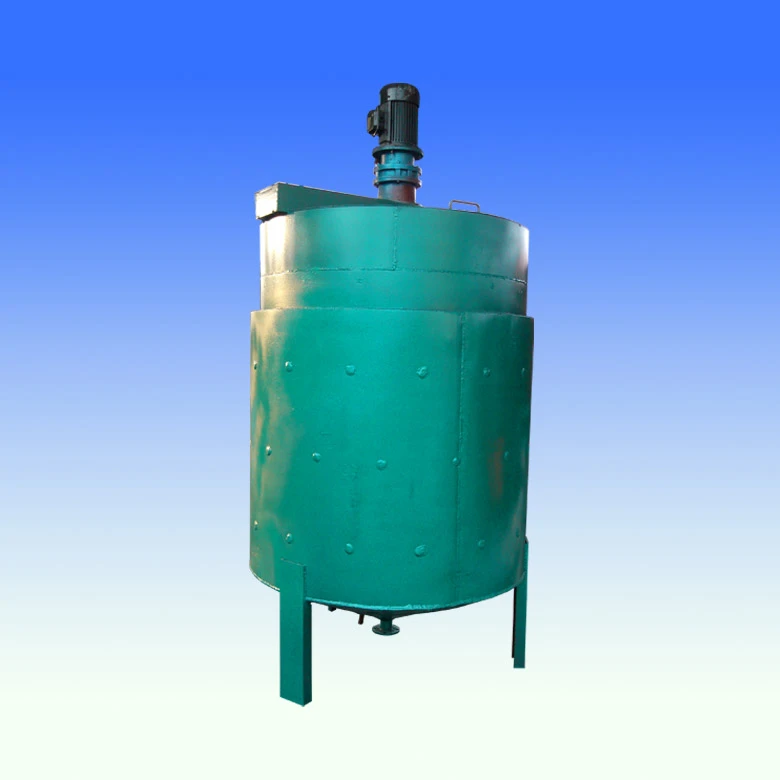
Advanced Cold Press Soap Machine Solutions for New Zealand's Artisan Market

Precision engineering for high-quality sustainable soap production, tailored to the environmental standards of New Zealand.

Advanced Cold Press Soap Machine Solutions for New Zealand's Artisan Market

Empowering New Zealand's personal care manufacturers with high-efficiency vacuum extrusion and refining technology for superior bar soap quality.

The Landscape of Soap Manufacturing in New Zealand

Analyzing the shift towards organic, sustainable, and artisanal production in the Oceania region.

New Zealand's manufacturing sector is characterized by a strong commitment to "Clean & Green" branding. In the specialty chemical and daily chemical equipment field, there is a growing demand for machines that can handle natural ingredients without compromising the integrity of the organic compounds. The local market is shifting from mass industrial production to high-value, artisanal batches.

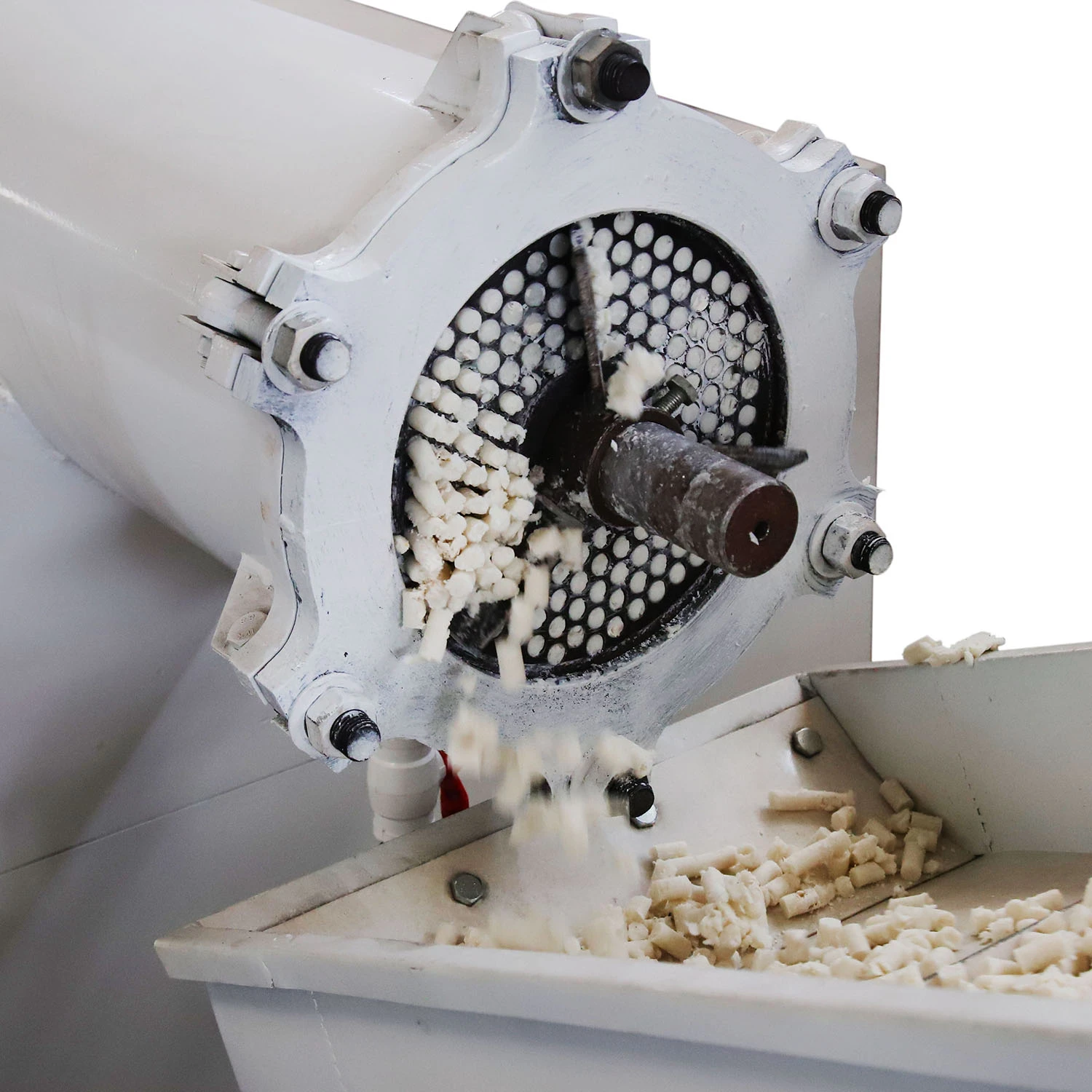
Due to strict environmental regulations and a consumer base that prioritizes biodegradability, the integration of a duplex vacuum plodder has become essential. This technology ensures that air bubbles are eliminated, resulting in a denser, longer-lasting bar that meets the premium quality expectations of New Zealand consumers.

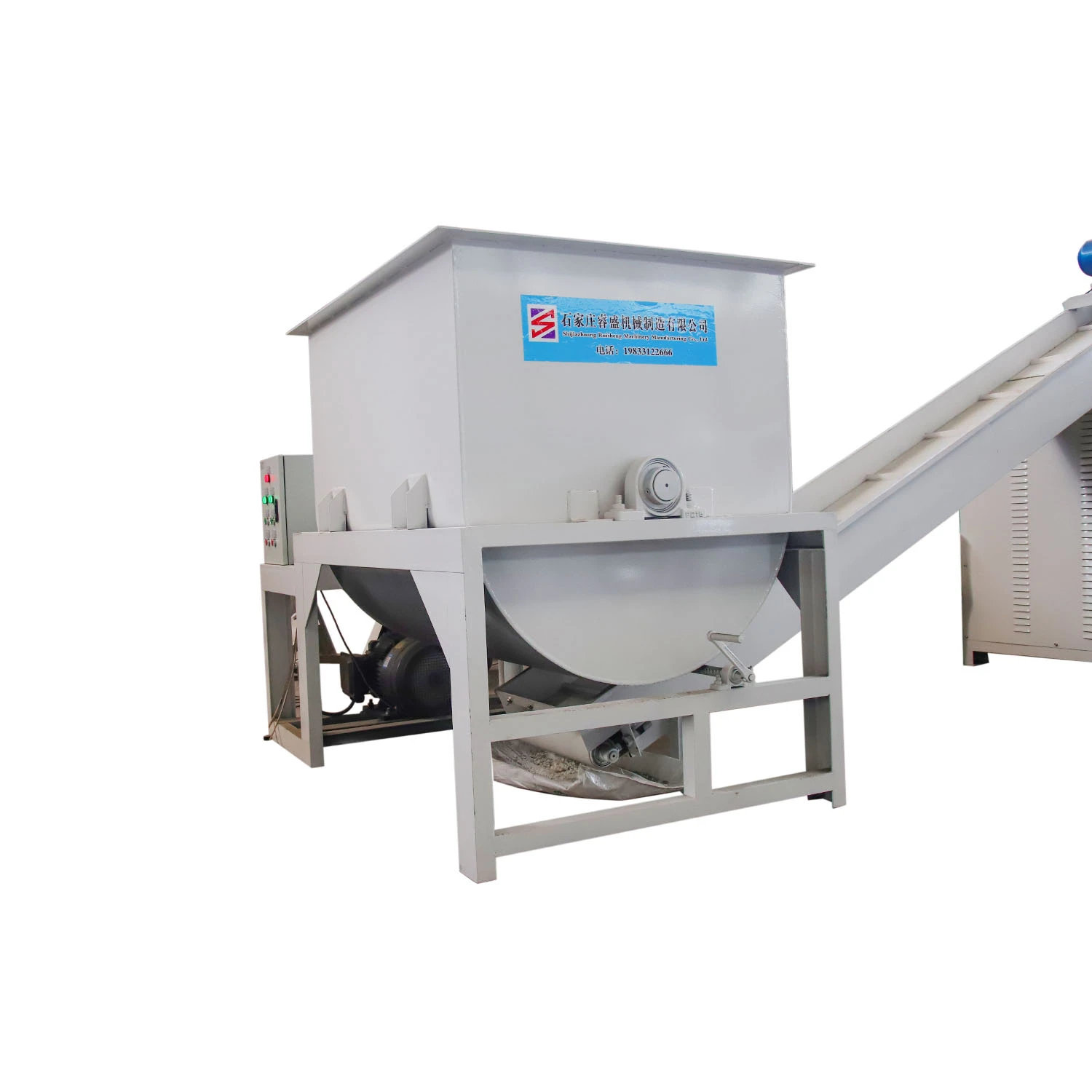
Furthermore, the geography of New Zealand, with its dispersed boutique workshops, requires versatile and compact equipment. The adoption of a soap roller machine allows small-to-medium enterprises (SMEs) to maintain professional output levels while keeping a small physical footprint and minimizing energy consumption.
Technical Evolution and Growth Trajectory

From manual pressing to automated vacuum extrusion technology.

Market Development History

Historically, the New Zealand soap market relied on traditional cold-process stirring and manual molding. Between 1990 and 2010, the industry saw the introduction of basic mechanical presses, but these often suffered from inconsistent density and air pockets, affecting the shelf life of the product.

Around 2015, a technical pivot occurred with the introduction of the extruder vacuum. This shift allowed manufacturers to control the homogenization process more precisely, significantly reducing the production cycle and improving the surface finish of the soap bars.

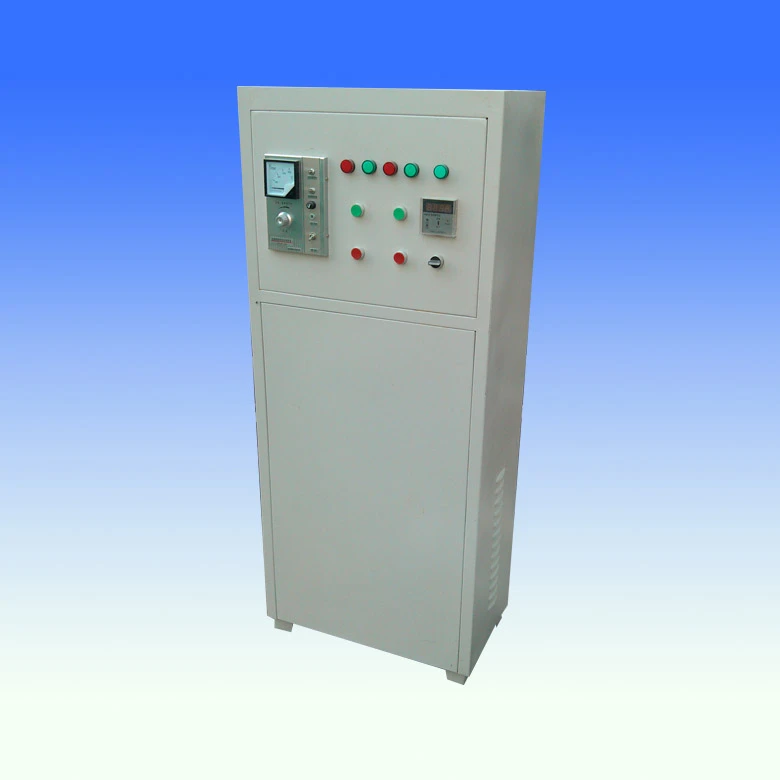
In the last five years, the trajectory has moved toward "intelligent precision." The integration of PLC controls and advanced vacuum systems has allowed for the mass customization of luxury bars, enabling the transition from simple hygiene products to therapeutic skincare tools.

Future Development Trends

Eco-Friendly Energy Integration

We predict a move toward low-carbon machinery that integrates with New Zealand's renewable energy grid, focusing on reducing the thermal energy required during the plodding process.

Modular Automation for SMEs

The rise of "micro-factories" will drive the demand for modular dish bar making machine setups that can be expanded as the business grows without replacing the core infrastructure.

Zero-Waste Production Loops

Future machinery will focus on the total recirculation of soap scraps, utilizing high-pressure vacuum systems to re-process waste materials back into prime-grade bars without quality loss.

Future Trends & Strategic Outlook

Mapping the next 3-5 years of chemical equipment innovation in Oceania.

Hyper-Vacuum Homogenization
Advancing toward ultra-low pressure environments to create medical-grade soap textures with zero air inclusion.
Smart Sensor Integration
Implementation of IoT sensors to monitor viscosity and temperature in real-time for perfect batch consistency.
Biodegradable Material Compatibility
Designing screw geometries that handle high-viscosity organic fats without overheating or degradation.
Rapid Prototype Molding
Interchangeable nozzles for rapid switching between different product shapes and sizes.

Industry Outlook

Based on search trend data in Oceania, there is a significant spike in keywords related to "sulfate-free" and "cold-pressed" production. This indicates that the market is moving away from chemical-heavy processing toward physical-pressure extrusion.

The future of the New Zealand soap industry lies in the intersection of traditional craftsmanship and high-precision machinery. By implementing a dish bar making machine that emphasizes purity and minimal processing, brands can capture the premium organic segment.

Localized Application Scenarios in New Zealand

Real-world implementations of our equipment across the North and South Islands.

1. Auckland Boutique Organic Soap Studio

Implementation of a small-scale cold press soap machine to produce limited-edition botanical bars using native Manuka honey extracts, focusing on preserving bio-active ingredients.

2. Canterbury Industrial Detergent Plant

Deployment of a high-capacity duplex vacuum plodder for the mass production of sustainable dish bars, ensuring high density and low water solubility for longer use.

3. Queenstown Eco-Hotel Amenity Supplier

Using a precision soap roller machine to create uniform, branded guest soaps with customized shapes that reflect the local alpine landscape.

4. Waikato Dairy-Based Soap Cooperative

Utilization of an extruder vacuum to process high-fat goat milk soap bases, eliminating air pockets that typically cause "soft spots" in milk-based bars.

5. Wellington Sustainable Home-Care Startup

Integrated dish bar making machine line for the production of zero-plastic kitchen soaps, targeting the urban zero-waste movement in the capital city.

Brand Story

Global Development Journey of Shijiazhuang Raisheng Machinery Manufacturing Co., Ltd.

Founding Vision

Established with the goal of solving the inconsistency in soap density and texture, focusing on high-pressure vacuum technology.

Technical Breakthrough

Developed the proprietary duplex vacuum system, reducing air inclusion in soap bars by 98% compared to traditional methods.

Global Expansion

Expanded into the Oceania market, tailoring equipment to meet the strict environmental and safety standards of New Zealand.

Innovation Leadership

Pioneered the integration of PLC automation in compact plodders, enabling small workshops to achieve industrial-scale precision.

Sustainable Future

Currently focusing on energy-efficient machinery to support the global transition toward zero-waste personal care manufacturing.

Comprehensive Soap Production Portfolio for New Zealand

From artisan startups to industrial plants, we provide the full spectrum of vacuum extrusion equipment.

New Zealand Market FAQs

Expert answers to common technical queries from our local partners.

How does a duplex vacuum plodder improve the quality of organic soaps?

A duplex vacuum plodder removes air pockets and moisture more effectively than single-stage machines, resulting in a smoother texture and increased hardness, which is crucial for organic bars that lack synthetic hardeners.

Can a cold press soap machine be used for different types of oils common in New Zealand?

Yes, our machines are designed to handle a wide variety of fatty acid profiles, including the higher unsaturated oil content found in locally sourced natural oils, without causing overheating.

What is the main advantage of an extruder vacuum over traditional mixing?

The extruder vacuum provides high-shear homogenization, which blends additives and fragrances more uniformly throughout the bar, preventing "streaking" and ensuring consistent potency in every piece.

Is a soap roller machine suitable for small-batch artisanal production?

Absolutely. The soap roller machine is ideal for boutique producers who need to move from manual rolling to a semi-automated process while maintaining a high level of craftsmanship.

What maintenance is required for a dish bar making machine in humid coastal areas?

We recommend using our stainless steel reinforced models and regular lubrication of the vacuum seals to prevent corrosion and ensure airtight performance in humid environments.

How do I select the right plodder capacity for a growing NZ business?

We suggest calculating your peak daily output and choosing a machine with 20% overhead capacity. Our modular systems allow you to start with a smaller unit and add modules as your volume increases.

Ready to Upgrade Your Production?

Contact our technical experts today to find the perfect equipment solution for your business in New Zealand.

Contact Us Now

If you are interested in our products, you can choose to leave your information here, and we will be in touch with you shortly.


phone
email
up

If you are interested in our products, you can choose to leave your information here, and we will be in touch with you shortly.