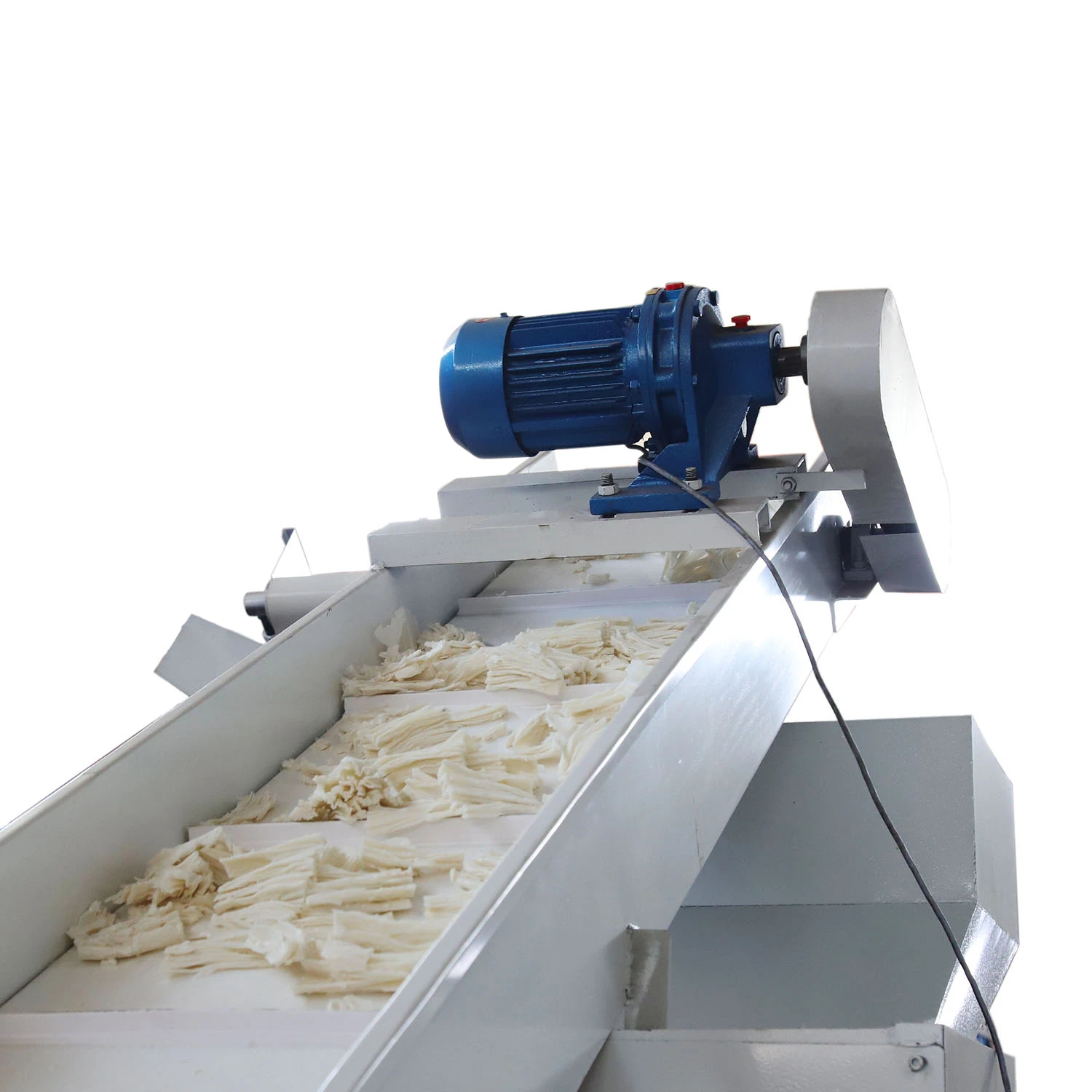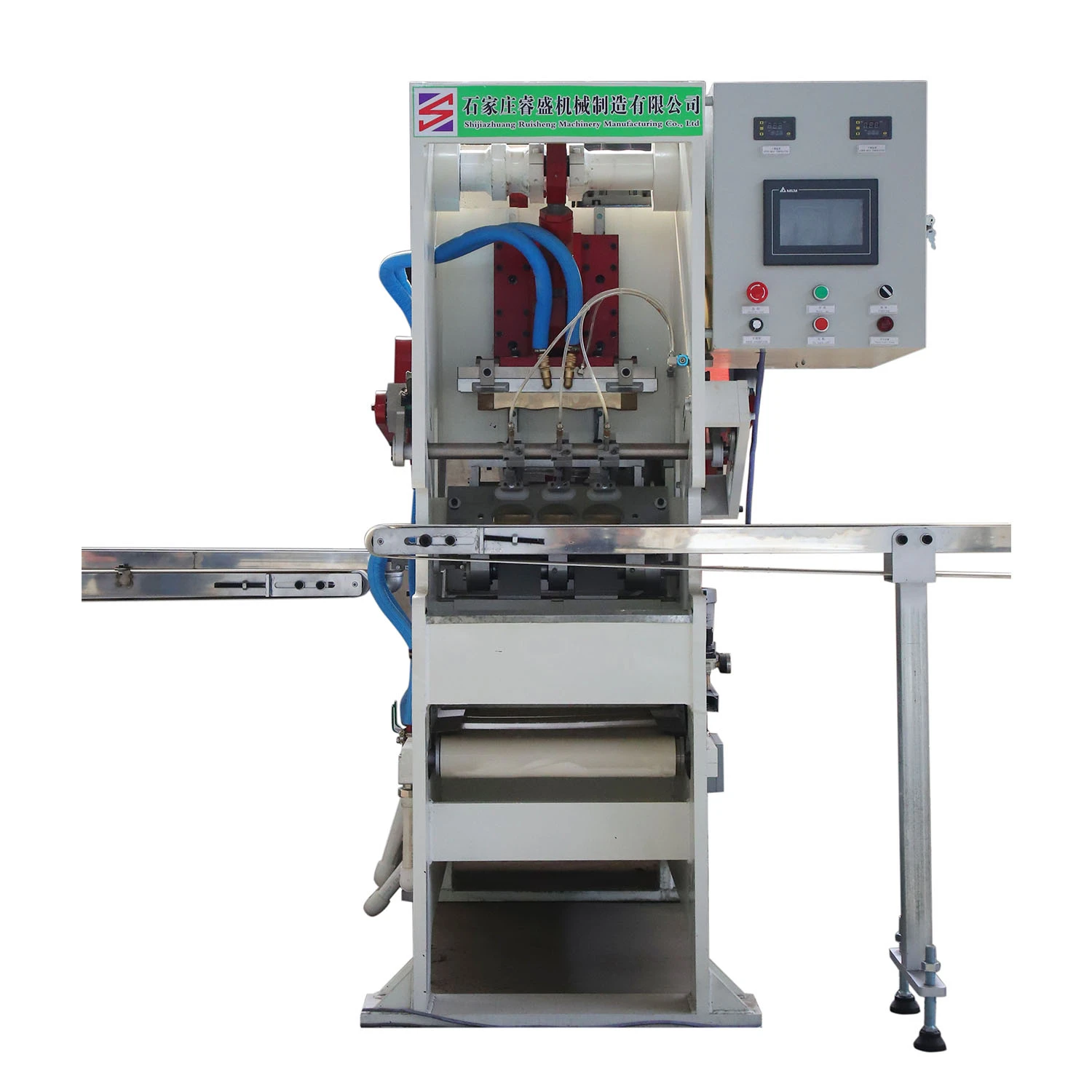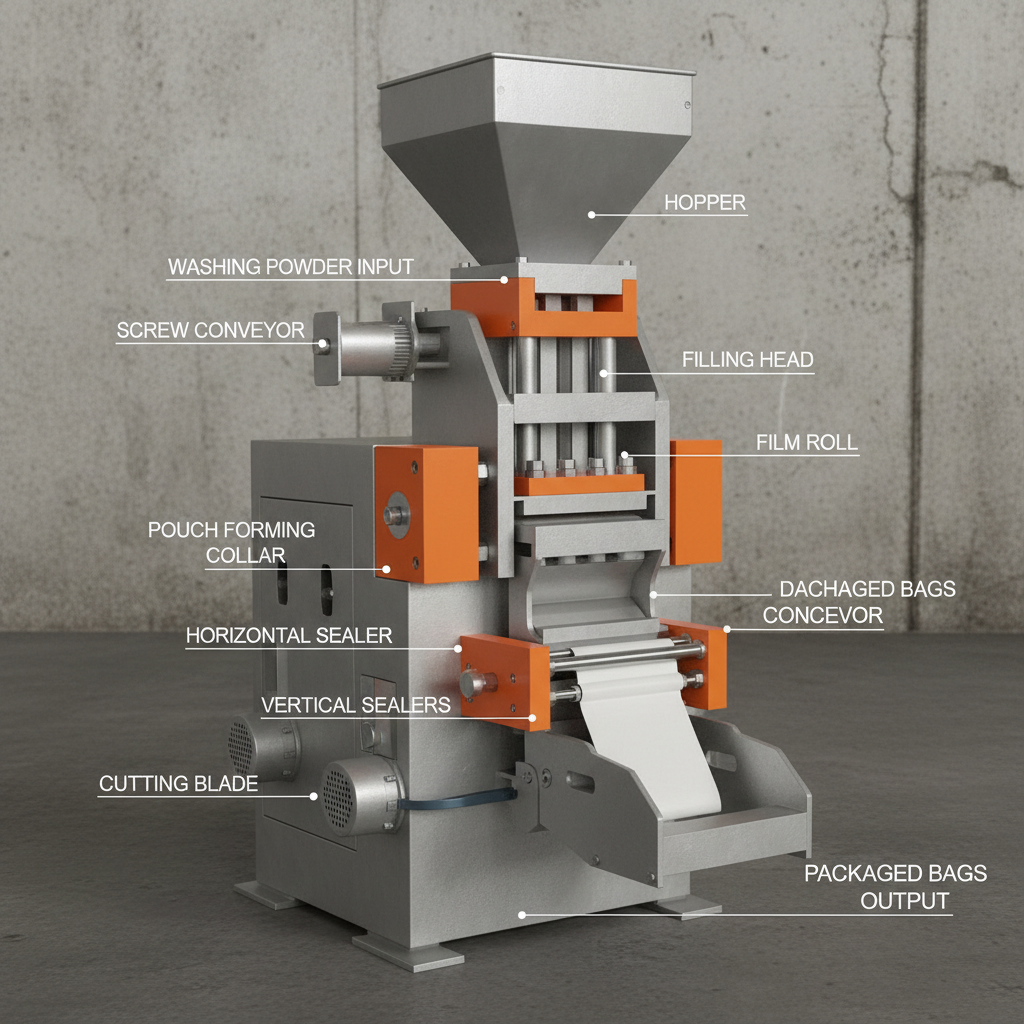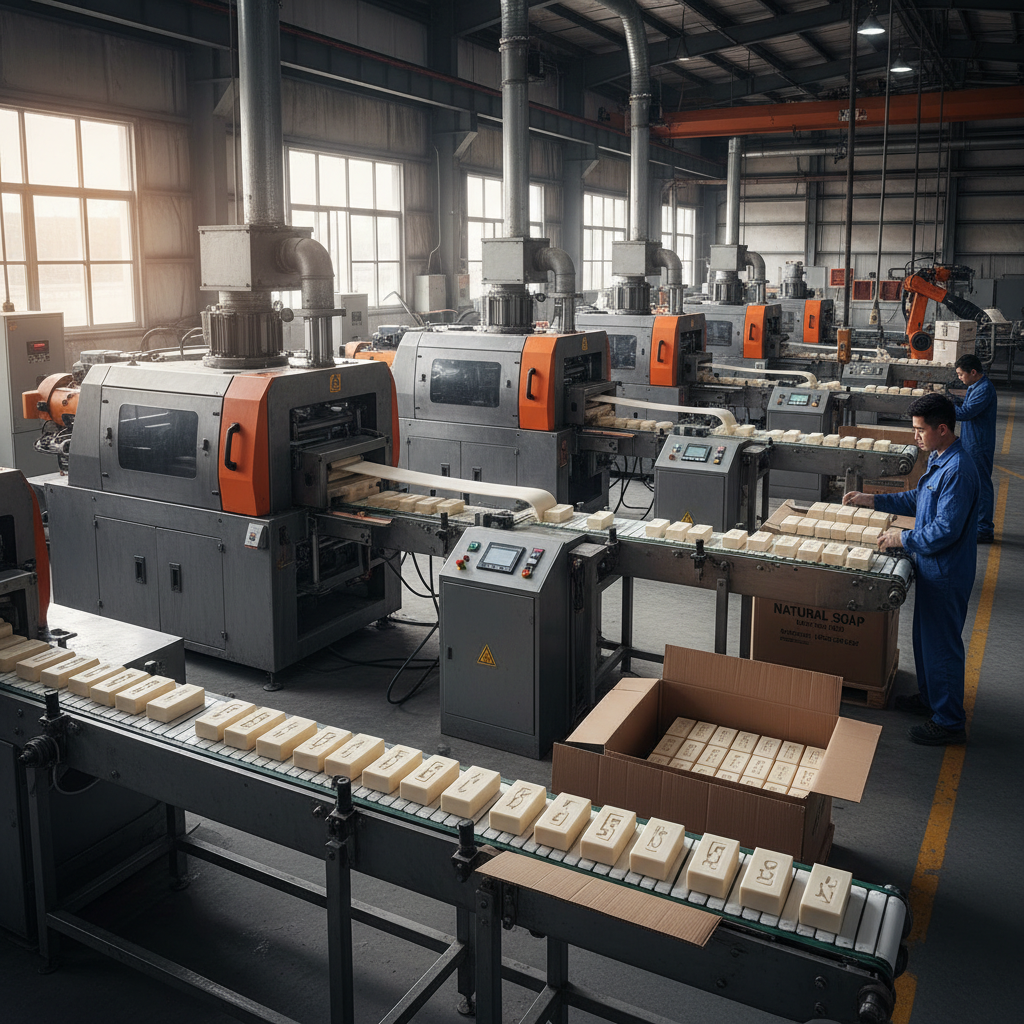
When I first walked the shop floor of a soap plant, the neat rows of polished metal and the steady hum of the drying cylinder felt deceptively simple — but they do a lot of heavy lifting. To be honest, this piece is a quiet workhorse in soap and detergent production, especially where color, fragrance and texture must stay consistent.
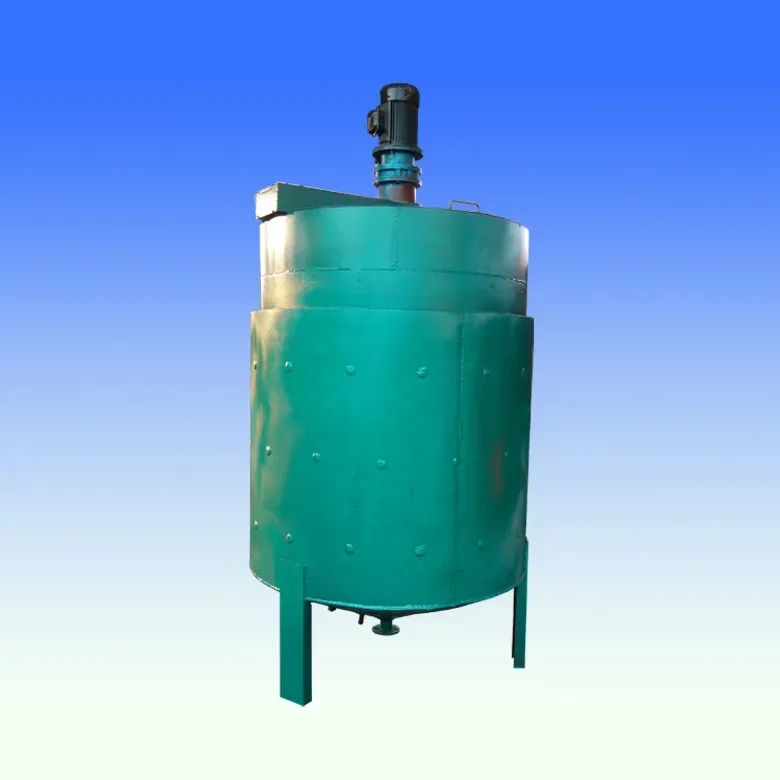
Industry trends & applications
The market is moving toward smaller footprints and higher energy efficiency. Manufacturers want machines that integrate sodium silicate, dyes and fragrance without rework. In practice, the drying cylinder is used for laundry soap, toilet soap, transparent soap and niche perfumed bars — basically whenever you need uniform moisture removal and gentle handling.
Technical specifications (typical)
|
Parameter |
Typical value |
|
Shell material |
Stainless steel 304/316 |
|
Diameter / Length |
≈ 0.5–2.0 m / 1–6 m (custom available) |
|
Heating medium |
Steam or hot oil |
|
Throughput |
around 200–2000 kg/h (real-world use may vary) |
|
Service life |
≈ 8–15 years with normal maintenance |
Process flow — materials & methods
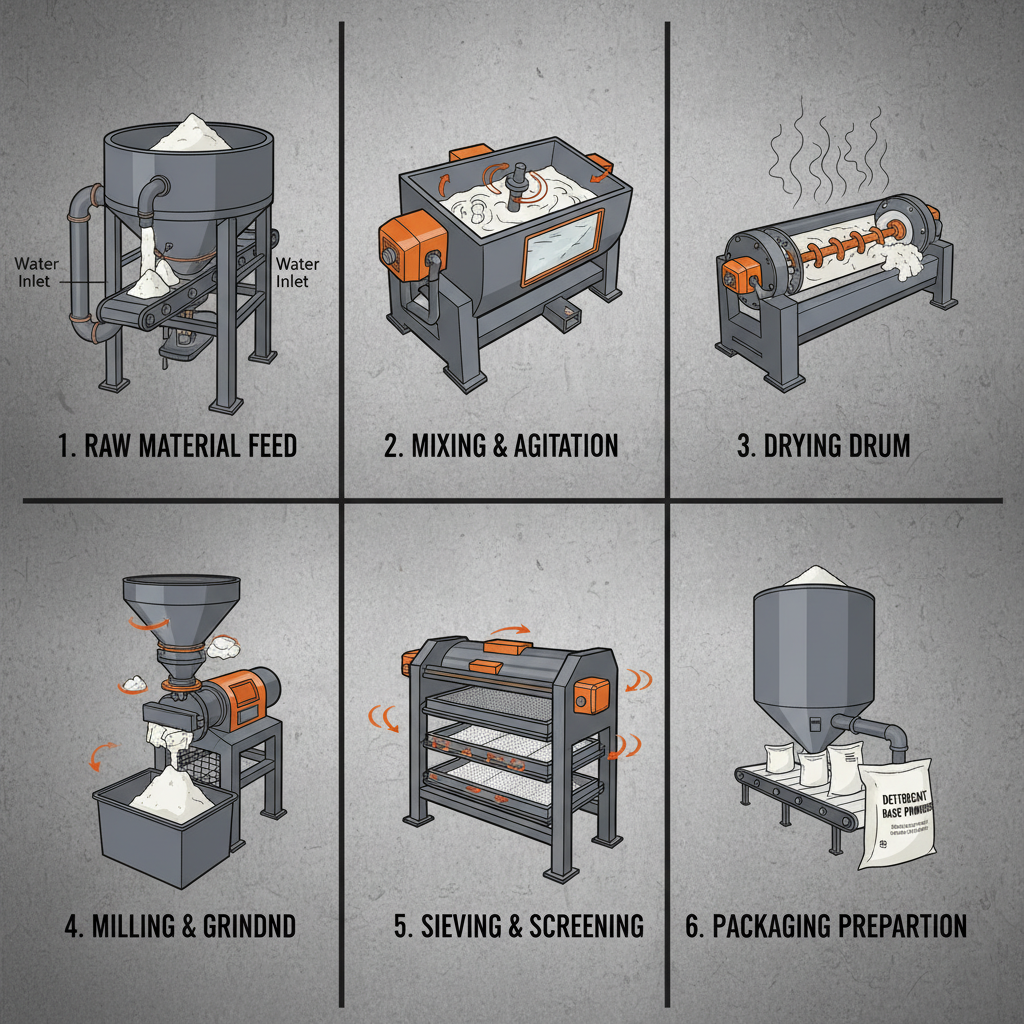
Typical sequence: soap base feed → uniform spreading → pre-heat zone → drying on the heated cylinder surface → scraping/collection. Methods vary: direct steam-jacketed cylinders for fast drying, or indirect hot-oil for temperature-sensitive fragrances. Quality control relies on moisture analyzers, fragrance retention testing and color uniformity checks (spectrophotometry). I’ve seen plants follow ISO 9001 procedures and run ASTM-style moisture tests to validate consistency.
Vendor comparison
|
Vendor |
Strength |
Lead time / Price |
|
RS Soap Machine |
Industry-focused designs; soap-integration expertise |
≈ moderate lead time / competitive |
|
Vendor B |
High-end automation; higher capex |
longer lead time / premium |
|
Local fabricator |
Lower cost; flexible sizing |
short lead time / variable quality |
Customization, testing & feedback
Customers often ask for custom jacket profiles, scraper materials (PTFE or steel) and integration with PID temperature control. Many customers say the best improvements come from small changes — a different scraper angle, slower web speed — that improve color and fragrance stability. Certification requests commonly include ISO 9001 and CE; test data typically covers moisture reduction curves and fragrance retention at specified temperature cycles.
Case snapshot
A mid-size detergent maker upgraded to a steam-jacketed unit and saw moisture variability drop from ±1.2% to ±0.3% across lots — translated into fewer rejects and steadier scent profiles. Real-world gains like that are why folks invest in purpose-built drying systems.
Final thought: if you’re sourcing a machine, think beyond headline throughput. Look at testing protocols, spare parts availability and whether the vendor understands soap chemistry. I guess it’s obvious, but those details make the difference between a machine that runs and one that really pays for itself.
References
- RS Soap Machine — Drying Cylinder product page
- ISO 9001:2015 — Quality management systems (applicable certification practices)
- ASTM D1640 — Standard Test Methods for Drying, Curing, or Film Formation of Organic Coatings (for moisture/drying test principles)