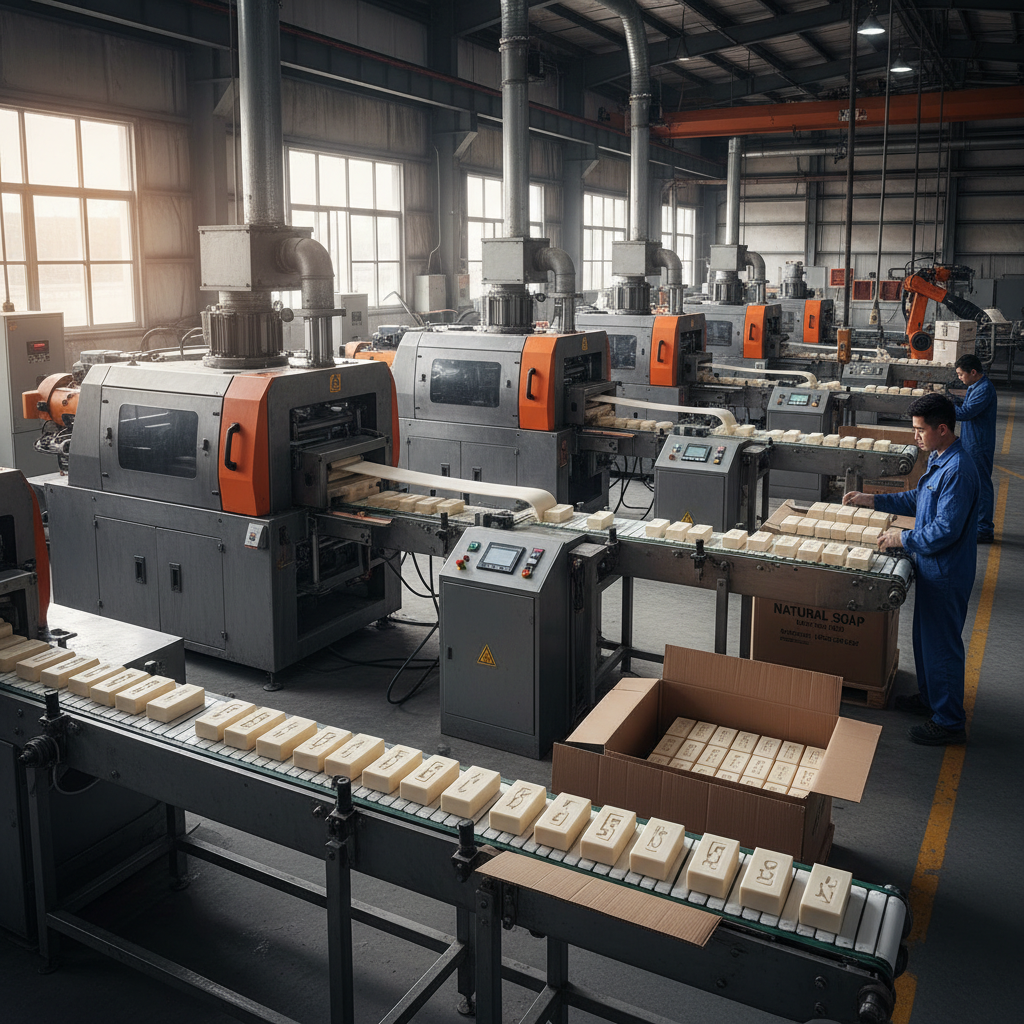
Choosing the Right Sand and Cement Mixing Machine for Your Project
Efficiently combining sand and cement is crucial for numerous construction and building projects. Selecting the right sand and cement mixing machine can dramatically improve your workflow, reduce labor costs, and ensure consistent material quality. This article will explore the different types of mixing machines available, key features to consider, and how to choose the best option for your specific needs. We will delve into the benefits of automated mixing versus manual processes and provide insights into selecting a reliable machine for long-term performance.
Understanding the Different Types of Sand and Cement Mixing Machines
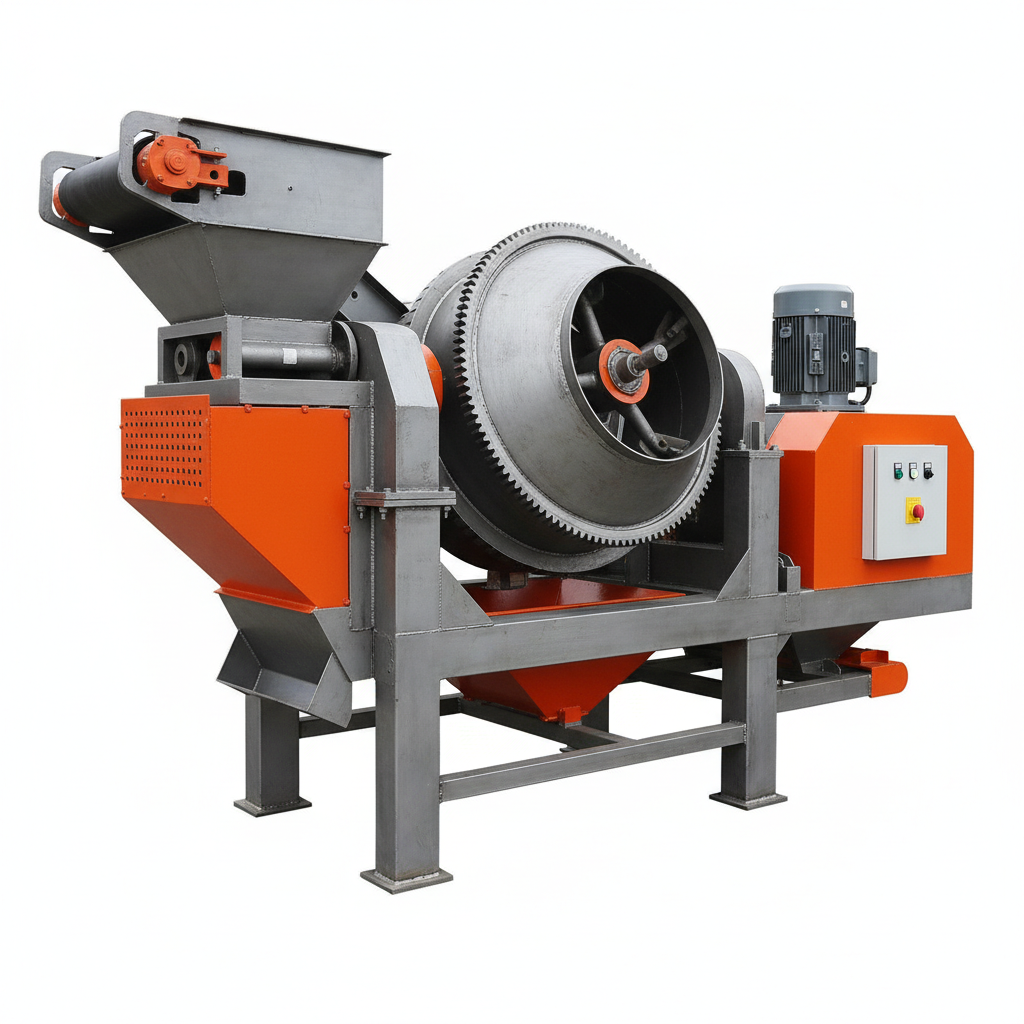
There's a diverse range of sand and cement mixing machines available, each suited for different project scales and material requirements. These can broadly be categorized into portable mixers, drum mixers, and pan mixers. Portable mixers are ideal for small to medium-sized jobs, offering easy maneuverability and relatively low costs. Drum mixers, commonly used for larger projects, feature a rotating drum that ensures thorough mixing. Pan mixers, known for their efficiency and ability to handle larger volumes, are frequently found on construction sites requiring high output. Choosing the right type depends on factors like project size, material volume, and budget constraints.
Key Considerations: Project scale, material volume, budget, portability requirements, and desired mixing consistency are all important factors in selecting the right machine.
Key Features to Look for in a Sand and Cement Mixing Machine
When evaluating sand and cement mixing machines, consider features such as motor power, drum capacity, mixing speed, and ease of cleaning. A more powerful motor is crucial for handling heavier loads and viscous mixtures. Drum capacity should align with your typical batch sizes. Adjustable mixing speeds provide greater control over the consistency of the mix. Look for machines with features like quick-release mechanisms for easy drum emptying and robust construction for durability. The availability of spare parts and reliable after-sales service is also a significant factor to consider.
Essential Features:
• Motor Power: Crucial for handling heavy loads.
• Drum Capacity: Align with typical batch sizes.
• Mixing Speed: Adjustability for consistency control.
• Durability: Robust construction for long-term performance.
A Comparison of Popular Sand and Cement Mixing Machine Types
Choosing between different types of machines can be challenging. Here's a comparison to help you decide. The suitability of each type depends on the specific demands of your projects. A larger construction company with ongoing large-scale projects may find a pan mixer more cost-effective in the long run, while a small contractor tackling occasional repairs may benefit from the portability of a drum mixer.
Benefits of Automated Mixing Over Manual Labor
Investing in a sand and cement mixing machine offers significant advantages over traditional manual mixing. Automated mixing ensures a consistent and homogenous blend, reducing the risk of weak spots in your concrete or mortar. It drastically reduces labor costs and physical strain on workers. A machine can consistently produce a higher volume of mix in a shorter timeframe, improving project efficiency. Furthermore, automated mixing minimizes material waste, leading to cost savings in the long run.
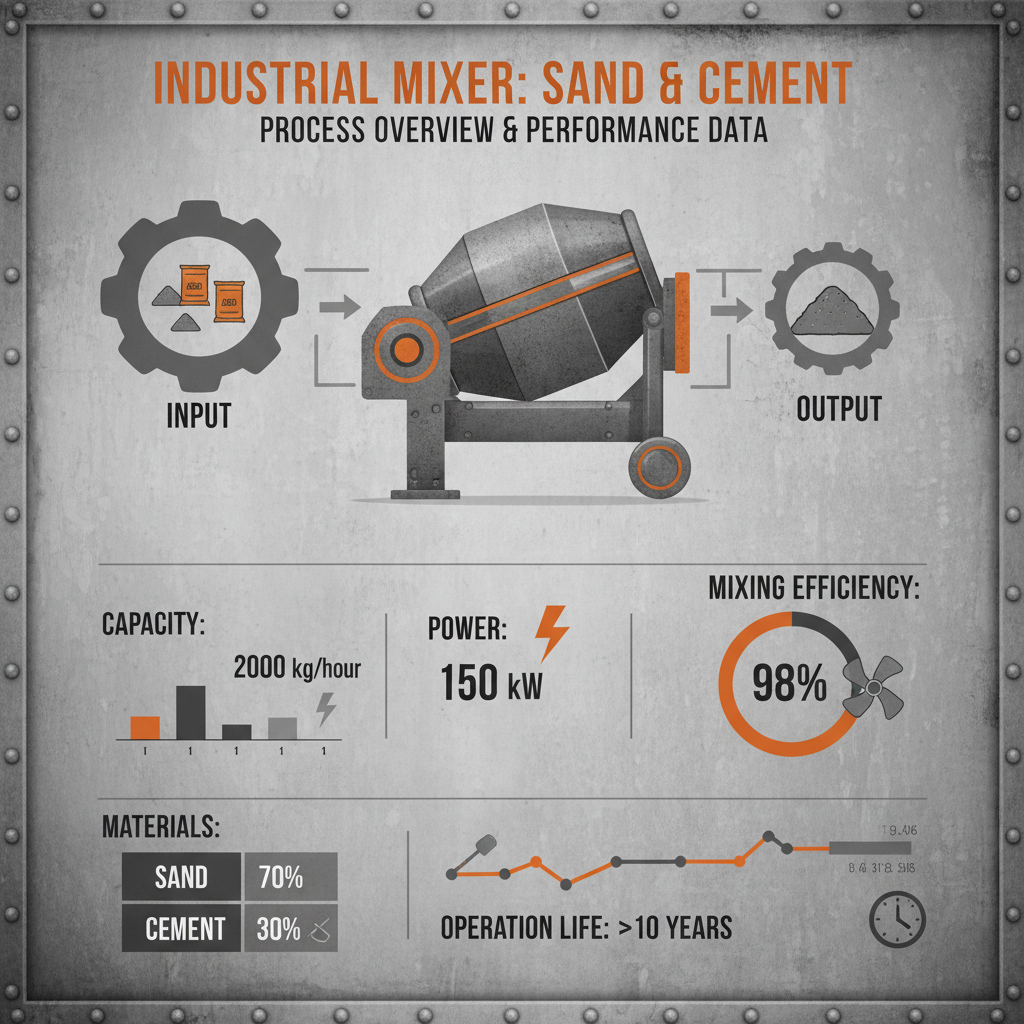
Choosing the Right Machine from Rssoapmachine
At Rssoapmachine, we offer a wide range of high-quality sand and cement mixing machines to suit various project needs. Our machines are built with durable materials and designed for efficient performance. We provide detailed specifications and support to help you select the perfect machine for your application. Explore our catalog today and experience the difference that quality equipment can make.
Conclusion: Invest in Efficiency and Quality
Choosing the right sand and cement mixing machine is a critical decision that impacts project efficiency, material quality, and labor costs. By carefully considering your needs and exploring the options available at Rssoapmachine, you can find the perfect solution for your construction or building project.
Frequently Asked Questions (FAQs)
What maintenance is required for a sand and cement mixing machine?
Regular maintenance is crucial for ensuring the longevity and performance of your machine. This includes cleaning the drum after each use to prevent material buildup, lubricating moving parts as per the manufacturer's recommendations, and inspecting belts and gears for wear and tear. Check the electrical connections regularly and ensure proper grounding. Storing the machine in a dry and covered area will protect it from the elements. Following these simple steps will help prevent costly repairs and extend the life of your investment.
What safety precautions should I take when using a mixing machine?
Safety is paramount when operating any machinery. Always wear appropriate personal protective equipment (PPE), including safety glasses, gloves, and a dust mask. Ensure the machine is placed on a stable and level surface before use. Never reach into the drum while it's rotating. Disconnect the power supply before performing any maintenance or repairs. Keep bystanders at a safe distance from the machine during operation. Read and understand the manufacturer’s safety instructions before operating the machine.
How do I determine the appropriate drum capacity for my project?
To determine the appropriate drum capacity, estimate the total volume of mix you'll need for your project. Consider the frequency of batches you're willing to make. A smaller drum capacity is suitable for infrequent, small-scale projects. For larger, ongoing projects, a larger drum capacity will significantly improve efficiency. It’s generally better to slightly overestimate your needs than to constantly be reloading the machine. Consider the weight of the materials when choosing a capacity - a fully loaded drum can be quite heavy.