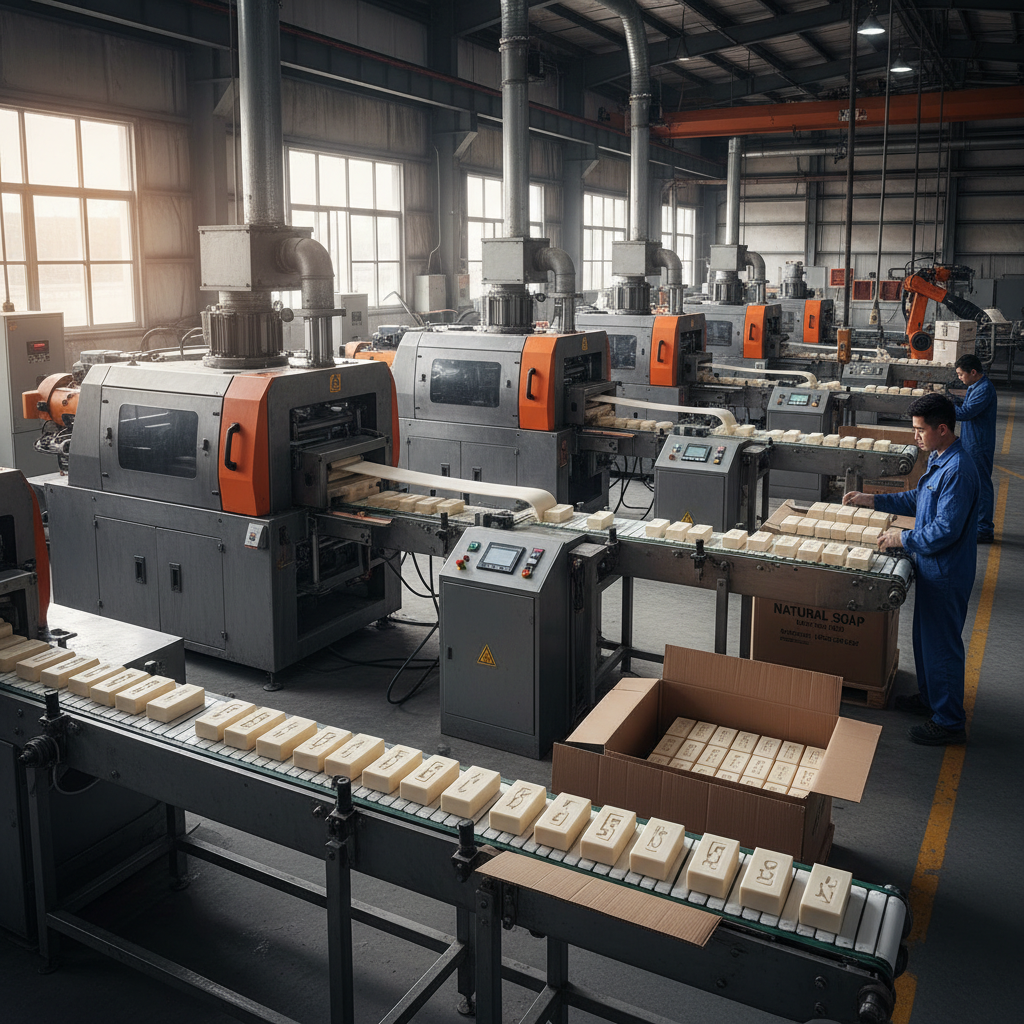
The Essential Guide to Cosmetic Mixing Equipment
If you've spent any time around industrial equipment—specifically for cosmetics production—you’ll know that cosmetic mixing equipment is a real game-changer. I’ve been in this sector for over a decade now, and using mixers designed for delicate formulations rather than plain old industrial-grade blenders makes a world of difference. Not just in efficiency, but the quality and consistency of the final product, which is frankly what counts most.
Oddly enough, mixing cosmetics isn’t just about whirling ingredients together. It’s about understanding viscosity, shear forces, and temperature control—all of which, if managed poorly, can ruin an entire batch. I remember a client once complaining about lotion batches that separated shortly after production; turns out, their mixer wasn’t powerful enough to emulsify properly. Lesson learned: investing upfront in proper cosmetic mixing equipment saves headaches and money down the road.
What makes cosmetic mixers unique? First off, they’re often made from stainless steel for hygienic purposes but also designed with precision impellers and variable speed controls. This combination allows for gentle, thorough mixing without introducing too much air (which could cause foaming). Mixing times vary depending on the formula, but you can typically expect between 10 to 30 minutes to achieve a perfect blend. Many models also offer vacuum capabilities to remove bubbles, something I always recommend for creams and gels.
| Feature | Specification |
|---|---|
| Material | 304 or 316 Stainless Steel |
| Capacity Range | 20 - 500 liters |
| Mixing Speed | 20 – 1200 RPM (variable) |
| Temperature Control | Jacketed vessel with heating/cooling options |
| Vacuum Capability | Standard on most models |
| Controls | Digital PLC with touchscreen interface |
In real terms, the versatility of these mixers stands out. Whether you’re blending face creams, shampoos, or even makeup primers, the technology adapts. Many engineers I’ve worked with appreciate the modular design — swap out impellers or blades depending on the product viscosity. One neat feature that pops up on newer models is programmable sequences — essentially allowing automatic changes in mixing speed and temperature throughout the process. This automation really takes some pressure off operators and reduces human error.
Now, not all vendors are created equal—believe me, I’ve tested machines from a handful of manufacturers over the years. To help you get a clearer picture, here’s a quick comparison between three popular suppliers of cosmetic mixing equipment:
| Vendor | Price Range | Customization | Lead Time | After-Sales Support |
|---|---|---|---|---|
| RS Soap Machine | $$ | High – Modular designs & bespoke options | 4-6 weeks | Excellent, direct technical assistance |
| MixTech Industries | $$$ | Medium – standard models only | 6-8 weeks | Good, with training packages |
| BlendPro Solutions | $ | Low – limited options | 2-4 weeks | Basic phone support |
On a more anecdotal note, I once helped a startup cosmetic line get off the ground with an RS Soap Machine mixer, and the turnaround was impressive. Their founder told me she could immediately tell the difference in the texture and absorption of her lotion compared to earlier test batches. It’s these little success stories that make me appreciate how vital good equipment really is.
So, if you’re diving into cosmetic manufacturing, don’t underestimate the importance of investing in robust cosmetic mixing equipment. With the right mixer, you’re not only ensuring quality—you’re speeding up production, lowering waste, and ultimately delivering a better product to market. And isn’t that the point after all?
To wrap up, my experience suggests that focusing on technology tailored specifically to cosmetic formulations is worth it. The nuances in mixing speed, temperature, and vacuum functionality are what separate average from premium products. Fair warning: always ask vendors about customization and after-sales support because, trust me, you’ll want someone in your corner when issues pop up.
In closing, if I were you, I’d start exploring mixers that combine flexibility with proven engineering — and RS Soap Machine is one I can vouch for.
References:
- Industry mixers: materials and design considerations – Journal of Cosmetics Manufacturing, 2022
- Vacuum mixing and emulsification techniques – Cosmetic Science Review, 2021
- Case study: Startup cosmetic product success with RS Soap Machine, internal company report, 2023