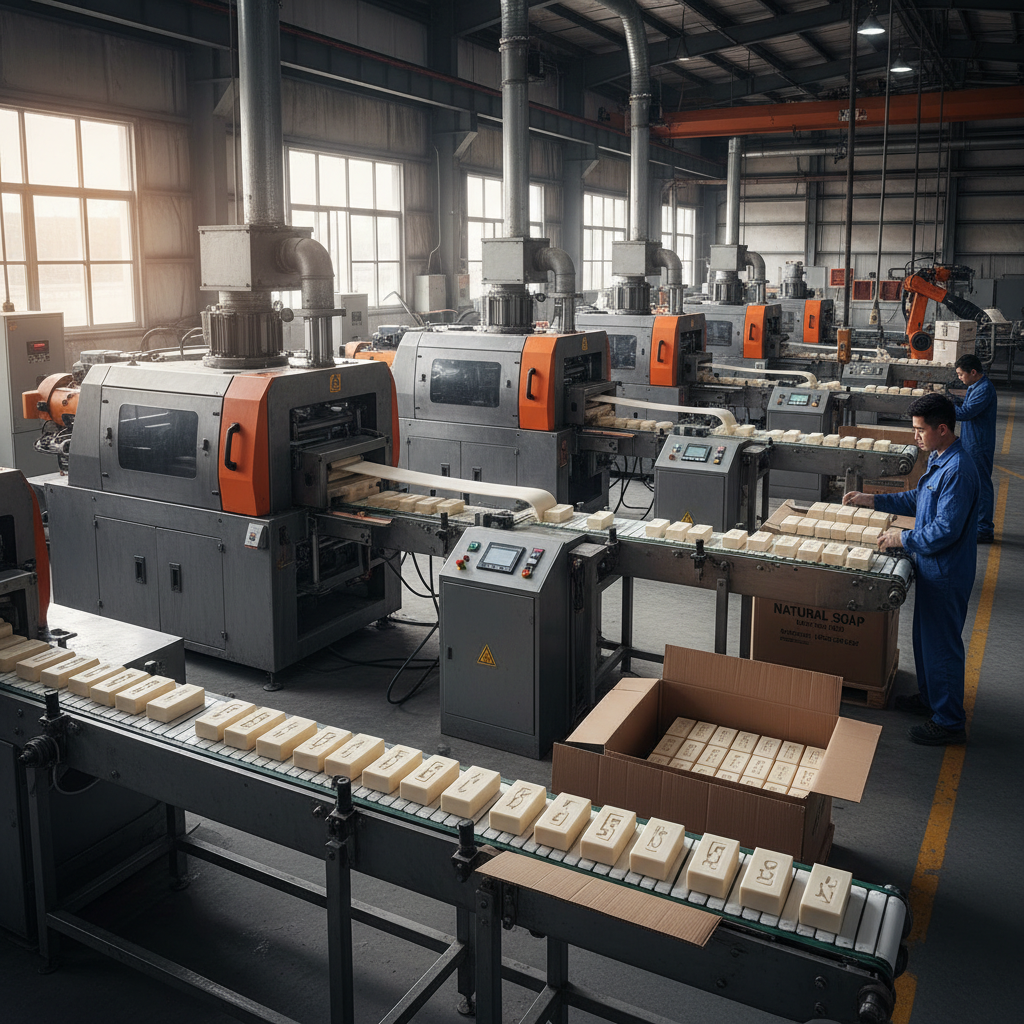
Bar Soap Mixer: The Unsung Hero of Soap Manufacturing
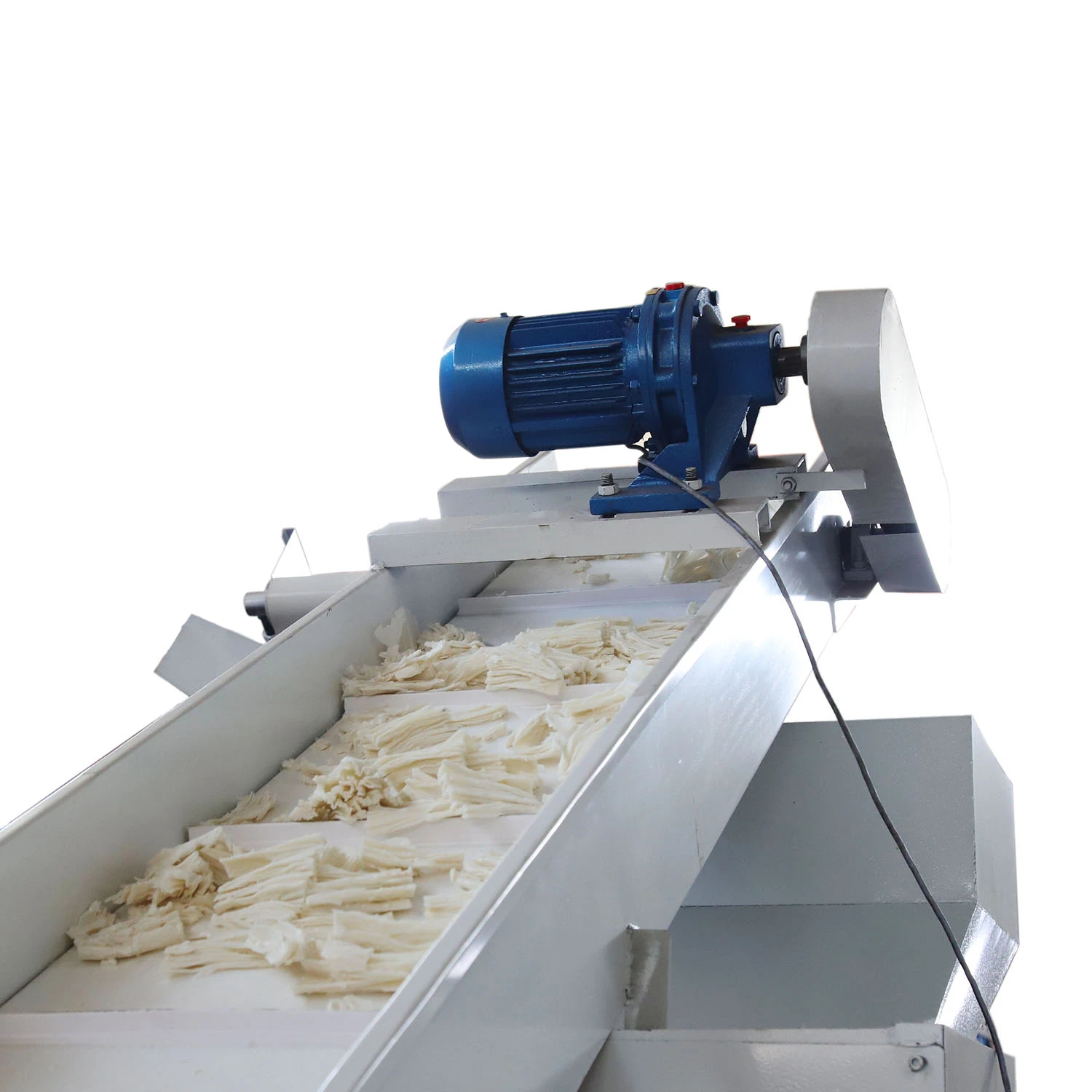
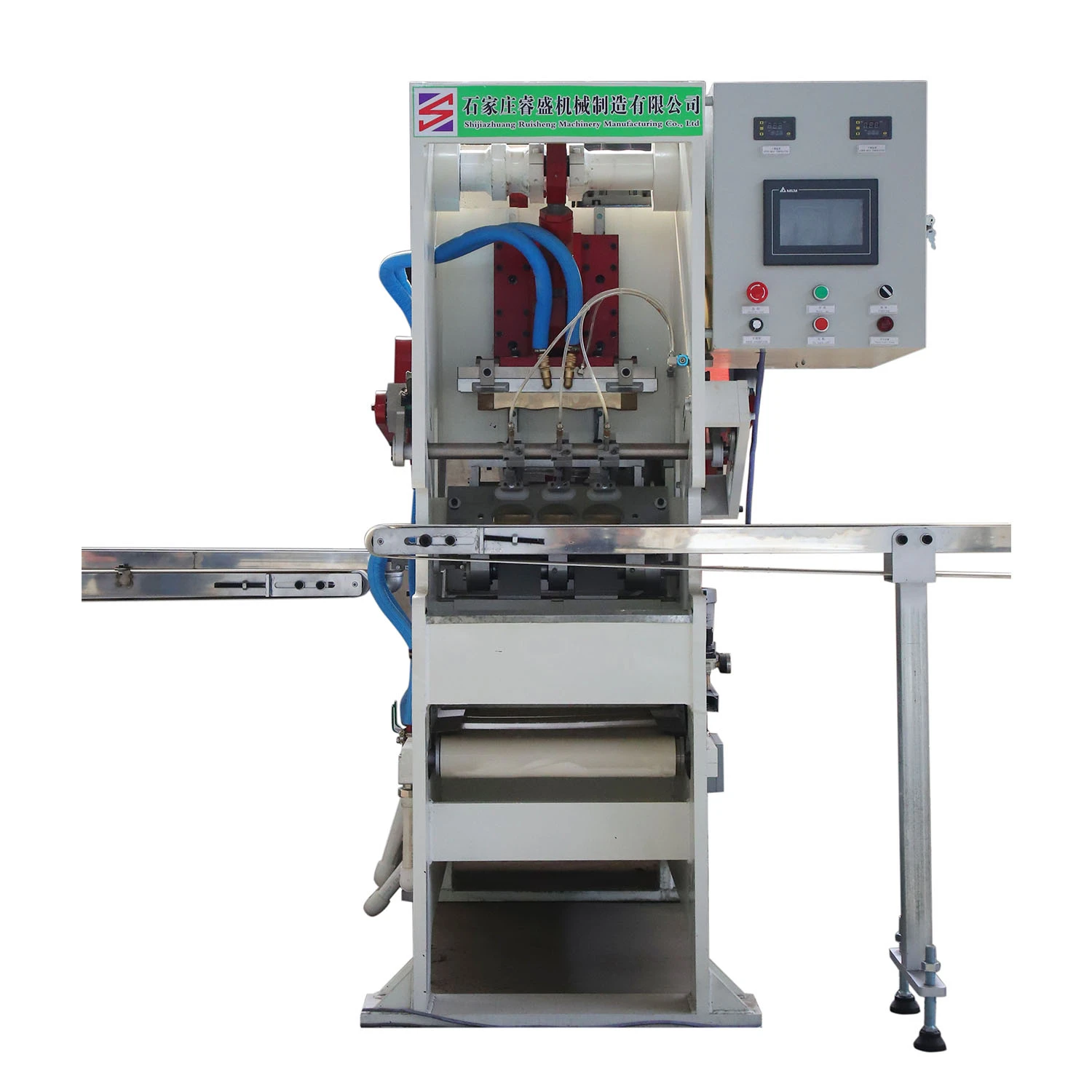
Working in industrial equipment for over a decade, I’ve developed a soft spot for the kind of machines that don’t usually make headlines. Take the bar soap mixer, for example. It’s not flashy like robotic packagers or ultra-sleek soap cutters, but honestly, it’s one of the most crucial pieces of equipment in any soap production line.
Why? Because the quality of the bar soap starts here — in the mixer. Getting a perfectly homogenous soap base means your final bars won’t have weird textures or inconsistent scents. Manufacturers have told me time and again: the mixer’s performance impacts everything down the line. If it’s underpowered or poorly designed, you’ll be chasing defects forever.
So what makes a good bar soap mixer? Typically, it’s about the type of mixing blades, the motor’s reliability, and how the tank handles heat and viscosity changes during blending. Many mixers feature a jacketed steel drum, allowing steam or warm water circulation to keep the soap base fluid, which is pretty important. Oddly enough, even slight temperature inconsistencies can cause the soap to seize up mid-production.
In my experience, customization is a big deal too. Soap manufacturers often have their own secret recipes and need mixers tailored to handle specific viscosities or additives — think exfoliants or moisturizing oils. A standard “one size fits all” mixer rarely meets the mark in these contexts, so manufacturers often work closely with equipment vendors to tweak agitator shapes or motor speeds.
Here’s a quick snapshot of a typical bar soap mixer specs I’ve seen in the industry:
| Specification | Details |
|---|---|
| Capacity | 250 - 500 liters |
| Motor Power | 5 - 15 kW (adjustable speeds) |
| Mixing Blades | Interchangeable, stainless steel |
| Material | Food-grade stainless steel 304/316 |
| Heating Jacket | Yes, steam or electric heating options |
| Control Panel | PLC with touch screen control |
Now, if you’re scouting for these mixers, you’ll find several vendors on the market — each offering something slightly different. I’ve kept an eye on the three main contenders many producers mention during trade shows or when I’ve consulted onsite:
| Vendor | Customization | Price Range | Delivery Time |
|---|---|---|---|
| RS Soap Machinery | High – tailored blades and motor specs | $$$ (mid-tier) | 4-6 weeks |
| MixAll Inc. | Moderate – standard options only | $$ (budget-friendly) | 6-8 weeks |
| ProBlend Equip | Low – limited configurations | $$$$ (premium) | 3-4 weeks |
Funny story: I once visited a medium-sized soap producer in the Midlands, and they swore by their specific mixer from RS Soap Machinery. They’d had issues with mixer blade wear causing downtime until they switched to custom blade designs from RS — their production line uptime jumped noticeably. It’s little things like this, often overlooked, that remind me how important equipment partnerships are in our niche.
Of course, testing and certification count a lot too. Mixing machines designed for cosmetics typically need to meet hygiene standards — food-grade stainless steel and easy-to-clean finishes. You don’t want residues carrying over to your next batch or surface corrosion causing contamination. Many engineers I’ve met prefer machines with quick-disassemble agitator assemblies to speed up cleaning and reduce downtime.
As future trends go, I’m starting to see more smart mixers with IoT capabilities — real-time monitoring of motor load, viscosity, or temperature. Imagine the process control potential, especially for high-end handcrafted soap makers trying to scale production without compromising quality. There’s a tangible shift toward smarter, more flexible equipment, which is kind of exciting and a bit nerve-wracking to see if you’ve spent years on “traditional” machines.
So, if you’re serious about bar soap production, investing in a solid bar soap mixer is worth careful consideration. Spend time figuring out your production needs, discuss customization upfront, and don’t skimp on build quality. It’s the mixer where your soap’s character really begins — in real terms, it’s the heartbeat of the batch.
Anyway, if you want to dive deeper into specifications or request a quote, RS Soap Machinery has a user-friendly site that’s helped many in the industry streamline this crucial choice.
To wrap it up: the right bar soap mixer can make or break your production quality — and sometimes it’s the quiet machines that earn your trust the most.
References:
1. Industry chats with seasoned soap manufacturers, 2021-2023.
2. RS Soap Machinery official specs and case studies.
3. Trade fair observations, Cosmetic Machinery Expo 2022.