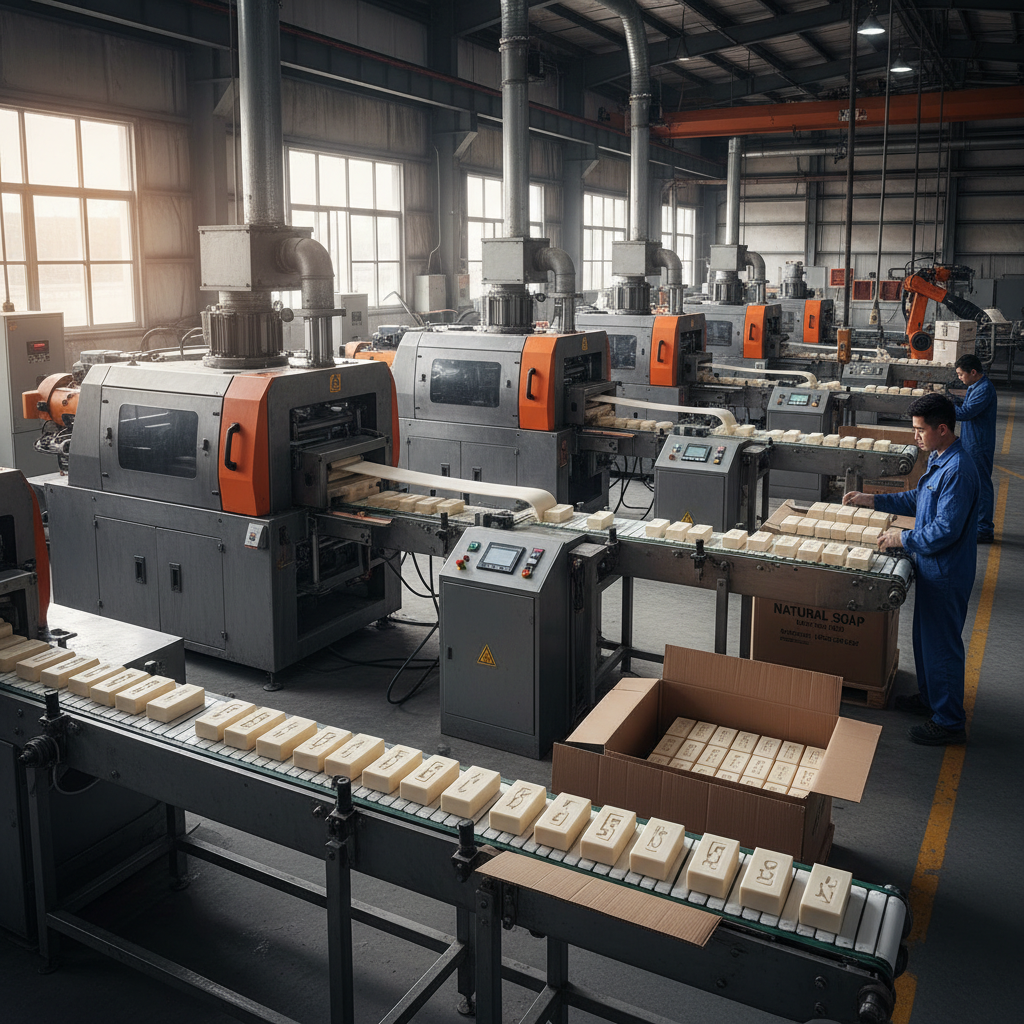
Understanding the Hand Made Soap Making Machine: A Global Perspective
When you think of soap, you might picture a simple bar that keeps you clean — but behind it lies a whole industry with fascinating layers. The hand made soap making machine plays a surprisingly pivotal role in this. Why does it matter? Soap hygiene is essential worldwide, and empowering small-scale producers with efficient yet affordable machinery reshapes local economies and health standards all over the globe. This tool bridges traditional craft with modern efficiency, giving artisanal soap makers a lift into scalable production, without losing that authentic touch.
Oddly enough, in a world flooded with mass-produced goods, there's been a steep rise in demand for natural, handcrafted soaps. Understanding the machines that enable this craft offers insight into sustainable industry growth, community empowerment, and economic development.
Introduction: Why the Hand Made Soap Making Machine Matters Globally
Did you know that the global handmade soap market is projected to grow steadily over the next decade? According to an ISO report on sustainable hygiene products, natural soap demand is expected to rise by over 6% annually, driven by consumers shifting towards organic and eco-friendly products.[1] Yet many small producers still face substantial challenges in scaling up their operations reliably and affordably.
This is where the hand made soap making machine becomes indispensable. It answers key challenges like production consistency, ingredient mixing efficiency, and reducing manual labor — all critical in both developing countries and boutique craft industries alike. From rural Africa's artisan cooperatives to boutique shops in Europe’s green markets, these machines underpin both economic resilience and hygiene improvements.
Defining the Hand Made Soap Making Machine
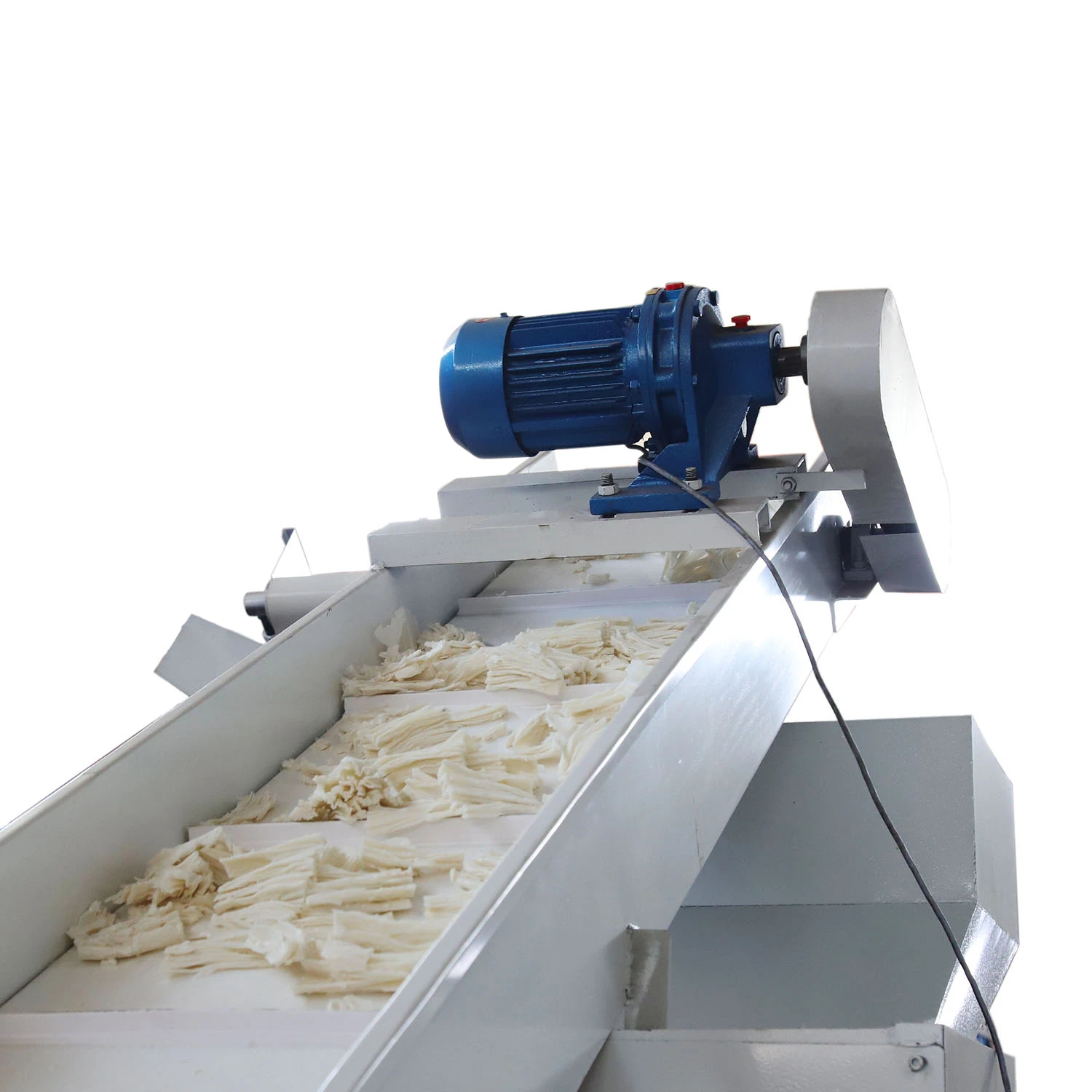
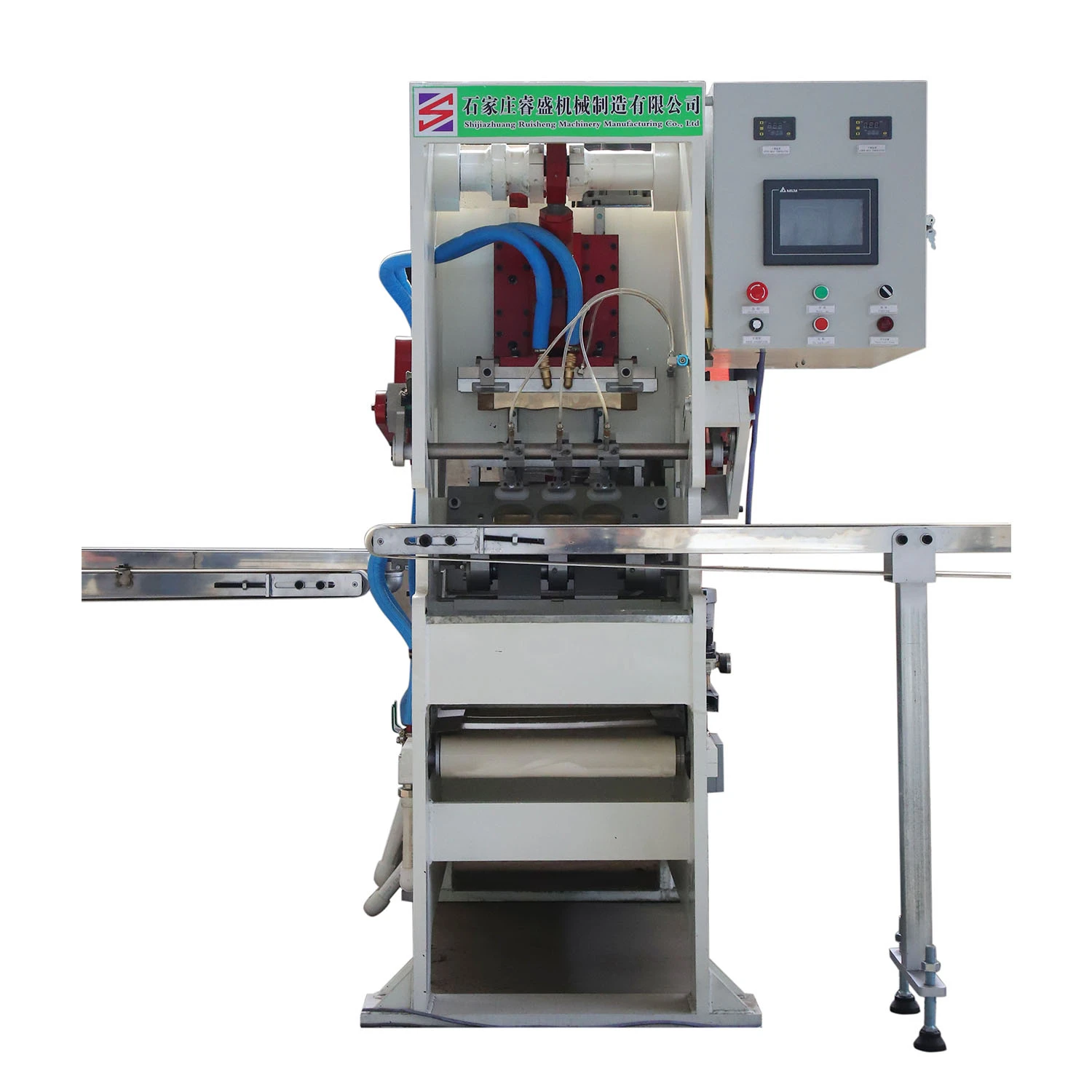
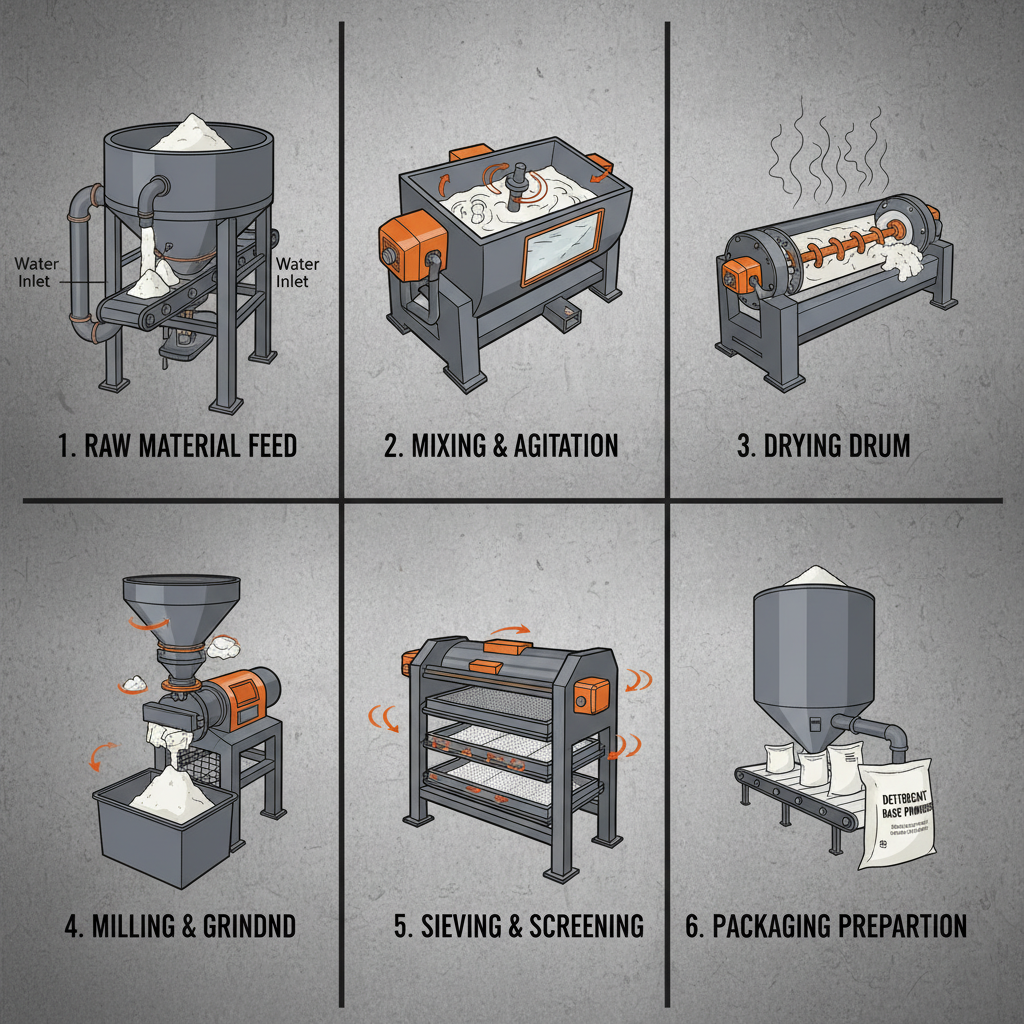
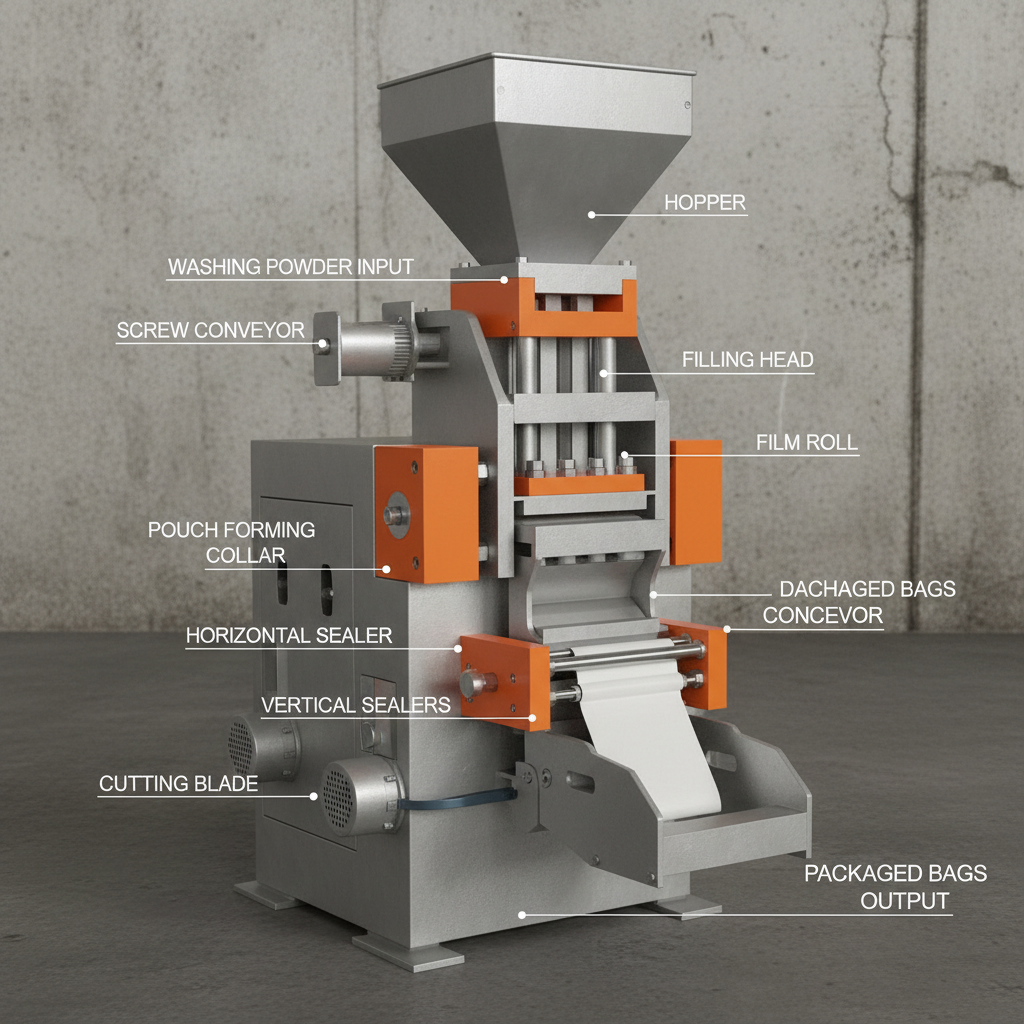
Simply put, a hand made soap making machine is equipment designed to assist soap artisans in mixing, molding, cutting, and curing soap in a semi-automated way without compromising the handcrafted nature of the product. Unlike fully industrialized soap factories, these machines are engineered for smaller batches, often adaptable, easy to operate, and suitable for diverse raw materials like natural oils, lye, and fragrances.
They connect traditional soap craftsmanship with modern-day manufacturing principles — balancing manual skill and mechanized efficiency — which, frankly, is no small feat.
Core Aspects of a Hand Made Soap Making Machine
- Durability: Designed to work with caustic materials like lye and oils, these machines must resist corrosion and wear over time. Stainless steel components are common.
- Scalability: They come in different capacities, from small-scale (5–20 kg batches) suitable for cottage industries, to larger models handling 50–100 kg.
- Cost Efficiency: Affordability is crucial. Many artisans operate on tight margins, so machines provide value without the price tag of industrial gear.
- Ease of Use: Intuitive control panels and minimal training requirements enable even novices to produce consistent soap batches.
- Customization: Adjustable molds and mixing speeds allow for various soap textures and ingredient blends, sustaining creative freedom.
- Safety Features: Considering hazards like chemical burns or burns from heat curing, these machines often include guards, temperature controls, and emergency stop buttons.
Product Specification Table: Typical Hand Made Soap Making Machine
| Feature | Specification |
|---|---|
| Batch Capacity | 10–50 kg |
| Material | Stainless Steel (304/316) |
| Power Supply | 220V/380V, 50Hz/60Hz |
| Mixing Speed | Adjustable, 30–120 rpm |
| Dimensions (L×W×H) | 1200×800×1500 mm |
| Weight | 150–250 kg |
| Additional Features | Temperature control, safety stop, customizable molds |
Global Applications & Use Cases
Regions across Asia, Africa, and Latin America have embraced hand made soap making machines as a boost to local microenterprises and hygiene projects. For example:
- In sub-Saharan Africa, NGOs supply these machines to women’s cooperatives not just to elevate incomes but also to promote safer sanitation practices.
- In post-disaster relief operations, such machines can rapidly help manufacture soap essential for disease prevention, especially where commercial supplies are disrupted.
- In urban boutique soap studios, these machines enable small-scale producers to meet seasonal demand spikes without losing artisanal quality.
- Remote industrial zones adapt them to produce hygiene products locally, cutting the cost and environmental footprint of shipping bulk soap.
By the way, if you want to see a range of these machines in action, check out hand made soap making machine resources and guides online.
Advantages & Long-Term Value
Here’s where it gets interesting: the benefits go beyond better soap batches. There’s a strong social and environmental angle at play.
- Cost-effectiveness: The upfront investment often pays off quickly due to increased output and reduced waste.
- Sustainability: Machines encourage use of natural ingredients and renewable energy compatibility.
- Safety and dignity: Reducing manual exposure to harsh chemicals protects workers’ health.
- Trust and innovation: Reliable production helps artisans build brand reputation in competitive markets.
It feels like the perfect blend of logic and heart — improving livelihoods while respecting tradition and environment.
Future Trends & Innovations
Looking forward, several exciting trends are shaping the hand made soap making machine market:
- Green energy integration: Solar-powered mixers and heaters reduce carbon footprints.
- Automation and IoT: Digitally controlled machines enable precision dosing, process monitoring, and remote troubleshooting.
- Material innovation: Use of biodegradable and recyclable molds and components.
- Modular designs: Allow scaling production as businesses grow, without massive reinvestment.
Challenges & Expert Solutions
Naturally, not all is smooth sailing. Some common challenges include:
- High initial cost for some small artisans — yet leasing and microfinancing schemes help ease this hurdle.
- Maintenance requirements can be daunting without local technical support — here, training programs prove invaluable.
- Electricity reliability in remote areas limits machine uptime — solutions include integrating battery backup or solar power.
Many engineers emphasize engaging users early in design to tailor solutions that feel intuitive and culturally appropriate — building trust is half the battle, frankly.
Vendor Comparison Table
| Vendor | Price Range | Batch Size (kg) | Special Features | Support & Training |
|---|---|---|---|---|
| PureArt Soap Tech | $3,000–$5,000 | 10–30 | Custom molds, temperature control | Online tutorials & phone support |
| EcoBubble Equip | $5,000–$8,000 | 20–50 | Solar-powered option, IoT monitoring | On-site training available |
| CraftPro Machines | $2,500–$4,500 | 5–20 | Compact design, easy maintenance | Video guides & community forums |
FAQ: Frequently Asked Questions About Hand Made Soap Making Machines
- What is the difference between a hand made soap making machine and an industrial soap plant?
- A hand made soap making machine is designed for smaller scale, artisan production focusing on batch control and customization, while industrial plants focus on mass production with fully automated continuous processes. The former preserves craft elements; the latter prioritizes volume.
- How long can a hand made soap making machine last with proper maintenance?
- With appropriate cleaning, periodic servicing, and part replacement, these machines commonly last 8–15 years. Material durability like stainless steel construction significantly enhances lifespan.
- Are these machines suitable for organic and natural soap formulations?
- Absolutely, they are especially popular in organic soap production. Their flexibility and gentle mixing preserve natural ingredients’ integrity and aroma.
- Is training necessary to operate these machines effectively?
- Basic training is recommended but most machines come with user manuals or videos. Simpler controls mean that new artisans can learn quickly, especially with remote or on-site support from vendors.
- Can these machines be customized for larger batch sizes?
- Yes, many manufacturers offer modular or scalable options that allow upgrading or increasing batch capacity as businesses grow without complete replacement.
Conclusion & Call to Action
The hand made soap making machine perfectly blends tradition and innovation, empowering artisans worldwide to push quality, sustainability, and profitability to new heights. It solves real problems, delivers tangible benefits, and supports a crafts movement that’s anything but outdated.
If you’re curious to explore or invest in these machines for your soap-making endeavors, visit https://www.rssoapmachinery.com for detailed specs, expert advice, and product options.
Mini takeaway: Investing in a quality hand made soap making machine doesn’t just increase production — it uplifts communities, champions sustainability, and keeps a centuries-old craft alive with modern flair.
References:
1. ISO Sustainable Hygiene Products Report, 2022.
2. UNIDO Report on Artisanal Cooperative Empowerment, 2021.
3. World Bank Data on Microenterprise Growth in Developing Regions, 2023.