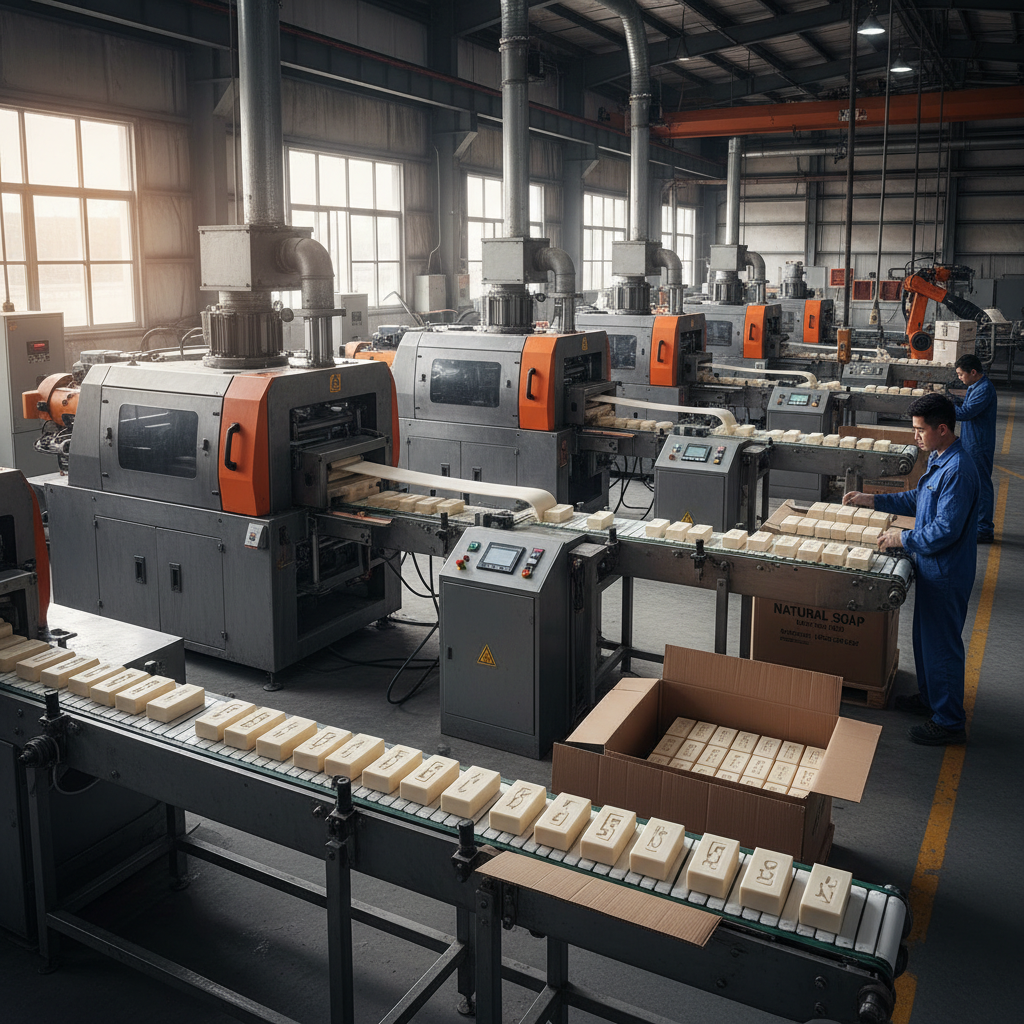
Equipment for Liquid Soap Production: What I’ve Learned Over the Years
Having spent most of my career around industrial equipment—particularly for chemical and cosmetic production lines—I’ve noticed something curious about equipment for liquid soap production. It’s not just about squeezing out bubbles or mixing batches. There’s this intricate balance between precision, hygiene, and flexibility that only becomes obvious after years in the field.
Frankly, the machinery you choose says a lot about your operation's priorities. For small-to-mid-size plants, versatility is king. You want units that handle various viscosities—from thin hand cleaners to thicker shower gels—without choking or wasting formula. And oddly enough, simplicity often trumps complexity; many engineers say the easiest machines to maintain tend to give the best long-term ROI.
Let me share a little about typical production equipment specs I’ve seen succeed over time:
| Specification | Details |
|---|---|
| Mixing Capacity | 50 to 1000 liters per batch |
| Material | Stainless steel 304/316 (food-grade) |
| Temperature Control | Integrated heating/cooling jacket |
| Automation Level | PLC system with touchscreen interface |
| Mixing Speed Range | 50 to 500 RPM adjustable |
One thing I distinctly recall was visiting a midwestern facility where they upgraded their mixing vessel to one with a jacketed design and variable speed motor. The difference? Consistency improved vastly, and ingredient degradation dropped—a win-win. It’s those seemingly small specs that often drive big outcomes in quality.
Now, if you’re eyeing equipment vendors, it’s worth comparing some key features side-by-side. Here’s a snapshot of what I’ve found comparing a few popular manufacturers:
| Vendor | Build Quality | Customization | After-Sales Support | Typical Lead Time |
|---|---|---|---|---|
| RS Soap Machine | High-grade stainless steel, hygienic design | Extensive, tailored to formula needs | 24/7 online and field service | 4-6 weeks |
| Vendor B | Solid, but some plastic components | Basic customization options | Business hours support only | 6-8 weeks |
| Vendor C | Premium build, mostly European parts | Moderate customization through add-ons | Limited remote service options | 8-10 weeks |
Calibration and testing cycles? Don’t skip them. In real terms, getting a batch right isn’t just volume or speed. It's the interplay of shear rate, temperature, and time that seals the deal — and savvy machines offer tight controls on these.
Putting all this together, if you want a machine that can grow with your business and keep up with formulation tweaks, look for flexible controls, stainless steel construction, and user-friendly automation. I suppose it’s a bit like picking a car: a flashy exterior doesn’t always mean smooth handling on the road. In the soap world, reliability behind the scenes matters most.
Before I forget, one customer I worked with recently was struggling with inconsistent batches using old mixing tanks. After switching to a system like equipment for liquid soap production with a jacketed vessel and PLC control, their product uniformity improved so much, they reduced waste by almost 15%. It felt rewarding to see how right equipment choices translate directly to bottom-line impact.
If you’re starting out or upgrading, never underestimate the value of good vendor communication too. The teams willing to guide you through specs, demo runs, and maintenance planning will save headaches later on — oddly enough, people skills matter in this tech-heavy space.
In short: equipment for liquid soap production isn’t just machinery—it’s a partner in quality and efficiency.
Thank you for reading — I hope these insights help next time you’re sizing up machines or dreaming up new formulas!
References:
1. Industry trade journals on cosmetic equipment trends (2023)
2. Field research visits to production facilities (2019-2023)
3. RS Soap Machine official specification sheets and user testimonials