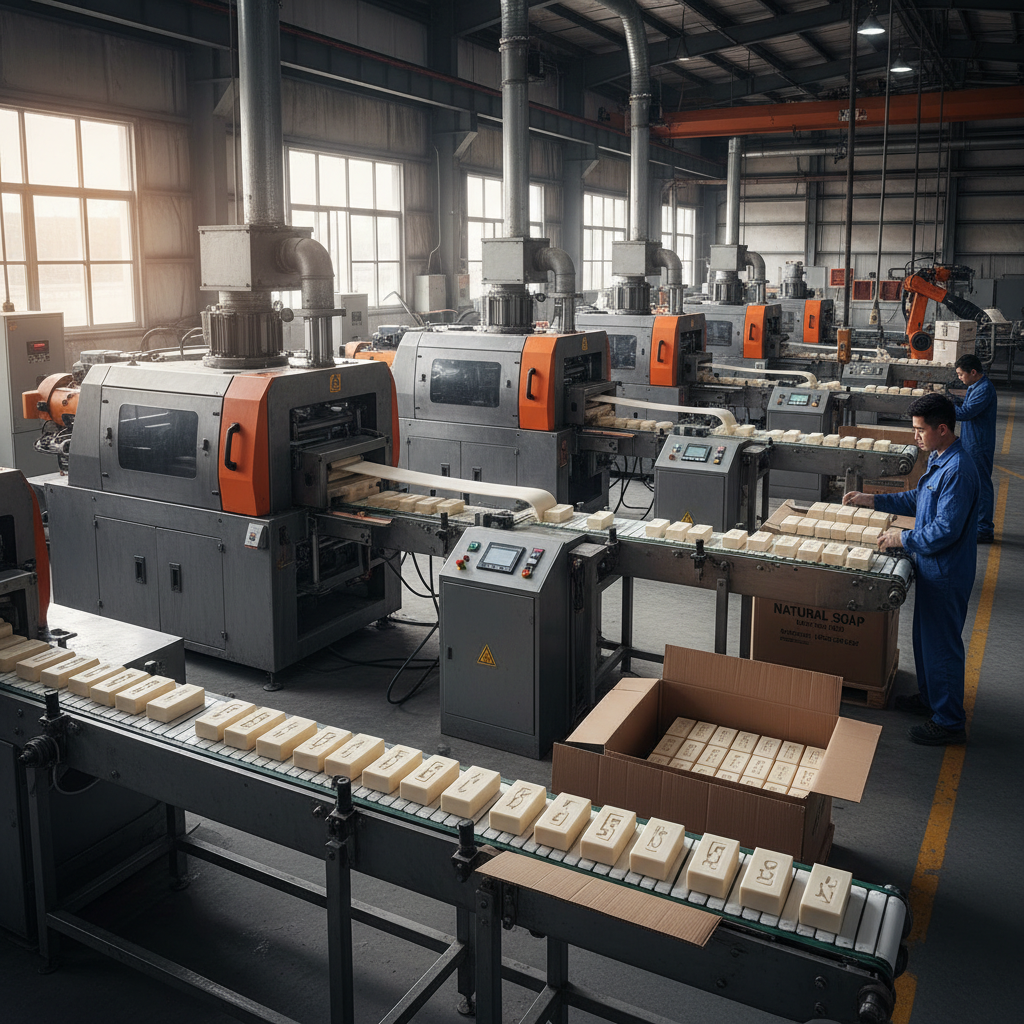
Understanding the Hand Wash Making Machine: A Vital Tool for Hygiene and Industry
Let’s start with the basics. A hand wash making machine might seem like a niche, industrial product—but it’s actually incredibly important worldwide. This equipment is designed to produce liquid hand wash soap efficiently and in scalable quantities, helping meet growing hygiene demands. Especially in today’s health-conscious climate, understanding hand wash making machines can benefit manufacturers, humanitarian agencies, and even health ministries aiming to improve sanitation.
The value is obvious when you think globally—according to the World Health Organization, hand hygiene is among the simplest and most cost-effective ways to prevent disease transmission. Making quality hand wash accessible depends a lot on how and where it’s made, which is why hand wash making machines play a pivotal role in public health efforts across varying economies.
Introduction: The Global Relevance of Hand Wash Making Machines
Hand hygiene products surged in demand after COVID-19, but let’s not forget its ongoing importance in routine healthcare and sanitation worldwide. The global hand wash market is projected to grow at over 6% CAGR up to 2027. Yet, many regions still struggle with inconsistent access to affordable, quality hand soaps.
Here’s the challenge—and opportunity: many low- to middle-income countries rely on imports or inconsistent local production. A hand wash making machine empowers local manufacturers to produce their own supplies sustainably, lowering costs and enhancing self-reliance. It fits into a larger theme of strengthening local hygiene infrastructures.
What Is a Hand Wash Making Machine?
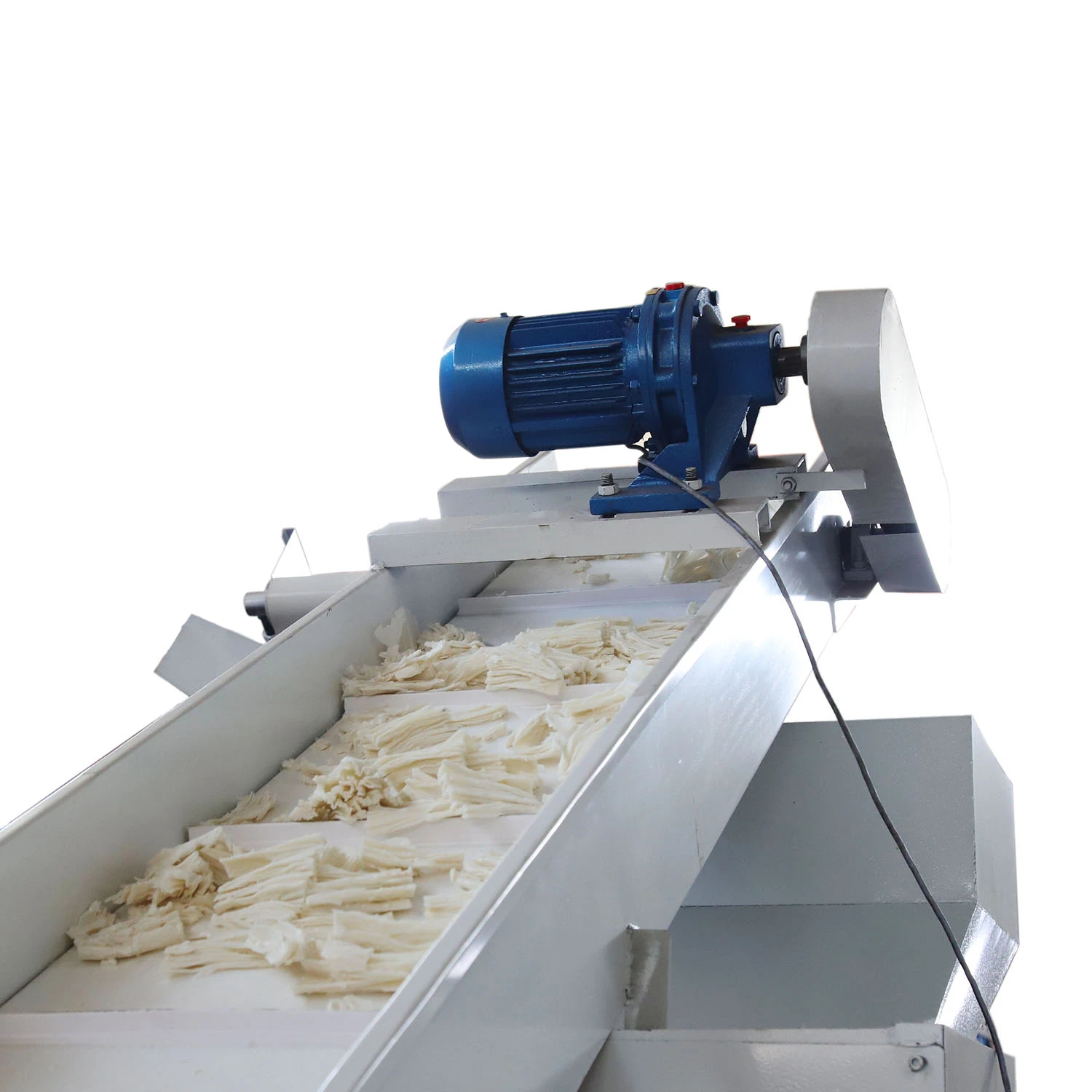
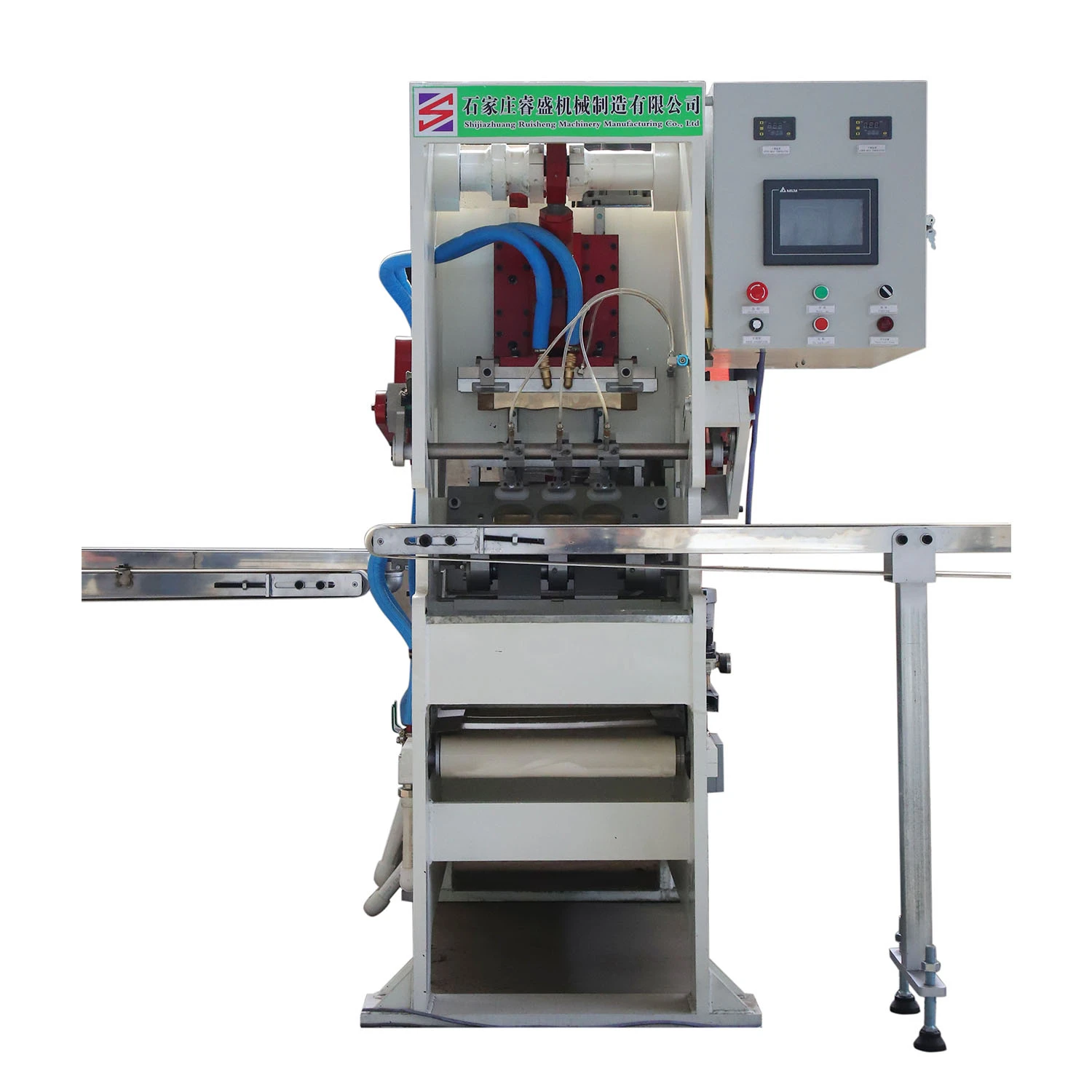
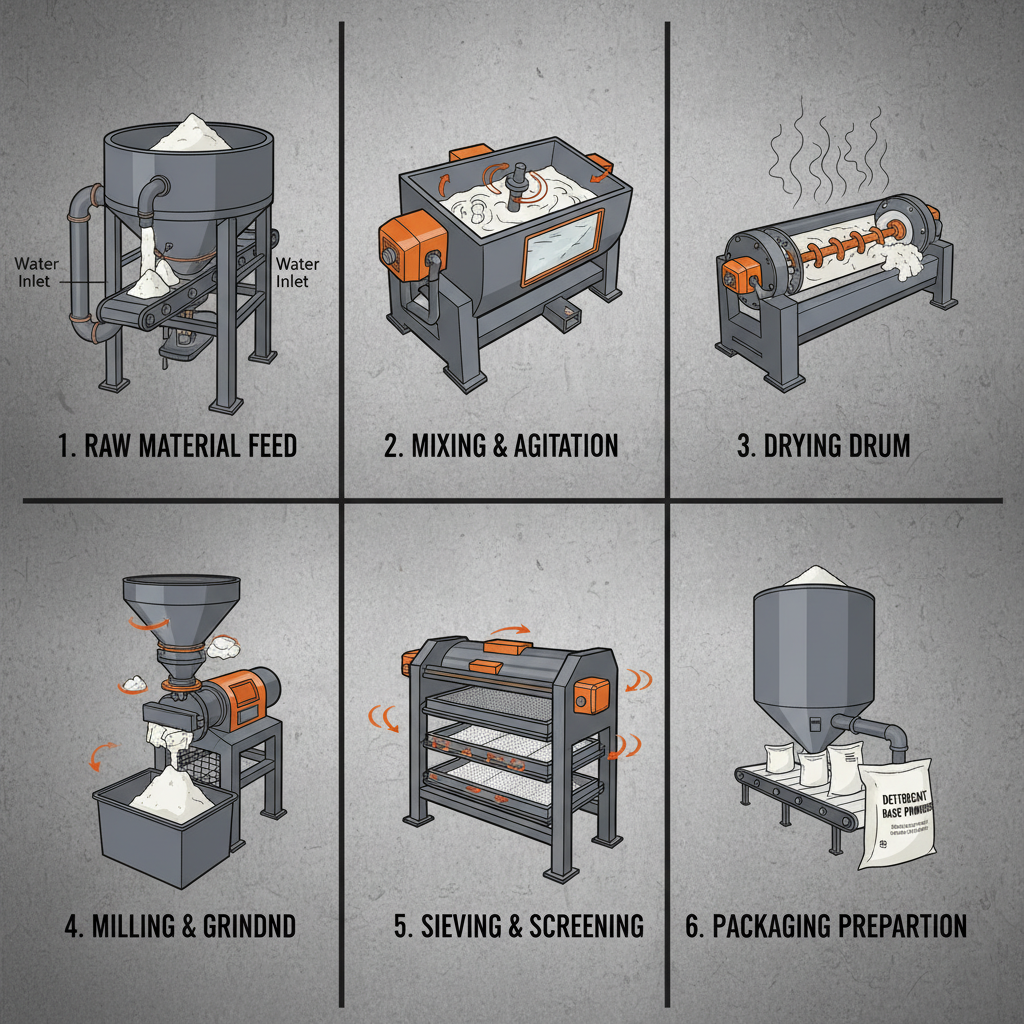
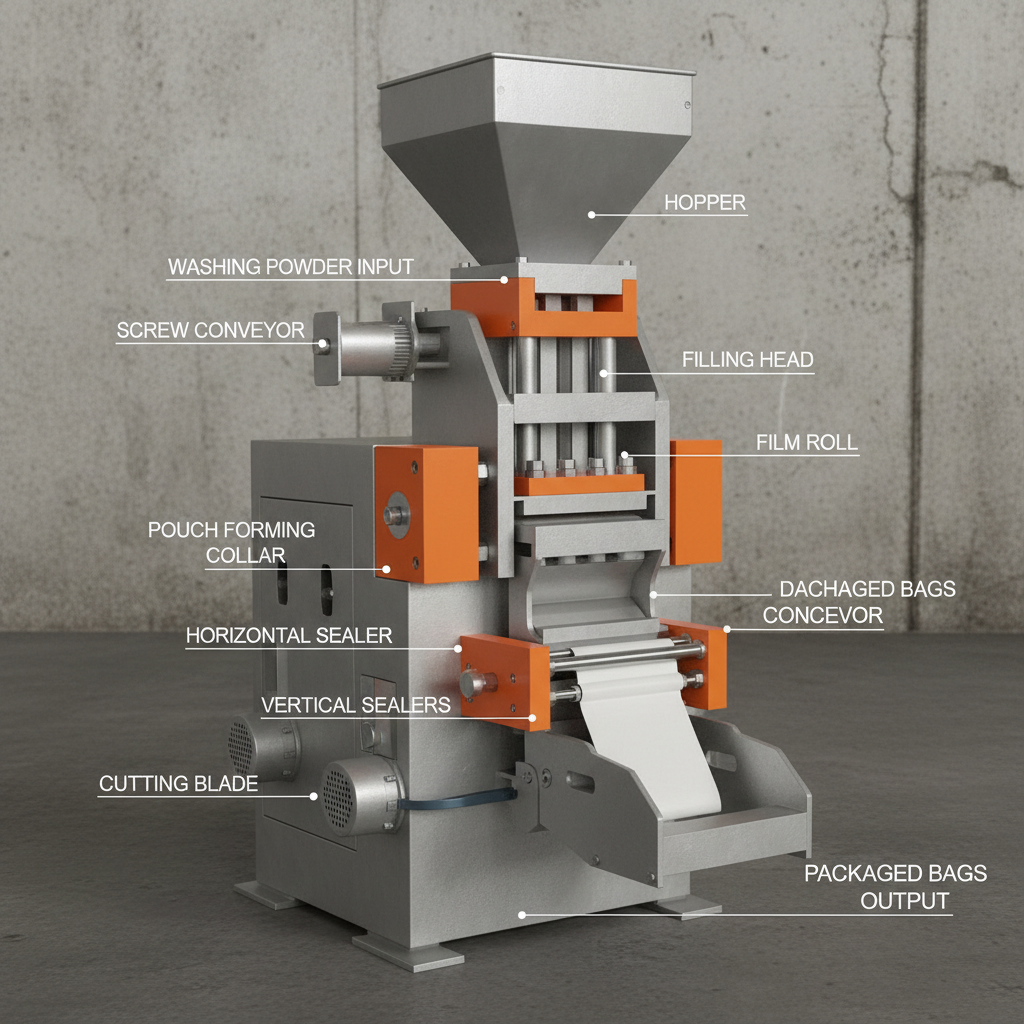
At its core, a hand wash making machine automates the process of blending, mixing, and filling liquid hand wash soap into containers. These systems can vary from compact manual units to large-scale automatic lines suited for industrial production. They handle ingredients such as surfactants, moisturizers, colorants, and fragrances, producing a consistent, safe product ready for sale.
This technology intersects with modern industry demands and humanitarian needs alike—notably, during emergencies or large-scale health campaigns where rapid soap production is vital.
Key Factors to Consider in Hand Wash Making Machines
Durability
You want equipment that can endure continuous use with minimal downtime—especially in volume-driven settings. High-grade stainless steel and corrosion-resistant components are standard to keep things hygienic and long-lasting.
Scalability
The best machines offer modularity: start small and scale up production as demand increases. This flexibility means businesses don’t over-invest upfront but can grow fluidly.
Cost Efficiency
Raw materials, energy consumption, and maintenance all factor into operational cost. Efficient machines balance throughput with low running costs, key for competitive pricing.
Product Consistency
Uniform texture, fragrance, and viscosity matter for customer satisfaction. Technologies like automated dosing and temperature control reduce variability.
Compliance with Standards
Machines must meet industry health regulations and soap quality standards (ISO 22716 for cosmetics manufacturing is one example). This ensures product safety and market approval.
Product Specifications: Example Hand Wash Making Machine Overview
| Specification | Details |
|---|---|
| Production Capacity | 500–2000 liters/day |
| Machine Type | Semi-automatic / Fully automatic |
| Power Source | Electricity (220V/380V) |
| Material | Stainless steel (304 or 316) |
| Automation Level | Programmable Logic Controller (PLC) controls |
| Cleaning | CIP (Clean-In-Place) compatible |
Mini takeaway: Selecting a machine involves balancing production needs, budget, and durability.
Global Applications & Use Cases
In developed markets, hand wash making machines streamline industrial soap production with high-tech automation, feeding supermarket shelves and hospitality sectors. Oddly enough, their greatest impact might be in emerging economies and crisis zones. For example, NGOs use mobile or modular units in post-disaster relief to ensure hygiene supplies reach vulnerable populations rapidly—minimizing disease outbreaks.
In remote industrial zones, onsite production reduces stockouts and shipping delays. Healthcare facilities in Africa and Asia have benefited from localized soap manufacturing, improving hand hygiene practices critical in infection control.
Vendor Comparison: Leading Hand Wash Making Machine Providers
| Feature | Vendor A | Vendor B | Vendor C |
|---|---|---|---|
| Production Capacity (L/day) | 800 | 1500 | 2000 |
| Automation Level | Semi-automatic | Fully automatic | Fully automatic with AI integration |
| Energy Efficiency | Good | Better | Best (solar compatible) |
| Price (USD) | $35,000 | $55,000 | $75,000 |
| Warranty | 1 year | 2 years | 3 years |
Mini takeaway: More advanced machines cost more but offer sustainability and automation benefits.
Advantages and Long-Term Value
Sure, at first glance, it feels like just a fancy soap maker. But the long-term advantages are quite compelling. Financially, local production cuts import fees, distribution delays, and dependency on complicated supply chains. Environmentally, modern machines designed with energy-saving technologies lower footprints. Socially, better access to hand wash supports health and dignity, fostering community trust in hygiene efforts.
Emotional peace of mind also counts—knowing communities have reliable soap supply builds resilience. And frankly, innovation in this domain symbolizes a commitment to sustainable hygiene solutions.
Future Trends & Innovations in Hand Wash Making Machines
The future looks bright (and cleaner). Automation is advancing beyond traditional models with AI-driven quality controls ensuring every batch meets tight specs. Green energy integration, such as solar-powered production lines, lowers environmental impact—critical in off-grid areas.
Material innovations like biodegradable packaging lines and improved cleaning-in-place systems boost sustainability. Policy trends encourage local manufacturing tied to circular economy principles. So the hand wash making machine world isn’t just about soap—it’s part of a larger ecosystem embracing tech and sustainability.
Challenges & Solutions
That said, challenges remain. High upfront costs can deter smaller producers. Supply chain bottlenecks for parts or raw materials slow setups. Local regulations and quality certifications sometimes vary wildly, complicating compliance.
Experts suggest embracing modular machines that can scale affordably and partnering with local suppliers to reduce delays. Training and dedicated support also minimize operational hiccups. There’s no one-size-fits-all answer, but flexible, regionally-tailored solutions appear to work best.
FAQ: Frequently Asked Questions About Hand Wash Making Machines
- Q: What production volumes do typical hand wash making machines offer?
A: Machines vary widely; smaller units produce around 100–500 liters daily, while industrial lines can exceed 2000 liters/day, depending on the model and automation level. - Q: How complex is the maintenance for these machines?
A: Maintenance is generally straightforward but depends on scale and features. Routine cleaning (CIP systems) and periodic checks on pumps and sensors keep operations smooth. Support from trusted vendors is key. - Q: Can local manufacturers customize hand wash formulas with these machines?
A: Yes, most machines allow formula customization so producers can adjust ingredients, colors, and scents to fit market preferences or regulatory standards. - Q: Are hand wash making machines energy-intensive?
A: Modern machines aim for energy efficiency, with some models compatible with solar power or low-voltage supplies, which is great for remote or off-grid use. - Q: How do I ensure the soap produced meets health and safety standards?
A: Using machines with automated dosing and temperature controls along with proper quality protocols helps manufacturers comply with ISO 22716 and other relevant cosmetic regulations.
Conclusion & Call to Action
To sum up, the hand wash making machine is more than just industrial equipment—it’s a cornerstone of global hygiene progress. By improving availability, affordability, and quality of hand soap, these machines support health, dignity, and sustainability worldwide.
If you’re looking to explore how hand wash making machines can transform your production capabilities or hygiene initiatives, visit our website for more info: https://www.rssoapmachinery.com.
Oddly enough, the humble act of handwashing shows just how deeply technology and health intertwine—even in something as everyday as soap.