Understanding the soap manufacturing plant cost is crucial for entrepreneurs, investors, and humanitarian organizations alike. Globally, the demand for soap remains consistently high, driven by essential hygiene needs and increasing awareness of public health. Accurately assessing these costs—from initial investment in machinery and infrastructure to ongoing operational expenses—is fundamental to establishing a sustainable and profitable soap production venture. It also allows for efficient resource allocation in emergency situations where soap is a vital necessity.
The soap manufacturing industry is a significant contributor to various economies worldwide, with regional variations in production scale and technological adoption. The soap manufacturing plant cost is a key determinant in market entry and competitiveness. Factors such as raw material availability, labor costs, and regulatory compliance significantly impact overall expenses. Accurate cost analysis ensures realistic budgeting and informed decision-making.
Moreover, responsible soap production increasingly necessitates sustainable practices and environmentally friendly technologies, often impacting the initial investment but yielding long-term benefits. Efficiently managing the soap manufacturing plant cost is therefore vital for both economic viability and social responsibility, aligning with global sustainability goals.
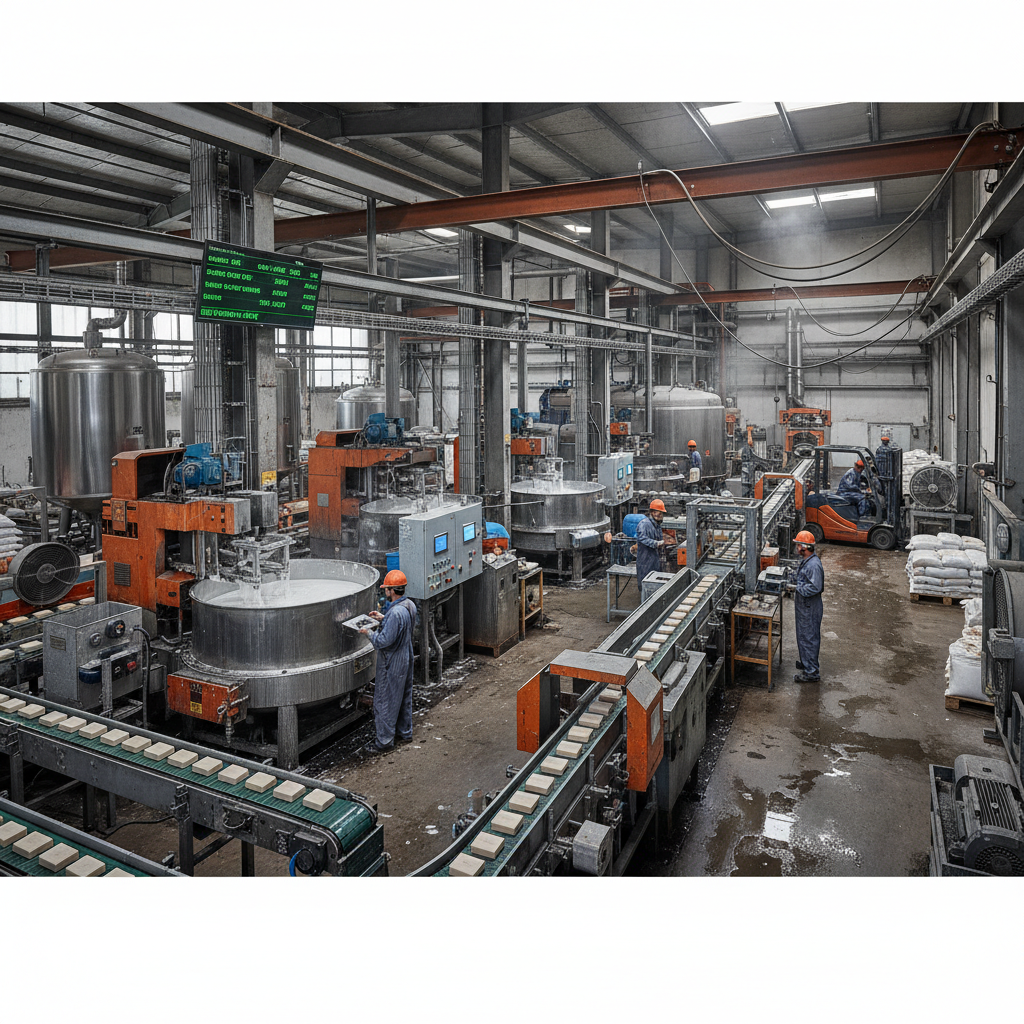
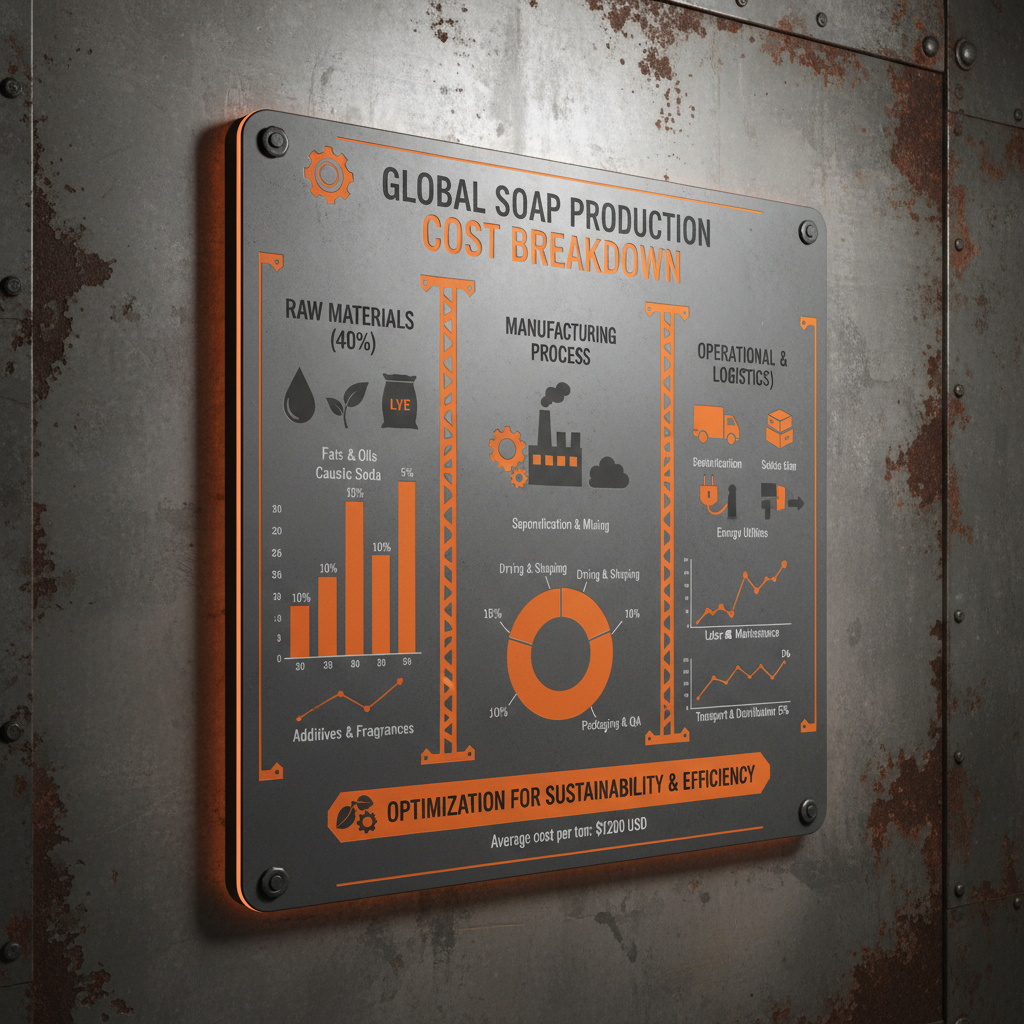
The global soap manufacturing market is substantial, valued at billions of dollars annually, with steady growth predicted in emerging economies (UN data, 2023). Understanding the soap manufacturing plant cost is vital not only for business success but also for public health initiatives. Access to affordable soap significantly reduces the spread of preventable diseases, especially in developing nations.
According to the World Bank, investment in hygiene infrastructure, including soap production facilities, offers a high return on investment in terms of improved health outcomes and economic productivity. Efficiently managing the initial and operational costs of a soap plant unlocks the ability to meet this essential global need at scale, positively impacting communities worldwide.
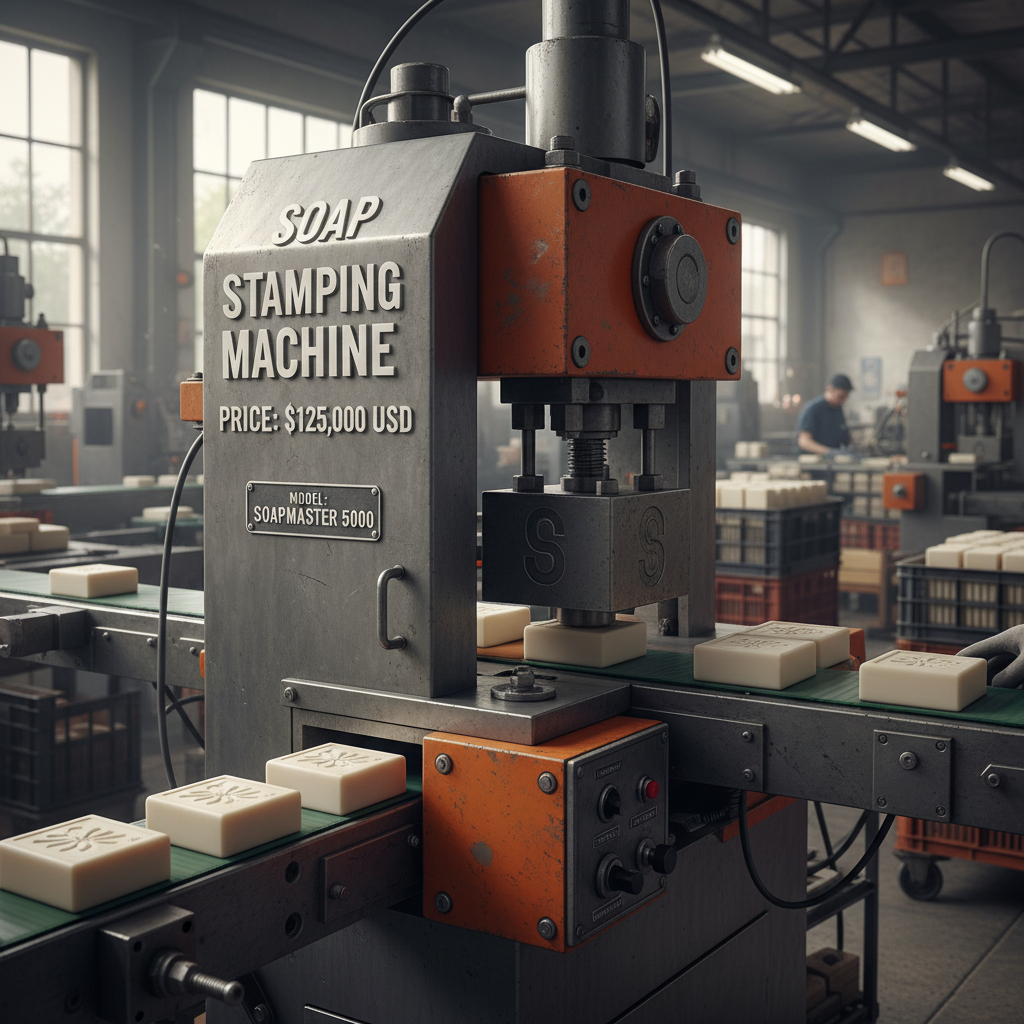
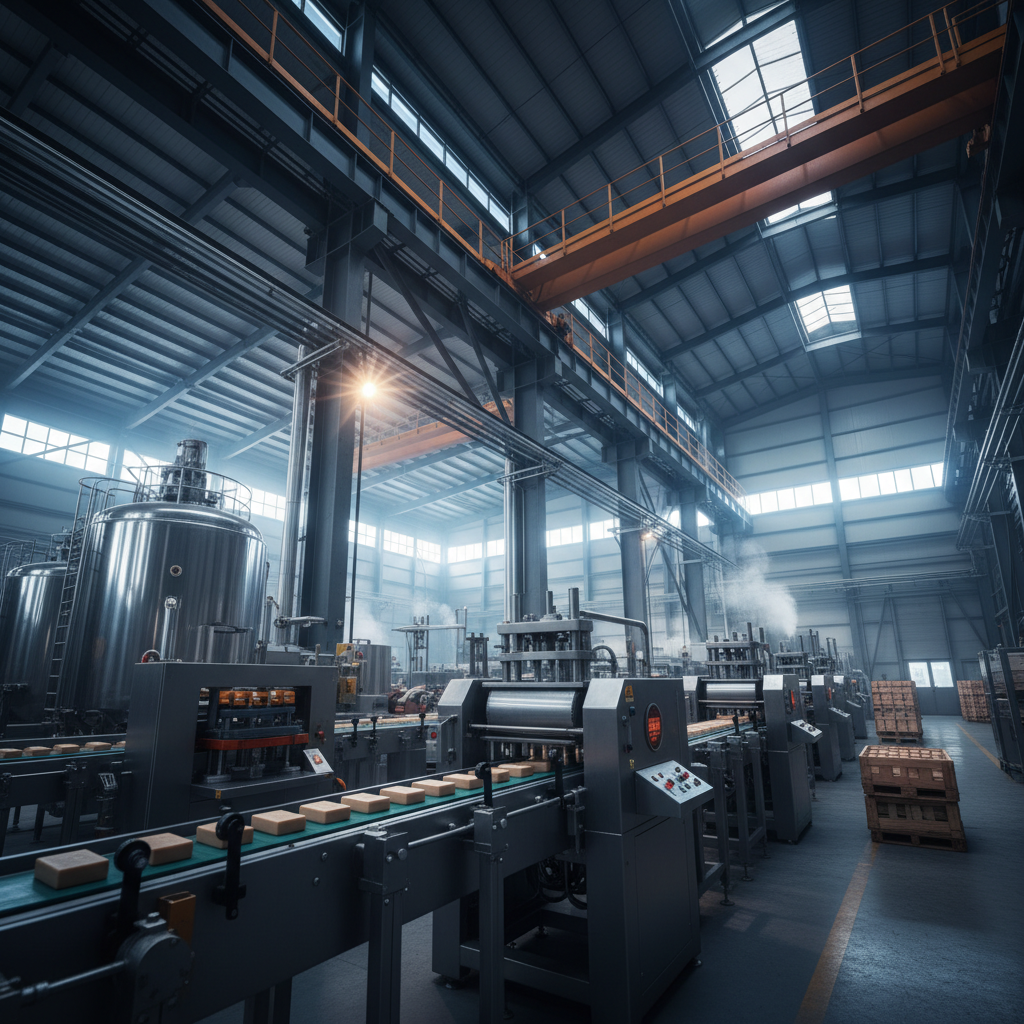
A small-scale soap manufacturing plant, capable of producing around 500-1000 kg of soap per day, typically costs between $50,000 and $150,000. This includes basic equipment like mixing tanks, molding machines, and packaging materials. Location, level of automation, and raw material sourcing significantly impact this range. It’s crucial to factor in operational expenses like utilities and labor when budgeting.
Automation generally increases the initial soap manufacturing plant cost, but reduces long-term operational expenses. Automated systems require higher upfront investment for machinery and software, but they decrease labor needs, minimize errors, and increase production efficiency. The return on investment depends on the scale of production and labor costs in your region.
Hidden costs can include permitting and licensing fees, environmental compliance expenses (waste disposal, water treatment), quality control testing, and staff training. Unexpected repairs and maintenance, raw material price fluctuations, and potential delays in equipment delivery also contribute to hidden costs. Thorough planning and contingency budgeting are essential.
Establishing long-term relationships with reliable suppliers can secure favorable pricing. Bulk purchasing can often lower per-unit costs. Exploring alternative raw materials, like locally sourced oils and fats, can reduce transportation expenses. Efficient inventory management minimizes waste and spoilage. Consider refining your formulations to use less expensive, yet effective, ingredients.
Location significantly impacts costs related to land, building construction, labor, utilities, and transportation. Areas with lower land costs and readily available utilities are generally more affordable. Proximity to raw material sources and target markets reduces transportation expenses. Local regulations and tax incentives can also influence the overall soap manufacturing plant cost.
While initial investment in sustainable practices may be higher, long-term cost-effectiveness is increasingly evident. Renewable energy sources reduce utility bills, waste recycling minimizes disposal costs, and using bio-based materials can stabilize raw material prices. Furthermore, sustainability enhances brand image and attracts environmentally conscious consumers, driving sales and profitability.
In conclusion, the soap manufacturing plant cost is a multifaceted consideration encompassing initial investment, operational expenses, and long-term sustainability. A comprehensive understanding of these factors—from raw material sourcing and machinery selection to location and regulatory compliance—is crucial for establishing a successful and viable soap production venture. Careful planning, efficient resource allocation, and a commitment to innovation are key to maximizing profitability and minimizing risk.
Looking ahead, embracing automation, sustainable practices, and digital technologies will be essential for optimizing costs and enhancing competitiveness. Investing in a modern, efficient, and environmentally responsible soap manufacturing plant not only creates economic value but also contributes to public health and global well-being. For more information on how to estimate and manage the costs of building a soap manufacturing plant, visit our website: soap manufacturing plant cost.