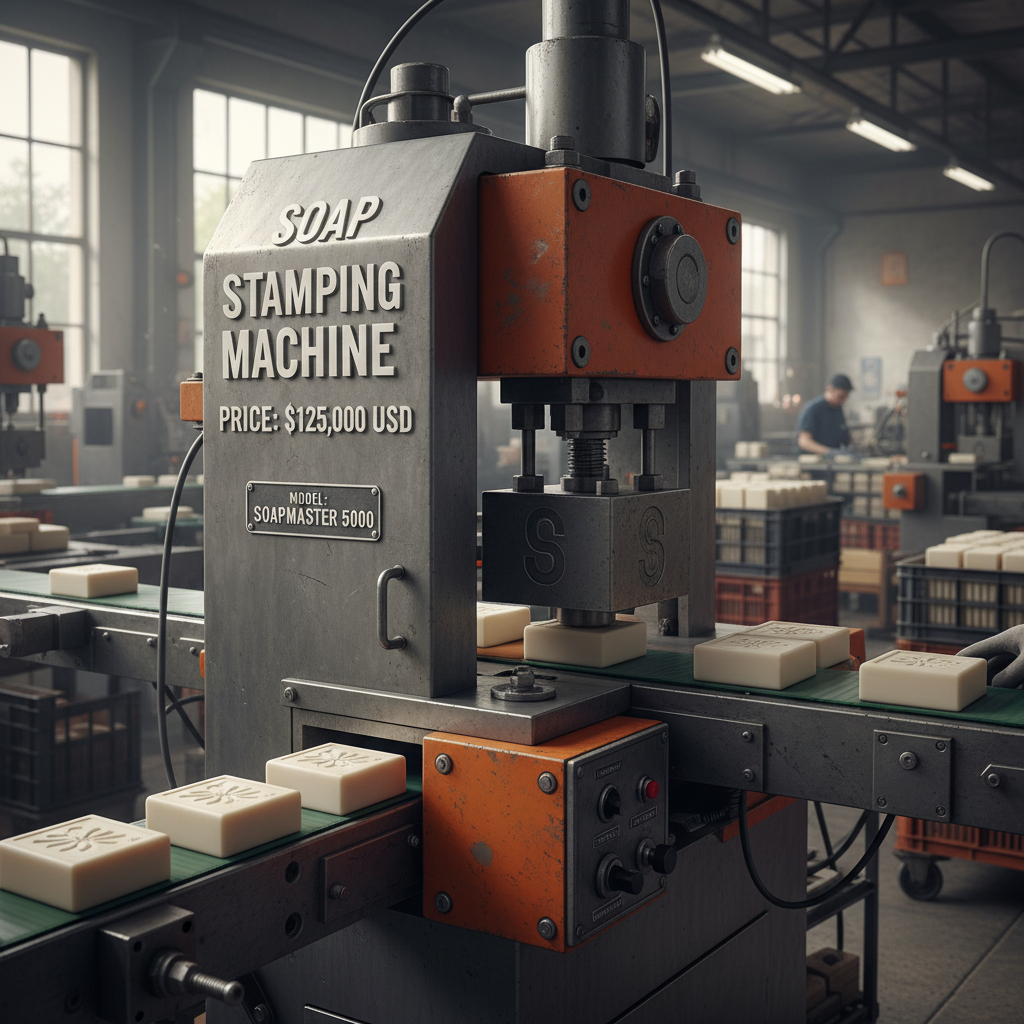
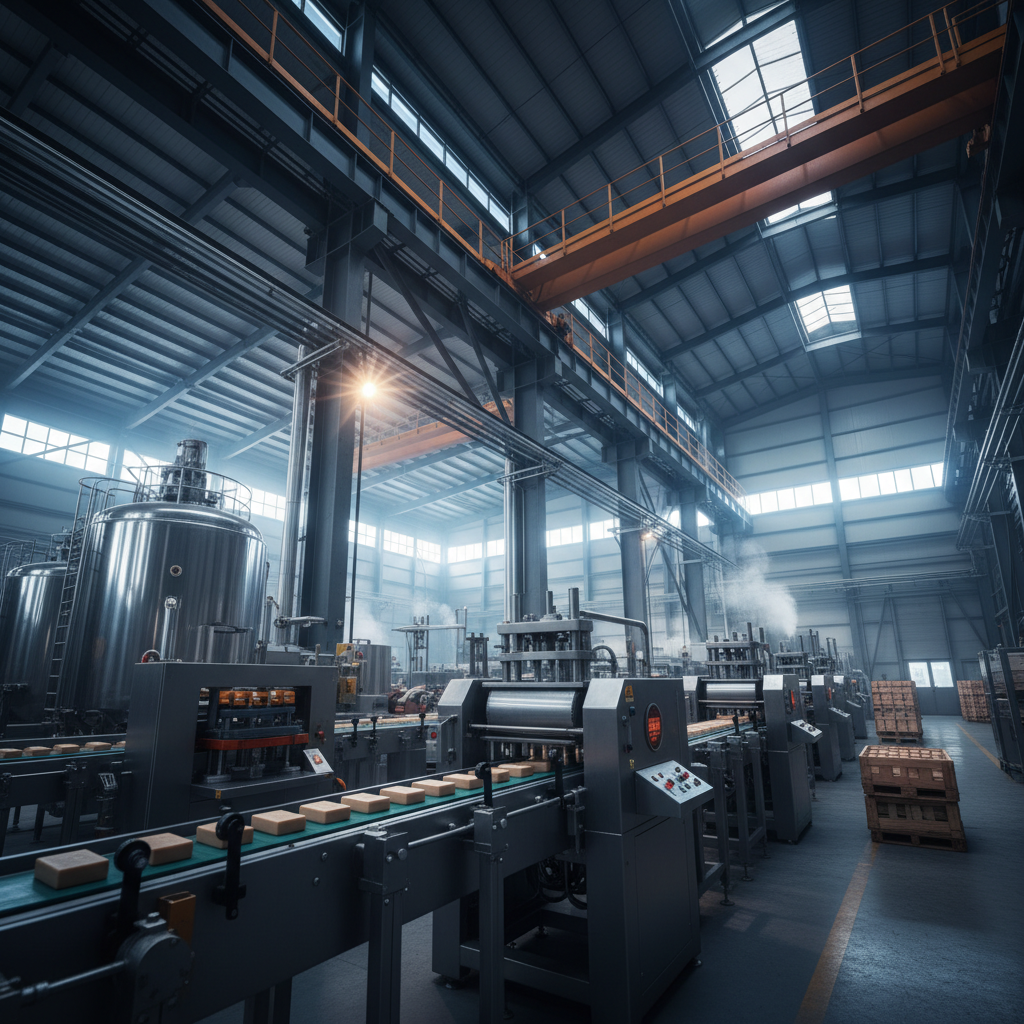
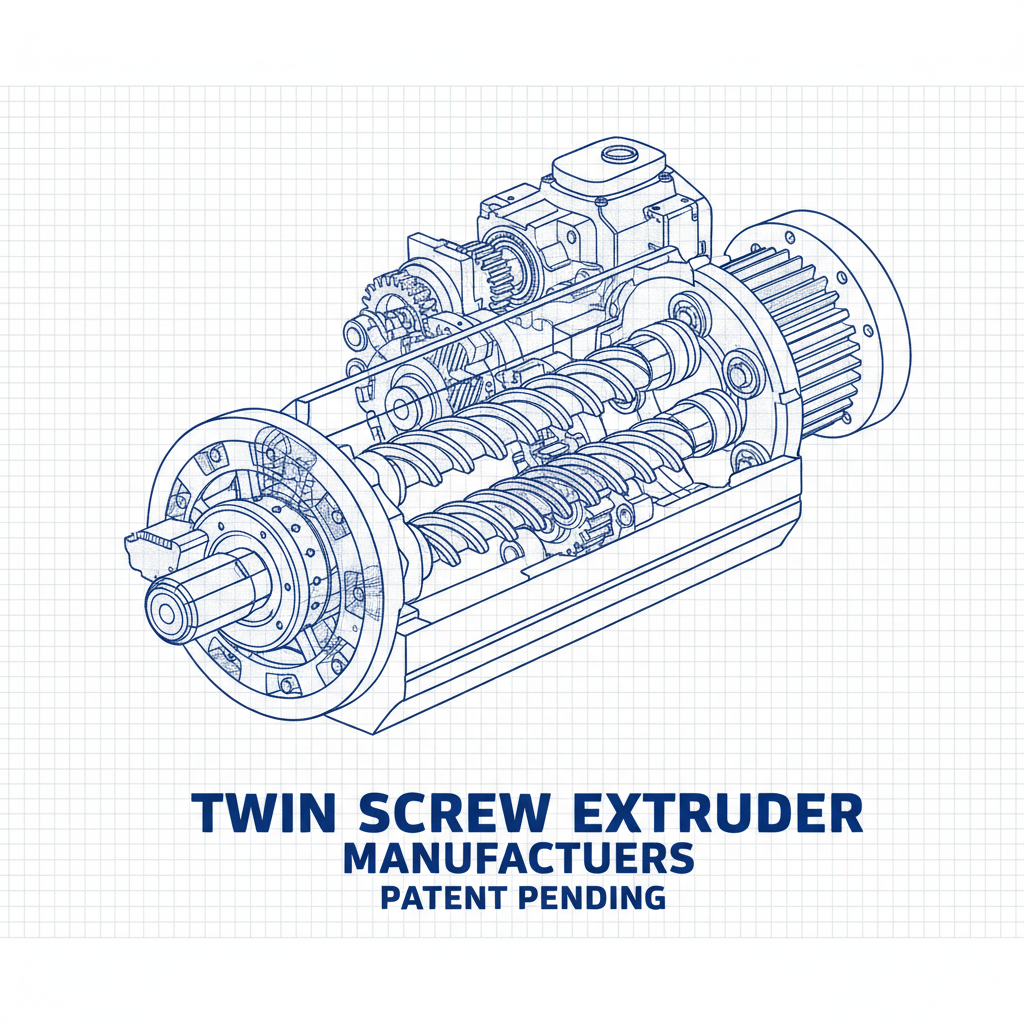
When establishing a professional soap manufacturing facility, understanding the soap stamping machine price is critical for accurate capital expenditure planning. This specific piece of machinery is the final touch in the production line, ensuring that every bar of soap carries a crisp, clear brand identity that resonates with consumers. By balancing initial investment with long-term throughput, manufacturers can optimize their operational costs while maintaining high aesthetic standards.
Globally, the demand for personalized and branded hygiene products has surged, making the soap stamping machine price a key variable in the scalability of small-to-medium enterprises (SMEs). From organic boutique soaps to mass-market detergents, the ability to stamp logos efficiently determines the speed at which a product can move from the molding line to the packaging stage. Understanding the price drivers—such as automation levels and material durability—allows business owners to avoid over-investing in unnecessary features or under-investing in bottlenecks.
Ultimately, the soap stamping machine price reflects more than just the cost of steel and motors; it encompasses the value of precision engineering and brand protection. In an industry where visual consistency is synonymous with quality, investing in a reliable stamping solution ensures that your product maintains its market value. This guide will break down the cost factors, technical requirements, and strategic advantages of integrating high-quality stamping equipment into your soap production line.
Global Market Impact on Soap Stamping Machine Price
The global hygiene market has seen a steady climb, with ISO standards increasingly demanding tighter tolerances in product finishing. Consequently, the soap stamping machine price is often influenced by the regional demand for high-precision machinery that can handle various soap bases, from glycerin to hard milled bars. In emerging markets, there is a significant shift toward automating the stamping process to reduce labor costs and increase consistency.
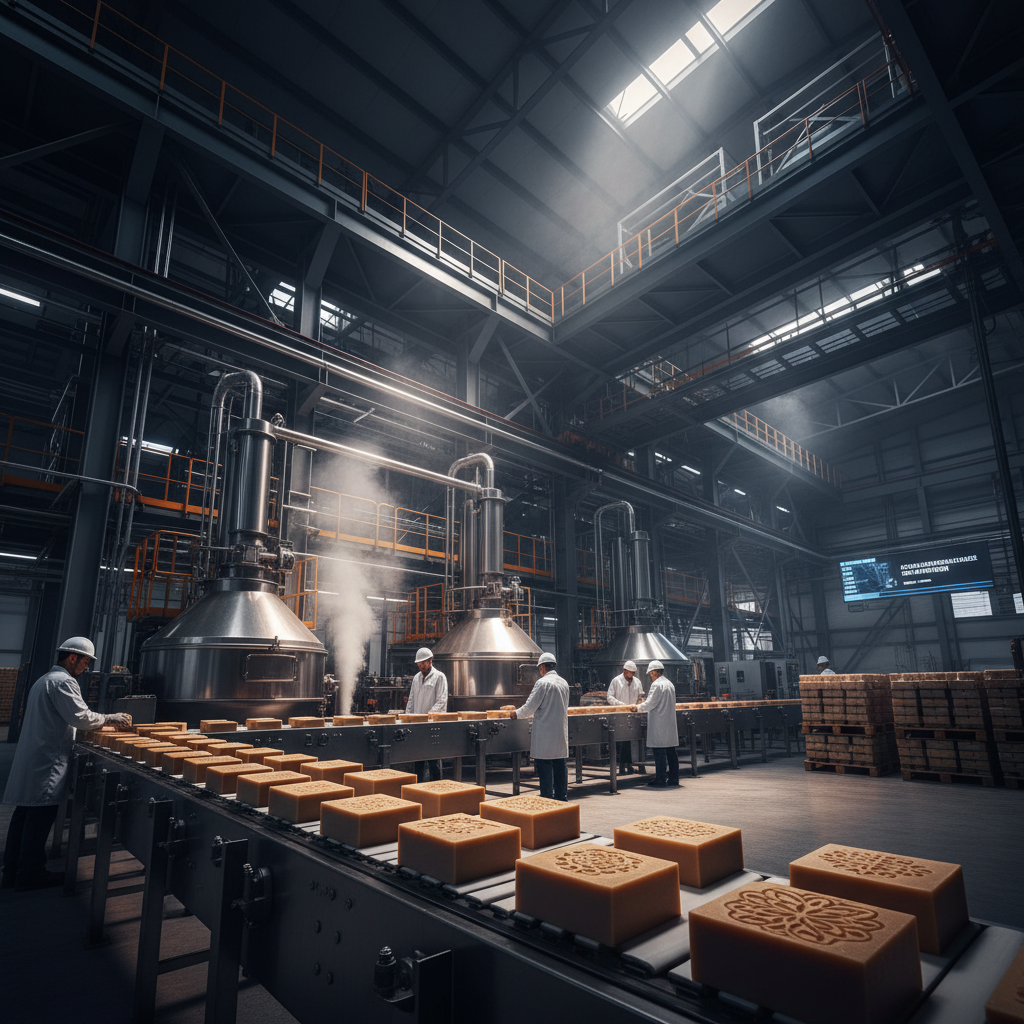
As supply chains fluctuate, the cost of high-grade stainless steel and PLC components directly impacts the soap stamping machine price. Manufacturers are now looking for equipment that not only stamps logos but integrates seamlessly with Soap And Soap Molding Production Lines to minimize downtime. This systemic approach ensures that the investment in stamping technology provides a competitive edge in global trade.
Defining the Value of Soap Stamping Equipment
At its core, the soap stamping machine price refers to the total acquisition cost of a machine designed to imprint brand logos, weight markers, or decorative patterns onto soap bars. Unlike simple cutting, stamping is a precision operation that requires a balance of pressure and depth to ensure the logo is legible without cracking the soap bar.
From an industrial perspective, this machinery is the bridge between a raw product and a commercial brand. The value proposition lies in the machine's ability to maintain a high "first-pass yield," meaning very few bars are wasted due to misaligned stamps. For humanitarian efforts or large-scale public health initiatives, affordable but durable stamping machines allow for the rapid identification and distribution of standardized hygiene kits.
When evaluating the soap stamping machine price, it is essential to distinguish between manual, semi-automatic, and fully automatic systems. Each tier serves a different market segment: manual machines for artisanal creators, semi-automatic for growing SMEs, and fully automatic integrated lines for industrial giants who prioritize volume and speed over initial cost.
Core Factors Influencing Equipment Cost
One of the primary drivers of the soap stamping machine price is the material quality. Machines constructed from 304 or 316 stainless steel are significantly more expensive but essential for preventing corrosion caused by the alkaline nature of soap. This durability ensures that the equipment does not need frequent replacement, lowering the total cost of ownership over a ten-year cycle.
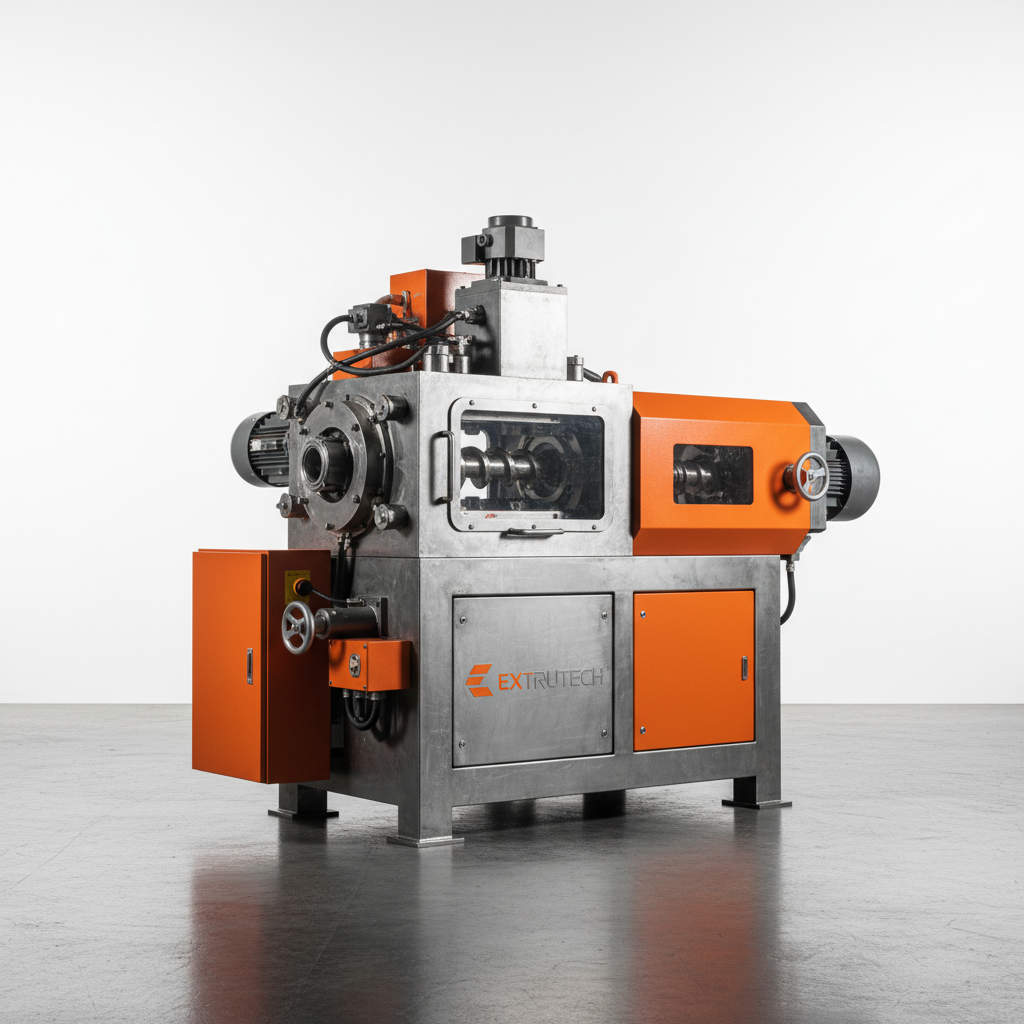
Another critical factor is the level of automation and the sophistication of the control system. A machine equipped with a high-end PLC (Programmable Logic Controller) will increase the soap stamping machine price but allows for rapid changes in stamp designs and precise pressure adjustments. This flexibility is vital for manufacturers who produce multiple product lines, such as combining a Soap Granulation Production Line with various finished bar shapes.
Finally, the production capacity—measured in bars per hour—directly correlates with the soap stamping machine price. High-speed machines require more robust frames to dampen vibrations and more powerful pneumatic or hydraulic systems to maintain stamping depth at velocity. Investing in a machine that exceeds current needs slightly can prevent the costly necessity of upgrading equipment as the business scales.
Efficiency Analysis and Price Performance
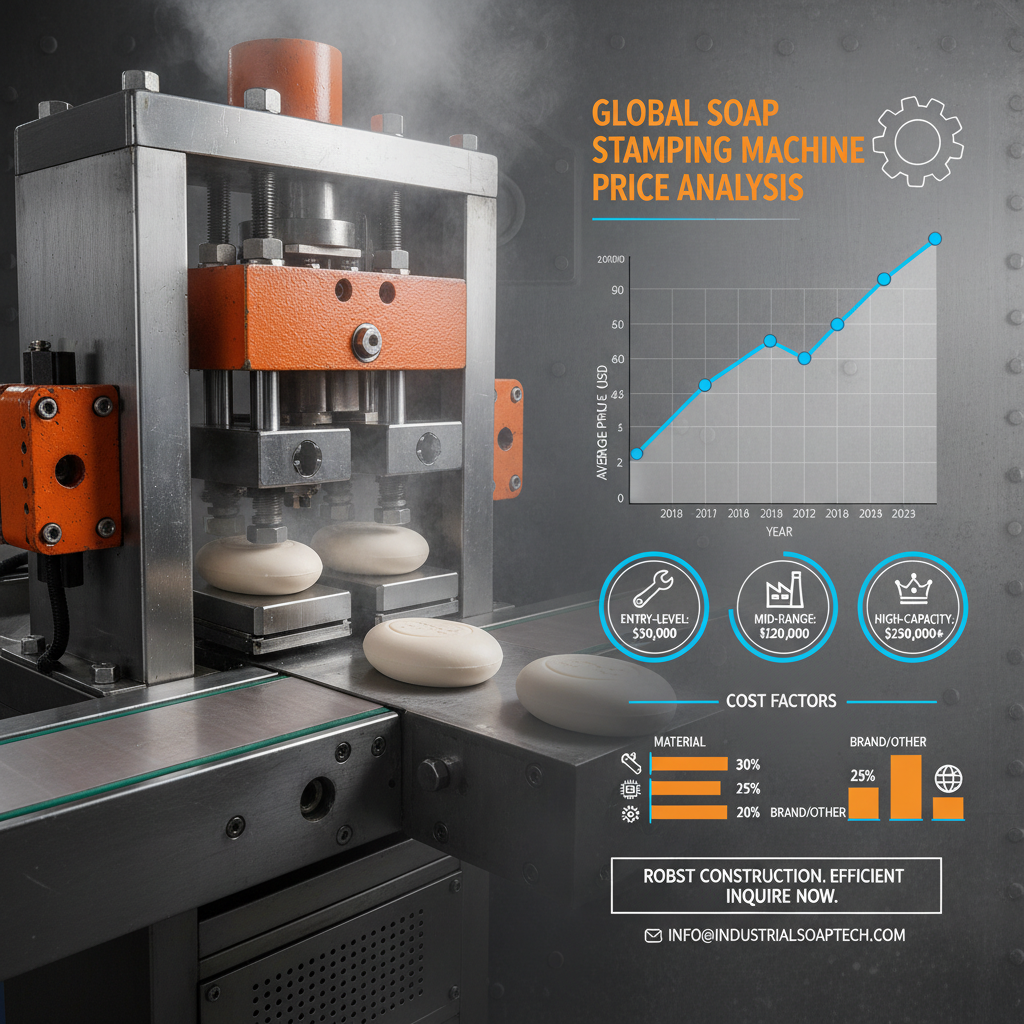
When comparing different models, it is not just about the lowest soap stamping machine price, but the cost per unit produced. A cheaper machine with a higher failure rate or slower cycle time can actually be more expensive in the long run due to lost productivity and wasted raw materials.
The following data illustrates how different investment levels in stamping technology correlate with operational efficiency and overall output quality, helping you determine the most logical price point for your specific production scale.
Operational Value vs. Soap Stamping Machine Price Tiers
Global Applications Across Different Soap Sectors
In high-volume industrial zones, such as Southeast Asia and Africa, the focus is on the soap stamping machine price in relation to mass throughput. Here, machines are integrated into massive Soap And Soap Molding Production Lines, where the stamping process is fully automated to handle thousands of bars per hour, ensuring that basic hygiene products are affordable and branded for consumer trust.
Conversely, in the luxury organic sector in Europe and North America, the soap stamping machine price is often justified by the machine's ability to handle intricate, deep-relief designs on softer, natural soap bases. These manufacturers prioritize precision and "artisan" quality over raw speed, utilizing machines that allow for frequent custom stamp changes to match seasonal product launches.
Long-Term ROI and Brand Value Enhancement
Investing in a quality stamping system transforms a generic commodity into a branded asset. While a lower soap stamping machine price might seem attractive initially, the long-term Return on Investment (ROI) is found in the professional appearance of the product. A clean, consistent logo acts as a silent ambassador for the brand, signaling reliability and quality to the end consumer.
From a logical angle, the reduction in manual labor and the decrease in product rejects lead to a faster amortization of the equipment cost. When a machine is properly calibrated, the waste—bars with smeared or missing logos—drops to nearly zero, directly adding to the bottom line of the manufacturing operation.
Furthermore, the psychological impact on the consumer cannot be overstated. In the hygiene industry, trust is everything. A well-stamped bar of soap feels "official" and safe, which allows manufacturers to command a higher retail price, eventually offsetting the original soap stamping machine price and generating a higher profit margin.
Future Innovations in Stamping Technology
The future of the industry is moving toward "Smart Stamping," where sensors automatically adjust the pressure based on the hardness of the soap batch. This innovation will likely shift the soap stamping machine price upward, but the trade-off will be a total elimination of manual monitoring and a significant increase in consistency across different raw material sources.
Sustainability is also playing a role; new machines are being designed to be more energy-efficient, utilizing servo-motors instead of traditional hydraulics to reduce electricity consumption. This shift not only aligns with global green energy policies but also lowers the ongoing operational costs for the factory owner.
As we integrate more digital transformation into the Soap Granulation Production Line Equipment, we expect to see stamping machines that can be controlled via cloud interfaces, allowing managers to monitor output and machine health in real-time. The following table summarizes how these innovations are expected to change the value landscape.
Comparison of Traditional vs. Innovative Soap Stamping Technologies
| Technology Tier |
Impact on Price |
Efficiency Gain |
Maintenance Need |
| Manual Stamping |
Low Initial Cost |
Low (1-3) |
Minimal |
| Pneumatic Auto |
Moderate Price |
Medium (5-7) |
Regular Oil/Air |
| Servo-Driven |
Higher Price |
High (8-9) |
Low/Electronic |
| AI-Adjustable |
Premium Price |
Maximum (10) |
Software Updates |
| Integrated Line |
Systemic Price |
High (9) |
Comprehensive |
| Eco-Hybrid |
Competitive Price |
Medium (7) |
Low |
FAQS
The most significant factors are the material of construction (e.g., stainless steel 304 vs 316), the level of automation (manual vs. fully automatic), the production capacity (bars per hour), and the complexity of the control system (PLC features). Additionally, the precision of the stamping head and the inclusion of customized molds will impact the final cost.
Not necessarily. The "best" machine depends on your current production volume and growth plans. For a small artisan shop, a high-end industrial machine would be an unnecessary expense. However, for a scaling business, investing in a mid-to-high range machine prevents the "bottleneck effect" where your molding line produces faster than your stamping machine can process.
The stamping machine typically sits after the soap cutter and before the packaging unit. In fully automated lines, conveyors move the bars directly into the stamping press. Integrating this with a Soap And Soap Molding Production Line ensures a seamless flow, reducing manual handling and contamination risks, which justifies a higher combined system price.
Yes, most modern machines are designed with quick-change stamp holders. However, the ease of this process varies by price point. Entry-level machines may require more manual adjustment, while premium models use standardized mounts and digital alignment, allowing for brand switches in minutes rather than hours.
With proper maintenance and a build quality consistent with a professional soap stamping machine price, these units typically last 10 to 15 years. The key is the use of corrosion-resistant materials and regular lubrication of moving parts to prevent wear and tear from the abrasive nature of soap dust.
Calculate the ROI by comparing the labor cost reduction (manual vs. automatic) and the decrease in waste (reject rate) against the initial soap stamping machine price. Additionally, factor in the potential price increase of your finished product once it has professional, high-quality branding compared to unbranded bars.
Conclusion
Navigating the complexities of the soap stamping machine price requires a strategic balance between immediate budget constraints and long-term operational goals. From the choice of stainless steel for durability to the integration of PLC systems for precision, every cost driver serves a purpose in ensuring a consistent, professional finish for the final product. By understanding the relationship between equipment price and production efficiency, manufacturers can make informed decisions that enhance both their operational throughput and their brand's market presence.
Looking forward, the trend toward automation and energy-efficient "Smart Stamping" will continue to redefine the value proposition of soap manufacturing equipment. We recommend that businesses evaluate their three-year growth projections before selecting a machine to ensure their investment remains scalable. For those looking to upgrade their production capabilities or start a new venture in the hygiene industry, choosing a partner that provides comprehensive support and high-quality machinery is the most sustainable path to success. Visit our website for more professional solutions: www.rssoapmachinery.com