The global demand for hygiene products, driven by increasing health awareness and population growth, underscores the vital role of a robust soap manufacturing plant infrastructure. These plants aren’t simply about producing soap; they are critical components of public health systems, economic development, and disaster preparedness worldwide. Efficient and scalable soap production is paramount in preventing the spread of disease, supporting local economies, and providing essential sanitation during crises.
The soap manufacturing industry is a multi-billion dollar market, with significant growth potential in emerging economies. The United Nations highlights the importance of handwashing with soap as one of the most effective ways to prevent disease, particularly in developing countries. The industry is evolving, with a growing focus on sustainable practices, eco-friendly ingredients, and innovative production technologies. Investment in advanced soap manufacturing plants is therefore essential to meeting this growing global demand.
Understanding the intricacies of soap manufacturing, from raw material sourcing to quality control, is crucial for entrepreneurs, policymakers, and public health professionals. Modern plants are increasingly automated, ensuring consistent product quality and reducing production costs. Furthermore, adopting sustainable practices and utilizing renewable energy sources are becoming key priorities within the industry, shaping the future of soap manufacturing plants globally.
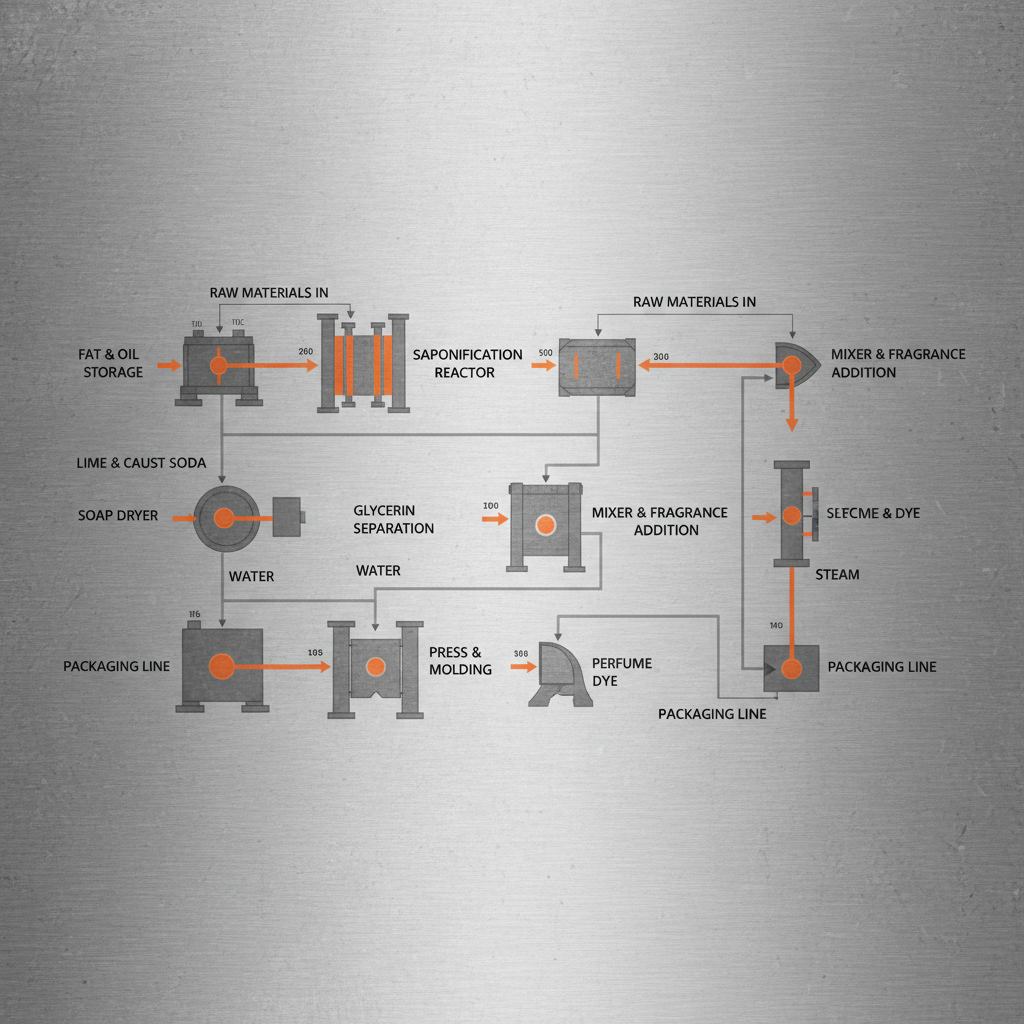
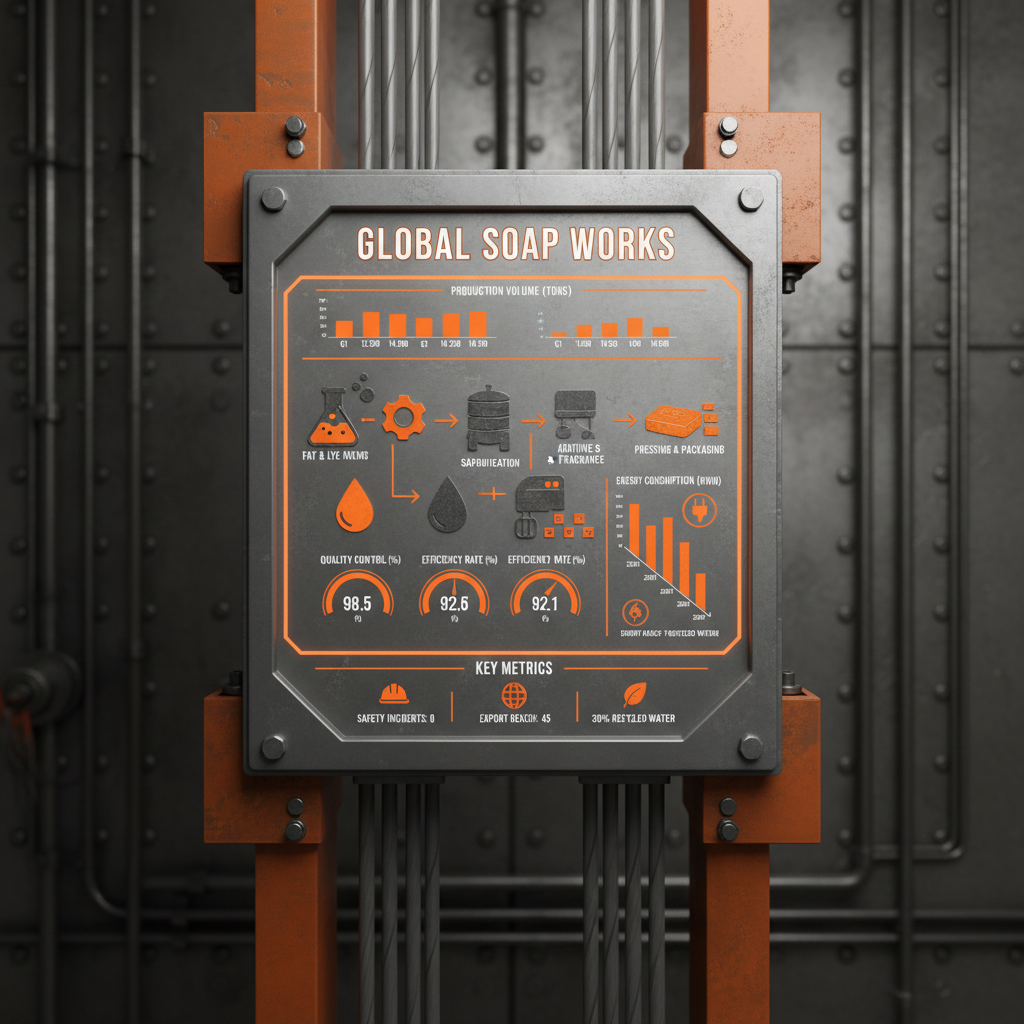
A well-equipped soap manufacturing plant is pivotal in addressing global hygiene challenges. The World Health Organization estimates that millions of deaths annually are preventable through improved hygiene practices, with soap being a central element. Establishing and maintaining efficient production facilities, particularly in regions with limited access to sanitation, is a key step in reducing the incidence of infectious diseases.
Beyond public health, these plants contribute significantly to economic development. They create employment opportunities, stimulate local economies through the sourcing of raw materials, and generate revenue through the sale of finished products. A strategically located soap manufacturing plant can serve as an economic engine for an entire community.
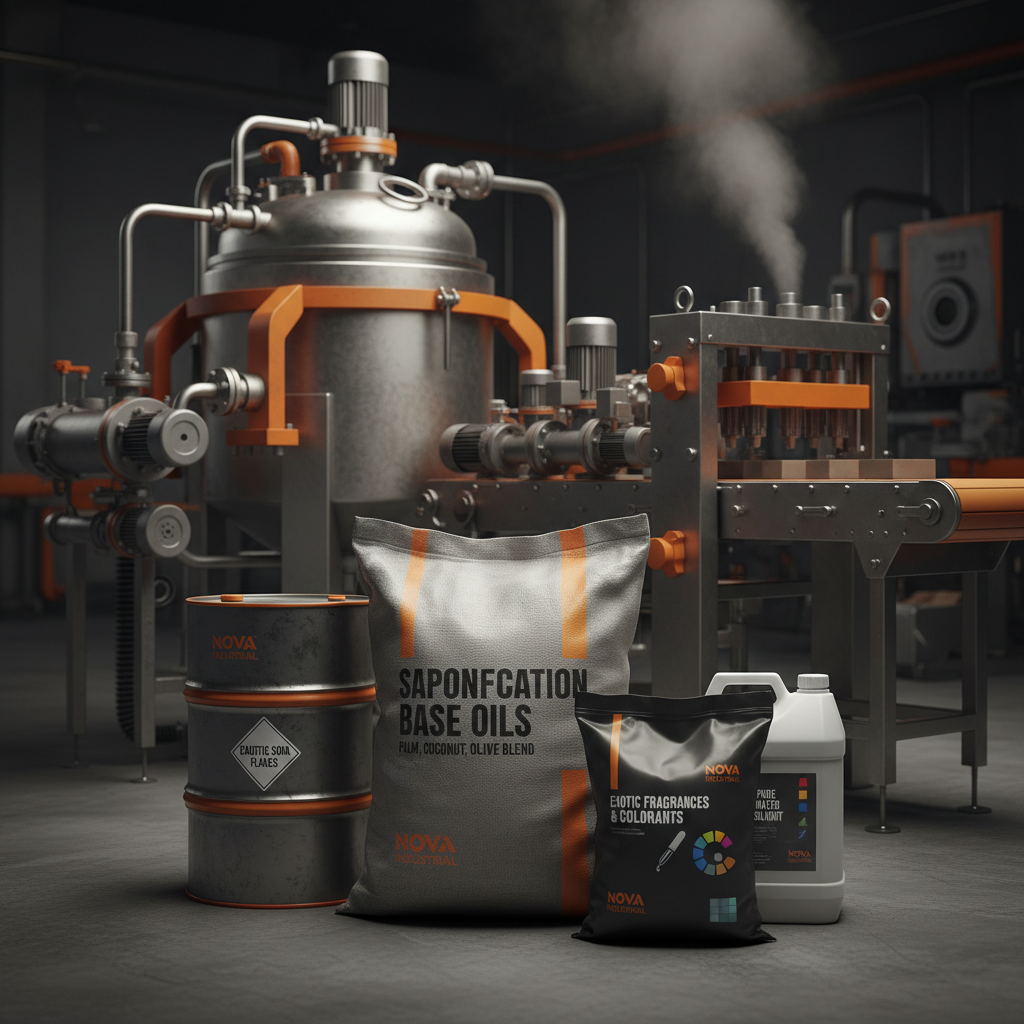
The initial capital costs for a soap manufacturing plant vary significantly based on scale, automation level, and location. Generally, costs include land acquisition or lease, building construction, equipment purchase (saponification reactors, mixers, packaging lines), raw material storage, wastewater treatment facilities, and initial operating expenses. A small-scale plant could start around $50,000, while a large, automated facility could easily exceed $1 million. Thorough cost analysis and financial planning are crucial.
Operating a soap manufacturing plant involves adhering to several regulatory requirements. These typically include obtaining business licenses, complying with environmental regulations (wastewater discharge, air emissions), following health and safety standards (OSHA), and adhering to product labeling and ingredient regulations (FDA or equivalent). Ensuring proper documentation and regular inspections are vital for maintaining compliance.
Quality control is paramount in soap manufacturing. Implement a rigorous quality control system that includes testing raw materials, monitoring production parameters (pH, saponification value), and conducting finished product analysis (foam height, viscosity, free fatty acid content). Regular calibration of equipment and adherence to standard operating procedures are also essential.
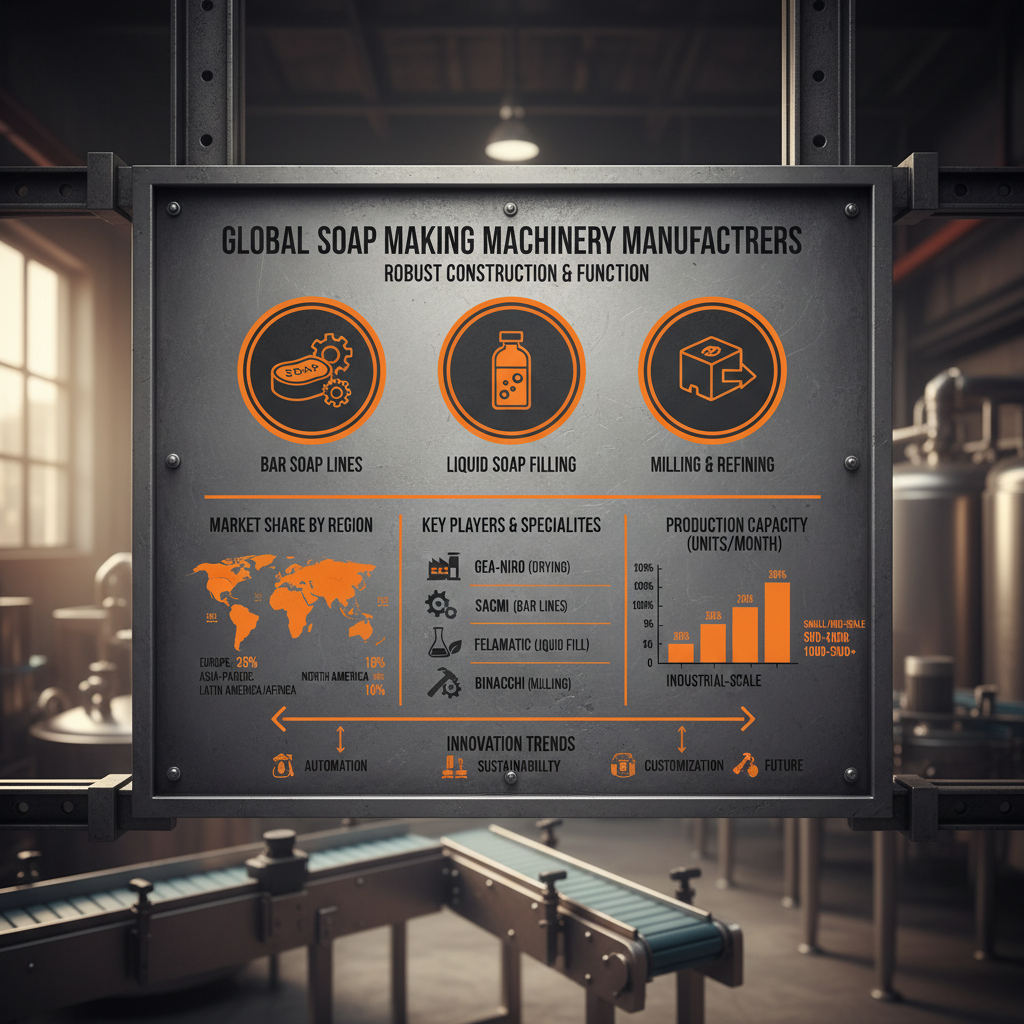
Modern soap manufacturing plants produce a wide variety of soap types. This includes bar soaps (toilet soaps, laundry soaps), liquid soaps (hand soaps, body washes, dish soaps), and specialty soaps (medicated soaps, antibacterial soaps). The choice of soap type depends on market demand, formulation requirements, and production capabilities.
Implementing sustainable practices involves several key steps. These include sourcing certified sustainable raw materials (e.g., RSPO-certified palm oil), minimizing water and energy consumption, reducing waste through recycling and reuse, utilizing biodegradable packaging materials, and implementing efficient wastewater treatment systems. Investing in renewable energy sources can further reduce environmental impact.
Automation plays a significant role in modern soap manufacturing, enhancing efficiency, consistency, and reducing labor costs. Automated systems are used for raw material handling, saponification control, mixing, filling, packaging, and quality control. Automation also minimizes the risk of human error and ensures adherence to strict production standards, leading to higher-quality soap products.
In conclusion, a well-designed and operated soap manufacturing plant is not merely a production facility, but a vital component of public health, economic development, and sustainable industry. From ensuring access to essential hygiene products to fostering innovation in formulation and packaging, these plants play a crucial role in improving lives worldwide. The ability to scale production, adapt to evolving market demands, and embrace sustainable practices are key factors determining long-term success.
Looking ahead, continued investment in automation, green technologies, and research and development will be essential for maintaining a competitive edge and addressing emerging challenges. By prioritizing quality, sustainability, and innovation, soap manufacturing plants will continue to be indispensable assets to communities and economies around the globe.