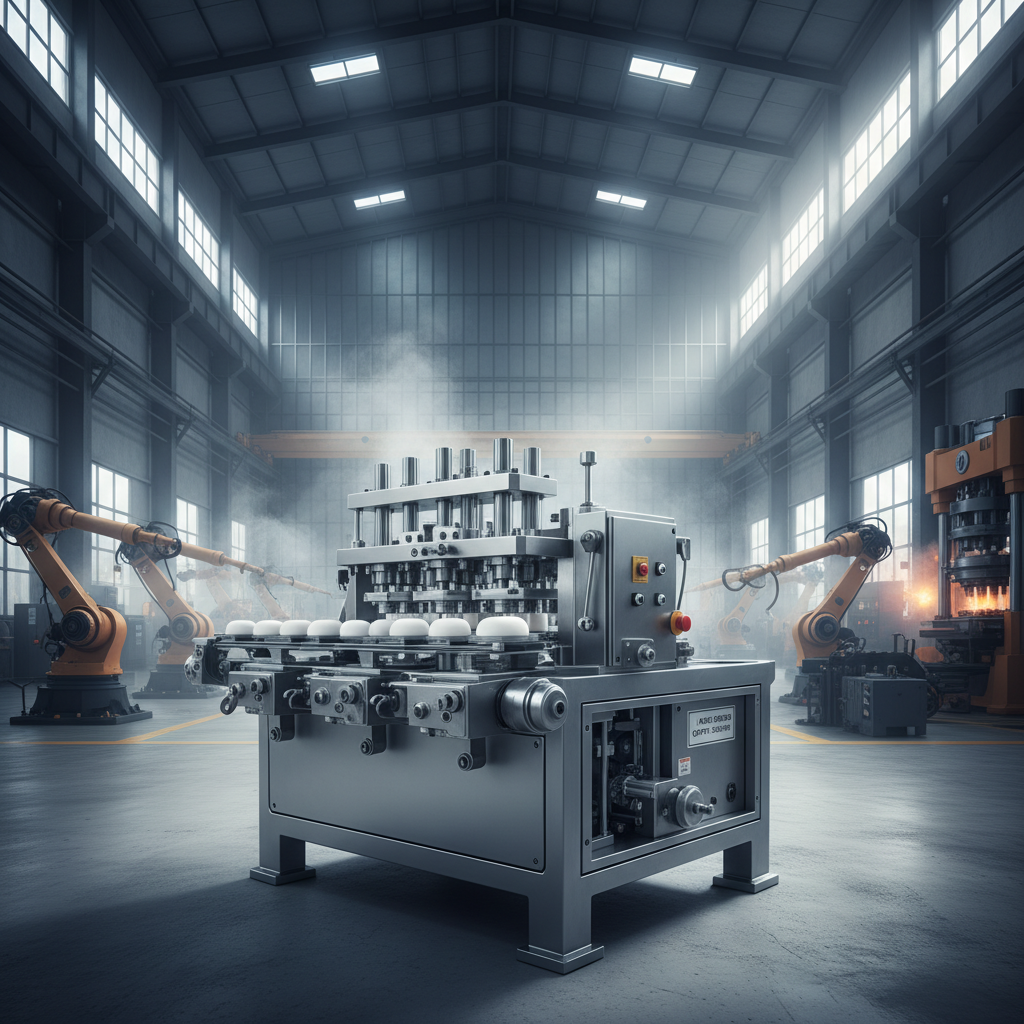
The global demand for hygiene products, particularly soap, is consistently high, driven by public health concerns and increasing awareness of sanitation. An automatic soap manufacturing plant addresses this demand efficiently and reliably. These plants are becoming increasingly important in meeting the needs of both developed and developing nations, ensuring a consistent supply of essential cleaning agents. The escalating emphasis on hygiene, spurred by recent global events, further solidifies the importance of optimized soap production.
The need for scalable and cost-effective soap production solutions has never been greater. Traditional methods often struggle to meet large-scale demands while maintaining quality standards. Automatic soap manufacturing plants provide a solution, utilizing advanced technology to streamline the process. This results in higher output, reduced labor costs, and a more consistent product – factors critical for both commercial success and humanitarian aid.
Understanding the nuances of an automatic soap manufacturing plant – from its core components to its potential applications – is vital for businesses, governments, and organizations dedicated to public health and economic development. Investing in these systems represents an investment in a cleaner, healthier future.
The Importance of Automatic Soap Manufacturing Plant
An automatic soap manufacturing plant represents a significant advancement in hygiene and sanitation infrastructure. The ability to produce large quantities of soap quickly and efficiently is critical in addressing public health challenges globally. These plants are not just about production volume; they’re about ensuring consistent quality and affordability, especially in regions where access to basic hygiene products is limited.
The evolution of soap production from traditional, labor-intensive methods to automated systems has been a pivotal moment in public health. Automatic soap manufacturing plants allow for greater control over the entire process, reducing contamination risks and improving overall product safety. This automation directly translates to healthier communities and a reduced spread of disease.
Defining Automatic Soap Manufacturing Plant
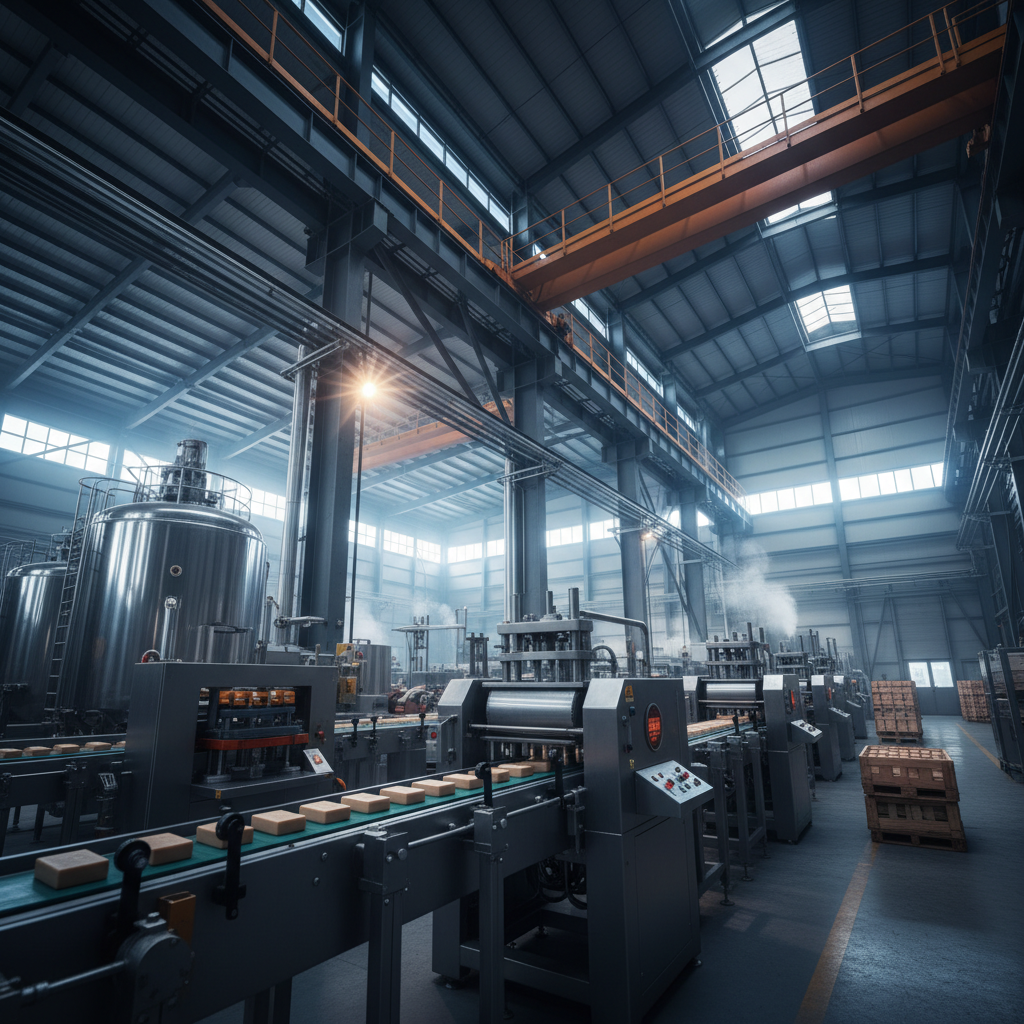
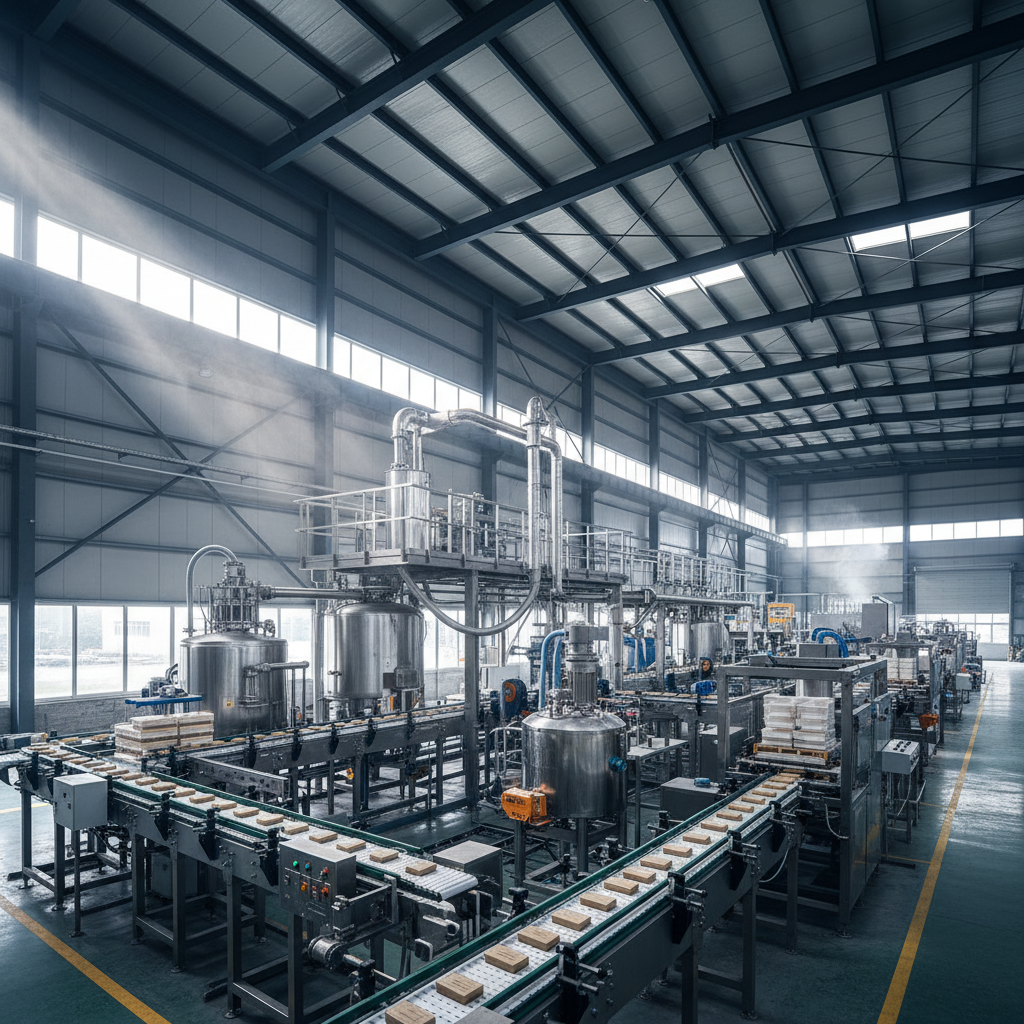
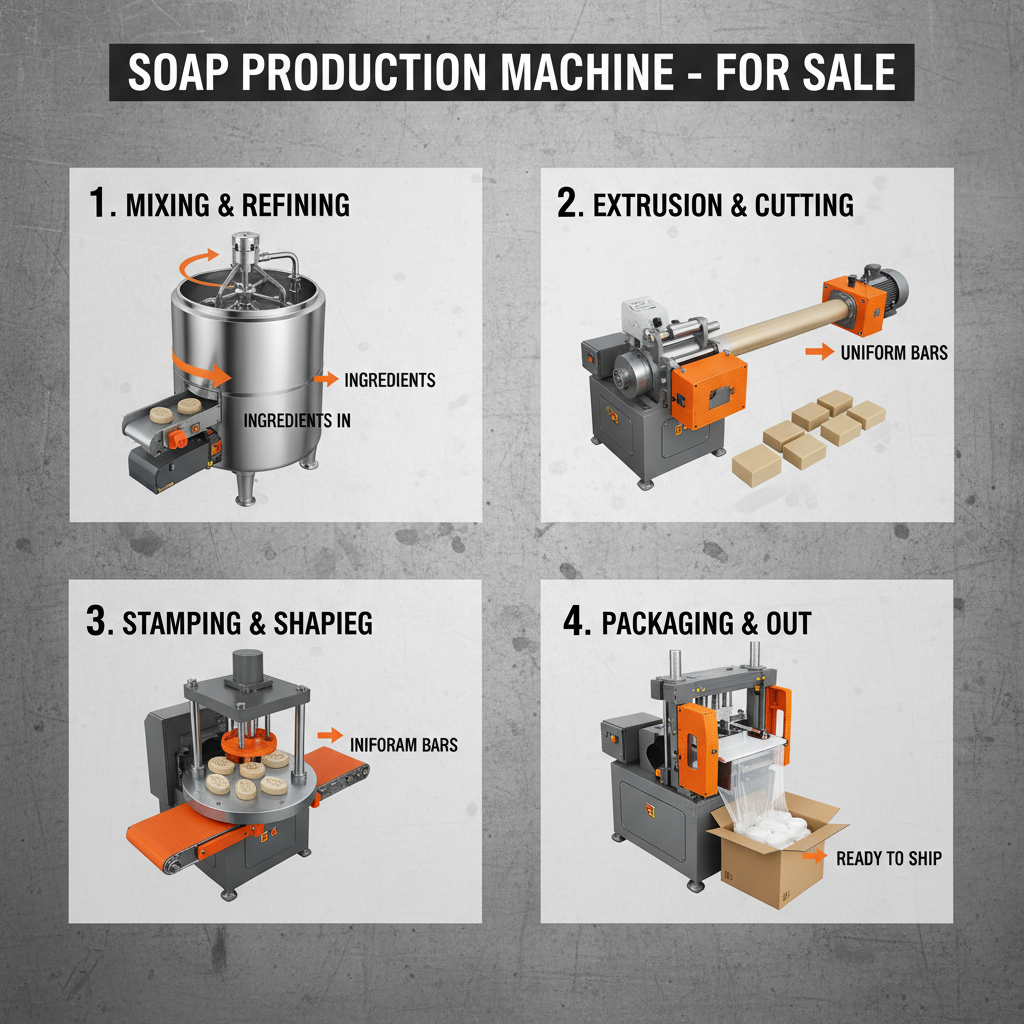
An automatic soap manufacturing plant is a facility equipped with machinery and systems designed to automate the entire soap-making process, from raw material handling and mixing to molding, packaging, and quality control. These plants minimize manual labor, maximizing efficiency and consistency in production. They differ from traditional batch production methods through continuous operation and precise control parameters.
This automated approach is essential for meeting the increasing global demand for soap. It’s not merely about replacing human workers; it’s about improving the accuracy and scalability of production. An automatic soap manufacturing plant is a crucial component in both commercial hygiene product manufacturing and humanitarian relief efforts.
The connection to modern industry and humanitarian needs is profound. In industrial settings, it ensures a steady supply of cleaning agents for various applications. For humanitarian efforts, it enables rapid deployment of essential hygiene products in disaster-stricken areas or regions with limited access to sanitation facilities.
Key Components of an Automatic Soap Manufacturing Plant
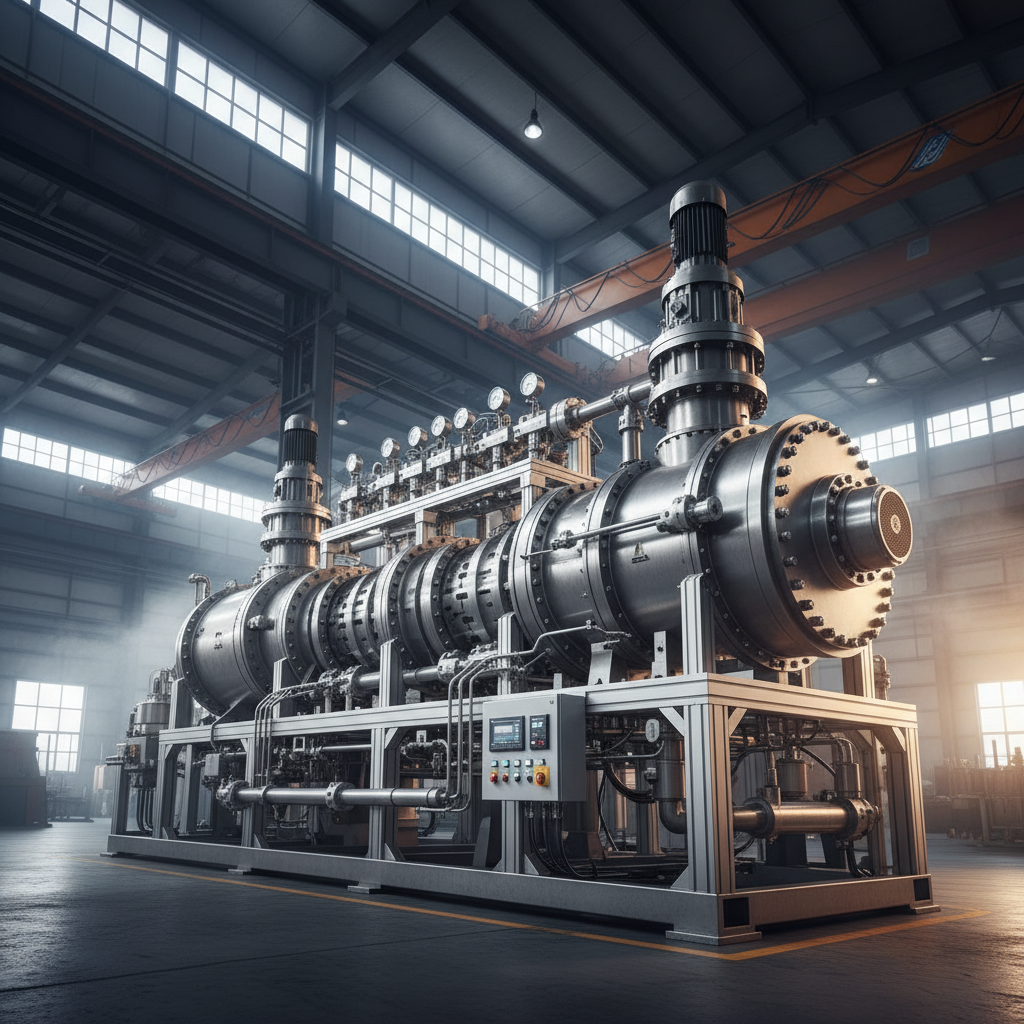
Several core components define the functionality and efficiency of an automatic soap manufacturing plant. These include raw material storage and handling systems, precise mixing and blending reactors, automated soap noodle processing lines, sophisticated molding and cutting mechanisms, and high-speed packaging equipment. Each component is integrated to create a seamless, automated production flow.
Beyond the physical machinery, the control system is paramount. Programmable Logic Controllers (PLCs) and Supervisory Control and Data Acquisition (SCADA) systems are used to monitor and regulate the entire process, ensuring consistent quality and efficient operation. Data analytics can also be integrated to optimize production parameters and identify potential issues before they arise.
Quality control measures are also intrinsic. Automatic sampling and testing systems are deployed at various stages to verify the composition and characteristics of the soap, guaranteeing adherence to industry standards and customer specifications. These systems contribute to maintaining brand reputation and consumer trust.
Practical Applications & Scalability
The practical applications of an automatic soap manufacturing plant are extensive. They range from large-scale production for major consumer brands to customized formulations for specialized industrial cleaning purposes. The ability to easily adjust production parameters allows for a diverse product portfolio.
Scalability is a key advantage. These plants can be configured to handle varying production volumes, from smaller-scale operations to massive outputs needed to serve entire regions. Adding additional modules or upgrading existing equipment can expand capacity to meet growing demand.
Automatic Soap Manufacturing Plant Production Capacity
Global Implementation & Regional Benefits
Automatic soap manufacturing plants are being implemented globally, with particular impact in developing regions. Africa, Southeast Asia, and parts of Latin America are seeing increased investment in these facilities to address sanitation needs and stimulate local economies. These plants are also pivotal in creating employment opportunities in the manufacturing sector.
In post-disaster relief operations, rapid deployment of these plants can provide a crucial supply of hygiene products, preventing the spread of disease and aiding in recovery efforts. In remote industrial zones, they ensure a consistent supply of cleaning agents for various industries, improving workplace safety and productivity.
Advantages: Cost, Sustainability & Impact
The advantages of utilizing an automatic soap manufacturing plant are manifold. Significant cost savings are realized through reduced labor requirements, minimized material waste, and optimized energy consumption. This allows for competitive pricing and increased profitability.
Sustainability is another key benefit. Modern plants are designed to minimize environmental impact, incorporating water recycling systems, efficient energy usage, and the ability to utilize sustainable raw materials. The reduction in transportation needs also contributes to a smaller carbon footprint.
Future Trends & Innovation in Soap Production
The future of soap production is poised for further innovation. The integration of artificial intelligence (AI) and machine learning (ML) will enable predictive maintenance, optimizing plant performance and reducing downtime. The use of bio-based and renewable raw materials is also gaining traction, driving the development of eco-friendly soap formulations.
Digitalization will play a vital role, with interconnected plants sharing data and optimizing supply chains. The trend towards personalized hygiene products will also drive the need for flexible and adaptable manufacturing systems. Ultimately, the goal is to create a more sustainable, efficient, and responsive soap production industry.
Green energy integration, such as utilizing solar power for plant operations, will further reduce the environmental impact. The implementation of blockchain technology for supply chain transparency will enhance consumer trust and ensure the ethical sourcing of materials.
FAQS
The payback period for an automatic soap manufacturing plant varies depending on production volume, local market conditions, and operational efficiency, but generally falls between 3 to 7 years. Factors such as reduced labor costs, minimized waste, and consistent product quality contribute to faster returns on investment. A detailed feasibility study is crucial for accurate projections.
While the plant is automated, skilled technicians are needed for operation, maintenance, and quality control. Training is typically provided by the plant supplier. Basic understanding of electrical systems, mechanical components, and PLC programming is beneficial. Routine maintenance can be performed by trained in-house personnel, while complex repairs may require specialized engineers.
Automatic soap manufacturing plants are versatile and can process a wide range of raw materials, including vegetable oils (palm oil, coconut oil), animal fats, tallow, caustic soda, glycerin, and various additives like fragrances, colorants, and preservatives. The specific formulation can be customized to produce different types of soap.
Safety is paramount. Automatic soap manufacturing plants are equipped with numerous safety features, including emergency shutdown systems, safety guards on moving parts, leak detection sensors, and fire suppression systems. Compliance with international safety standards (e.g., ISO, CE) is essential.
Automation ensures precise control over all stages of the production process, eliminating human error and variability. Automated sampling and testing systems continuously monitor product quality, ensuring adherence to specifications. Data logging and analysis provide valuable insights for process optimization and consistent product quality.
Reputable suppliers provide comprehensive support services, including plant installation and commissioning, operator training, maintenance support, spare parts availability, and technical assistance. Ongoing support is crucial for maximizing plant uptime and ensuring long-term performance.
Conclusion
Automatic soap manufacturing plants represent a transformative force in the hygiene industry, offering increased efficiency, scalability, and sustainability. These facilities are not simply about producing more soap; they are about ensuring access to essential sanitation products, bolstering public health, and fostering economic development worldwide. The benefits extend from reduced costs and environmental impact to improved product quality and reliable supply chains.
Investing in an automatic soap manufacturing plant is a strategic decision that aligns with the growing global emphasis on hygiene and sustainability. As technology continues to advance, these plants will become even more sophisticated and adaptable, playing an increasingly vital role in addressing the world’s sanitation challenges and improving the quality of life for millions.