0%

Table of Contents

Soap plant machinery represents a critical infrastructure component in ensuring global hygiene and public health. From large-scale industrial soap production to decentralized, community-based manufacturing, these machines are essential for creating a readily available supply of this vital cleaning agent. Understanding the intricacies of soap plant machinery – encompassing its design, operation, maintenance, and evolving technologies – is paramount, particularly in addressing global health challenges and supporting sustainable economic development. The ability to efficiently and reliably produce soap locally reduces dependence on imports, empowers communities, and safeguards against disease outbreaks.

The global market for soap and detergents is significant, driven by increasing hygiene awareness, population growth, and the demand for personal care products. According to the UN, access to basic sanitation, including handwashing with soap, is fundamental to preventing the spread of infectious diseases. The World Bank emphasizes the economic benefits of improved hygiene, linking it to increased productivity and reduced healthcare costs. ISO standards further dictate quality control measures throughout the soap manufacturing process, necessitating reliable and efficient machinery. This demand creates a continuous need for innovative and adaptable soap plant machinery solutions.

Soap plant machinery addresses the challenge of consistently producing high-quality soap at scale. Traditional, manual soapmaking methods are often inefficient and inconsistent. Modern machinery automates key processes like saponification, mixing, molding, and packaging, resulting in increased production rates, improved product consistency, and reduced labor costs. This is especially crucial in regions with limited resources or a rapidly growing population where access to affordable soap is essential for public health.
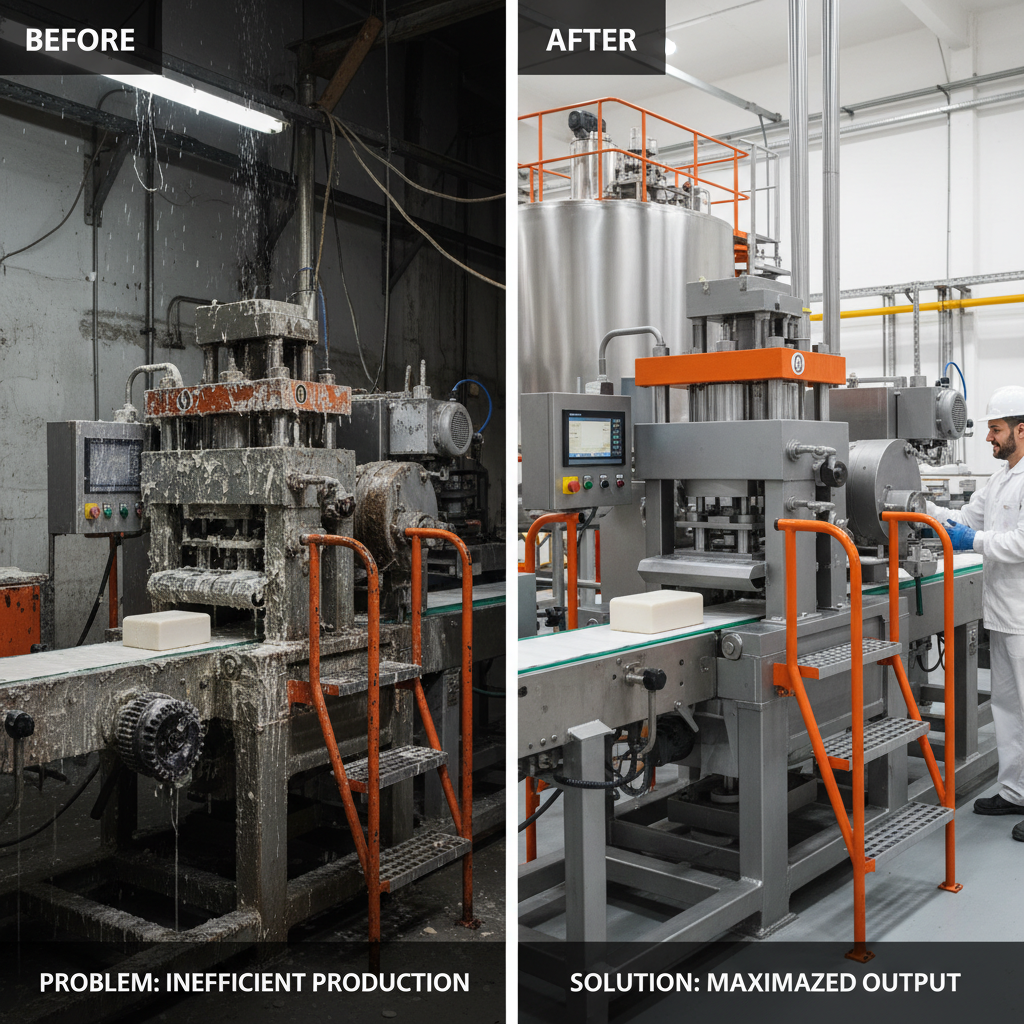
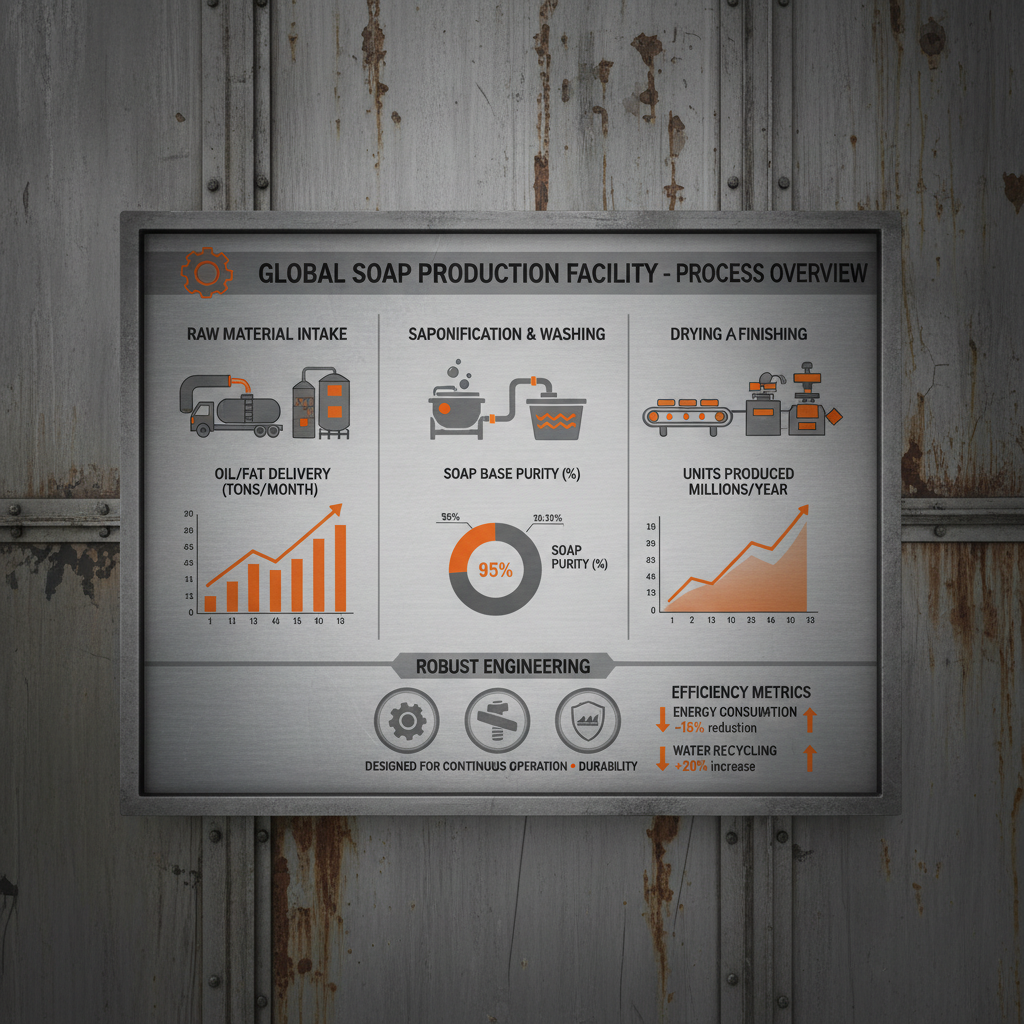
Comprehensive Guide to Soap Plant Machinery for Efficient Production

Introduction: Global or Industry Context

Comprehensive Guide to Soap Plant Machinery for Efficient Production

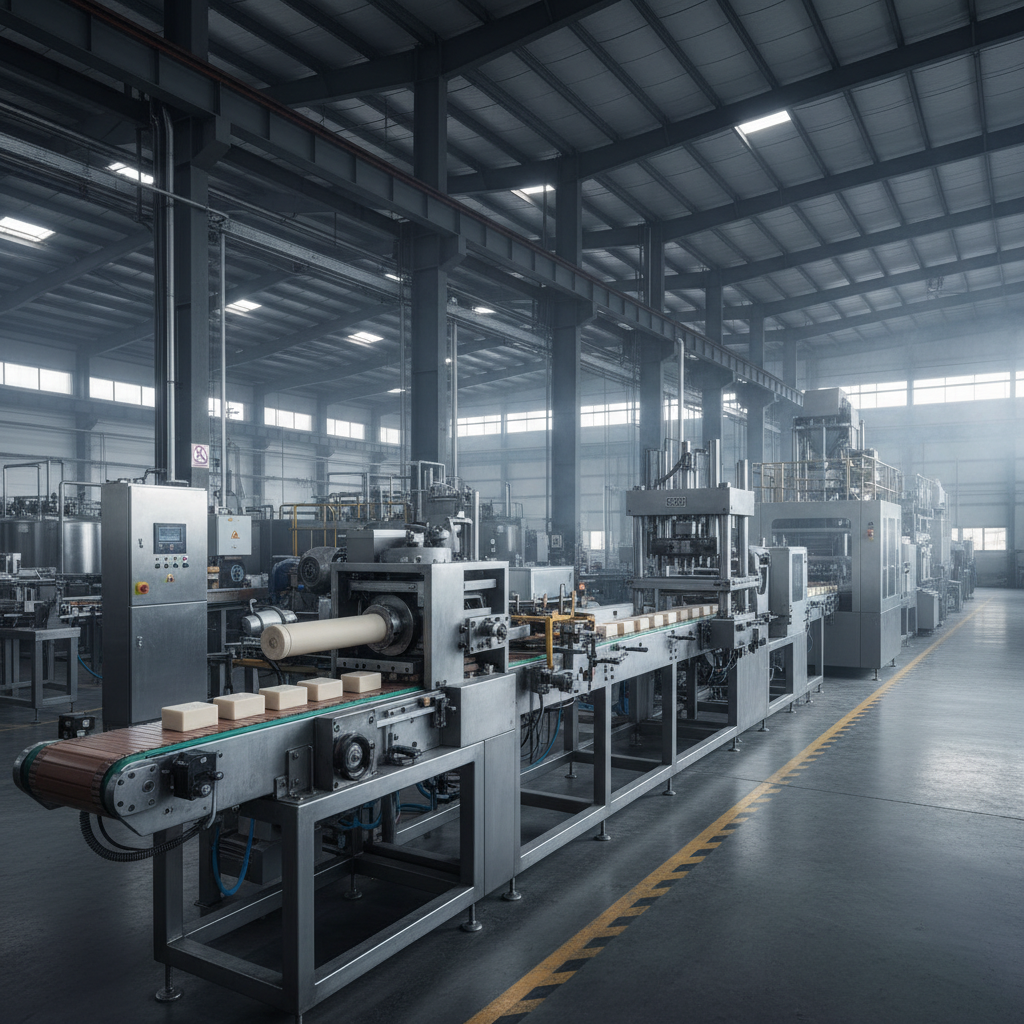
The production of soap, once a laborious and small-scale activity, has evolved dramatically thanks to advancements in soap plant machinery. Today, sophisticated equipment allows for continuous, automated soap manufacturing, catering to diverse global demands. This transformation has not only increased efficiency but also improved the quality and consistency of soap, making it a readily available commodity for hygiene practices worldwide. The industry is particularly important in developing countries, where locally produced soap can be more affordable and accessible.

The demand for soap is consistently high, driven by factors such as increasing population, growing hygiene awareness, and a heightened focus on public health, as highlighted by events like the COVID-19 pandemic. Efficient soap plant machinery plays a critical role in meeting this demand, ensuring a stable supply chain and preventing shortages. Furthermore, the development of eco-friendly soap formulations and sustainable manufacturing processes relies heavily on advanced machinery capable of handling diverse ingredients and minimizing waste.

Definition & Meaning

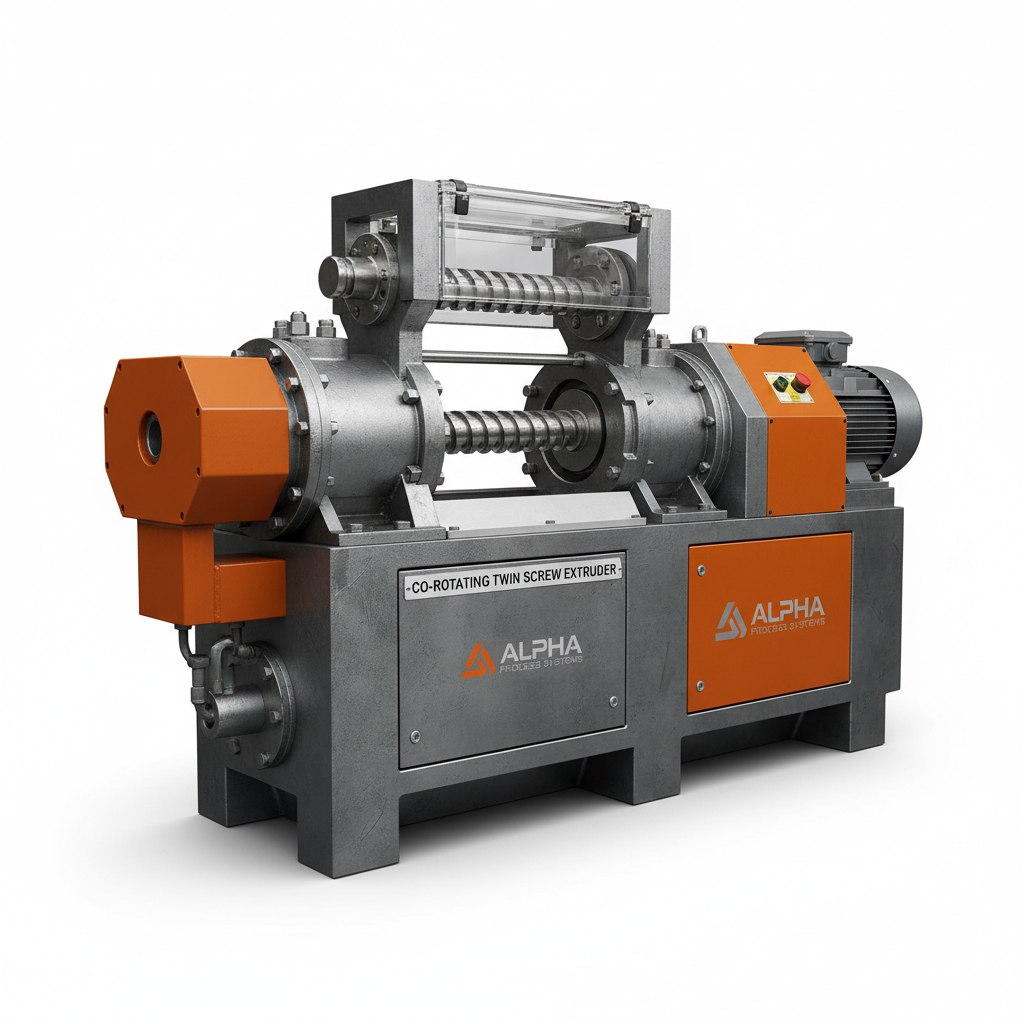
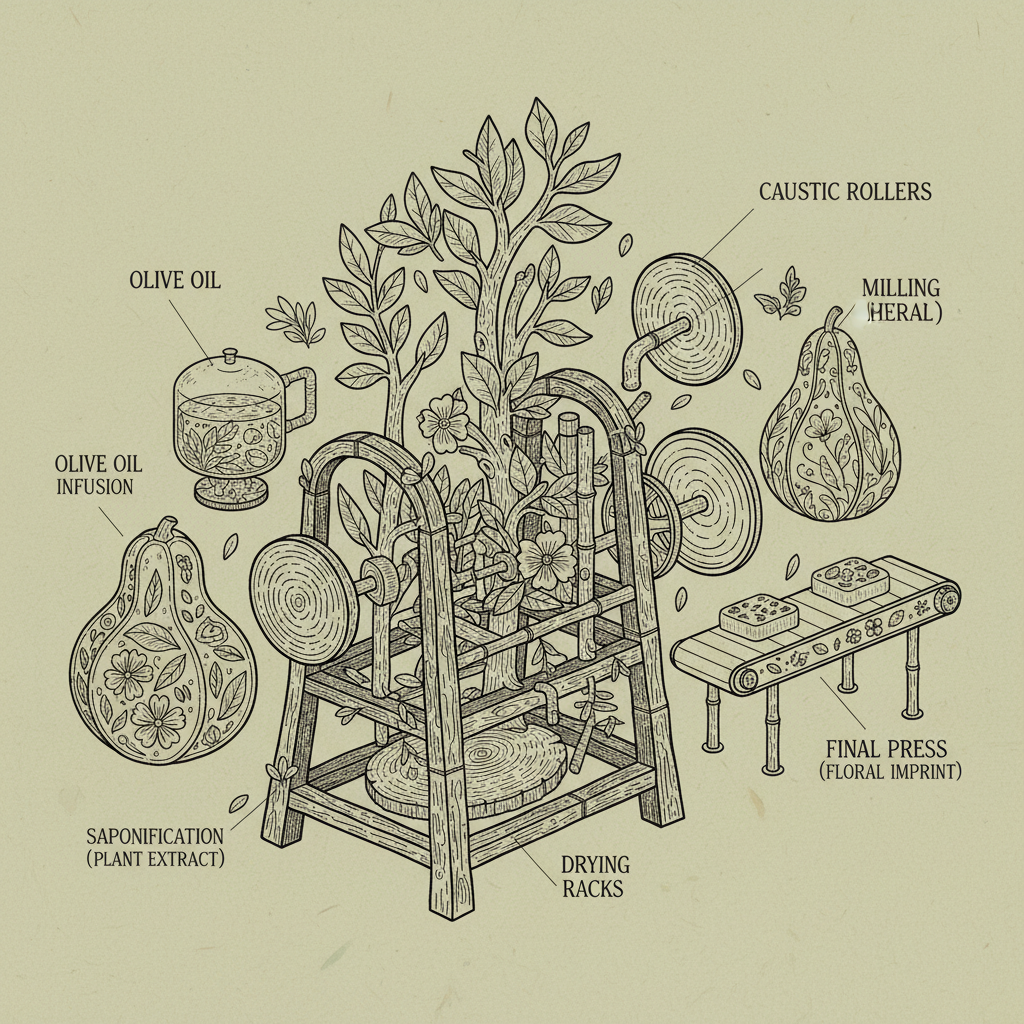
Soap plant machinery encompasses all the equipment required to manufacture soap, from initial ingredient preparation to final product packaging. This includes reactors for saponification (the chemical process that creates soap), mixers for combining ingredients, plodders for forming soap noodles, extruders for creating bars, stamping machines for adding designs, and packaging lines for preparing the product for distribution. Modern machines often incorporate automated control systems for precise temperature regulation, mixing speeds, and ingredient dosing.

The connection to modern industry lies in the application of chemical engineering principles, automation technology, and materials science. The humanitarian need is even more fundamental. Soap is a critical tool in preventing the spread of disease, and access to affordable soap directly improves public health outcomes. Reliable soap plant machinery enables large-scale production to meet these needs, particularly in underserved communities and disaster relief scenarios.

In essence, soap plant machinery bridges the gap between raw materials and a vital hygiene product, playing a crucial role in both economic development and public well-being.

Key Factors or Core Components

Durability is paramount in soap plant machinery. The saponification process often involves corrosive chemicals, and continuous operation demands robust construction. Machines built from high-quality stainless steel and other resistant materials can withstand harsh conditions and ensure a long service life, minimizing downtime and replacement costs. This durability directly impacts the long-term profitability of a soap manufacturing operation.

Scalability refers to the ability of the machinery to adapt to changing production needs. A modular design allows manufacturers to start with a smaller setup and expand their capacity as demand grows, avoiding significant upfront investment. Soap plant machinery that offers scalable solutions empowers businesses to respond effectively to market fluctuations and maintain a competitive edge.

Cost Efficiency extends beyond the initial purchase price. Factors like energy consumption, maintenance requirements, and waste reduction all contribute to the overall cost of operation. Energy-efficient motors, automated control systems, and designs that minimize material waste can significantly lower operational costs and improve profitability. Furthermore, machines requiring minimal specialized training for operation reduce labor costs.

Global Applications & Use Cases

In post-disaster relief operations, portable and rapidly deployable soap plants, powered by robust soap plant machinery, can be crucial for providing essential hygiene supplies to affected populations. These units can be set up quickly in remote locations, producing soap locally and preventing the spread of disease in challenging circumstances.

In remote industrial zones, where access to established supply chains may be limited, locally operated soap plants equipped with efficient machinery provide a sustainable source of soap for workers and surrounding communities. This reduces dependence on external sources and fosters economic independence.

Across Africa, small-scale soap manufacturers are utilizing increasingly affordable and reliable machinery to produce soap for local markets. This creates employment opportunities, supports local economies, and improves hygiene practices within communities. Larger scale operations in developed countries leverage automated lines to meet high demand while maintaining quality control.

Comparison of Soap Plant Machinery Types


Advantages & Long-Term Value

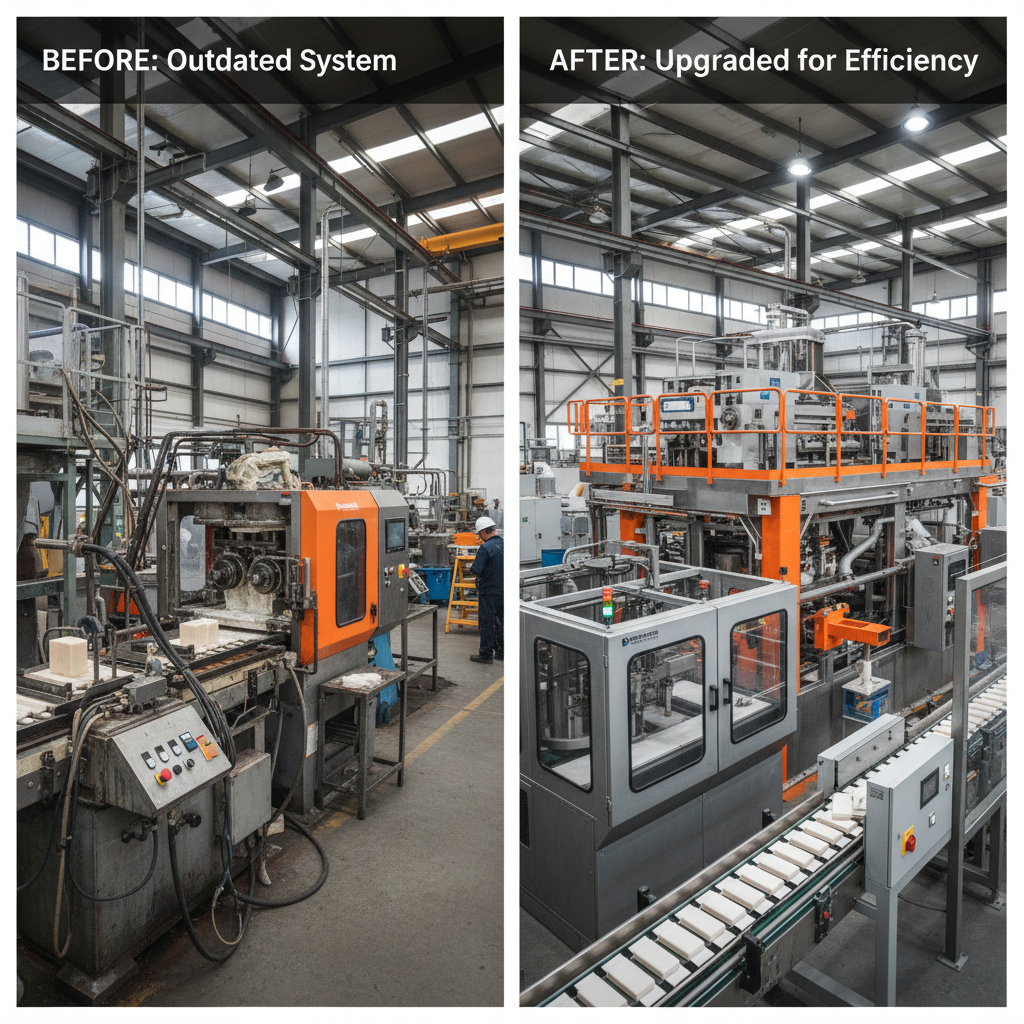
The cost savings associated with efficient soap plant machinery are substantial. Reduced labor costs, minimized waste, and lower energy consumption all contribute to increased profitability. This allows manufacturers to offer affordable soap to a wider population, fostering public health and economic growth. Furthermore, consistent product quality builds brand reputation and customer loyalty.

Sustainability is increasingly important. Modern machinery is designed to minimize environmental impact through features like water recycling, waste heat recovery, and the ability to process biodegradable ingredients. This aligns with growing consumer demand for eco-friendly products and promotes responsible manufacturing practices.

Future Trends & Innovations

The integration of digital technologies, such as IoT sensors and data analytics, is transforming soap plant machinery. Real-time monitoring of key parameters like temperature, pressure, and ingredient levels allows for optimized process control and predictive maintenance, minimizing downtime and maximizing efficiency.

Automation and robotics are becoming increasingly prevalent, automating tasks like material handling, packaging, and quality control. This reduces the risk of human error, improves production speed, and lowers labor costs. Furthermore, advancements in materials science are leading to the development of more durable and corrosion-resistant machine components.

Challenges & Solutions

One common challenge is the high initial investment cost associated with advanced soap plant machinery. Solutions include exploring financing options, leasing arrangements, and prioritizing modular designs that allow for phased expansion. Another challenge is the need for skilled technicians to operate and maintain complex equipment.

Addressing this requires investing in training programs and partnering with experienced machinery suppliers who offer comprehensive support services. Furthermore, the rising cost of raw materials can impact profitability. Optimizing ingredient formulations, implementing efficient waste reduction strategies, and exploring alternative sustainable sources are essential solutions.

Maintaining consistency in soap quality across different batches can also be a challenge. Implementing robust quality control systems and utilizing automated control systems to precisely regulate process parameters are crucial for ensuring consistent product quality.

Summary of Key Challenges and Solutions in Soap Plant Machinery

Challenge Impact on Production Potential Solution Implementation Cost (1-10)
High Initial Investment Limited access for smaller businesses Leasing options, phased expansion 6
Skilled Technician Shortage Increased downtime, maintenance issues Comprehensive training programs 7
Raw Material Cost Fluctuations Reduced profit margins Sustainable sourcing, efficient waste reduction 5
Maintaining Soap Quality Inconsistent product, customer dissatisfaction Automated control systems, quality control protocols 8
Energy Consumption Higher operational costs, environmental impact Energy-efficient machinery, heat recovery systems 4
Machine Downtime Lost production, increased costs Predictive maintenance, readily available spare parts 6

FAQS

What is the typical lifespan of a soap plant machinery system?

The lifespan of a soap plant machinery system varies depending on the quality of construction, maintenance schedule, and usage intensity. However, well-maintained systems built with durable materials like stainless steel can reliably operate for 15-20 years or even longer. Regular inspections, preventative maintenance, and timely replacement of worn parts are crucial for maximizing the lifespan of the equipment. Choosing a reputable supplier offering robust warranties and after-sales support also contributes to longevity.

How much space is required for a small-scale soap production plant?

The space requirement for a small-scale soap production plant varies significantly based on the production capacity and level of automation. A basic manual setup might fit within 500-1000 square feet, while a semi-automated line could require 1500-3000 square feet. Automated lines necessitate a larger footprint, potentially exceeding 5000 square feet. Efficient layout planning is essential to optimize space utilization and ensure smooth workflow. Consider factors like ingredient storage, production area, packaging area, and office space.

What are the key safety considerations when operating soap plant machinery?

Safety is paramount when operating soap plant machinery. Key considerations include proper ventilation to prevent the build-up of corrosive fumes, wearing appropriate personal protective equipment (PPE) like gloves, goggles, and respirators, and implementing lockout/tagout procedures during maintenance. Emergency stop buttons should be readily accessible, and operators should receive thorough training on safe operating procedures and hazard awareness. Regular safety inspections and adherence to industry regulations are also crucial.

What is the energy consumption of typical soap manufacturing equipment?

Energy consumption varies considerably depending on the type and scale of the machinery. Reactors and mixers are typically the most energy-intensive components. Modern, energy-efficient motors, insulated tanks, and optimized process control systems can significantly reduce energy consumption. Implementing waste heat recovery systems can further enhance energy efficiency. Consider purchasing machinery with energy star ratings and conducting regular energy audits to identify opportunities for improvement.

What level of automation is appropriate for a startup soap business?

For a startup soap business, a balance between automation and manual labor is often ideal. Starting with a semi-automated line allows for cost-effective production while maintaining flexibility. As the business grows and demand increases, automation can be gradually increased to improve efficiency and reduce labor costs. Focus on automating key processes like mixing and filling to improve consistency and throughput, while retaining manual control for smaller batches and custom formulations.

What maintenance is required for soap plant machinery?

Regular maintenance is critical for ensuring the longevity and optimal performance of soap plant machinery. This includes routine inspections, lubrication of moving parts, cleaning of equipment, and replacement of worn components. Preventive maintenance schedules should be established and strictly followed. Regularly checking and calibrating sensors and control systems is also essential. Keeping detailed maintenance records can help identify potential issues early on and prevent costly breakdowns.

Conclusion

In conclusion, soap plant machinery plays an indispensable role in ensuring global hygiene, supporting economic development, and responding to humanitarian needs. From the intricacies of its core components to the diverse applications across various regions, understanding this technology is critical. The advancements in automation, sustainability, and digital integration are shaping the future of soap production, promising greater efficiency, cost-effectiveness, and environmental responsibility.

Looking ahead, continued innovation in soap plant machinery will be essential for addressing emerging challenges, such as the increasing demand for eco-friendly products and the need for localized production in remote areas. By embracing new technologies and prioritizing sustainable practices, the soap manufacturing industry can continue to contribute significantly to a healthier and more equitable world.

Kevin Garcia

Kevin Garcia

Kevin Garcia is a Senior Technician specializing in CNC machining at Shijiazhuang Ruisheng Machinery Manufacturing Co., Ltd. He is a highly skilled operator and programmer with expertise in high-precision manufacturing techniques. Kevin has been with the company for 8 years, and his work is vital in producing the components for
Previous Leading Soap Making Machine Manufacturers Driving Hygiene and Production Efficiency
Next Comprehensive Guide to Soap Manufacturing Plant Cost Analysis and Investment

If you are interested in our products, you can choose to leave your information here, and we will be in touch with you shortly.


phone
email
up

If you are interested in our products, you can choose to leave your information here, and we will be in touch with you shortly.