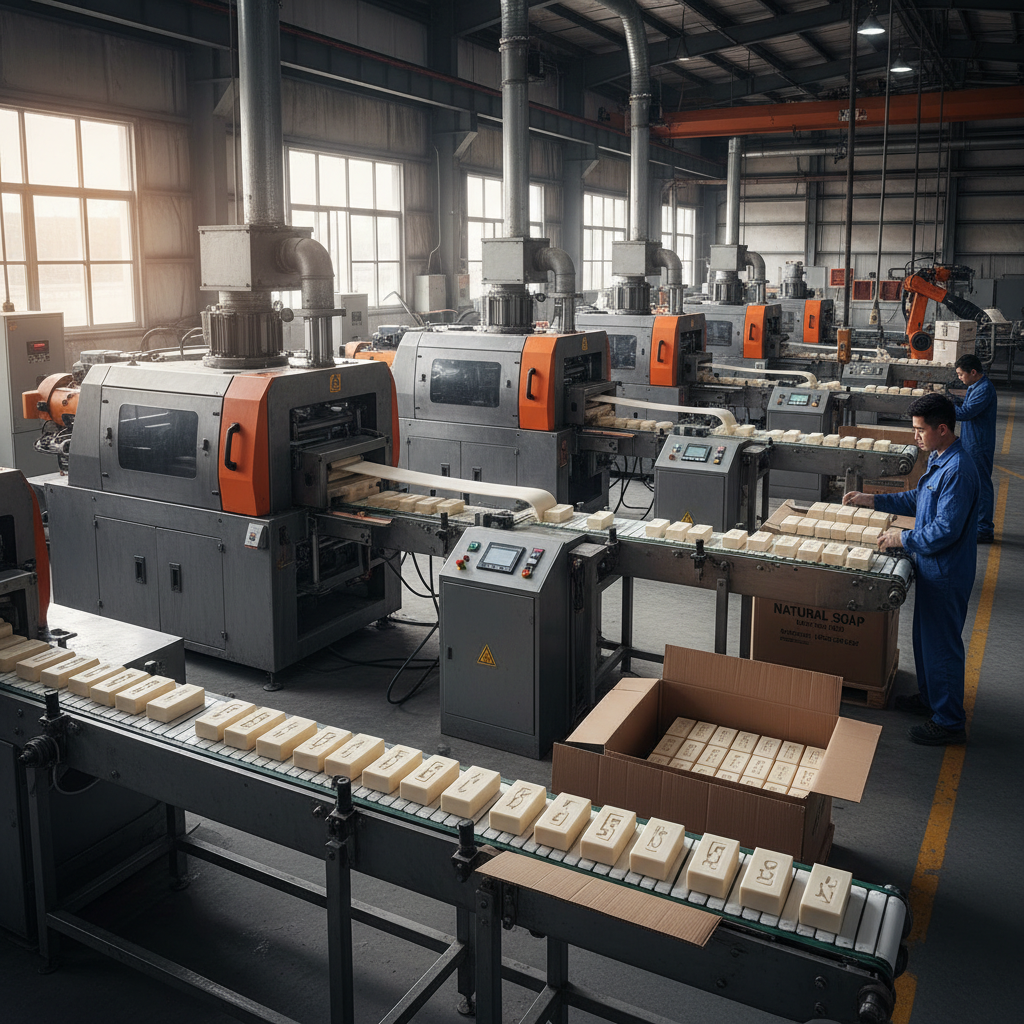
Understanding the Ribbon Feed Mixer: A Comprehensive Guide
Ribbon feed mixers are essential pieces of equipment in a variety of industries, from agriculture and animal feed production to chemical processing and waste management. These mixers efficiently blend dry materials, ensuring a homogenous mixture for optimal performance. At RS Soap Machine, we specialize in providing high-quality ribbon feed mixers designed to meet diverse industrial needs. This article will delve into the principles, applications, benefits, and key considerations when choosing a ribbon feed mixer.

How Does a Ribbon Feed Mixer Work?
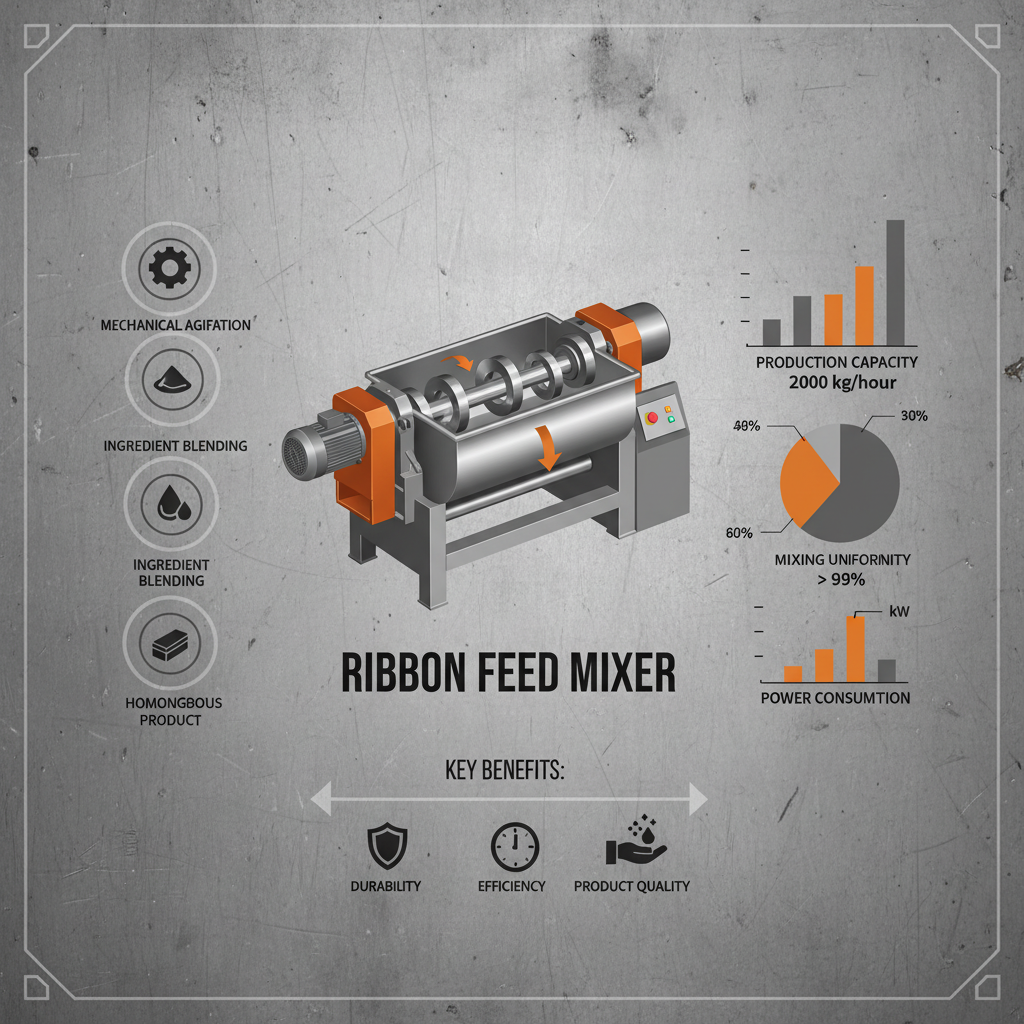
A ribbon feed mixer utilizes a series of helical ribbons that rotate within a horizontal trough. These ribbons, typically made of stainless steel, are carefully designed to move materials both axially (along the length of the trough) and radially (from the center outwards). This dual mixing action ensures thorough blending of ingredients. The design promotes gentle mixing, minimizing material degradation, especially crucial for fragile components. The efficient and consistent blending capabilities of a ribbon mixer make it an indispensable tool for numerous industries.
Key Principle: The helical ribbons generate a cascading effect, lifting materials from the bottom and moving them towards the center, while also propelling them along the trough for complete homogenization.
Applications of Ribbon Feed Mixers
Ribbon feed mixers find widespread use across various industries. In the animal feed industry, they blend grains, vitamins, and minerals to create nutritious feed formulations. In the chemical industry, they are used to mix powders, granules, and pigments. The plastics industry utilizes them for blending resins, additives, and colorants. They are also employed in the food processing industry for mixing dry ingredients, and in the environmental sector for blending soil amendments and waste treatment materials. The versatility of these mixers makes them a valuable asset for a broad spectrum of applications. RS Soap Machine's mixers are designed to handle these varied applications with efficiency and reliability.
Key Application Areas:
• Animal Feed Production
• Chemical Processing
• Plastics Industry
• Food Processing
• Environmental Applications
Ribbon Feed Mixer vs. Other Mixer Types
Choosing the right mixer depends on your specific application. While various mixer types exist, ribbon mixers offer distinct advantages. Compared to V-blenders, they generally offer faster mixing times and are more effective for cohesive materials. Paddle mixers are often less efficient for homogenous mixing, and screw mixers can be abrasive to fragile materials. Ribbon mixers strike a balance between mixing efficiency, material handling, and gentleness. This makes them a preferred choice for many applications where delicate ingredients or precise blending is required. RS Soap Machine can help you determine the ideal mixer for your needs.
Key Considerations When Choosing a Ribbon Feed Mixer
Selecting the right ribbon feed mixer requires careful consideration of several factors. Capacity is paramount; choose a mixer that comfortably accommodates your batch size. Material characteristics, such as density and cohesiveness, will influence the ribbon design and motor power required. The mixer’s construction material (typically stainless steel) should be compatible with the materials being mixed. Consider discharge mechanisms—options include manual discharge, pneumatic discharge, and screw conveyors. Finally, prioritize safety features such as emergency stop buttons and safety guards. RS Soap Machine provides expert guidance to help you select the optimal mixer for your specific requirements.
RS Soap Machine: Your Trusted Ribbon Feed Mixer Provider
At RS Soap Machine, we are committed to delivering high-quality, reliable ribbon feed mixers tailored to your specific needs. We offer a wide range of models, customizable options, and expert support to ensure your mixing processes are efficient, effective, and safe. Contact us today to discuss your requirements and discover how we can help you optimize your operations.
Conclusion: Investing in Quality for Optimal Mixing
A ribbon feed mixer is a crucial component for many industries. Choosing a reliable supplier like RS Soap Machine ensures you receive a high-performance machine built to last. Investing in quality equipment results in consistent product quality, increased efficiency, and reduced operational costs. Don't compromise on your mixing needs – choose RS Soap Machine.
Frequently Asked Questions (FAQs)
What materials are ribbon feed mixers typically made from?
Ribbon feed mixers are most commonly constructed from stainless steel (typically 304 or 316 grade) due to its excellent corrosion resistance, durability, and hygienic properties. Carbon steel is sometimes used for less demanding applications but requires protective coatings. The choice of material depends on the specific materials being mixed and the operating environment. RS Soap Machine offers mixers constructed from various materials to suit diverse applications.
How do I determine the appropriate capacity for my ribbon mixer?
Calculating the appropriate capacity involves considering your batch size, the density of the materials being mixed, and the desired fill level. It's generally recommended to select a mixer with a capacity that's 20-30% larger than your typical batch size to allow for efficient mixing and prevent overflow. RS Soap Machine’s engineers can assist you in determining the optimal capacity based on your specific requirements.
What maintenance is required for a ribbon feed mixer?
Regular maintenance is crucial for ensuring the longevity and optimal performance of your ribbon mixer. This includes periodic inspection of the ribbons for wear and tear, lubrication of bearings, and checking the drive system. Cleaning the mixer regularly to prevent material buildup is also essential. RS Soap Machine provides comprehensive maintenance guidelines and support to help you keep your mixer in top condition.
Can ribbon mixers handle abrasive materials?
While ribbon mixers can handle some abrasive materials, it's essential to select a mixer with appropriately hardened ribbons and a robust construction. For highly abrasive materials, we recommend using a mixer with thicker ribbons made from wear-resistant alloys. RS Soap Machine offers customized ribbon designs and materials to accommodate abrasive applications.