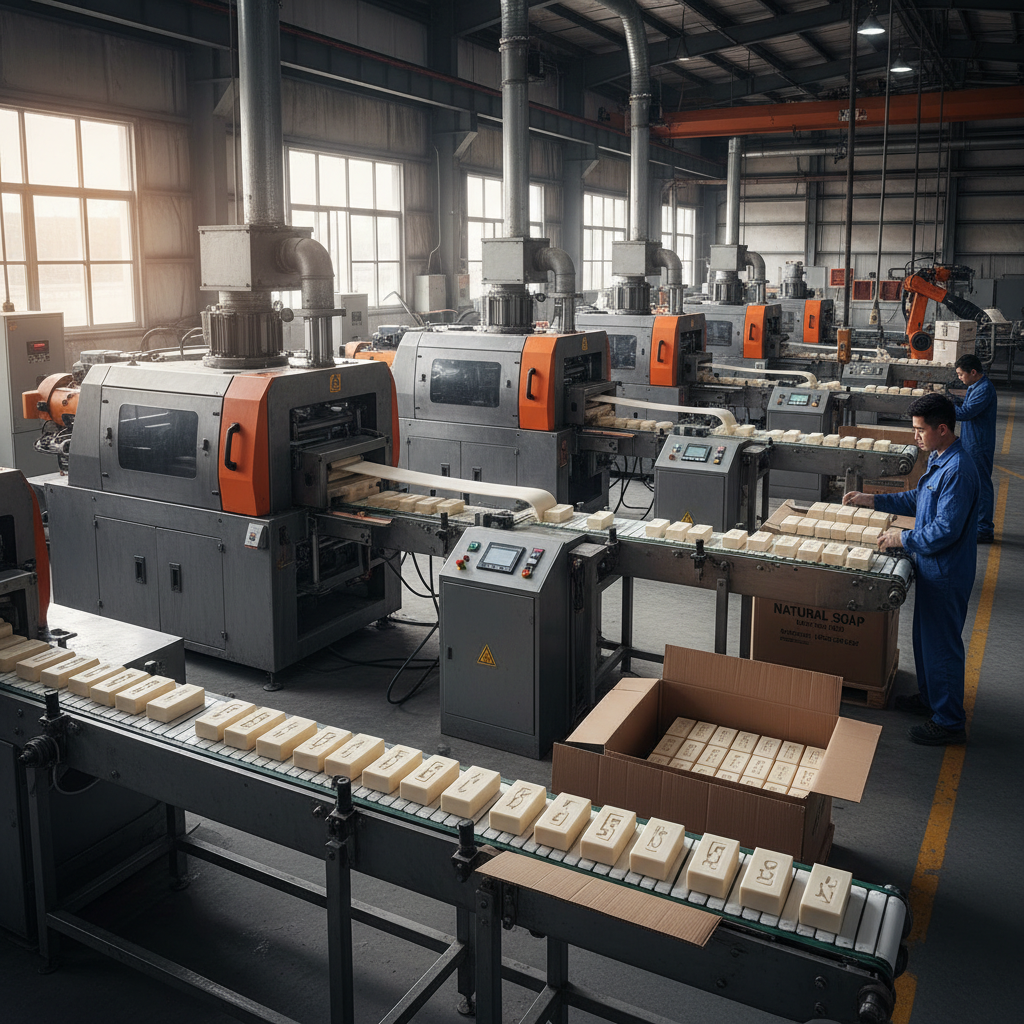
Understanding Ribbon Blender RPM: A Comprehensive Guide
Ribbon blenders are essential equipment in numerous industries for efficient and homogenous mixing of dry materials. A crucial factor in optimizing their performance is understanding and correctly setting the ribbon blender RPM (revolutions per minute). This article will delve into the importance of RPM, factors influencing its selection, typical ranges for different applications, and how to ensure optimal blending efficiency. Proper RPM selection isn’t simply about speed; it’s about achieving the desired mixing quality while minimizing processing time and energy consumption. We'll explore the science behind optimal mixing and how RS Soap Machine can provide solutions tailored to your specific needs.
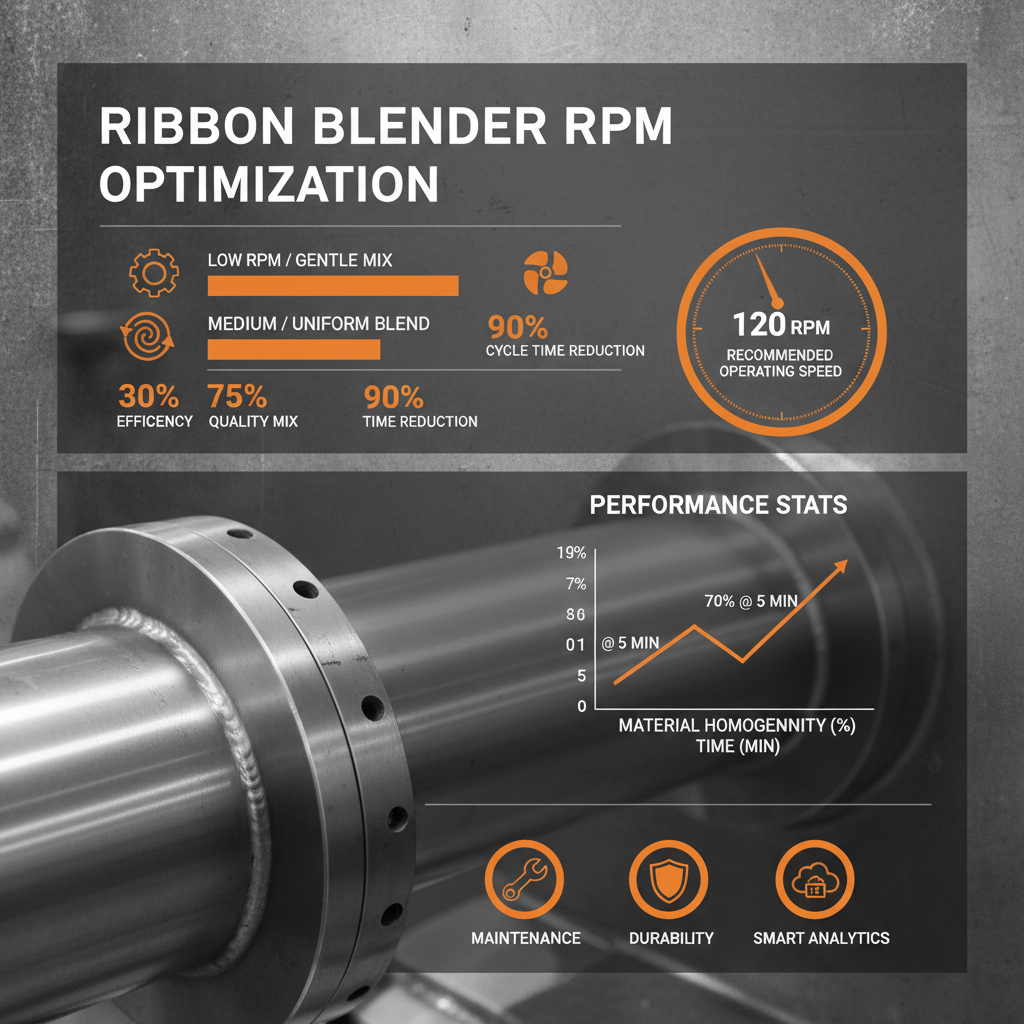
The Significance of Ribbon Blender RPM
The RPM of a ribbon blender directly impacts the shear force applied to the materials being mixed. Higher RPMs generally lead to greater shear, which is effective for breaking down agglomerates and ensuring thorough mixing of fine powders. However, excessively high RPMs can cause issues like dust generation, material degradation (especially for fragile materials), and increased energy consumption. Conversely, lower RPMs are gentler on materials but may result in incomplete mixing, particularly with materials that have different particle sizes or densities. Finding the sweet spot—the optimal RPM—is critical for maximizing blending efficiency and product quality. The correct RPM also influences the residence time of materials within the blender, affecting the overall processing time.
Key Takeaway: RPM is not a one-size-fits-all setting. It must be carefully chosen based on the material properties and the desired mixing outcome.
Factors Influencing Optimal Ribbon Blender RPM
Several factors play a role in determining the ideal ribbon blender RPM for a specific application. These include: material density, particle size distribution, material cohesiveness, and desired mixing intensity. Dense materials typically require lower RPMs to ensure adequate mixing. Materials with a wide particle size distribution often benefit from higher RPMs to overcome segregation. Highly cohesive materials might necessitate slower speeds to prevent clumping and ensure uniform blending. The required mixing intensity (e.g., gentle blending vs. aggressive homogenization) also dictates the appropriate RPM. Understanding these factors is crucial for achieving consistent and high-quality mixing.
Key Considerations:
• Material Density: Impacts the force required for mixing.
• Particle Size: Influences the degree of shear needed.
• Material Cohesiveness: Affects clumping and blending uniformity.
• Mixing Intensity: Defines the required level of homogenization.
Typical RPM Ranges for Common Applications
While optimal RPM varies significantly, here's a general guideline for common applications. It's important to note that these are starting points, and experimentation is often necessary to fine-tune the settings. RS Soap Machine provides expert assistance in determining the ideal RPM for your specific needs.
Optimizing RPM for Enhanced Performance
Beyond the general RPM ranges, optimizing performance requires a systematic approach. This involves conducting mixing trials with different RPM settings and evaluating the resulting blend's homogeneity, particle size distribution, and overall quality. Process monitoring tools, such as power consumption meters, can provide valuable insights into the efficiency of the mixing process at various RPMs. RS Soap Machine offers comprehensive testing and support services to help customers identify the optimal ribbon blender RPM for their specific applications.
Conclusion: Achieving Optimal Mixing with the Right RPM
Selecting the correct ribbon blender RPM is paramount for achieving efficient, homogenous mixing and maintaining product quality. Consideration of material properties, application requirements, and meticulous testing are all essential components of a successful mixing strategy. RS Soap Machine is committed to providing innovative solutions and expert support to help our customers optimize their blending processes.
Frequently Asked Questions (FAQs)
What happens if the ribbon blender RPM is too high?
Setting the ribbon blender RPM too high can lead to several issues. First, it can generate excessive dust, creating a safety hazard and potentially causing material loss. Second, it can cause shear degradation of fragile materials, affecting their properties. Third, it increases energy consumption and wear on the blender components. Finally, a high RPM might not necessarily improve mixing quality and can even lead to segregation of materials if the shear force is too strong.
How do I determine the optimal RPM for my specific material?
Determining the optimal RPM requires a systematic approach. Start by considering the material's properties: density, particle size, cohesiveness, and fragility. Begin with a conservative RPM setting and gradually increase it while monitoring the mixing process. Evaluate the blend's homogeneity, particle size distribution, and any signs of material degradation. Conducting mixing trials and analyzing the results is crucial. RS Soap Machine offers testing services to help you identify the ideal RPM for your application.
Can the RPM be adjusted during the mixing process?
Yes, in some cases, adjusting the RPM during the mixing process can be beneficial. For example, you might start with a lower RPM to gently combine materials and then increase it to achieve a more homogenous blend. Variable frequency drives (VFDs) allow for precise RPM control and adjustments during operation. However, avoid frequent or drastic RPM changes, as this can disrupt the mixing process and potentially damage the equipment.
What role does the ribbon design play in relation to RPM?
The ribbon design significantly influences the optimal RPM. Different ribbon configurations (e.g., continuous ribbons, cut ribbons, pitched ribbons) create different mixing patterns and shear forces. Continuous ribbons are effective for gentle blending, while cut ribbons provide more aggressive mixing. Pitched ribbons are often used for materials with varying particle sizes. The ribbon's pitch, width, and material also affect the RPM requirements. RS Soap Machine designs ribbon blenders with customized ribbon configurations to optimize performance for specific applications.