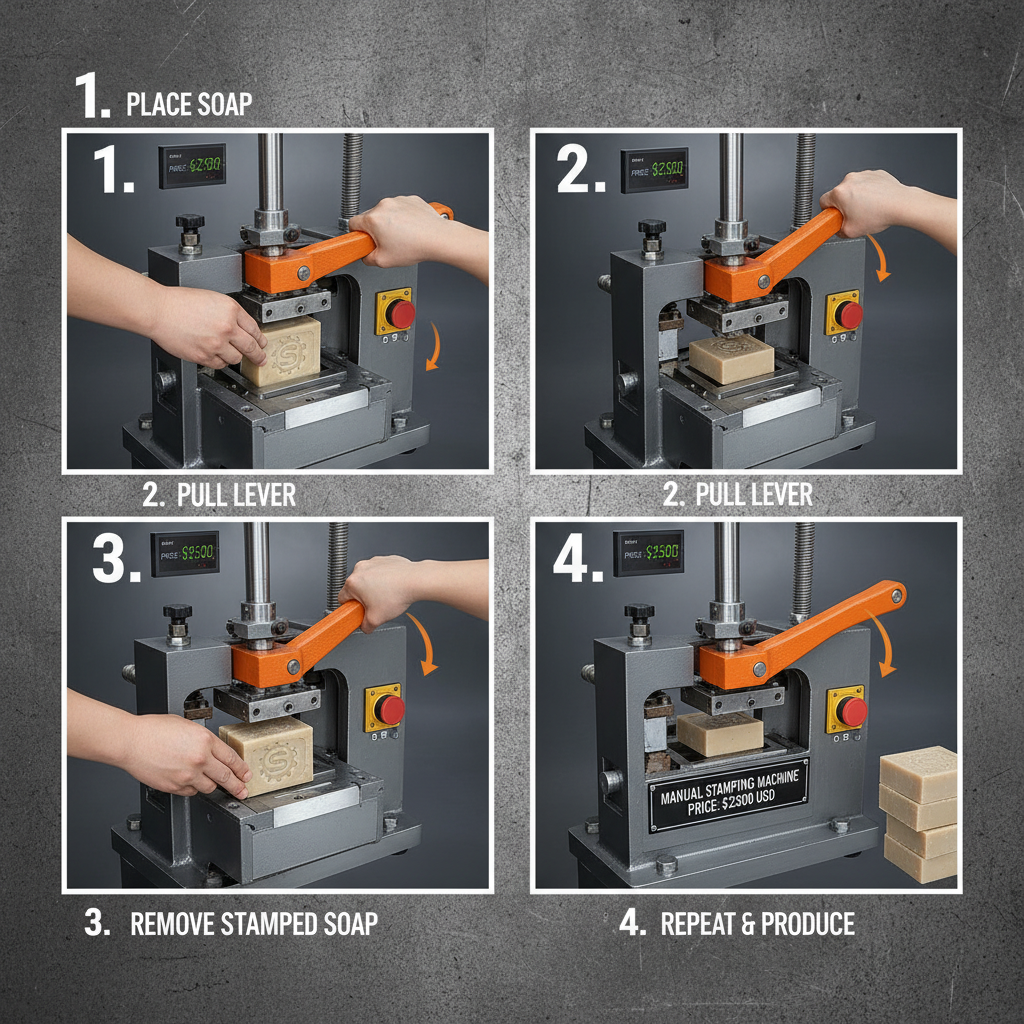
The global soap industry is a multi-billion dollar market, driven by increasing hygiene awareness and demand for personal care products. A critical component in large-scale soap production is the soap milling machine for sale, which efficiently transforms soap flakes into smooth, consistent bars. These machines are vital not only for major manufacturers but also for smaller businesses and even emergency aid organizations needing to quickly produce essential hygiene supplies. The need for reliable and efficient soap milling solutions is increasing worldwide, particularly in developing nations and regions facing sanitation challenges.
The consistent quality and increased production capacity offered by a modern soap milling machine significantly reduces manufacturing costs and improves product appeal. Investing in a quality machine is crucial for businesses seeking to compete effectively in the increasingly competitive soap market. The ability to produce high-volume, uniform soap bars with minimal waste is a key driver for manufacturers across the globe, fueling demand for advanced soap milling machine for sale options.
Beyond commercial applications, these machines play a pivotal role in disaster relief and humanitarian efforts. Portable and robust soap milling machines enable rapid on-site soap production in areas affected by natural disasters or lacking established infrastructure, helping to prevent the spread of disease and improve public health outcomes. The ability to deliver locally-produced soap is often a life-saving intervention.
The Importance of Soap Milling Machines
Soap milling machines are the cornerstone of efficient soap bar production, bridging the gap between raw soap materials and the finished product consumers use daily. These machines don’t simply shape soap; they refine its texture, ensuring a smooth, consistent bar that is both aesthetically pleasing and functional. A robust soap milling machine for sale is an investment in product quality and overall production efficiency.
The significance of a properly functioning milling machine extends beyond aesthetic appeal. Proper milling contributes to soap longevity, lather quality, and the overall user experience. Manufacturers rely on these machines to consistently meet market demands and maintain a competitive edge, particularly in today’s quality-conscious consumer landscape.
Defining Soap Milling Machine for Sale
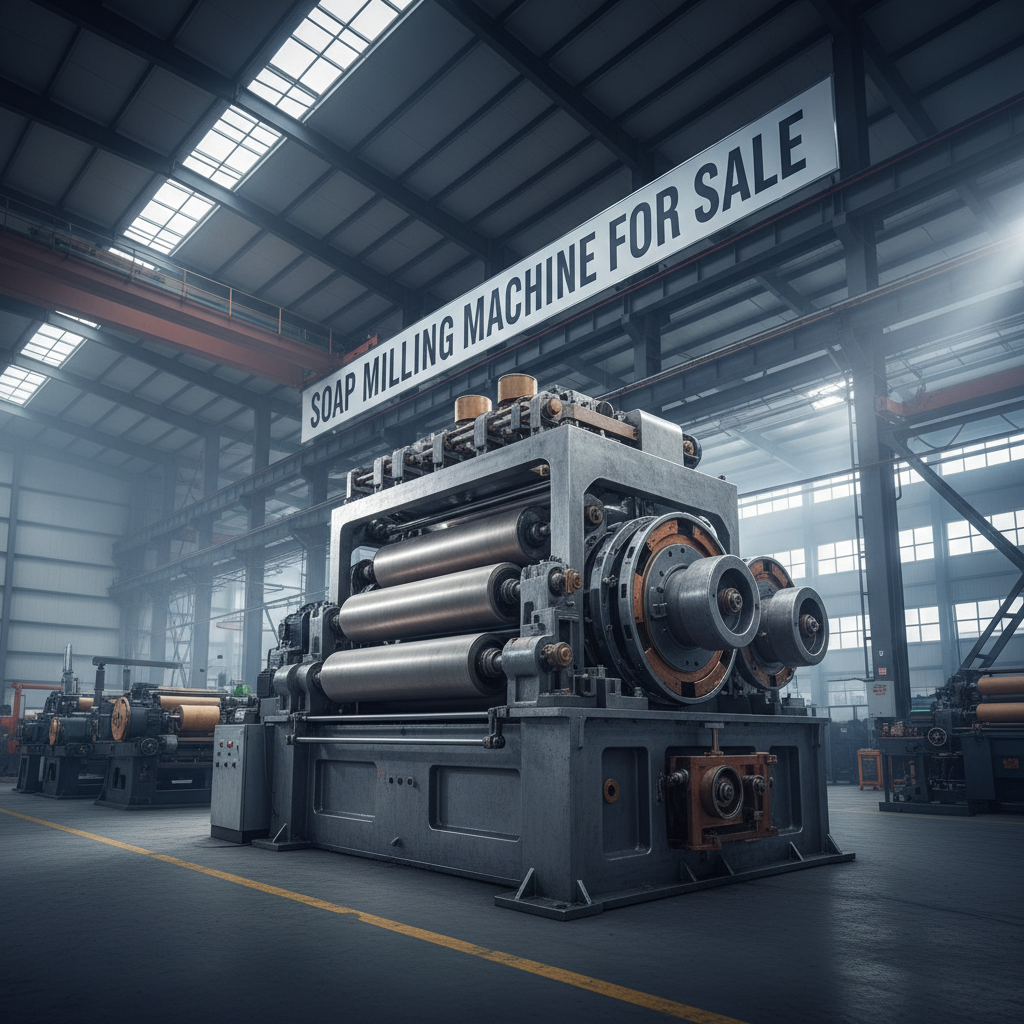
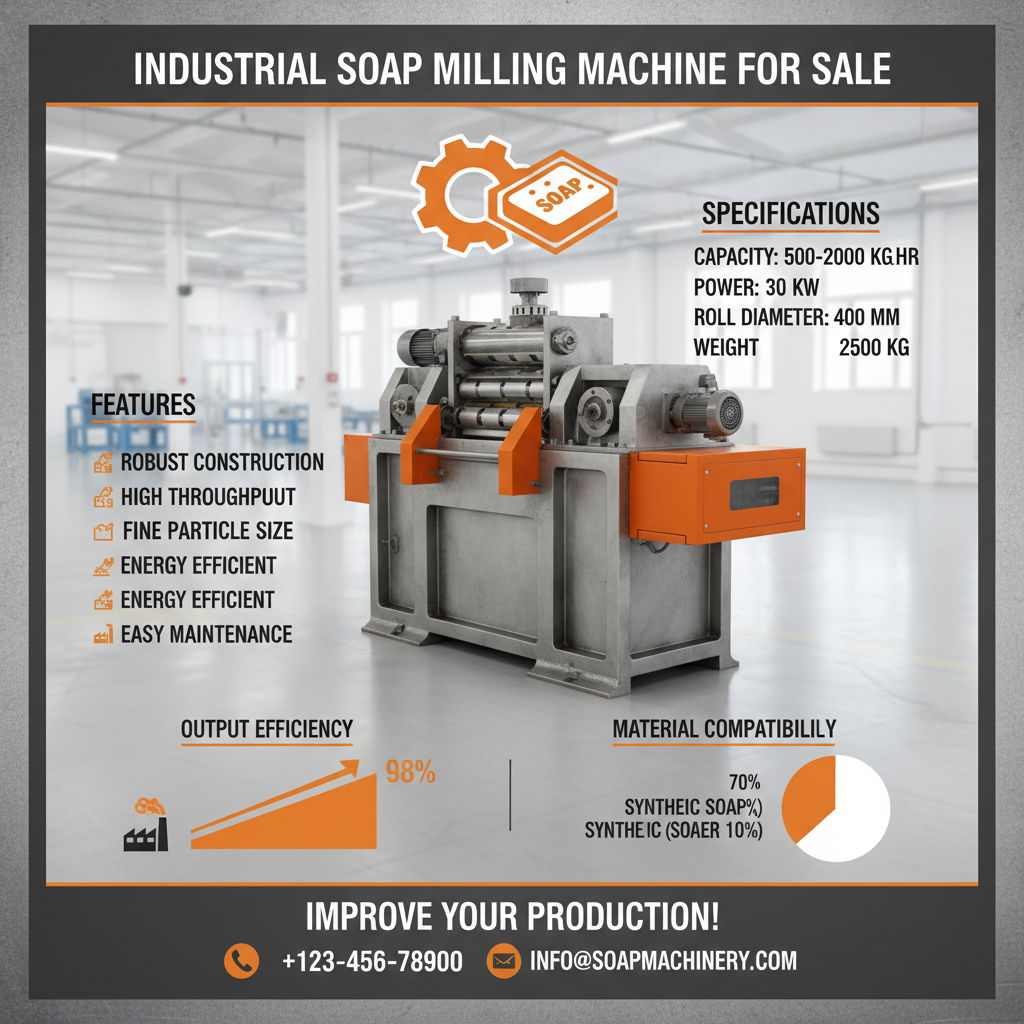
A soap milling machine is a specialized piece of industrial equipment designed to take soap flakes (produced during the saponification process) and compress them into solid, uniformly shaped bars. It generally consists of a series of rollers, often made of stainless steel, that progressively reduce the flake thickness and increase density. The term “soap milling machine for sale” indicates that these machines are available for purchase, ranging from smaller, manually operated models for artisanal soap makers to large, automated systems for high-volume industrial production.
These machines are integral to the modern soap manufacturing process. Historically, soap milling was a labor-intensive task. The introduction of automated milling machines revolutionized the industry, enabling significantly increased production speeds and consistent product quality. This technology supports both large-scale commercial operations and the growing demand for handcrafted, high-quality soaps.
The modern soap milling machine is closely linked to both industrial progress and critical humanitarian needs. Efficient soap production is essential for maintaining public health, and the availability of affordable, quality machines empowers both established manufacturers and emerging businesses.
Key Components & Operational Aspects
Several key components define the functionality and efficiency of a soap milling machine. These include the feed hopper, which regulates the flow of soap flakes; the milling rollers themselves, often arranged in multiple stages to achieve optimal compression; and the output conveyor, which carries the finished soap bars away for further processing (like stamping or packaging). The quality of materials, like stainless steel, is paramount for hygiene and longevity.
Operational aspects are equally important. Proper roller alignment and gap adjustment are critical for achieving the desired soap bar density and smoothness. Regular maintenance, including lubrication and cleaning, is essential to prevent breakdowns and ensure consistent performance. Understanding these operational details is vital for maximizing the lifespan and efficiency of any soap milling machine for sale.
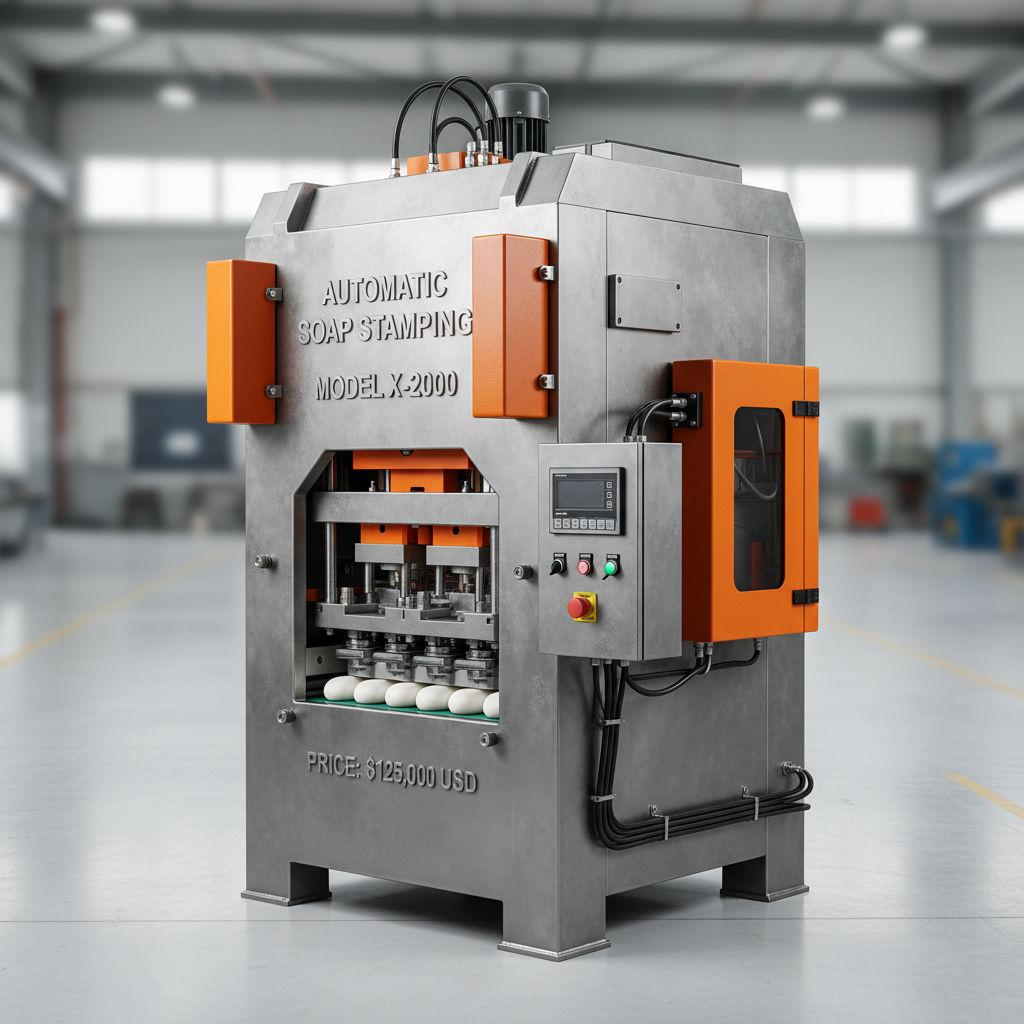
Automation features, such as automated feed control and variable speed settings, can significantly enhance productivity and reduce labor costs. Modern machines often incorporate safety features like emergency stop buttons and protective guards to ensure operator safety during operation.
Global Applications of Soap Milling
Soap milling machines are used worldwide across diverse industries and applications. Large-scale soap manufacturers in developed countries rely on high-capacity, automated machines to meet consumer demand. In developing nations, smaller-scale mills often utilize more affordable, semi-automatic models to produce soap for local markets and address public health needs.
In post-disaster relief operations, portable soap milling machines are proving invaluable. Organizations like the Red Cross and Doctors Without Borders use these machines to establish on-site soap production facilities in affected areas, providing a critical hygiene intervention to prevent the spread of disease.
Furthermore, the demand for artisanal and organic soaps is driving the growth of small-batch soap makers globally. These businesses often seek compact and efficient soap milling machine for sale to support their production needs, fostering local economies and providing consumers with high-quality, handcrafted products.
Soap Milling Machine Performance Indicators
Advantages and Long-Term Value Proposition
Investing in a quality soap milling machine delivers substantial advantages, including increased production capacity, reduced labor costs, and improved product consistency. The ability to produce larger volumes of high-quality soap translates directly into increased profitability for manufacturers. A durable soap milling machine for sale is a long-term investment.
Furthermore, efficient soap production contributes to sustainability by minimizing waste and optimizing resource utilization. Reliable machines reduce downtime, minimizing disruptions to the manufacturing process and ensuring a consistent supply of essential hygiene products. This reliability builds trust with customers and strengthens brand reputation.
Future Trends in Soap Milling Technology
The future of soap milling is likely to be shaped by automation, data analytics, and a growing focus on sustainability. Expect to see increased integration of sensors and AI-powered systems to optimize machine performance, predict maintenance needs, and ensure consistent product quality. These advancements will allow for more precise control and reduced waste.
Green technologies, such as energy-efficient motors and water recycling systems, will become increasingly important as manufacturers strive to reduce their environmental impact. The integration of digital platforms for remote monitoring and control will also become commonplace, enabling manufacturers to manage their operations more efficiently.
Challenges & Innovative Solutions
One common challenge is maintaining consistent soap flake quality, as variations can affect milling efficiency and product smoothness. Innovative solutions include improved flake cooling systems and automated flake pre-conditioning processes. Another challenge is minimizing downtime due to maintenance. Predictive maintenance technologies, powered by data analytics, can help identify potential issues before they occur, reducing unplanned outages.
Scaling production to meet growing demand while maintaining quality control is another hurdle. Manufacturers are addressing this by investing in modular milling systems that can be easily expanded as needed. The availability of skilled technicians to operate and maintain these complex machines can also be a challenge, requiring ongoing training and development programs.
Finally, ensuring hygiene and sanitation standards are met is paramount. Innovative cleaning-in-place (CIP) systems are being developed to automate the cleaning process, reducing the risk of contamination and improving overall sanitation.
Core Analysis Dimensions of Soap Milling Machine Performance
| Machine Type |
Production Capacity (Bars/Hour) |
Maintenance Complexity (1-10) |
Initial Investment (USD) |
| Manual Soap Milling Machine |
50-100 |
2 |
$500 - $1,500 |
| Semi-Automatic Milling Machine |
200-500 |
4 |
$2,000 - $5,000 |
| Automatic Roller Milling Machine |
600-1200 |
6 |
$8,000 - $20,000 |
| High-Capacity Automated Mill |
1500+ |
8 |
$25,000 - $50,000+ |
| Portable Soap Milling Unit |
100-300 |
3 |
$3,000 - $7,000 |
| Continuous Soap Milling Machine |
800-2000 |
7 |
$15,000 - $35,000 |
FAQS
Lead times for soap milling machines can vary significantly depending on the model, customization options, and current manufacturing schedules. Generally, standard machines in stock may ship within 2-4 weeks, while custom-built or highly specialized models can take 8-12 weeks or longer. Factors like international shipping and customs clearance also contribute to the overall delivery time. It is best to confirm with the supplier directly for an accurate estimate.
Regular maintenance is crucial for ensuring the longevity and efficiency of your soap milling machine. This includes daily cleaning to remove soap residue, weekly lubrication of moving parts, and periodic inspections for wear and tear on rollers and bearings. More comprehensive maintenance, such as motor checks and electrical system inspections, should be performed by a qualified technician at least annually. Following the manufacturer's recommendations is key.
Power consumption varies widely depending on the machine's size, automation level, and production capacity. Smaller, manual machines may require as little as 1-2 kilowatts, while larger, fully automated machines can consume 5-10 kilowatts or more. It’s crucial to consider the electrical requirements of the machine and ensure your facility has adequate power supply before installation. Energy-efficient models are available to minimize operating costs.
Safety features are paramount. Look for machines with emergency stop buttons within easy reach, protective guards over moving parts, and interlocks that prevent operation when guards are removed. Machines should also be grounded properly to prevent electrical hazards. Operator training is essential to ensure safe operation and adherence to safety protocols. Consider features like overload protection and safety sensors.
Both roller and screw mills are used in soap production, but they function differently. Roller mills use a series of rotating rollers to compress and refine the soap flakes, resulting in a smooth, consistent bar. Screw mills, on the other hand, utilize a rotating screw to convey and compress the soap. Roller mills are generally preferred for higher-quality soap production, offering superior texture and density, while screw mills can be more cost-effective for simpler applications.
Warranties on soap milling machines typically range from 1 to 3 years, covering defects in materials and workmanship. After-sales support is crucial; look for suppliers that offer comprehensive support, including installation assistance, operator training, spare parts availability, and technical troubleshooting. A responsive and reliable support team can minimize downtime and maximize the lifespan of your investment.
Conclusion
Investing in a soap milling machine for sale is a crucial step towards efficient and high-quality soap production. From small-scale artisanal businesses to large industrial manufacturers, these machines offer significant advantages in terms of productivity, consistency, and cost-effectiveness. The ongoing advancements in technology promise even greater efficiency, sustainability, and automation in the future.
As the global demand for soap continues to grow, the importance of reliable and efficient milling solutions will only increase. By carefully considering your specific needs, budget, and long-term goals, you can select a machine that delivers lasting value and supports your success in the competitive soap market. Visit our website today to explore our range of soap milling machine for sale options: www.rssoapmachinery.com