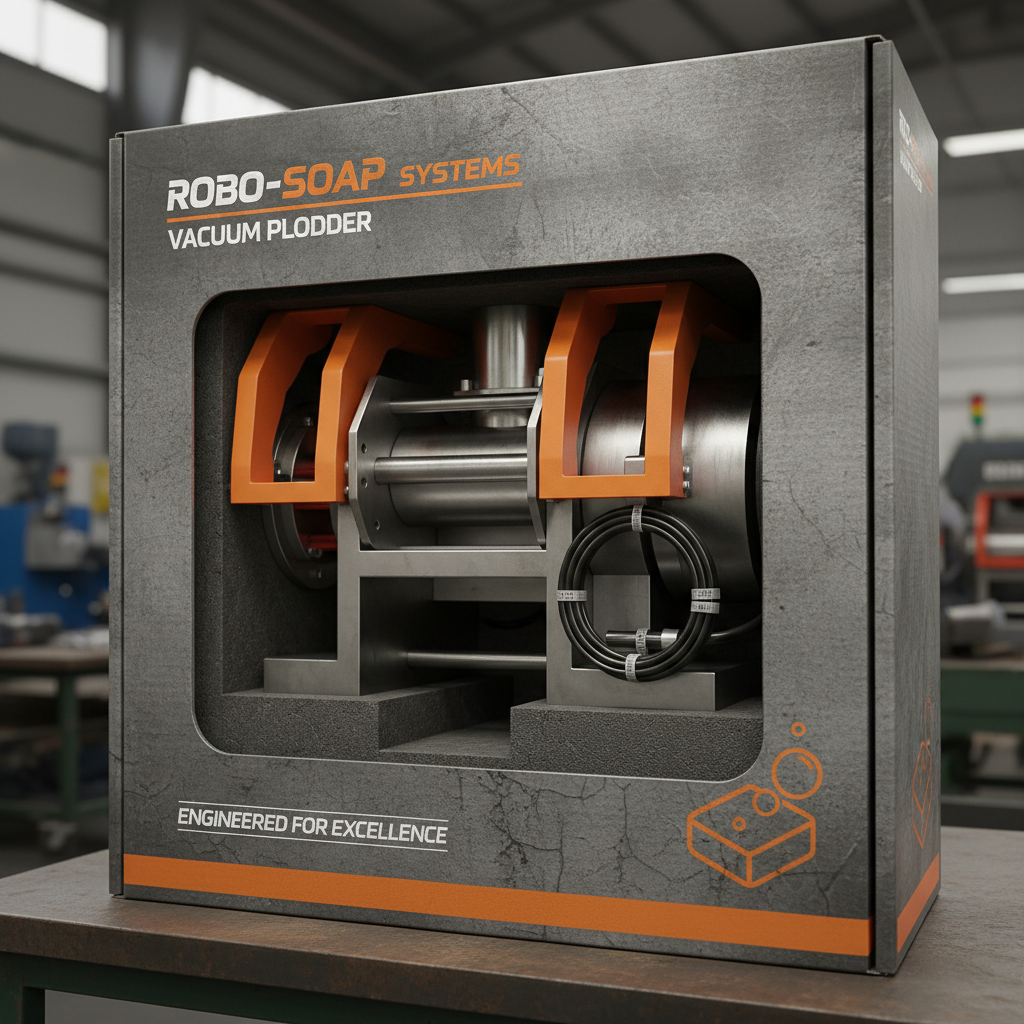
The global demand for cleaning products, particularly detergent powder, is consistently high, driven by increasing hygiene awareness and population growth. A detergent powder making plant addresses this demand by providing a localized and efficient production solution. These plants are pivotal in ensuring the availability of essential cleaning agents, supporting public health, and fostering economic development, particularly in emerging markets. Understanding the intricacies of establishing and operating such a facility is crucial for entrepreneurs, investors, and policymakers alike.
The detergent industry is a multi-billion dollar market, exhibiting steady growth worldwide. A modern detergent powder making plant isn't simply about mixing ingredients; it’s a complex process involving precise chemical formulations, advanced machinery, and stringent quality control measures. Its importance stretches beyond domestic supply; it enables countries to reduce reliance on imports, create employment opportunities, and contribute to a more self-sufficient economy.
Investing in a well-designed and efficiently operated detergent powder making plant represents a strategic move towards meeting the ever-growing need for cleaning solutions while simultaneously stimulating economic activity and enhancing public health standards. The benefits extend to various sectors, from household consumers to industrial cleaning services.
The Importance of Detergent Powder Making Plants
A robust detergent powder supply chain is fundamental to public health and hygiene. Establishing a local detergent powder making plant minimizes reliance on external sources, ensuring a stable and affordable supply of essential cleaning products. This is particularly critical in regions prone to disruptions in global trade or logistical challenges.
Beyond basic hygiene, these plants contribute significantly to economic growth. They generate employment opportunities, stimulate local industries (packaging, transportation, raw material suppliers), and foster technological development within the manufacturing sector. A well-managed plant can be a cornerstone of a thriving local economy.
Defining a Detergent Powder Making Plant
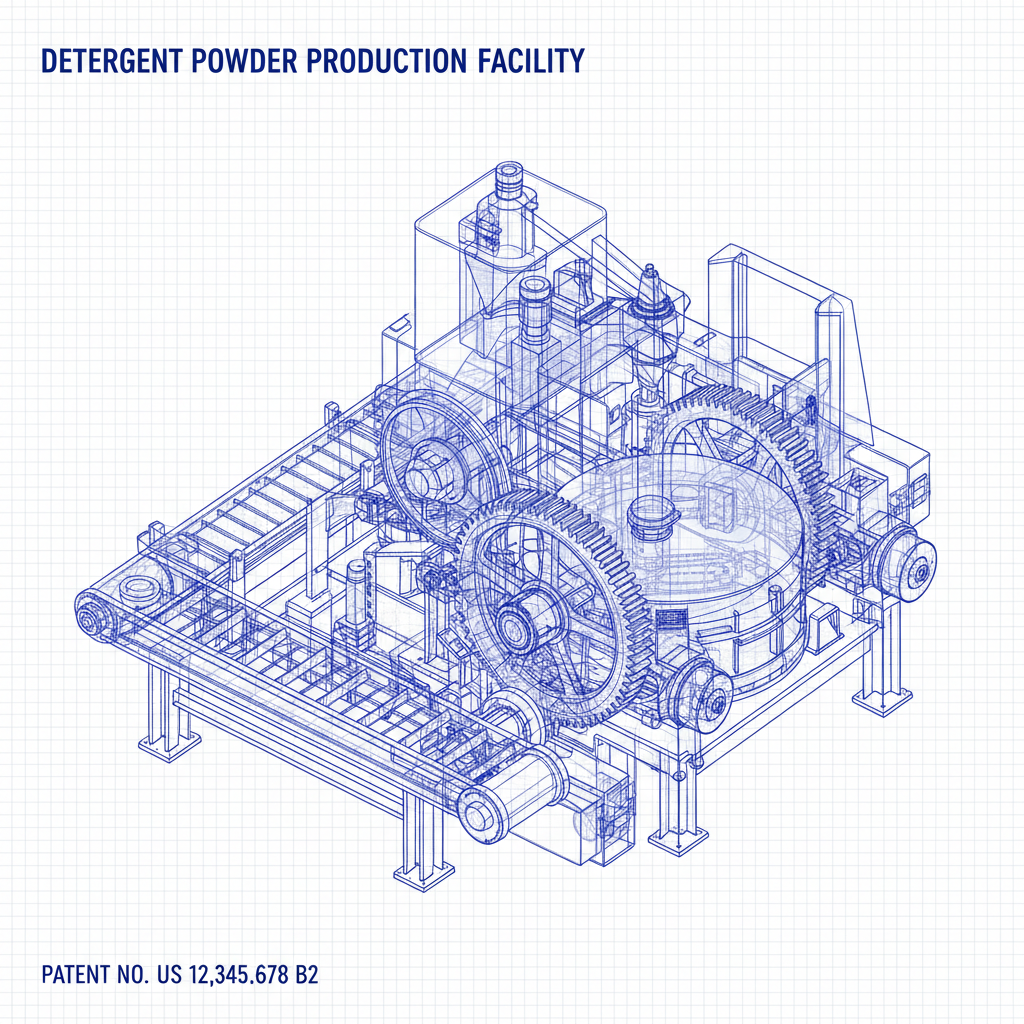
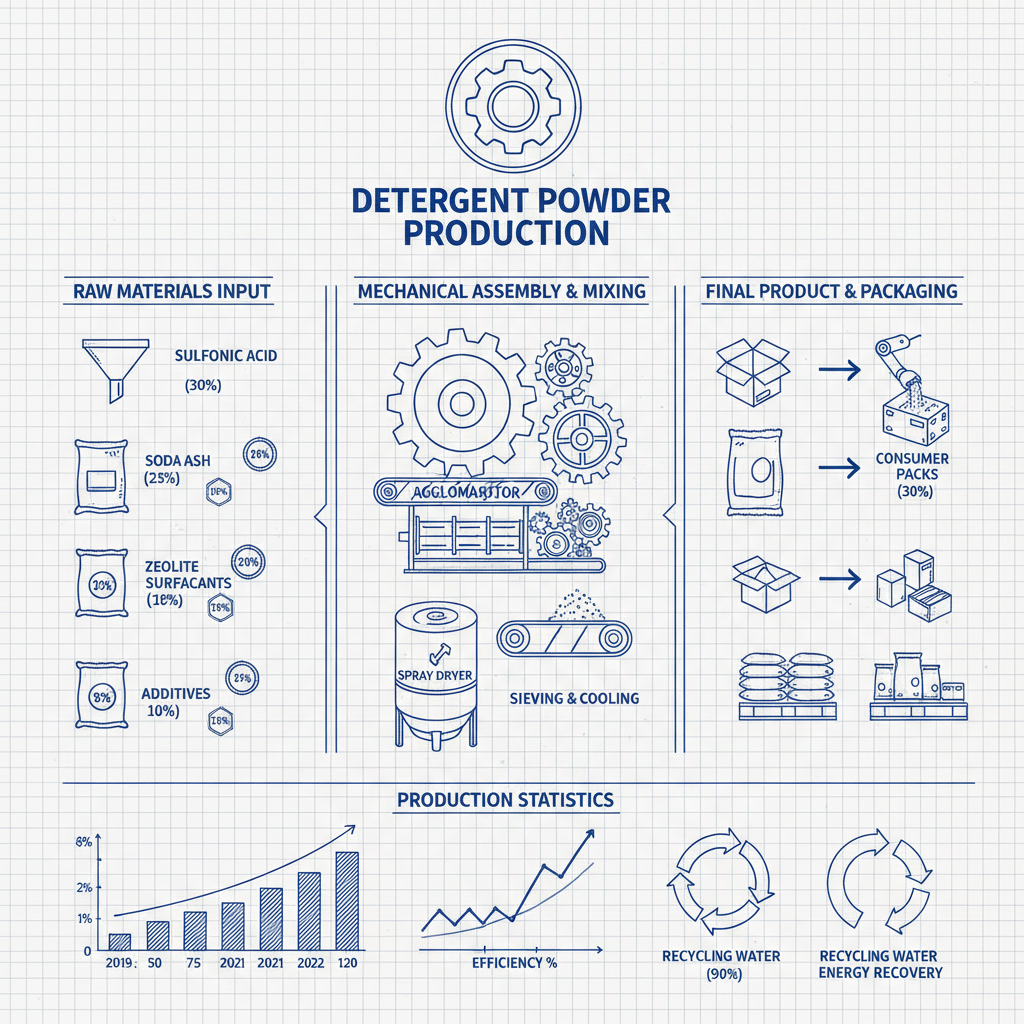
A detergent powder making plant is a facility dedicated to the production of detergent powder from various raw materials, including surfactants, builders, enzymes, and bleaching agents. The process involves precise mixing, drying, and packaging operations. These plants vary in scale, from small-scale operations serving local markets to large-scale industrial facilities catering to national or international demand.
The core function of a detergent powder making plant is to transform raw chemical compounds into a finished product capable of effectively removing dirt, stains, and grime. This transformation relies on a carefully controlled manufacturing process adhering to strict quality standards and environmental regulations.
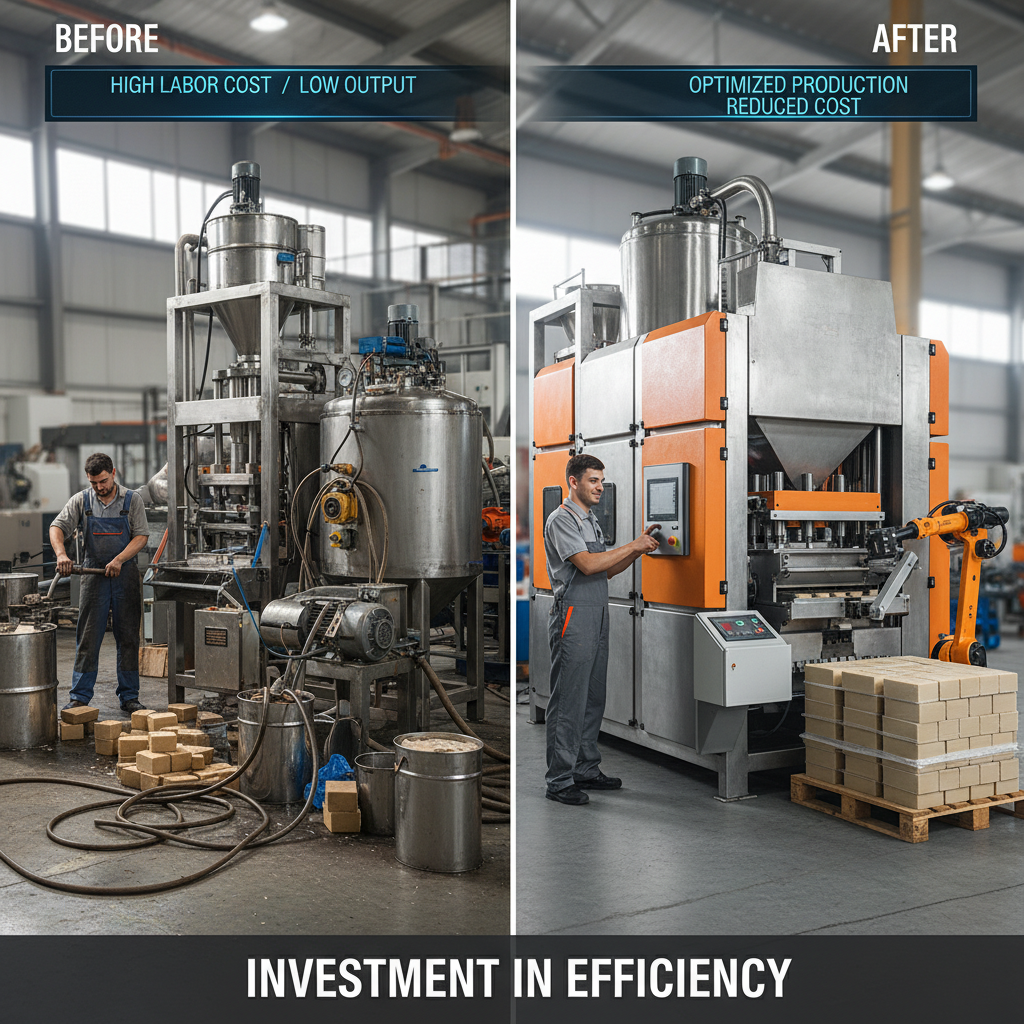
Modern detergent powder plants leverage automation and advanced process control systems to optimize efficiency, minimize waste, and ensure consistent product quality. This alignment with modern industry practices enhances their competitiveness and sustainability.
Key Factors in Plant Design and Operation
Raw material sourcing is paramount. Consistent access to high-quality surfactants, builders (like sodium tripolyphosphate or zeolites), enzymes, and bleaching agents is crucial for maintaining product quality and minimizing production costs. Strategic partnerships with reliable suppliers are essential.
Process optimization is key to efficient production. This includes careful control of mixing times, drying temperatures, and granulation processes. Implementing automation and real-time monitoring systems can significantly enhance efficiency and reduce waste. A well-optimized process directly impacts the cost-effectiveness of the detergent powder making plant.
Quality control is non-negotiable. Rigorous testing of raw materials and finished products is necessary to ensure adherence to industry standards and customer expectations. Implementing a comprehensive quality management system, such as ISO 9001, demonstrates a commitment to quality and builds customer trust.
Operational Capacity and Scalability
The initial operational capacity of a detergent powder making plant should be carefully assessed based on market demand and investment capabilities. It's crucial to balance initial investment costs with potential revenue generation. Starting with a moderate capacity allows for gradual expansion as the market grows.
Scalability is a critical consideration. The plant's design should allow for relatively easy expansion of production capacity to meet future demand. This can involve adding additional mixing lines, increasing drying capacity, or optimizing packaging operations. Investing in modular equipment can facilitate scalability.
Detergent Powder Making Plant - Capacity & Efficiency
Global Applications and Industry Impact
Detergent powder making plants play a critical role in supplying cleaning products to households and industries worldwide. From densely populated urban centers to remote rural communities, access to effective cleaning agents is essential for maintaining public health and hygiene.
In post-disaster relief operations, the rapid deployment of detergent powder is crucial for preventing the spread of disease. Mobile detergent powder making plants can be deployed to affected areas to provide a local source of essential cleaning supplies.
Advantages and Long-Term Value Proposition
Establishing a detergent powder making plant offers significant economic advantages, including reduced import costs, job creation, and increased local revenue. A localized supply chain also enhances responsiveness to market demands and reduces transportation costs.
From a sustainability perspective, strategically located plants can minimize transportation emissions and promote responsible sourcing of raw materials. Investing in energy-efficient technologies and waste reduction programs further enhances the environmental profile of the operation.
Beyond the tangible economic and environmental benefits, a local detergent powder plant contributes to community well-being by providing access to affordable and reliable cleaning products, promoting better hygiene practices, and fostering a sense of self-sufficiency.
Future Trends and Technological Advancements
The detergent industry is increasingly focused on sustainability and eco-friendliness. Future detergent powder making plants will likely incorporate green technologies, such as renewable energy sources, water recycling systems, and biodegradable raw materials.
Digitalization and automation are also transforming the industry. Implementing advanced process control systems, predictive maintenance programs, and data analytics can optimize efficiency, reduce downtime, and improve product quality. The integration of Artificial Intelligence (AI) for formulation optimization is a growing trend.
The development of concentrated detergent formulations and innovative packaging solutions (e.g., water-soluble pouches) will further reduce environmental impact and enhance convenience for consumers.
Challenges and Solutions
One significant challenge is managing fluctuations in raw material prices. Establishing long-term contracts with suppliers and hedging against price volatility can mitigate this risk. Diversifying the sourcing of raw materials is another effective strategy.
Environmental regulations regarding wastewater discharge and air emissions are becoming increasingly stringent. Investing in advanced wastewater treatment technologies and air pollution control equipment is essential for compliance. Adopting cleaner production processes is a proactive approach.
Maintaining consistent product quality can be challenging, especially with variations in raw material quality. Implementing a robust quality control system, including rigorous testing of incoming materials and finished products, is crucial. Skilled personnel and ongoing training are also essential.
Table Summarizing Key Challenges and Solutions for Detergent Powder Making Plants
| Challenge |
Impact on Plant Operations |
Potential Solution |
Implementation Cost (Scale 1-10) |
| Raw Material Price Volatility |
Reduced Profit Margins |
Long-Term Contracts & Hedging |
4 |
| Stringent Environmental Regulations |
Compliance Costs & Potential Fines |
Wastewater Treatment & Emission Control |
7 |
| Maintaining Product Consistency |
Customer Dissatisfaction & Brand Damage |
Robust Quality Control System |
6 |
| Energy Consumption |
High Operational Costs |
Energy-Efficient Technologies & Renewable Sources |
5 |
| Equipment Maintenance |
Production Downtime & Repair Costs |
Preventative Maintenance Programs |
3 |
| Skilled Labor Shortage |
Reduced Productivity & Quality Issues |
Training Programs & Competitive Wages |
4 |
FAQS
The initial investment for a small-scale plant can range from $50,000 to $200,000, depending on the level of automation, production capacity, and location. Key expenses include equipment (mixing tanks, dryers, packaging machines), raw materials, facility setup, and regulatory permits. A detailed feasibility study is crucial for accurate cost estimation.
Regulatory requirements vary by country and region but generally include environmental permits for wastewater discharge and air emissions, safety certifications for handling chemicals, and product registration with relevant health authorities. Adhering to ISO standards (e.g., ISO 9001 for quality management, ISO 14001 for environmental management) demonstrates compliance and builds credibility.
Implementing a rigorous quality control system is essential. This includes testing raw materials for purity and composition, monitoring process parameters (mixing time, temperature, pH), and conducting finished product analysis to verify detergent performance (cleaning power, solubility, pH level). Regular calibration of equipment is also crucial.
Surfactants are the key active ingredients in detergent powder, responsible for reducing surface tension and enabling the removal of dirt and stains. Different types of surfactants (anionic, cationic, non-ionic, amphoteric) offer varying cleaning properties and are selected based on the specific application and desired performance characteristics.
Minimize water usage through recycling and efficient cleaning processes. Invest in wastewater treatment technologies to remove pollutants before discharge. Use biodegradable raw materials whenever possible and explore renewable energy sources to power the plant. Implement responsible waste management practices, including recycling and proper disposal of hazardous materials.
Current trends include the development of concentrated formulations to reduce packaging and transportation costs, the use of enzymes for enhanced stain removal, the incorporation of natural and sustainable ingredients, and the development of phosphate-free detergents to minimize environmental impact. The demand for eco-friendly and biodegradable detergents is increasing.
Conclusion
In conclusion, a strategically planned and efficiently operated detergent powder making plant represents a valuable investment with significant economic, social, and environmental benefits. From ensuring a stable supply of essential cleaning products to fostering local economic growth and promoting sustainability, these plants play a critical role in modern society. Prioritizing quality control, process optimization, and environmental responsibility are key to long-term success.
Looking ahead, continuous innovation in formulation technology, automation, and sustainable practices will be crucial for maintaining competitiveness in the evolving detergent industry. Exploring opportunities for utilizing renewable energy sources and reducing water consumption will further enhance the environmental profile of these plants. For those seeking to enter this dynamic market, a thorough understanding of the challenges and opportunities is paramount. Visit our website: www.rssoapmachinery.com to learn more about establishing your own detergent powder making plant.