0%

Table of Contents

Look, the soap factory machine price game is changing fast. I’ve been running around factories all year, and honestly, everyone’s talking about automation. Not just slapping a robot arm on something, but real integration – vision systems, self-diagnostics, the whole shebang. Used to be, a good machine meant solid steel and a reliable motor. Now? It's about how smart it is. It's about minimizing waste, increasing throughput, and – and this is the big one – finding workers who can actually manage these systems. That's a whole other headache.

I’ve seen so many designs come across my desk that look amazing on paper but fall apart the second you try to actually use them. Have you noticed how many companies still underestimate the importance of basic accessibility? Like, can you actually get to the parts that need regular maintenance without dismantling half the machine? It sounds simple, but it’s a huge time-saver – or a huge source of frustration. And don’t even get me started on the control panels. Too much clutter, too many buttons… give me a clear, intuitive interface any day.

The core of it all, though, still comes down to materials. We're using a lot more 316L stainless steel these days, especially for anything that comes into contact with the soap itself. It smells…cleaner, if that makes sense. Not like the cheaper grades which have this metallic tang. Feels good in your hands too, smooth. Then there’s the polymers, the seals, the gaskets… That’s where things get tricky. We’ve been testing a new silicone blend – very flexible, resists degradation from the lye, but it's surprisingly difficult to mold consistently.
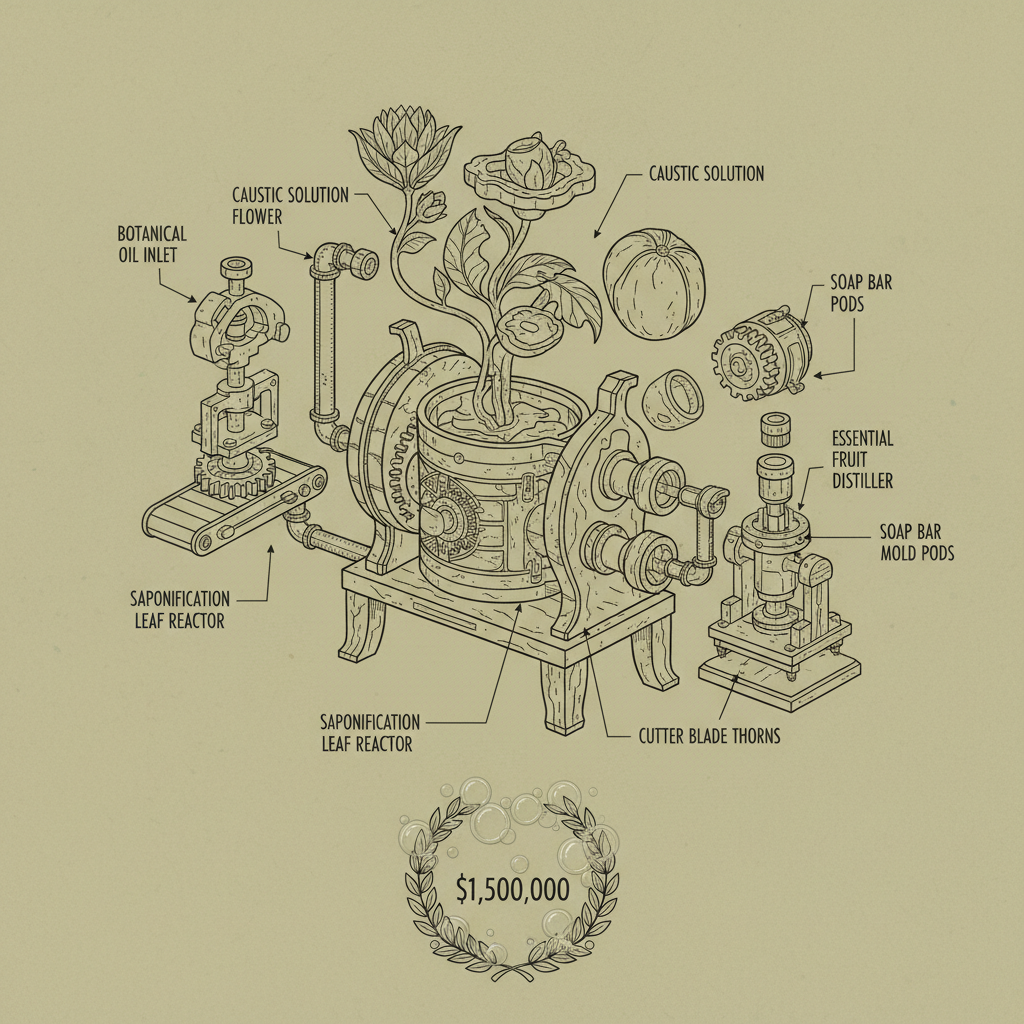
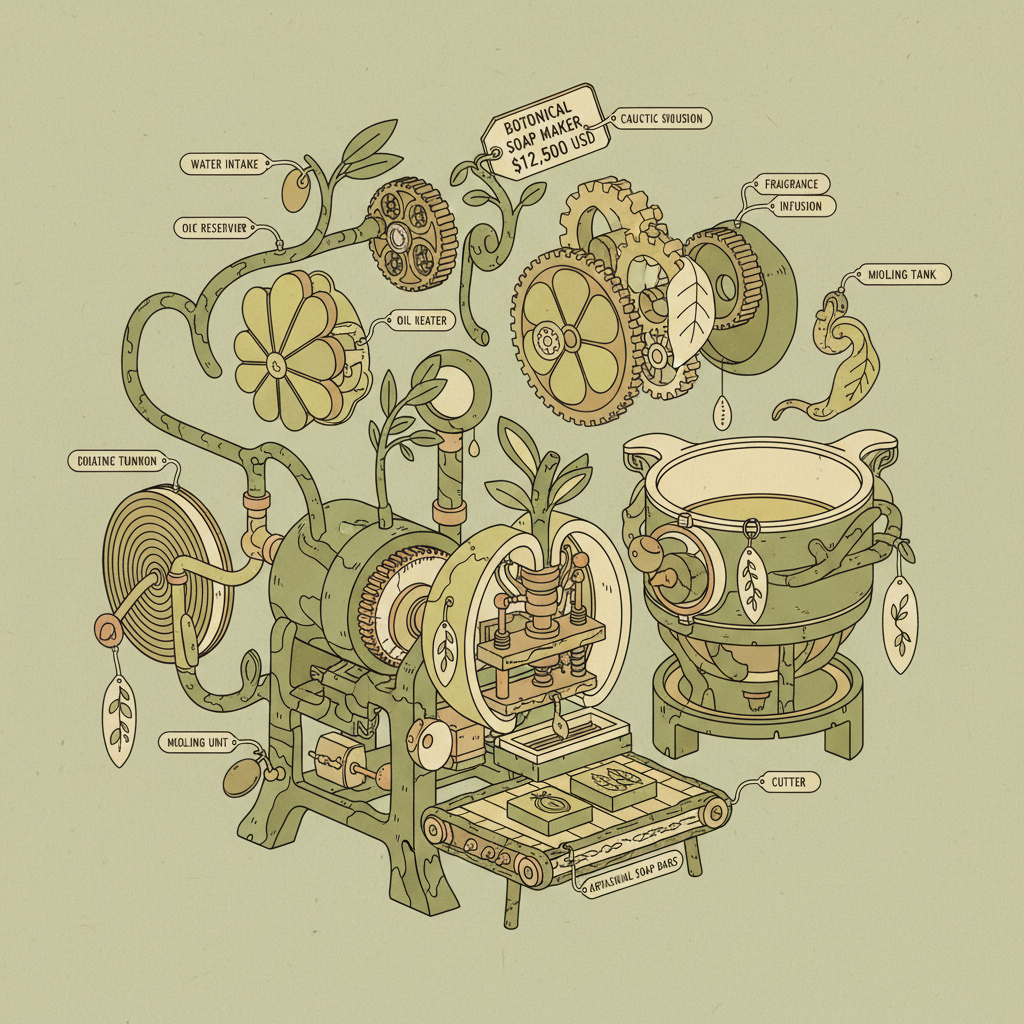
Exploring the Latest Trends in Soap Factory Machine Price and Automation

Industry Trends and Design Pitfalls

Exploring the Latest Trends in Soap Factory Machine Price and Automation

To be honest, everyone's chasing efficiency. Soap factory machine price is driven by volume, and volume is driven by how fast you can pump out the product. That means less downtime, fewer manual adjustments, and machines that can basically run themselves. But people forget – it's not just about the machine; it's about the people who have to work with it. I encountered this at a factory in Guangzhou last time. They'd installed a fully automated line, but the operators hadn’t been properly trained, and the whole thing ground to a halt within a week. A complete disaster.

And the safety interlocks? Don’t get me started. I’ve seen too many machines where reaching into a potentially dangerous area is… surprisingly easy. It's not acceptable.

Material Selection and Handling

Strangely, people often overlook the little things with materials. Like the type of bearings used in the mixing drums. Cheap bearings wear out quickly, contaminate the soap, and then you’ve got a whole mess of problems. We've moved to ceramic bearings in most of our high-volume lines. They’re more expensive upfront, but they last significantly longer and require less maintenance. Also, the thickness of the steel in the frame… You want something robust, but you don’t want it to be unnecessarily heavy. It's a balancing act.

Then there’s the electrical wiring. Gotta be properly shielded, properly grounded. Soap production environments are often damp, and you don’t want to be dealing with electrical hazards. The connectors themselves matter too – cheap connectors corrode quickly.

And the plastics! Oh, the plastics. You need something that's chemically resistant, heat-resistant, and won't leach anything into the soap. It's a nightmare trying to find materials that tick all those boxes.

Rigorous Testing Procedures

Look, lab tests are fine, but they don’t tell the whole story. We do those, of course – tensile strength, chemical resistance, corrosion testing. But the real test happens on the factory floor. We run the machines 24/7 for weeks, pushing them to their limits. We simulate real-world conditions: variations in water quality, changes in ingredient formulations, operator errors… Everything we can think of.

I remember one time, we were testing a new type of pump, and it kept clogging up with soap flakes. Looked fine in the lab, but in a real production environment, it just couldn't handle the volume. We had to redesign the impeller completely.

We also send prototypes to select customers for field trials. Get their feedback, see how the machine performs in their specific environment. That’s invaluable. We don’t just want a machine that works; we want a machine that works for them.

Real-World Application and Usage

You know, it's funny. We design these machines to do one thing, but users always find a way to… adapt them. I’ve seen customers using our machines to make everything from laundry detergent to hand sanitizer to car wash soap. They’ll modify the mixing ratios, add extra tanks, rig up different dispensing systems. It’s impressive, and sometimes a little terrifying.

Anyway, I think the biggest trend is the demand for smaller, more flexible machines. A lot of our customers are artisanal soap makers, and they don’t need a massive production line. They want something compact, easy to clean, and capable of producing small batches of high-quality soap.

Soap Factory Machine Price - Key Performance Indicator Comparison


Advantages and Disadvantages

The biggest advantage, obviously, is increased production capacity. A good machine can churn out soap all day, every day, with minimal supervision. Lower labor costs, consistent quality, better control over the manufacturing process. It all adds up. But…they’re expensive. The initial investment can be substantial, and you need to factor in the cost of installation, training, and ongoing maintenance.

And let’s be real – these machines aren’t foolproof. They require regular maintenance, and they can break down. When they do, it can disrupt production and lead to significant losses. The learning curve can also be steep for operators.

Customization Options

We offer a surprising amount of customization. Last month, a small boss in Shenzhen who makes smart home devices insisted on changing the interface to , and the result was a week of debugging and a slightly disgruntled engineer. Honestly, I still don't know why he wanted that. But, we do it. We can adjust the size of the mixing tanks, add or remove features, modify the control panel, change the materials of construction… within reason, of course.

We’ve also done a lot of work on developing modular systems. Customers can start with a basic machine and then add modules as their needs grow. For example, a customer might start with a simple mixing tank and then add a filling and labeling module later on.

A Customer Story & Practical Considerations

I was talking to a guy last week, runs a small soap company out in Oregon. He told me he’d been hand-pouring soap for years, and he was exhausted. He finally invested in a semi-automatic machine, and he said it’s completely changed his life. He’s able to produce more soap with less effort, and he has more time to focus on marketing and product development. That's the kind of story I like to hear.

But even he said it wasn’t a perfect experience. The initial setup was a pain, and he had to spend a lot of time learning how to operate the machine. He also mentioned that he’s constantly tweaking the settings to get the perfect consistency.

Ultimately, whether this thing works or not, the worker will know the moment he tightens the screw. It’s all about getting it right in the field, with real people, in a real environment. That's what I’ve learned after all these years.

Summary of Key Considerations for Soap Factory Machine Performance

Maintenance Frequency Operational Complexity Initial Investment Cost Long-Term ROI Potential
High (Daily Checks) Moderate $20,000 - $50,000 7/10
Medium (Weekly) Low $10,000 - $25,000 6/10
Low (Monthly) High $5,000 - $15,000 4/10
High (Daily Checks) Moderate $60,000 - $100,000+ 9/10
Medium (Bi-Weekly) Moderate $30,000 - $60,000 8/10
Variable Variable $5000 - $150000+ 5/10

FAQS

What's the typical lead time for a custom soap factory machine price?

Lead times vary greatly depending on the complexity of the customization and our current workload. Generally, a simple modification might take 4-6 weeks, while a full redesign could take 12 weeks or more. We always provide a detailed timeline upfront, and we keep you informed every step of the way. It’s crucial to get the specifications right from the start to avoid delays later on. Honestly, the biggest holdup is usually finalizing the details – everyone has an opinion!

How easy is it to find replacement parts for your machines?

We maintain a comprehensive inventory of spare parts for all of our machines, and we can typically ship them within 24-48 hours. We also have a network of authorized service technicians who can diagnose problems and order parts if needed. I’ve found that proactive maintenance, like regularly replacing seals and bearings, can significantly reduce the need for emergency repairs. And yeah, we provide detailed parts diagrams with every machine.

What level of technical expertise is required to operate and maintain these machines?

While our machines are designed to be user-friendly, some level of technical aptitude is required. We provide thorough training for all of our customers, covering everything from basic operation to troubleshooting. We recommend having at least one member of your team dedicated to machine maintenance and repair. It doesn’t necessarily need to be a fully qualified engineer, but someone with a mechanical background and a willingness to learn is essential.

What are the energy consumption characteristics of your soap factory machine price?

Energy consumption varies depending on the size and type of machine, as well as the production volume. We've been focusing on developing more energy-efficient machines in recent years, incorporating features like variable frequency drives and optimized heating systems. We can provide detailed energy consumption data for each model, and we can also help you calculate your operating costs. It’s always a trade-off between efficiency and throughput, of course.

Do you offer financing options for the purchase of your machines?

Yes, we work with several financing partners to offer flexible payment plans. The terms and conditions will vary depending on your creditworthiness and the amount of the loan. We can help you navigate the application process and find a financing option that fits your budget. Honestly, a lot of smaller soap makers are surprised by how affordable these machines can be with financing.

What safety features are included in your soap factory machine price?

Safety is our top priority. Our machines are equipped with a range of safety features, including emergency stop buttons, safety interlocks, and protective guards. We adhere to all relevant safety standards and regulations. We also provide comprehensive safety training for all of our customers. We test extensively to ensure everything works as intended, and we are always looking for ways to improve safety.

Conclusion

So, where does all this leave us? Soap factory machine price is a constantly evolving field. It's about finding the right balance between automation, efficiency, reliability, and cost. It's about understanding the needs of the customer and providing them with a machine that helps them achieve their goals. It’s about paying attention to the details – the materials, the design, the testing – because those details can make all the difference.

Looking ahead, I think we'll see even more emphasis on customization, sustainability, and integration with other manufacturing systems. The demand for smaller, more flexible machines will continue to grow. And ultimately, whether this thing works or not, the worker will know the moment he tightens the screw. Visit our website at soap factory machine price.

David Miller

David Miller

David Miller serves as the Lead Mechanical Engineer at Shijiazhuang Ruisheng Machinery Manufacturing Co., Ltd. He brings over 15 years of experience in the design and development of industrial machinery, specializing in vacuum systems and automated production lines. David joined Ruisheng in 2018, attracted by the company's commitment to innovation
Previous Comprehensive Guide to Commercial Soap Making Equipment and Industry Trends
Next Reliable Soap Factory Machine Solutions for Efficient Production

If you are interested in our products, you can choose to leave your information here, and we will be in touch with you shortly.


phone
email
up

If you are interested in our products, you can choose to leave your information here, and we will be in touch with you shortly.