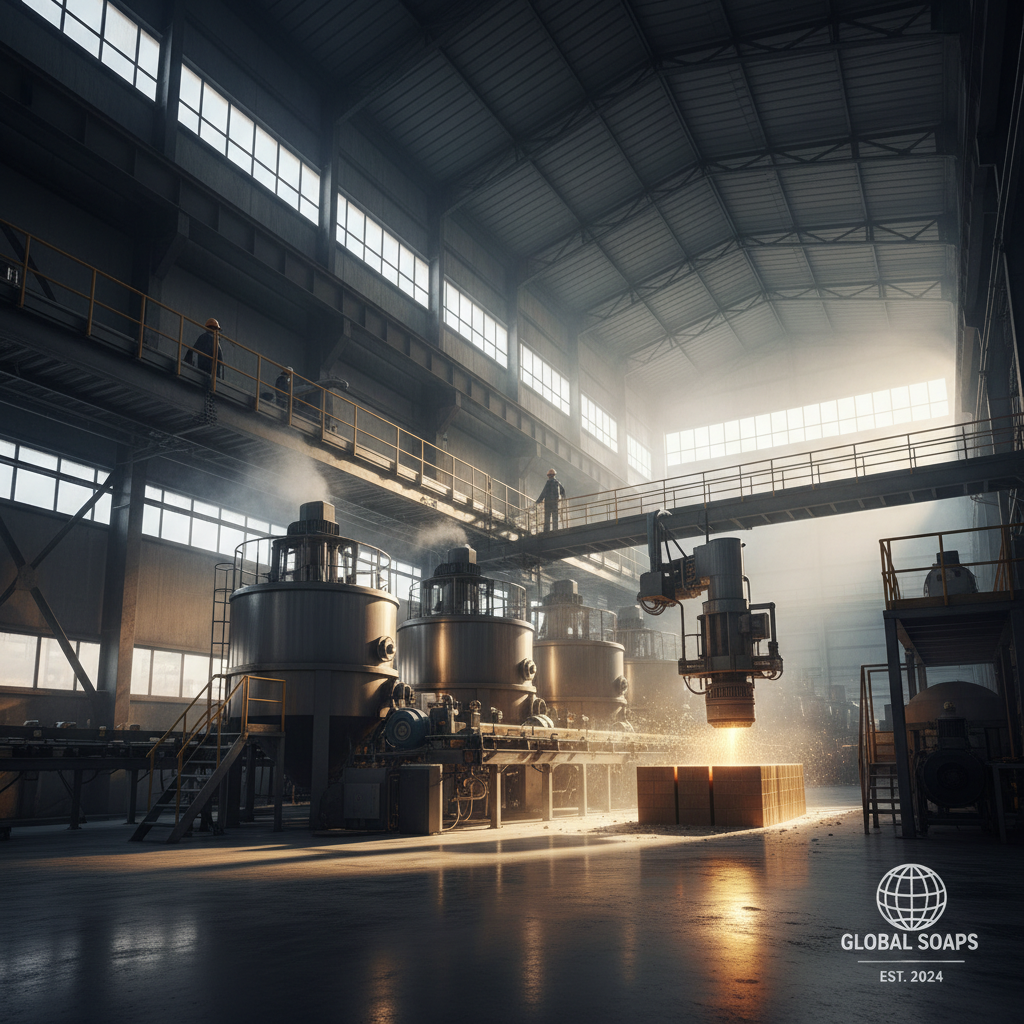
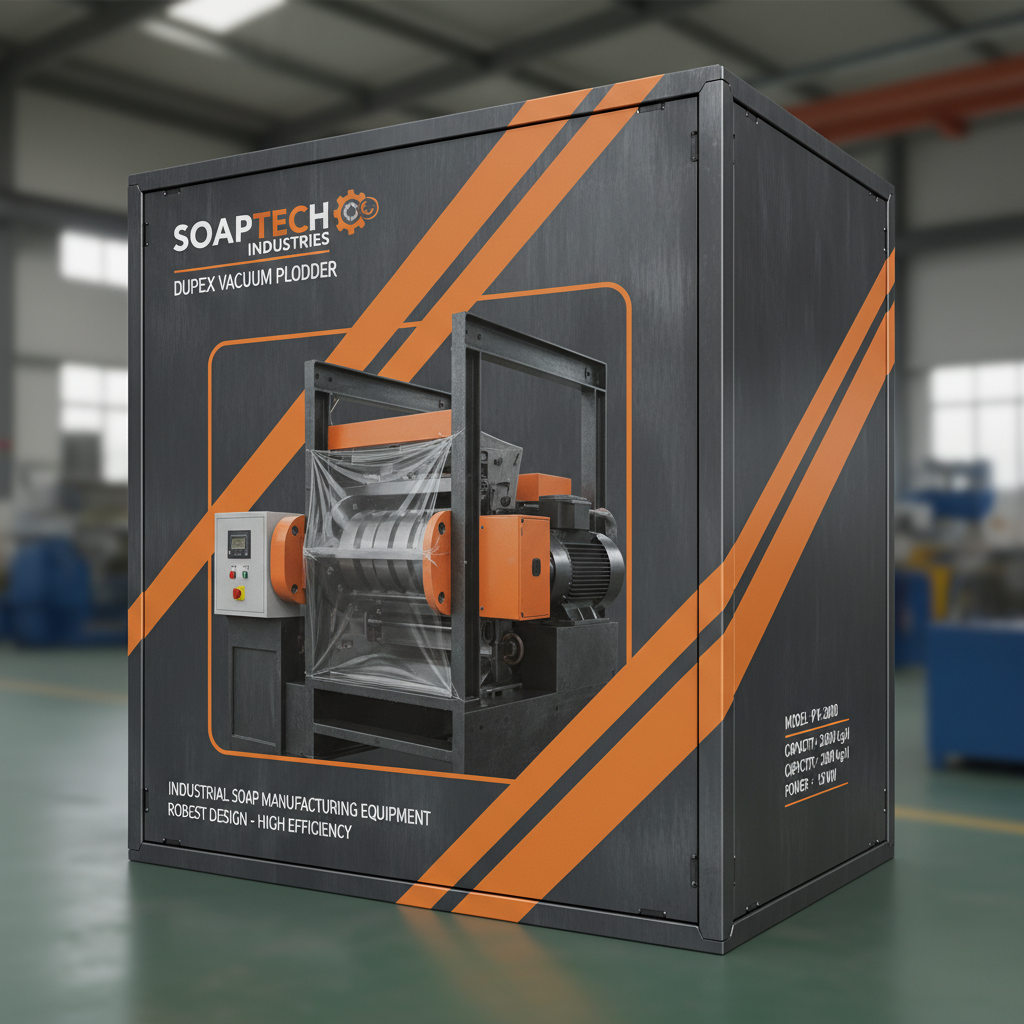
The global soap and detergent industry is a multi-billion dollar market, driven by increasing hygiene awareness and demand for cleaning products. Understanding the soap making machine cost is crucial for entrepreneurs, manufacturers, and even humanitarian organizations looking to establish or expand soap production capabilities. Efficient and cost-effective soap making machinery isn't just about profit margins; it’s about accessibility to essential hygiene products worldwide.
The demand for soap extends beyond basic cleaning. Specialized soaps, like those used in cosmetics or industrial applications, require specific machinery and processes. Therefore, a detailed analysis of soap making machine cost needs to consider the type of soap being produced, the desired production volume, and the level of automation required. This cost is a fundamental factor in the feasibility of any soap manufacturing venture.
Investing in the right soap making equipment, considering the initial soap making machine cost as well as ongoing maintenance and operational expenses, is vital for long-term success. A thorough understanding of the market, the production process, and available machinery options is essential for making informed decisions and maximizing return on investment.
Understanding the Factors Influencing Soap Making Machine Cost
The soap making machine cost isn't a single, fixed number. It's a complex equation influenced by several key factors. Production capacity is paramount; a small-scale batch production line will have a significantly lower cost than a fully automated, high-volume industrial system. The level of automation directly correlates with price, as more sophisticated machines require advanced engineering and control systems.
The type of soap being manufactured also plays a role. Liquid soap production lines differ significantly from those producing bar soap, impacting the equipment needed and, consequently, the overall cost. Material quality and the manufacturer's reputation are further considerations. Investing in durable, high-quality machinery might have a higher initial cost but can reduce downtime and maintenance expenses in the long run.
Defining Soap Making Machine Cost
Soap making machine cost encompasses more than just the price tag of the equipment itself. It's the total expenditure associated with acquiring, installing, and operating the machinery. This includes the cost of the core processing units (mixing tanks, saponification reactors, molding machines), as well as auxiliary equipment such as pumps, conveyors, and packaging systems.
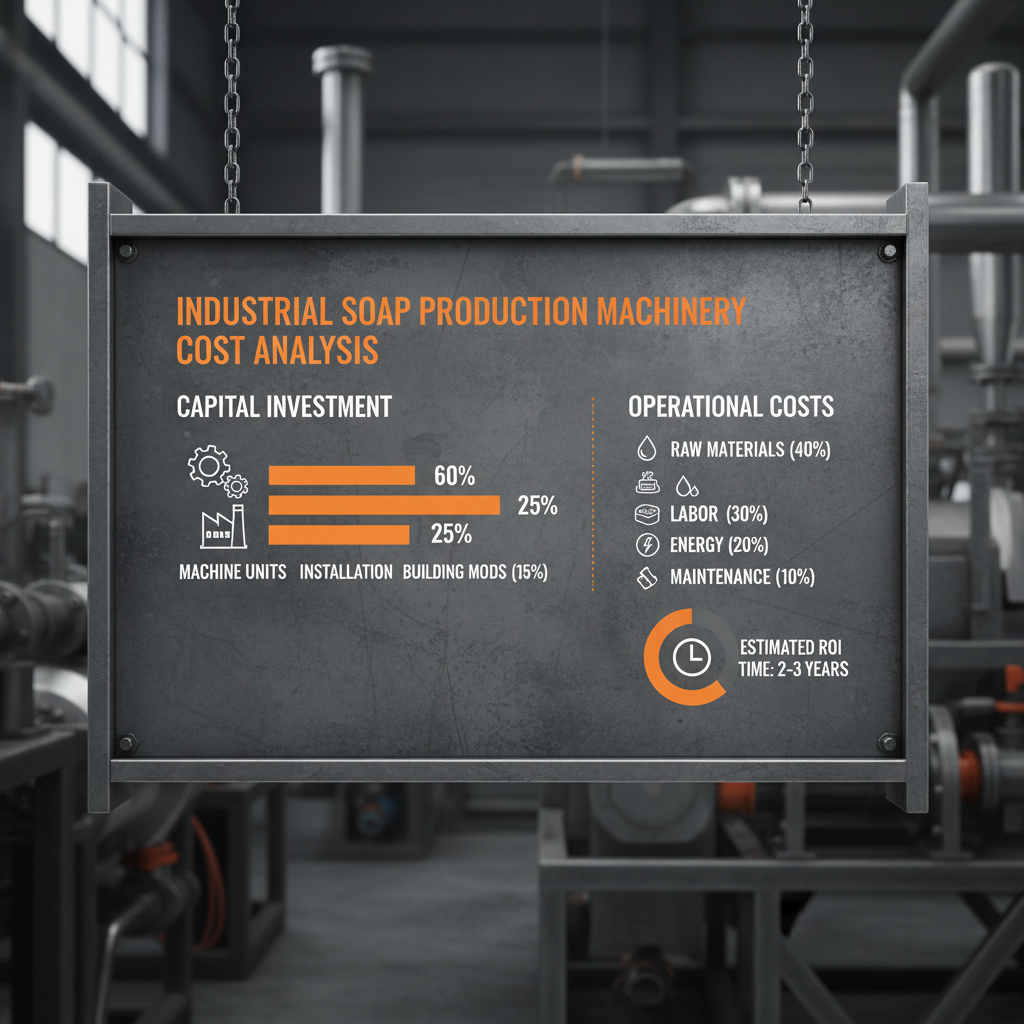
Beyond the initial investment, consider indirect costs like installation fees, staff training, and ongoing maintenance. Electricity consumption, raw material handling, and potential repair expenses all contribute to the overall cost of soap production. A comprehensive cost analysis should factor in these elements to provide an accurate picture of the total investment required.
Understanding these different components of soap making machine cost is crucial for budgeting and financial planning. Properly accounting for all expenses will ensure the long-term viability and profitability of a soap manufacturing business.
Core Components and Their Impact on Cost
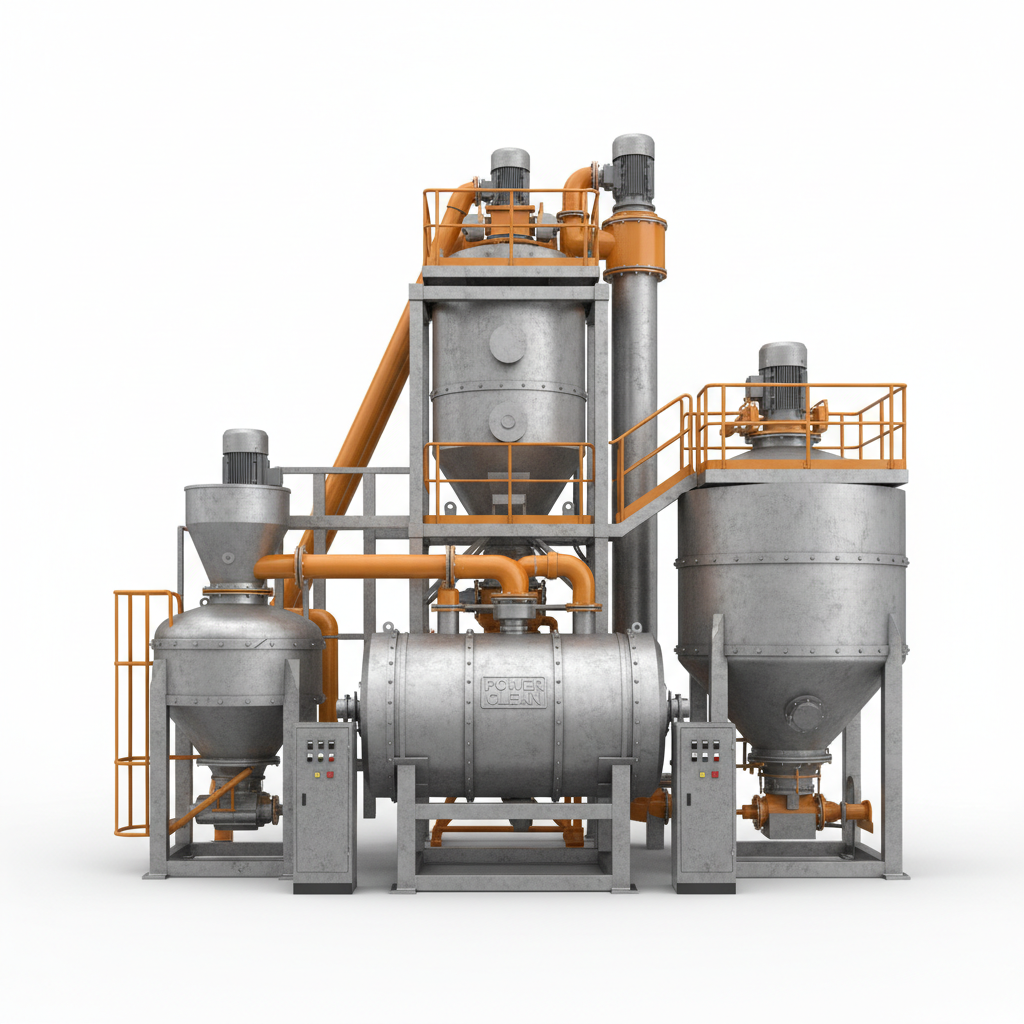
Several key components significantly influence the soap making machine cost. Saponification reactors, where fats and oils are reacted with alkali to create soap, are often the most expensive single item. The reactor’s size, material (stainless steel is common for durability), and automation level directly affect its price.
Mixing tanks, used to blend ingredients before and after saponification, also contribute substantially to the overall cost. Similar to reactors, the tank’s capacity, material, and the complexity of its mixing system (agitators, heaters) determine its price. Automated systems, featuring precise temperature and mixing controls, are more expensive but offer greater efficiency and consistency.
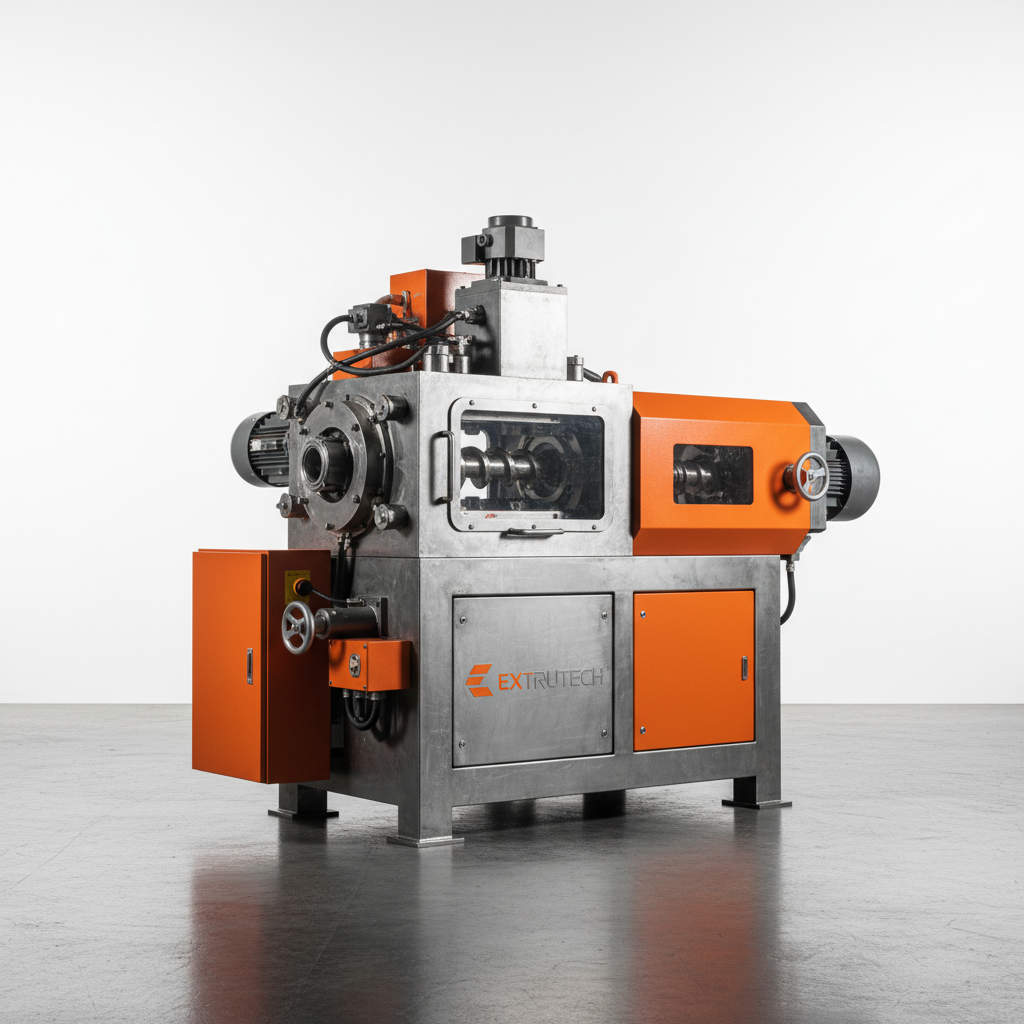
Finally, molding and cutting machines, responsible for shaping the soap into its final form, play a crucial role. The type of soap (bar, liquid, flakes) dictates the type of molding equipment needed, further impacting the soap making machine cost. Automated molding lines, capable of high-speed production, are significantly more expensive than manual or semi-automatic systems.
Global Applications and Cost Variations
The application of soap making machinery spans a broad range of industries and geographical locations. In developed countries, sophisticated automated lines are common, primarily focused on large-scale production of diverse soap varieties for consumer markets. The soap making machine cost here tends to be higher due to advanced technology and stringent quality standards.
In developing nations, smaller-scale, more affordable machines are often used, catering to local markets or addressing specific hygiene needs. These machines may be less automated but still effective for producing quality soap. In post-disaster relief operations, portable and easily deployable soap making machines are invaluable for providing essential hygiene products to affected communities.
Cost variations also depend on the manufacturer’s location. Machines produced in regions with lower labor costs may be more affordable, but it’s essential to assess their quality and reliability. Import duties, transportation costs, and local regulations also contribute to the final soap making machine cost in different countries.
Cost Comparison of Soap Making Machine Methods
Advantages of Investing in Quality Soap Making Machinery
Investing in high-quality soap making machinery offers numerous advantages. Reduced downtime and maintenance costs are significant benefits, minimizing disruptions to production and maximizing overall efficiency. Consistent product quality, achieved through precise control of the manufacturing process, enhances brand reputation and customer satisfaction.
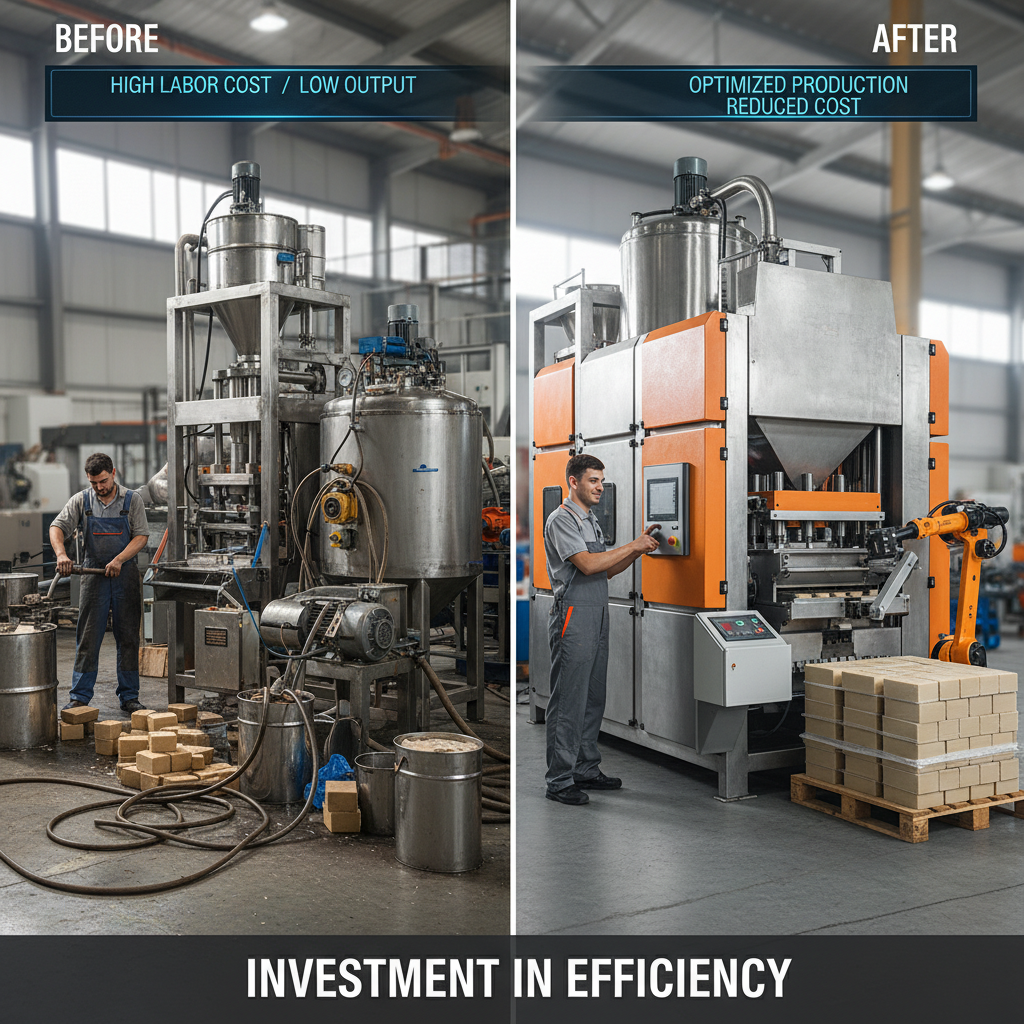
Increased production capacity allows businesses to meet growing demand and expand their market share. Automation reduces labor costs and minimizes the risk of human error, leading to lower overall operational expenses. Ultimately, investing in quality machinery translates to a higher return on investment and a more sustainable business model.
Future Trends and Innovations in Soap Making Technology
The soap making industry is constantly evolving, driven by technological advancements and changing consumer preferences. Automation and robotics are increasingly being integrated into production lines, further streamlining processes and reducing labor costs. Green chemistry principles are gaining prominence, leading to the development of more sustainable and environmentally friendly soap making processes.
Digitalization and data analytics are also playing a crucial role. Real-time monitoring of production parameters allows for optimized performance and reduced waste. Advanced sensors and control systems enable precise adjustments to the manufacturing process, ensuring consistent product quality. These innovations promise to reshape the future of soap making, making it more efficient, sustainable, and responsive to market demands.
Challenges and Solutions Regarding Soap Making Machine Cost
One major challenge is the initial soap making machine cost, which can be prohibitive for small businesses or startups. Exploring financing options, such as loans or leasing agreements, can help overcome this hurdle. Another challenge is finding skilled technicians to operate and maintain the machinery. Investing in comprehensive training programs for staff is essential.
Ensuring compliance with safety regulations and environmental standards can also be complex and costly. Selecting machinery that meets these standards and implementing proper safety protocols are crucial. Finally, keeping up with rapidly evolving technology requires continuous investment in upgrades and modernization. Developing a long-term plan for technology adoption is essential for staying competitive.
Proactive maintenance and preventative measures can significantly reduce unexpected repair costs. Establishing strong relationships with reliable suppliers and service providers ensures access to timely support and spare parts. These solutions, coupled with a well-defined business strategy, can mitigate the challenges associated with soap making machine cost and maximize the potential for success.
Summary of Factors Affecting Soap Making Machine Cost
| Component Type |
Material Quality |
Automation Level |
Impact on Overall Cost |
| Saponification Reactor |
Stainless Steel (316L) |
Fully Automated |
High – 30-40% of total cost |
| Mixing Tanks |
Carbon Steel with Coating |
Semi-Automated |
Medium – 20-25% of total cost |
| Molding & Cutting Machine |
High-Grade Polymer |
Manual |
Low – 10-15% of total cost |
| Packaging System |
Durable Plastic |
Automated |
Medium – 15-20% of total cost |
| Control System |
PLC Based |
Integrated |
Medium – 10-15% of total cost |
| Installation & Training |
N/A |
N/A |
Variable – 5-10% of total cost |
FAQS
The lifespan of a soap making machine varies greatly depending on its quality, the materials used, and the frequency of use. High-quality machines constructed from durable materials like stainless steel can last 15-20 years with proper maintenance. However, less expensive machines may only last 5-10 years. Regular servicing, preventative maintenance, and timely replacement of worn parts are essential for maximizing the machine’s lifespan and minimizing downtime. The initial soap making machine cost is important, but so is its longevity.
The floor space required for a soap making line depends heavily on the production capacity and level of automation. A small-scale batch production line might fit within 500-1000 square feet, while a fully automated, high-volume line could require 5,000 square feet or more. Consider the space needed for raw material storage, processing equipment, packaging, and finished product warehousing. Proper space planning is crucial for efficient workflow and safe operation. It's important to factor this into your overall soap making machine cost calculations.
Regular maintenance is crucial for ensuring the longevity and efficiency of soap making machinery. This includes routine cleaning, lubrication of moving parts, inspection for wear and tear, and periodic replacement of filters and seals. Saponification reactors and mixing tanks require regular inspection for corrosion. Automated systems need software updates and calibration. Implementing a preventative maintenance schedule can help avoid costly breakdowns and minimize downtime. This should be factored into the ongoing soap making machine cost.
Energy consumption varies significantly based on the size and type of machine. Larger, fully automated lines consume considerably more energy than smaller, manual systems. Heating processes, such as saponification and drying, are particularly energy-intensive. Implementing energy-efficient technologies, such as variable frequency drives and heat recovery systems, can help reduce energy consumption and lower operating costs. It's essential to consider energy efficiency when evaluating the overall soap making machine cost.
Safety is paramount when operating soap making machinery. Essential safety features include emergency stop buttons, safety guards on moving parts, temperature and pressure sensors, and alarm systems. Machines should comply with relevant safety standards and regulations. Proper training for operators is crucial to ensure they understand the safe operation of the equipment. Investing in machines with robust safety features is an integral part of responsible manufacturing and impacts the total soap making machine cost in terms of reduced risk.
Yes, many manufacturers offer customization options for soap making machines. You can often specify the capacity, materials, automation level, and features to match your specific production requirements. Customization may involve additional costs, but it can ensure that the machine is perfectly suited to your needs. Discuss your specific requirements with the manufacturer during the quoting process to determine the feasibility and cost of customization. Considering this upfront is vital when assessing the soap making machine cost.
Conclusion
In conclusion, understanding the soap making machine cost involves far more than simply comparing price tags. It requires a comprehensive assessment of production needs, available space, long-term maintenance costs, and future scalability. Investing in high-quality, appropriately sized, and well-maintained machinery is crucial for maximizing efficiency, ensuring product quality, and achieving long-term profitability.
Looking ahead, the soap making industry will continue to evolve with advancements in automation, sustainability, and digitalization. Embracing these innovations will be essential for staying competitive and meeting the growing demand for high-quality, ethically produced soap. We encourage you to explore our range of soap making solutions at www.rssoapmachinery.com to discover how we can help you achieve your manufacturing goals.