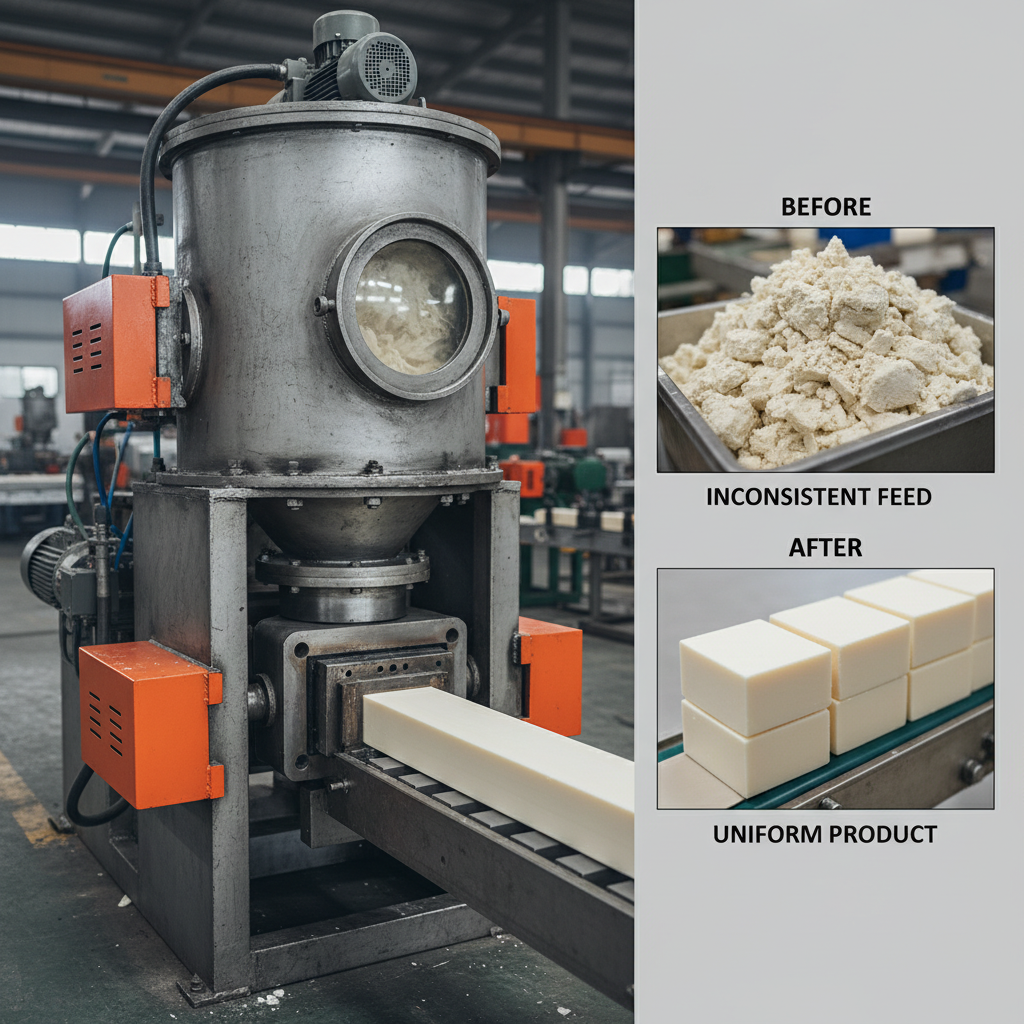
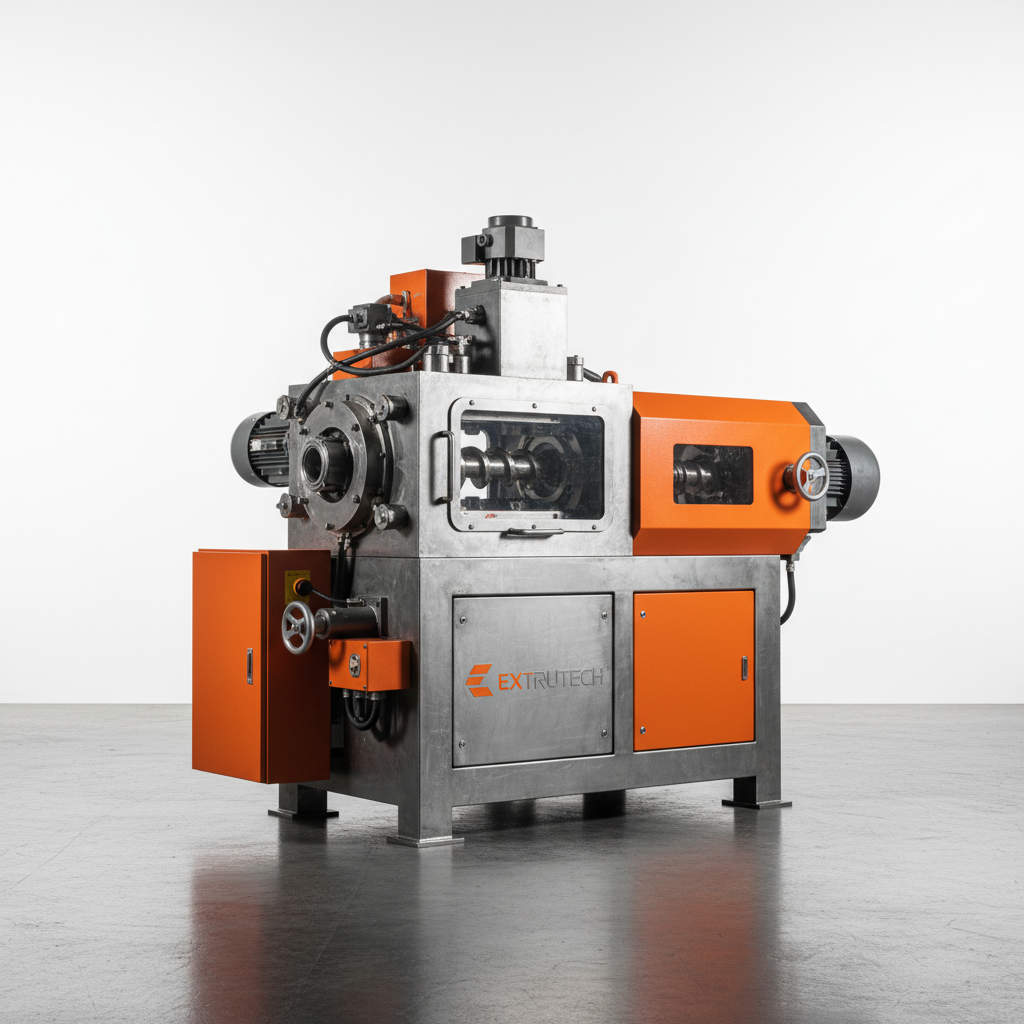
The demand for efficient and reliable soap production is globally significant, impacting public health, hygiene standards, and economic development. A robust soap bar maker is crucial, especially in developing nations and disaster-prone regions, where access to essential hygiene products is often limited. Investing in advanced soap-making technologies addresses these challenges by enabling localized production, reducing reliance on supply chains, and empowering communities to maintain better health practices.
The soap industry is a multi-billion dollar market, with increasing consumer awareness regarding natural and sustainable products. This has led to a surge in demand for smaller-scale, artisanal soap production, creating opportunities for entrepreneurs and local businesses. A modern soap bar maker caters to this evolving market by offering versatility, precision, and the capability to produce high-quality soaps with diverse formulations.
Understanding the nuances of a soap bar maker – from its technical specifications to its operational capabilities – is essential for anyone involved in the soap manufacturing industry, from large-scale producers to small-batch artisans. This knowledge empowers informed decision-making, optimizing production processes, and ultimately delivering superior products to consumers.
The Significance of Soap Bar Makers
A soap bar maker isn’t merely a piece of equipment; it's a vital component in ensuring public health and sanitation. Globally, millions lack access to basic hygiene resources. Efficient soap production, enabled by advanced machinery, plays a critical role in addressing this disparity, particularly in vulnerable communities.
Beyond humanitarian applications, the ability to create high-quality soap locally fosters economic independence. Small-scale manufacturers utilizing a reliable soap bar maker can create jobs, stimulate local economies, and compete effectively in the growing market for natural and artisanal soaps.
Defining the Soap Bar Maker
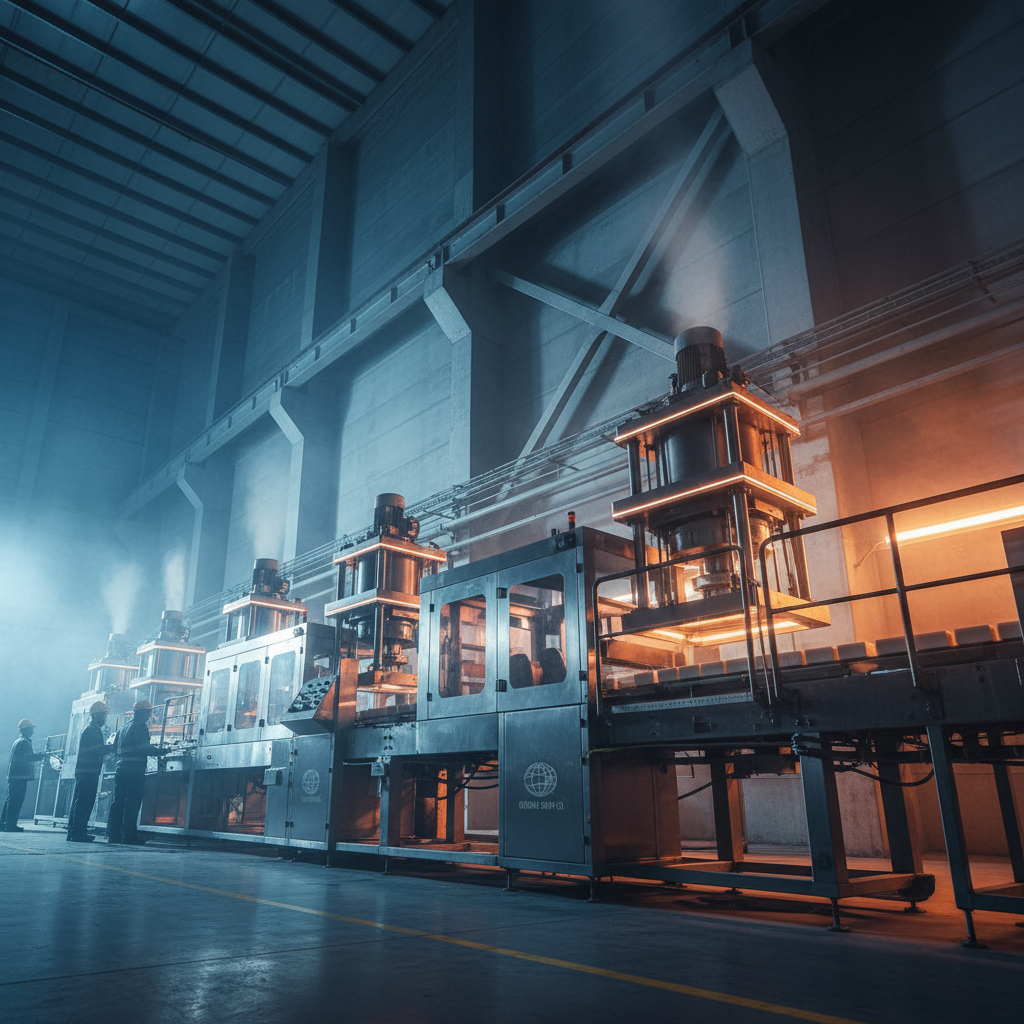
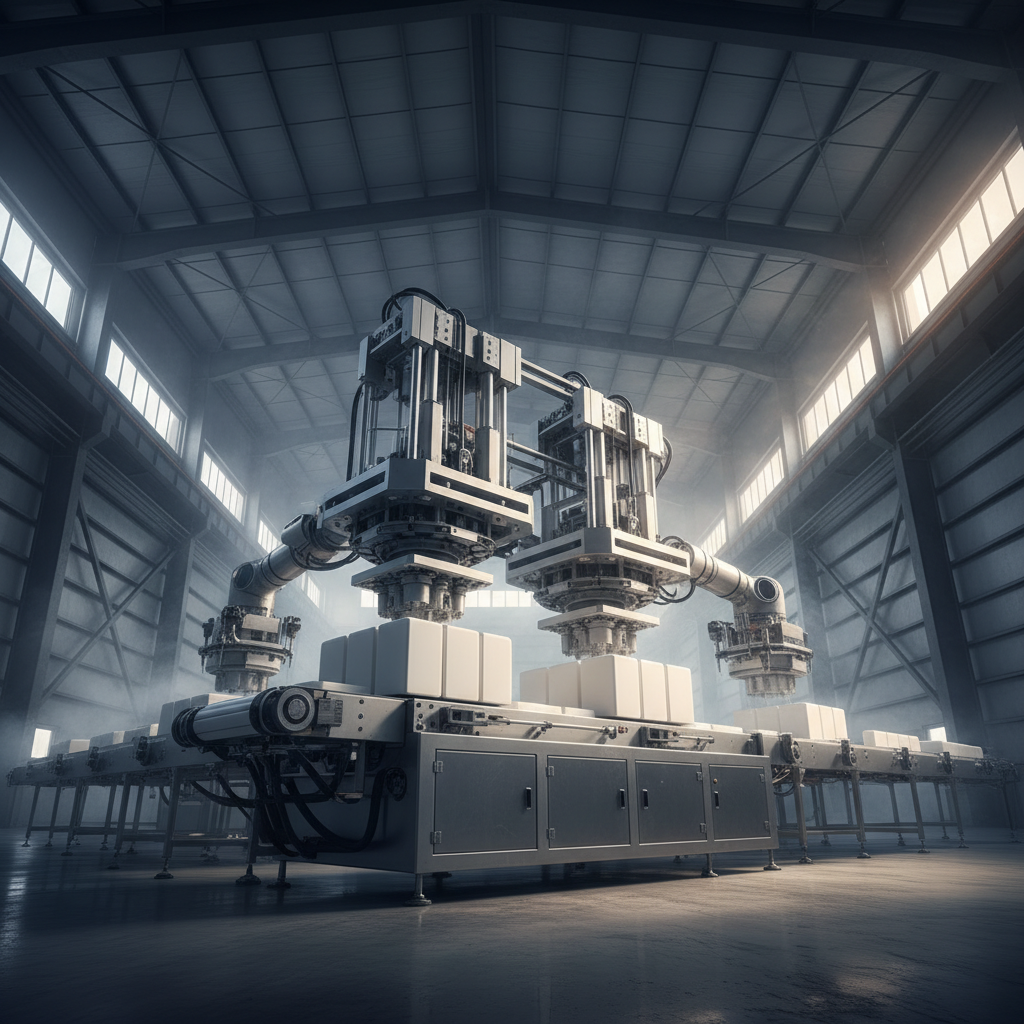
A soap bar maker is a machine designed to automate or semi-automate the process of soap production. Historically, soap making was a labor-intensive, manual process. Modern machines streamline this process, handling tasks such as mixing ingredients, heating, cooling, molding, and cutting. These machines vary in complexity, from simple hand-operated models to fully automated industrial systems.
The core function of a soap bar maker is to transform raw materials – typically oils, fats, lye, and water – into a usable and hygienic cleaning product. Different machines cater to different production scales, from small batches for artisanal soaps to large-scale production for commercial distribution. The quality and efficiency of the soap bar maker directly impacts the quality and cost-effectiveness of the final product.
In essence, a soap bar maker bridges the gap between raw ingredients and a finished, marketable product, driving efficiency and consistency in the soap production process.
Key Components and Functionality
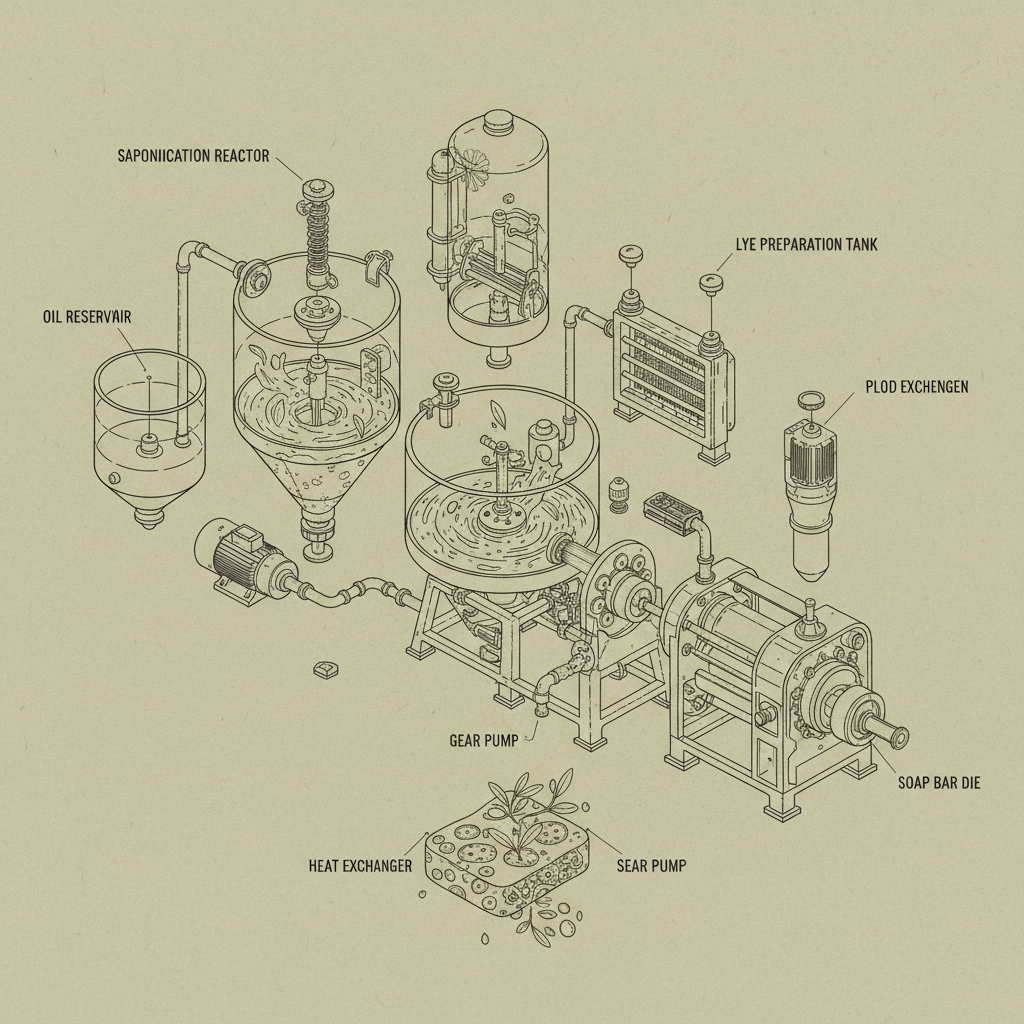
Several key components contribute to the functionality of a modern soap bar maker. These include mixing tanks for blending ingredients, heating elements for saponification (the chemical reaction that creates soap), cooling systems to solidify the soap mixture, molding units to shape the bars, and cutting mechanisms to portion the soap into individual pieces. The integration of these components determines the machine's overall efficiency and production capacity.
Furthermore, advanced machines often incorporate features like automated temperature control, precise ingredient dosing, and programmable logic controllers (PLCs) for optimized operation. These features enhance consistency, reduce waste, and minimize the need for manual intervention, resulting in a more streamlined and cost-effective production process. Different soap bar maker models will feature varying degrees of automation and control.
Understanding these core components is vital for maintenance, troubleshooting, and optimizing the performance of a soap bar maker, ensuring a consistent and high-quality output. Proper operation and regular maintenance extend the lifespan of the machine and guarantee optimal performance.
Operational Efficiency and Scalability
The operational efficiency of a soap bar maker is determined by its ability to maximize output while minimizing waste and energy consumption. Factors influencing efficiency include mixing speed, heating and cooling rates, mold design, and the level of automation. Machines with precise controls and optimized processes deliver superior efficiency.
Scalability is another critical consideration. A soap bar maker should be able to adapt to changing production demands. Modular designs allow for easy expansion, while larger machines offer higher capacities for large-scale operations. Choosing a machine that aligns with both current and future production needs is crucial for long-term success.
Soap Bar Maker Efficiency Comparison
Global Applications and Market Impact
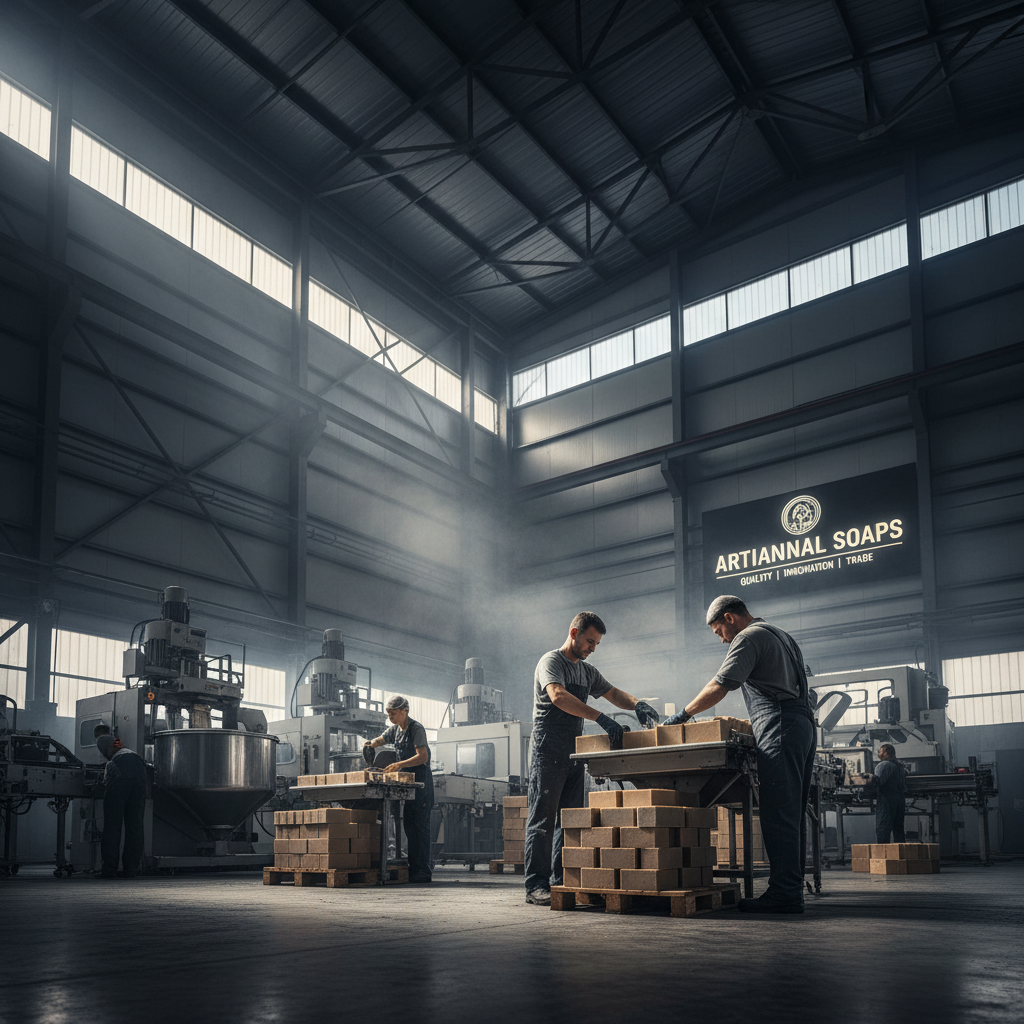
Soap bar maker technologies are implemented across a diverse range of global applications. In developed nations, they support large-scale commercial production for established soap brands. In developing countries, smaller, more affordable machines are utilized by local entrepreneurs to provide essential hygiene products to their communities.
In post-disaster relief operations, portable soap bar makers can be rapidly deployed to produce soap for affected populations, addressing critical hygiene needs. Similarly, in remote industrial zones and rural areas with limited infrastructure, localized soap production reduces transportation costs and ensures a reliable supply of this essential commodity.
The market impact of effective soap bar maker technology extends beyond simply providing soap; it empowers communities, stimulates economic growth, and improves public health outcomes worldwide.
Advantages and Long-Term Value Proposition
The advantages of investing in a high-quality soap bar maker are multifaceted. Cost savings through reduced labor and material waste, improved product consistency, and increased production capacity are all tangible benefits. Furthermore, a robust machine offers a longer lifespan, minimizing replacement costs and downtime.
Beyond the economic advantages, there’s a significant social impact. Providing access to locally produced, affordable soap promotes hygiene, reduces the spread of disease, and improves overall quality of life. Choosing a durable and reliable soap bar maker demonstrates a commitment to sustainability, community well-being, and long-term value.
Future Trends and Technological Advancements
The future of soap bar maker technology is focused on sustainability, automation, and data-driven optimization. Innovations include the integration of renewable energy sources to power machines, the development of eco-friendly soap formulations, and the implementation of advanced sensors and analytics for real-time process monitoring.
Digital transformation is also playing a key role, with the emergence of cloud-based platforms for remote machine control, predictive maintenance, and supply chain management. Automation, powered by artificial intelligence, will further streamline production processes, reduce labor costs, and enhance product quality.
These advancements promise to create a more efficient, sustainable, and resilient soap manufacturing industry, capable of meeting the growing global demand for hygiene products while minimizing environmental impact.
FAQS
A well-maintained, high-quality soap bar maker can realistically last between 10 and 20 years, depending on the usage frequency, the quality of the components, and the adherence to preventative maintenance schedules. Regular inspections, lubrication, and timely replacement of worn parts are crucial for maximizing its lifespan. Factors like the type of soap being produced (abrasive ingredients can increase wear) also play a role.
The level of training needed depends on the complexity of the soap bar maker. Basic machines may require only a few hours of instruction, covering operation, safety procedures, and routine maintenance. More advanced, automated systems often necessitate several days of training, including instruction on programming, troubleshooting, and advanced maintenance techniques. Reputable manufacturers usually offer comprehensive training programs.
The space requirements vary significantly based on the machine's size and capacity. Small, manual machines may only require a few square meters, while large, automated systems can demand 50 square meters or more. Considerations include space for ingredient storage, product packaging, and operator access for maintenance. Adequate ventilation is also essential.
Regular maintenance is vital for ensuring the longevity and efficiency of your soap bar maker. This includes daily cleaning, weekly lubrication of moving parts, monthly inspections of electrical connections, and annual professional servicing. Maintaining detailed maintenance logs is highly recommended for tracking performance and identifying potential issues before they escalate.
Safety is paramount. Always wear appropriate personal protective equipment (PPE) such as gloves, safety glasses, and a lab coat. Ensure the machine is properly grounded and that all safety guards are in place. Familiarize yourself with the emergency stop procedures and keep the work area clean and well-ventilated. Never attempt to repair the machine while it’s running.
Energy consumption varies depending on the size, automation level, and heating requirements of the soap bar maker. Smaller, manual machines may consume relatively little energy, while large, automated systems can have significant power demands. Choosing energy-efficient models and implementing energy-saving practices can help minimize operating costs.
Conclusion
In conclusion, a soap bar maker is more than just a piece of equipment; it’s a catalyst for improved public health, economic empowerment, and sustainable production. From small-scale artisanal operations to large industrial facilities, these machines are essential for meeting the growing global demand for soap, a fundamental hygiene product. Investing in a quality soap bar maker offers a long-term value proposition, balancing cost-effectiveness with social responsibility.
Looking ahead, the integration of advanced technologies – such as automation, renewable energy, and data analytics – will continue to shape the future of soap production. By embracing these innovations, we can create a more efficient, sustainable, and equitable soap industry that benefits communities worldwide. To learn more about our range of soap bar maker solutions and how they can meet your specific needs, visit our website today.