What is a Ribbon Blender Used For?
Ribbon blenders are incredibly versatile mixing machines widely employed across numerous industries. These machines utilize a helical ribbon agitator within a U-shaped vessel to gently yet effectively blend dry ingredients, powders, granules, and pastes. From food processing to chemical manufacturing, understanding ribbon blender applications is crucial for optimizing production processes. This article will delve into the core functions, benefits, and various uses of ribbon blenders, providing a comprehensive overview for anyone looking to improve their mixing capabilities.
Understanding the Core Function of a Ribbon Blender
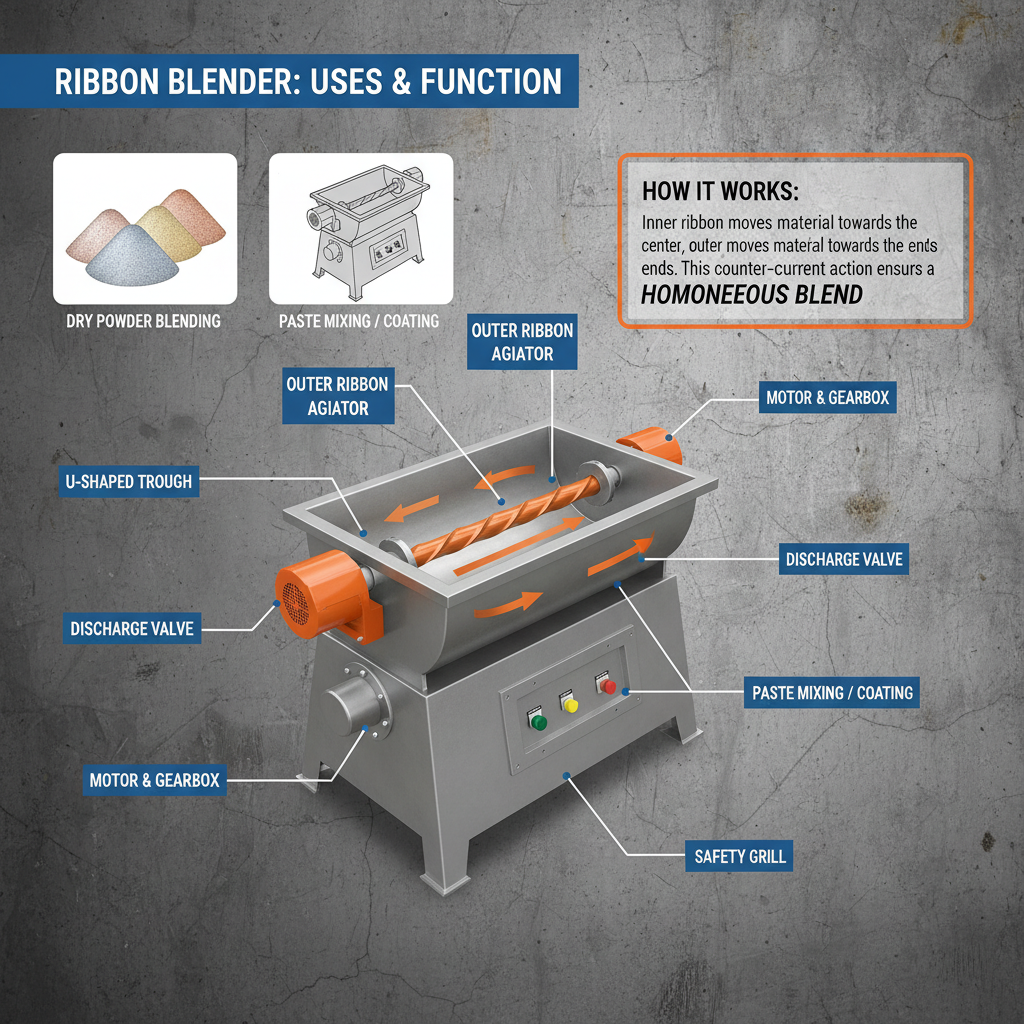
The fundamental principle behind a ribbon blender’s operation is its unique agitator design. The helical ribbons, typically constructed from stainless steel, rotate along the vessel's length. This design creates both radial and axial mixing. Radial mixing ensures thorough blending of ingredients across the diameter of the vessel, while axial mixing promotes movement along the length. This dual action results in a homogeneous mixture without causing significant shear, making ribbon blenders ideal for fragile materials. RS Soap Machine specializes in designing and manufacturing high-quality ribbon blenders tailored to diverse industrial needs.
Key Highlights: The helical ribbons create both radial and axial mixing, providing thorough blending without excessive shear. Suitable for a wide range of dry and semi-dry materials.
What Industries Utilize Ribbon Blenders?
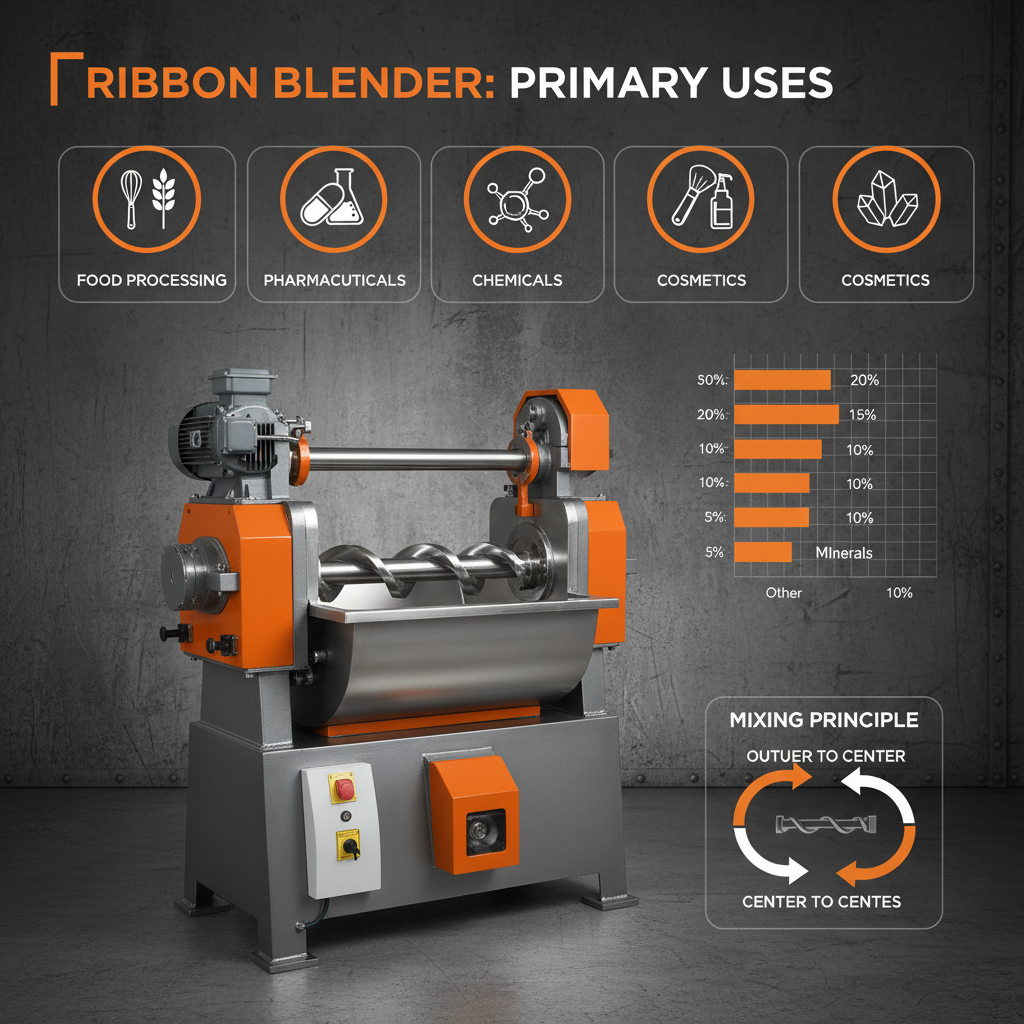
The versatility of ribbon blenders makes them a staple in many industries. These include the food industry (mixing dry food ingredients, seasoning blends), the pharmaceutical industry (blending powders for medication), the plastics industry (mixing additives and colorants), the cosmetics industry (creating consistent product formulations), the chemical industry (blending dry chemicals and powders), and the agricultural industry (mixing fertilizers and animal feed). The ability to handle a wide range of material densities and particle sizes contributes to their widespread adoption.
Industry Applications:
• Food Processing
• Pharmaceutical Manufacturing
• Plastics Compounding
• Chemical Production
Ribbon Blenders vs. Other Mixing Equipment: A Comparison
While several mixing technologies exist, ribbon blenders offer distinct advantages for specific applications. Compared to V-blenders, ribbon blenders generally offer faster mixing times and can handle larger batch sizes. Paddle mixers, while gentle, are less efficient at blending diverse particle sizes. Planetary mixers are excellent for viscous materials but are not ideal for dry blending. The choice depends on the specific materials, required homogeneity, and production volume.
Specific Applications: What Can You Blend with a Ribbon Blender?
The range of materials a ribbon blender can process is extensive. These include dry powders like flour, sugar, and coffee, granules like plastic pellets and fertilizer, and even semi-dry materials like paste-like adhesives and food seasonings. Specific examples include mixing animal feed ingredients, blending detergent powders, homogenizing cosmetic powders, and creating uniform paint batches. RS Soap Machine offers customized ribbon blender solutions to cater to these diverse application requirements.
Key Considerations When Choosing a Ribbon Blender
Selecting the appropriate ribbon blender involves considering several factors. These include the batch size required, the material characteristics (density, abrasiveness, moisture content), the desired mixing intensity, and the required level of cleanliness (stainless steel construction is crucial for food and pharmaceutical applications). Furthermore, factors like the drive system, discharge mechanism, and vessel material should align with your specific process requirements.
Conclusion: Optimizing Your Mixing Processes with Ribbon Blenders
The ribbon blender is an indispensable tool for a wide range of industries seeking efficient and homogeneous mixing solutions. Its versatility, reliability, and gentle mixing action make it a superior choice for handling diverse materials. Investing in a high-quality ribbon blender, like those offered by RS Soap Machine, can significantly enhance your production processes and product quality.
Frequently Asked Questions (FAQs)
What is the typical mixing time for a ribbon blender?
Mixing times vary depending on the material characteristics, batch size, and desired homogeneity. However, ribbon blenders generally achieve a thorough mix within 5-15 minutes. This is significantly faster than many other mixing technologies, particularly for larger batches. Factors like ribbon speed and design also impact mixing time. For optimal results, it's recommended to conduct mixing trials to determine the ideal cycle duration for your specific application.
Can ribbon blenders handle abrasive materials?
Yes, ribbon blenders can handle abrasive materials, provided the ribbons and vessel are constructed from durable materials like stainless steel or hardened alloys. However, abrasive materials will naturally cause wear and tear, requiring periodic inspection and potential replacement of the ribbons over time. RS Soap Machine offers abrasion-resistant ribbon designs for demanding applications.
What type of discharge systems are available for ribbon blenders?
Common discharge systems include bottom discharge (using a slide gate valve or a rotary valve), and top discharge (using a screw conveyor or pneumatic conveying). Bottom discharge is generally preferred for granular materials, while top discharge is suitable for powders. The choice depends on the material characteristics and the downstream processing requirements. RS Soap Machine offers customizable discharge options to meet specific needs.
Are ribbon blenders easy to clean?
Ribbon blenders with a smooth, polished interior, typically constructed from stainless steel, are relatively easy to clean. The U-shaped vessel design minimizes dead spots where materials can accumulate. However, thorough cleaning requires proper procedures and potentially clean-in-place (CIP) systems for more stringent hygiene requirements. RS Soap Machine offers ribbon blenders designed for easy cleaning and sanitation.