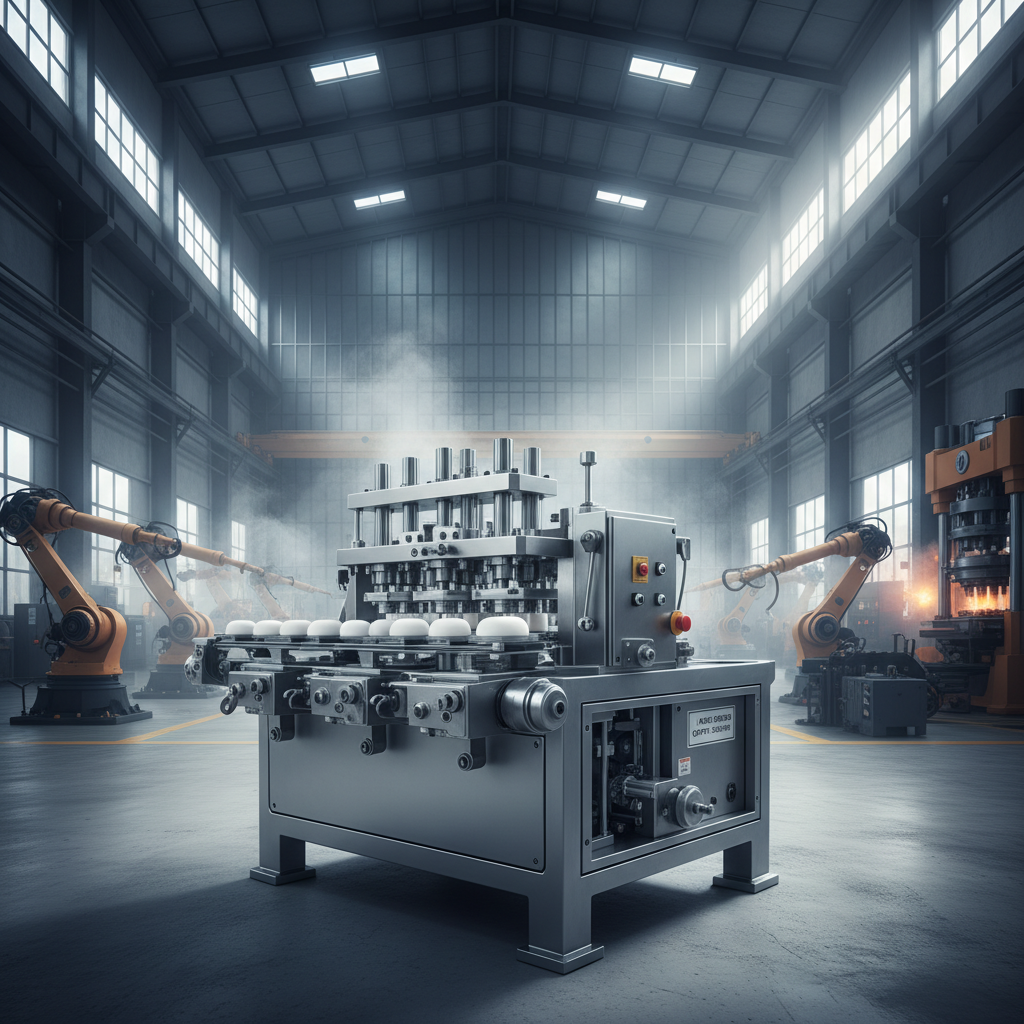
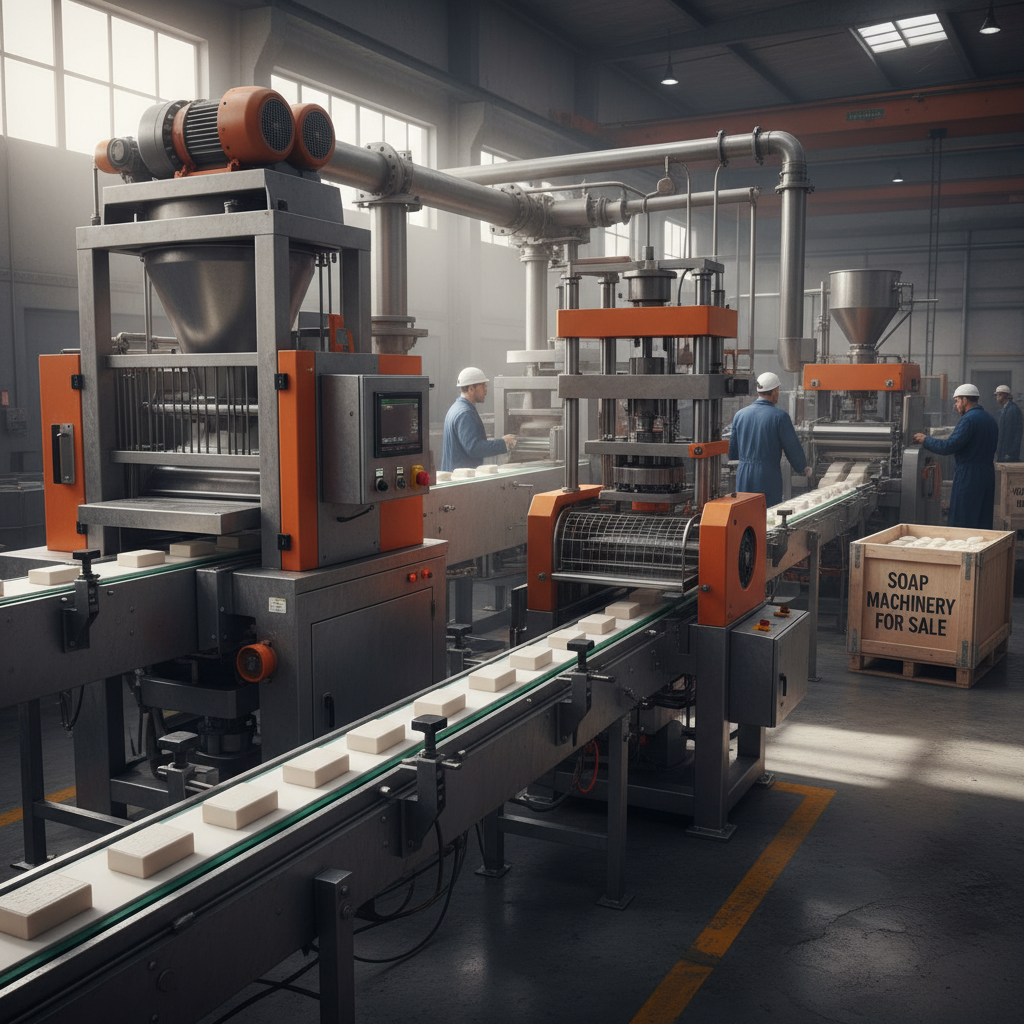
Starting a soap production venture requires more than just a recipe; it demands a strategic understanding of industrial chemistry and mechanical engineering. When entrepreneurs ask, what equipment do you need to make soap, they are essentially looking for a roadmap to bridge the gap between artisanal crafting and commercial viability. The right machinery not only ensures product consistency but also determines the scalability and safety of the entire operation.
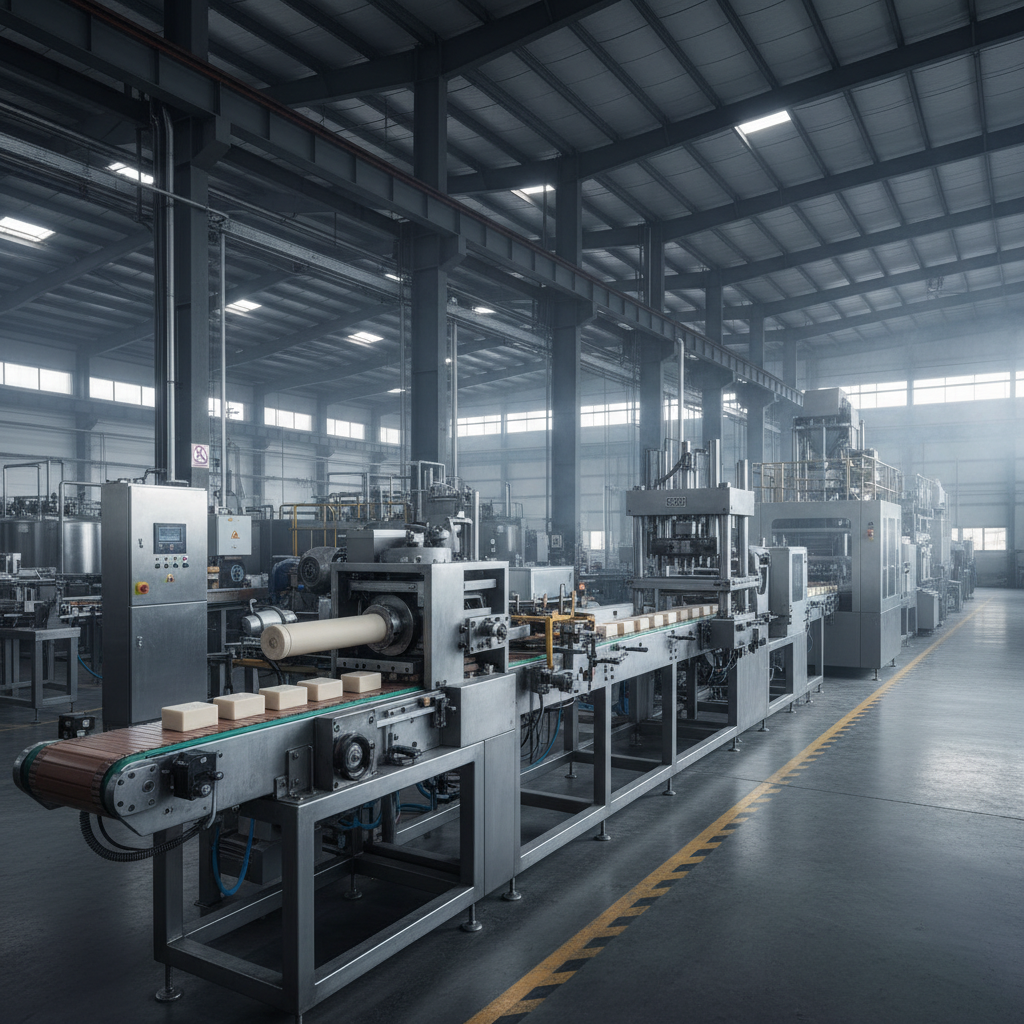
Globally, the demand for personal hygiene products has surged, pushing manufacturers to move away from manual labor toward automated Soap And Soap Molding Production Lines. Understanding the nuances of saponification—the chemical reaction between fats and an alkali—is critical, but the physical manifestation of that reaction depends entirely on the precision of your equipment. From mixing tanks to final stamping machines, each component plays a pivotal role in the quality of the final bar.
Whether you are aiming for luxury handcrafted bars or mass-market laundry soap, the answer to what equipment do you need to make soap varies based on your intended output. However, the core principles of mixing, refining, molding, and cutting remain constant. By investing in a Soap Granulation Production Line Equipment system, producers can achieve a level of purity and texture that is impossible to replicate by hand, ensuring a competitive edge in a crowded global market.
Global Demand and Industrial Context of Soap Machinery
The global hygiene market has seen a paradigm shift, with a renewed emphasis on sanitation driven by international health initiatives. According to WHO and UNICEF data, access to soap is a primary pillar of disease prevention, which has exponentially increased the industrial demand for efficient production. Consequently, the question of what equipment do you need to make soap has shifted from a domestic curiosity to a critical industrial inquiry for developing economies seeking to establish local supply chains.
In many regions, the challenge lies in transitioning from "cold process" artisanal methods to "hot process" industrial lines. This transition requires sophisticated Soap And Soap Molding Production Lines that can handle high volumes while maintaining strict ISO quality standards. By implementing automated systems, manufacturers can reduce waste, lower the cost per unit, and ensure that every bar of soap meets the chemical specifications required for skin safety and cleaning efficacy.
Defining the Essential Components of a Soap Production Line
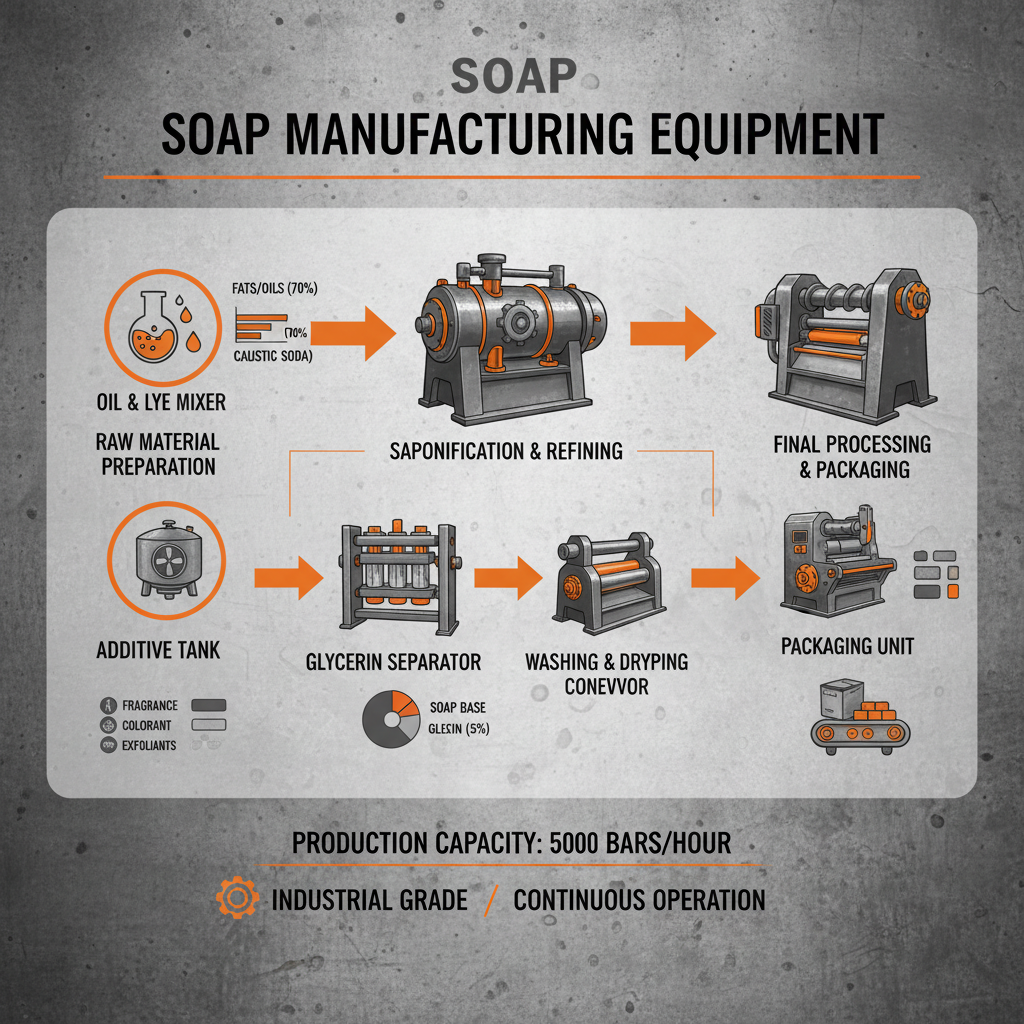
To truly answer what equipment do you need to make soap, one must look at the production flow as a series of critical stages: saponification, refining, mixing, and finishing. The process begins with the saponification kettle, where oils and lye are combined. For industrial scales, this is often a jacketed stainless steel vessel capable of precise temperature control, ensuring the chemical reaction is complete and the soap base is homogeneous.
Following the base creation, the refining and mixing stage is where the product's identity is formed. This is where Soap Granulation Production Line Equipment becomes essential. A plodder (vacuum extruder) is used to compress the soap noodles, removing air bubbles and creating a dense, smooth bar. Without a high-quality plodder, the soap would be porous and prone to cracking, significantly reducing its commercial value.
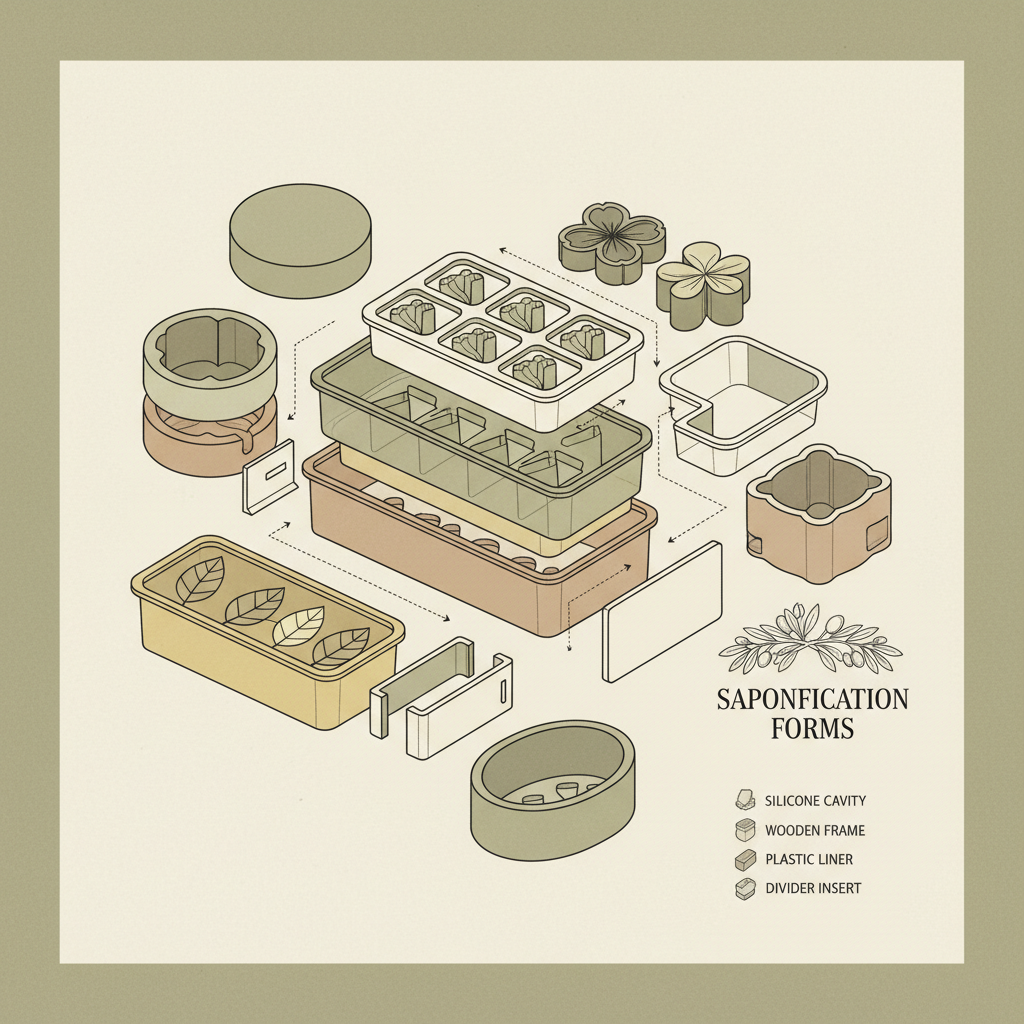
The final phase involves the molding and cutting equipment. Automated stamping machines and wire cutters ensure that each piece is uniform in weight and dimension. This precision is not just about aesthetics; it is about logistics and packaging. When you consider what equipment do you need to make soap, you must include the packaging machinery, which protects the product from moisture and oxidation, extending the shelf life for global export.
Key Factors for Selecting Soap Making Equipment
When evaluating what equipment do you need to make soap, the first priority is Material Durability. Since soap making involves caustic soda (sodium hydroxide), all contact parts must be made of high-grade stainless steel (such as SUS304 or SUS316). Lower-grade metals will corrode rapidly, contaminating the product and leading to frequent, costly equipment failures.
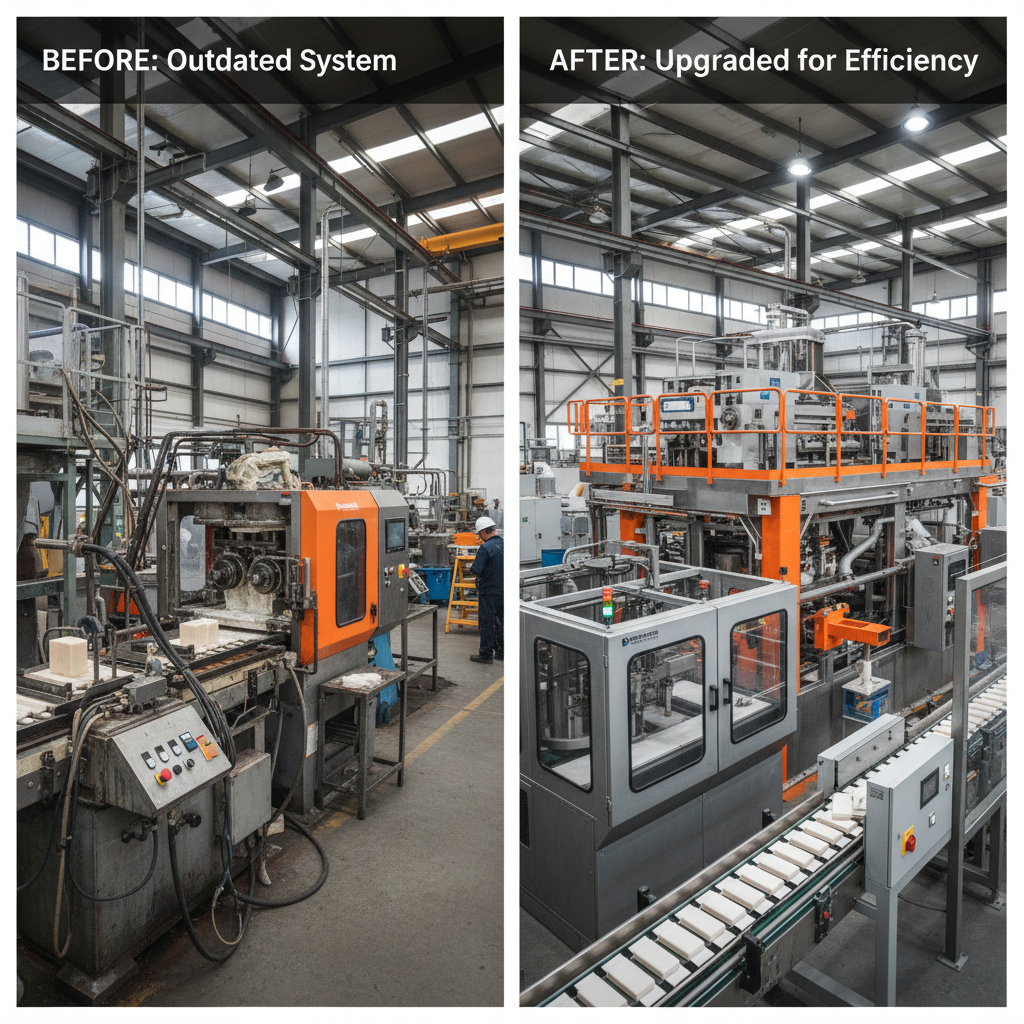
Scalability and Flexibility are equally important. A beginner might start with a small-batch mixer, but a growing business needs a modular Soap And Soap Molding Production Line. This allows the manufacturer to add more plodders or faster stamping machines as demand increases without having to redesign the entire factory layout or discard existing investments.
Finally, Energy Efficiency and Cost-Effectiveness must be balanced. Modern Soap Granulation Production Line Equipment incorporates variable frequency drives (VFDs) to optimize power consumption. When analyzing what equipment do you need to make soap, looking at the Total Cost of Ownership (TCO)—including energy and maintenance—is far more valuable than simply looking at the initial purchase price.
Global Applications and Regional Use Cases
The application of soap manufacturing equipment varies wildly by region. In Southeast Asia and Africa, there is a high demand for affordable laundry soaps. In these contexts, the focus is on high-capacity Soap Granulation Production Line Equipment that can process palm oil and tallow efficiently. These regions often utilize robust, simplified lines that prioritize output volume and durability over complex scent-infusion technologies.
Conversely, in European and North American markets, the trend has shifted toward "natural" and "organic" luxury soaps. This requires specialized equipment capable of handling delicate essential oils and botanical additives without degrading them through excessive heat. The focus here is on precision dosing systems and high-end molding equipment that can produce intricate designs, proving that what equipment do you need to make soap depends heavily on your target demographic.
Efficiency Comparison of Soap Production Methods
Long-Term Value and Economic Advantages
Investing in professional-grade Soap And Soap Molding Production Lines offers a tangible return on investment through the reduction of raw material waste. In manual production, a significant percentage of soap is lost during the cutting and trimming process. Automated equipment ensures millimetric precision, meaning nearly 100% of the soap base is converted into sellable product, which directly boosts the bottom line.
Beyond the financials, there is an emotional and brand-related value. Consistency builds trust. When a customer buys a bar of soap, they expect the same hardness, lather, and scent every time. High-quality Soap Granulation Production Line Equipment removes the "human error" factor, allowing brands to scale their operations globally while maintaining the same quality that made them successful in their local market.
Future Trends in Automation and Green Chemistry
The future of soap manufacturing is leaning heavily toward "Industry 4.0." We are seeing the integration of IoT (Internet of Things) sensors in mixing tanks to monitor pH levels and temperature in real-time. This means the answer to what equipment do you need to make soap will soon include smart controllers that can automatically adjust ingredient feeds to compensate for variations in raw material quality.
Sustainability is another driving force. New equipment is being designed to operate at lower temperatures to save energy and to handle biodegradable, plant-based surfactants more effectively. The industry is moving away from petroleum-based additives, requiring machinery that can maintain stability without traditional synthetic emulsifiers.
Furthermore, the rise of "micro-factories" is changing the landscape. Modular, compact Soap And Soap Molding Production Lines allow brands to produce soap closer to the end consumer, reducing transportation emissions. This decentralization is made possible by the miniaturization of heavy industrial equipment without sacrificing the output quality.
Overcoming Technical Challenges in Soap Manufacturing
One of the most common hurdles in soap production is "sweating" or glycerin exudation, where beads of moisture appear on the surface of the soap. This is often a result of improper refining. To solve this, manufacturers must incorporate vacuum plodders into their line, which remove air and ensure a tighter molecular structure, effectively solving the problem of surface moisture.
Another challenge is the consistency of soap noodles. If the granulation is uneven, the final bar will have streaks or "veins." Upgrading to advanced Soap Granulation Production Line Equipment ensures a uniform particle size, which is essential for a smooth finish. When considering what equipment do you need to make soap, the quality of the granulator is often the difference between a budget product and a premium one.
Lastly, the risk of chemical burns during the mixing phase is a serious safety concern. The solution lies in the implementation of closed-loop feeding systems. By automating the addition of lye via sealed pumps and pipes, the risk of human exposure is eliminated, creating a safer workplace and meeting international labor safety regulations.
Analysis of Soap Production Equipment Requirements by Scale
| Production Scale |
Primary Equipment Focus |
Quality Control Level |
Investment Risk |
| Artisanal/Small |
Manual Mixers & Molds |
Variable/Batch-based |
Low |
| Mid-Sized Boutique |
Semi-Auto Plodders |
Moderate/Standardized |
Medium |
| Industrial Plant |
Full Auto Molding Lines |
High/ISO Certified |
High |
| Specialty Chemical |
Granulation Equipment |
Ultra-High/Lab Tested |
Medium-High |
| Export Focused |
Vacuum Extruders & Packaging |
High/Global Standard |
Medium |
| Eco-Friendly Line |
Cold-Pressing Modules |
Moderate/Organic Cert |
Low-Medium |
FAQS
The vacuum plodder (extruder) is arguably the most critical. While mixing is essential, the plodder is what gives the soap its commercial structure, density, and smooth finish. Without a high-quality plodder, your soap will be too soft or contain air pockets, making it unsuitable for mass-market sale. When researching what equipment do you need to make soap, always prioritize the extruder for quality control.
Yes, and this is actually recommended for most startups. By investing in a modular Soap And Soap Molding Production Line, you can begin with a basic mixer and a semi-auto cutter. As your volume grows, you can integrate an automatic plodder and a high-speed stamping machine without replacing your entire infrastructure, reducing initial capital risk.
Absolutely. Soap production involves caustic chemicals that will eat through aluminum, copper, or low-grade carbon steel. Using SUS304 or SUS316 stainless steel is the only way to prevent corrosion and ensure that your soap remains uncontaminated. This is a non-negotiable aspect of what equipment do you need to make soap for any professional operation.
A molding line focuses on the final shape of the bar, typically using a plodder and a stamper. A Soap Granulation Production Line Equipment system focuses on creating "soap noodles" or granules from liquid soap. Granules are often sold as a raw material to other manufacturers or used as a base for high-end refined soaps.
Regular cleaning is paramount. Soap residue can harden and create friction in the plodder and cutter, leading to motor burnout. Daily rinsing of stainless steel surfaces and monthly lubrication of moving gears are essential. Furthermore, checking the vacuum seals on your extruder ensures that air doesn't leak in, maintaining product quality.
Yes. The saponification process, especially in hot-process lines, can release fumes and heat. Proper industrial ventilation and exhaust systems are required to ensure worker safety and to keep the environment dry, which prevents the finished soap bars from absorbing excess moisture from the air.
Conclusion
Determining what equipment do you need to make soap is a journey that begins with a clear business goal and ends with a precisely engineered production line. From the initial saponification in high-grade stainless steel tanks to the final precision cut of an automated stamper, every piece of machinery contributes to the final product's integrity. By balancing durability, scalability, and automation—particularly through the use of Soap And Soap Molding Production Lines and Soap Granulation Production Line Equipment—manufacturers can ensure they produce a product that is safe, consistent, and commercially competitive on a global scale.
Looking ahead, the integration of green chemistry and smart automation will redefine the industry. Those who invest in flexible, energy-efficient machinery today will be best positioned to adapt to the sustainable demands of tomorrow. Whether you are a boutique producer or an industrial giant, the quality of your equipment is the ultimate ceiling of your product's quality. For professional guidance and high-performance machinery, we invite you to explore our comprehensive solutions. Visit our website: www.rssoapmachinery.com