Understanding the Vacuum Ribbon Blender: A Comprehensive Guide
The vacuum ribbon blender is a versatile and efficient mixing solution widely used across various industries, including food processing, pharmaceuticals, cosmetics, and chemical production. This article provides an in-depth look at the principles of operation, applications, benefits, and key considerations when selecting a vacuum ribbon blender. We'll explore why it's a crucial piece of equipment for achieving homogenous mixtures with enhanced product quality and efficiency. Choosing the right blender can significantly impact your production process and final product characteristics.
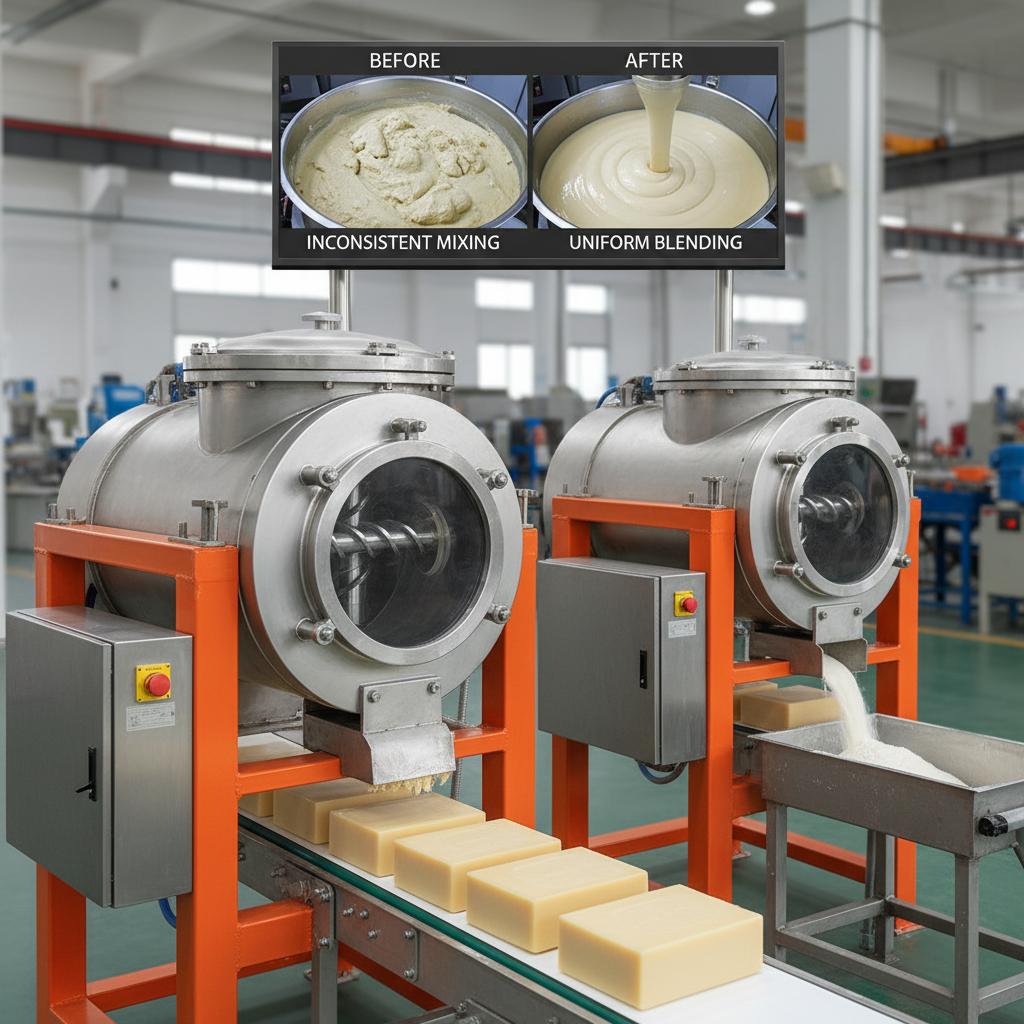
How Does a Vacuum Ribbon Blender Work?
A vacuum ribbon blender utilizes a series of horizontally oriented ribbons – typically made of stainless steel – to gently but effectively blend dry powders, granules, and pastes. The ribbons are configured in a helical pattern, creating a dual mixing action: radial flow (moving materials from the center outwards) and tangential flow (moving materials along the length of the vessel). The 'vacuum' aspect is crucial; by reducing the air pressure within the blender, it minimizes dust formation and prevents oxidation, especially important when dealing with sensitive ingredients. This results in a more consistent and homogenous mixture with improved product quality. RS Soap Machine specializes in designing and manufacturing high-performance vacuum ribbon blenders.
Key Highlights: The vacuum feature minimizes dust and oxidation, ensuring product purity and consistent mixing. Ribbons create a dual mixing action for efficient blending.
Applications of Vacuum Ribbon Blenders
Vacuum ribbon blenders are indispensable in numerous industries. In the food industry, they're used for mixing dry ingredients like spices, seasonings, and powdered milk. Pharmaceutical companies rely on them for blending powders prior to tablet compression. Cosmetic manufacturers use them for creating uniform mixtures of pigments, fillers, and active ingredients. Chemical industries employ them for blending solid reactants and additives. Essentially, any process requiring a gentle, homogenous mix of dry or semi-dry materials can benefit from a vacuum ribbon blender. The versatility and control offered by these machines make them a cornerstone of many production lines.
Application Areas:
• Food Processing (spices, seasonings)
• Pharmaceuticals (powder blends)
• Cosmetics (pigment mixtures)
• Chemical Industry (reactant blending)
Vacuum Ribbon Blender vs. Other Mixing Technologies
When considering mixing solutions, it's important to compare the vacuum ribbon blender to alternatives like V-blenders, planetary mixers, and tumble blenders. V-blenders are good for gentle mixing but can struggle with cohesive materials. Planetary mixers excel with viscous substances but aren't ideal for dry powders. Tumble blenders are cost-effective but offer less control and mixing efficiency. The vacuum ribbon blender provides a balance of gentle mixing, high efficiency, and the added benefit of vacuum operation for dust control and oxidation prevention.
Key Considerations When Choosing a Vacuum Ribbon Blender
Selecting the right vacuum ribbon blender requires careful consideration of several factors. Capacity is paramount – ensure the blender can accommodate your batch sizes. Material compatibility is crucial; stainless steel (typically 304 or 316) is the preferred material for most applications. The design of the ribbons (pitch, width, and angle) influences mixing efficiency. The vacuum system's effectiveness should be verified. Finally, consider the ease of cleaning and maintenance. RS Soap Machine offers customized solutions to meet your specific requirements.
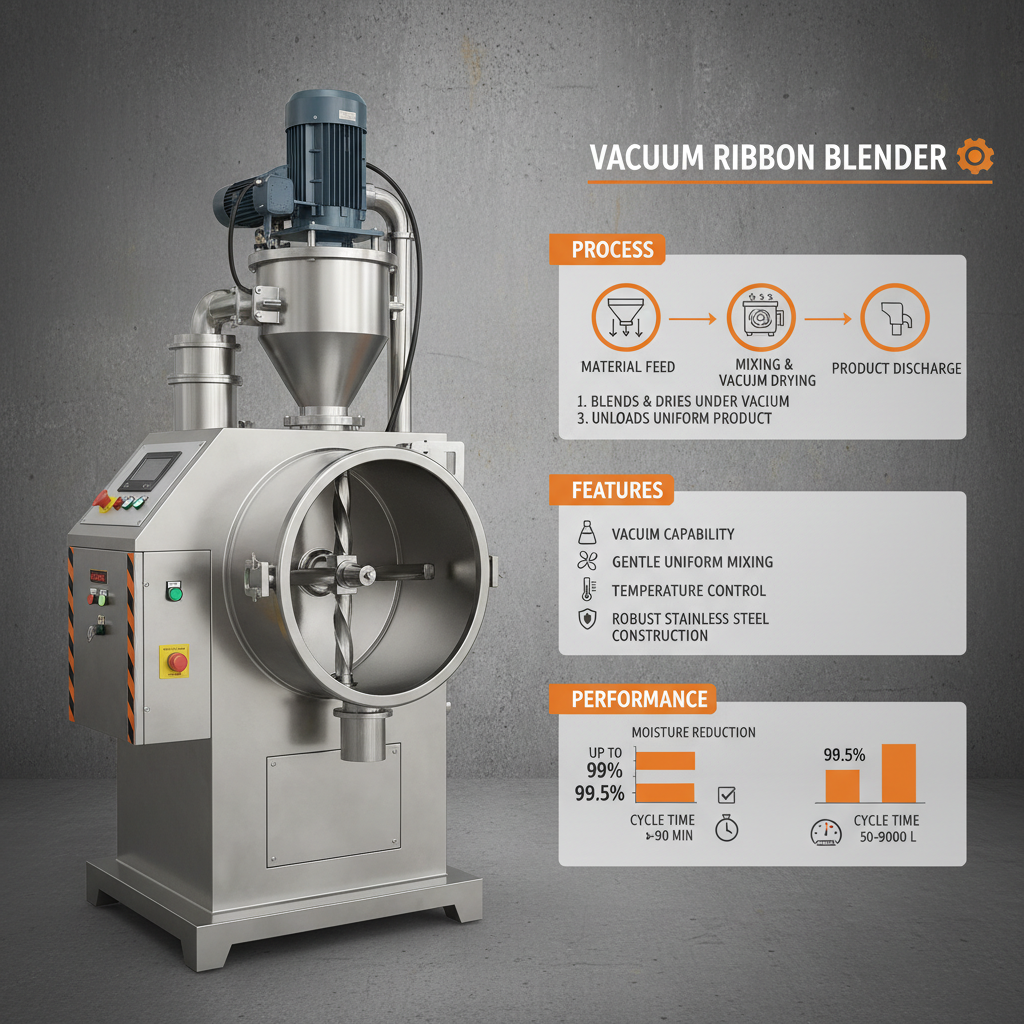
Technical Specifications & Benefits
The performance of a vacuum ribbon blender is defined by its technical specifications. These include vessel volume (ranging from small laboratory units to large industrial sizes), motor power, ribbon speed, and vacuum level. A robust construction with high-quality materials ensures long-term reliability and minimizes downtime. Benefits include improved product homogeneity, reduced dust exposure, prevention of oxidation, and enhanced overall process efficiency.
Conclusion: Elevate Your Mixing Process with a Vacuum Ribbon Blender
Investing in a vacuum ribbon blender from a reputable manufacturer like RS Soap Machine is a strategic move for any business seeking to improve product quality, enhance efficiency, and maintain a safe working environment. By understanding the principles of operation, applications, and key considerations, you can select the perfect blender to meet your specific needs.
Frequently Asked Questions (FAQs)
What types of materials can be effectively blended in a vacuum ribbon blender?
Vacuum ribbon blenders are remarkably versatile, capable of handling a wide array of materials. They excel with dry powders (like flours, sugars, and pharmaceutical ingredients), granules, pastes, and even some cohesive materials. The gentle mixing action prevents degradation of fragile ingredients, while the vacuum feature inhibits oxidation and moisture absorption. However, extremely viscous or abrasive materials might require a different type of blender. For specifics related to your materials, consult with an expert at RS Soap Machine.
How important is the vacuum function?
The vacuum function is critical in many applications. It effectively removes air from the blending vessel, minimizing dust formation – which is crucial for worker safety and product purity. It also prevents oxidation, preserving the quality and potency of sensitive ingredients. Furthermore, the vacuum can aid in de-aeration, improving the flowability of the final product. For applications involving powders prone to oxidation or requiring a dust-free environment, the vacuum function is indispensable.
What maintenance is required for a vacuum ribbon blender?
Regular maintenance is essential for ensuring optimal performance and longevity. This includes routine cleaning of the vessel and ribbons to prevent buildup, inspection of seals and gaskets for leaks, and lubrication of moving parts. It’s also important to check the vacuum pump and filters regularly. RS Soap Machine provides detailed maintenance manuals and offers comprehensive support services to help you keep your blender in top condition.
What safety features are typically included in a vacuum ribbon blender?
Safety is paramount in the design of vacuum ribbon blenders. Common features include safety interlocks to prevent operation with open access doors, emergency stop buttons, and overload protection for the motor. The vacuum system is also equipped with safety valves to prevent over-pressurization. RS Soap Machine adheres to stringent safety standards in the manufacturing of all its blenders.