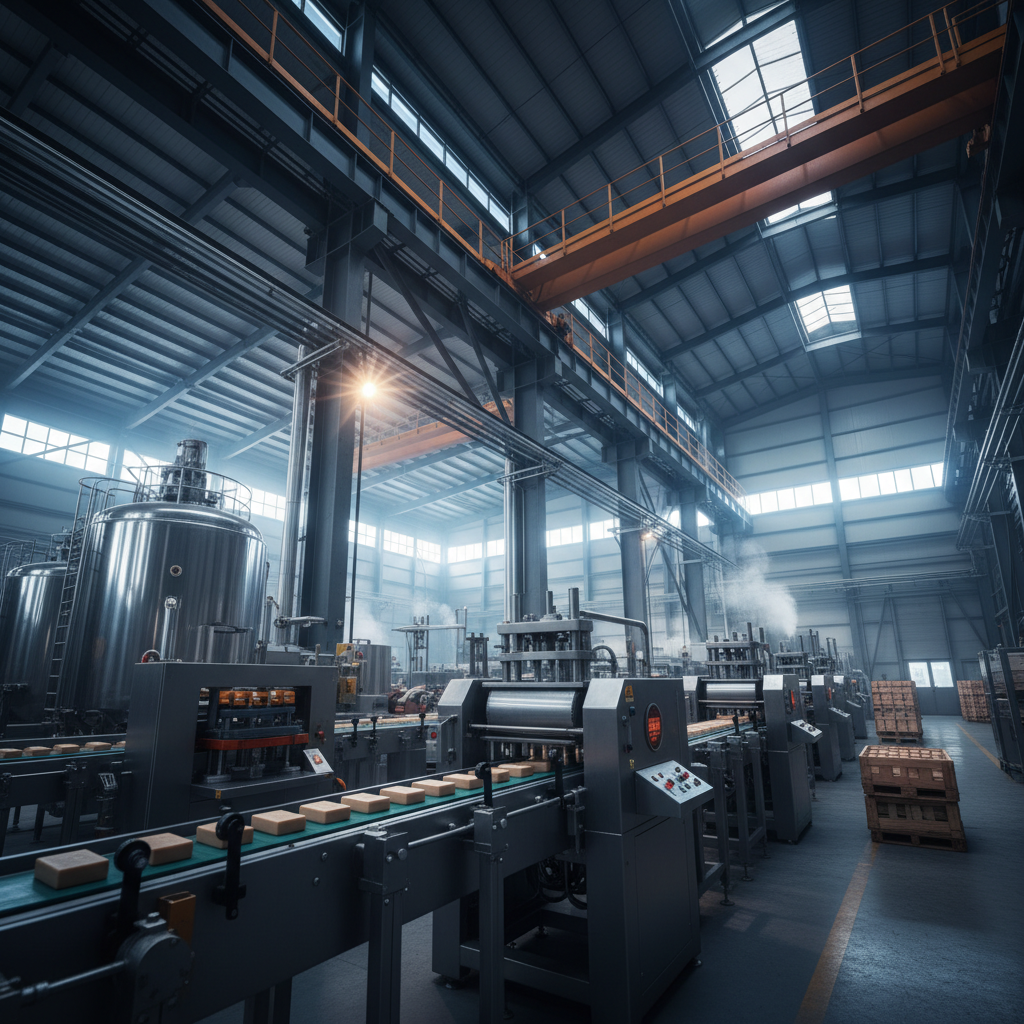
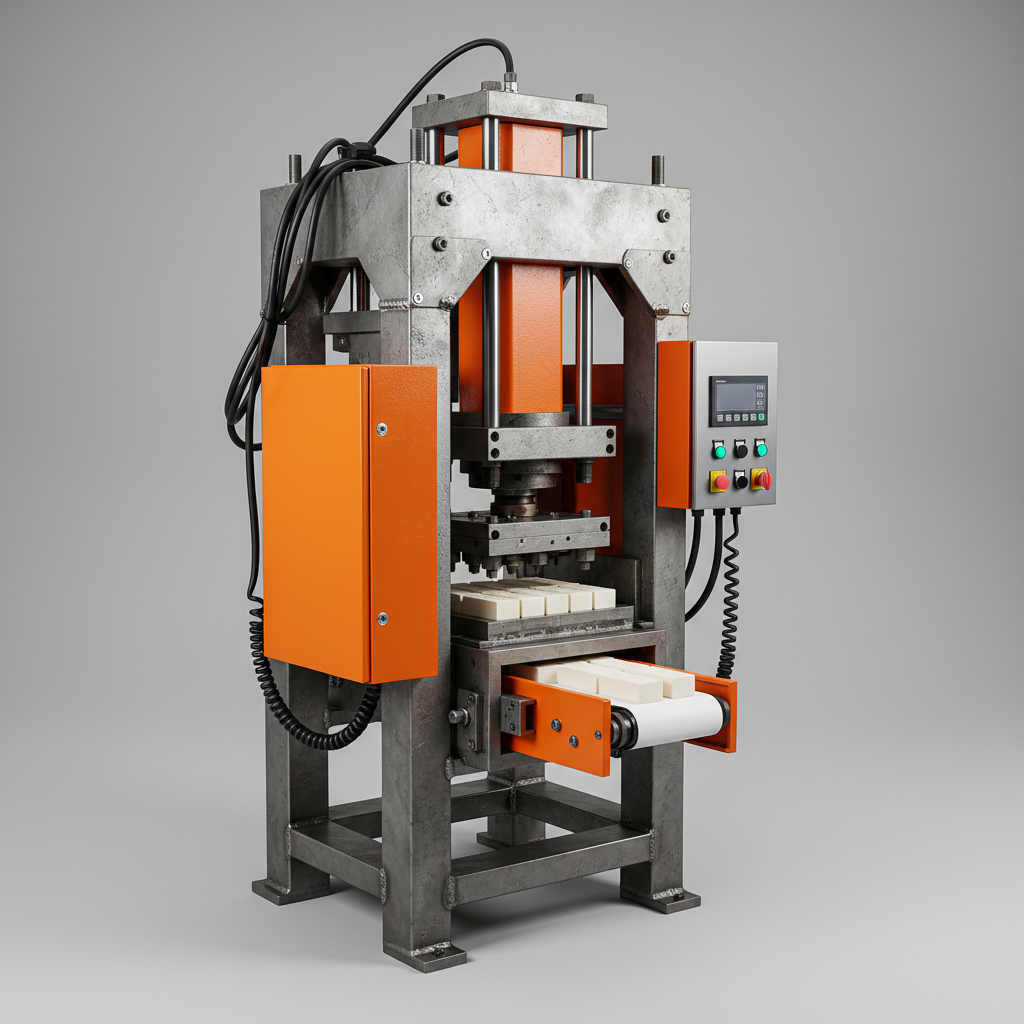
The global soap making industry is experiencing significant growth, driven by increasing hygiene awareness, expanding populations, and a rising demand for customized soap products. Soap making machine suppliers play a crucial role in enabling this growth, providing the technology and equipment necessary for efficient and scalable production. From small artisanal businesses to large-scale industrial manufacturers, access to reliable and innovative machinery is paramount. Understanding the landscape of these suppliers—their capabilities, technologies, and geographical presence—is essential for anyone involved in the soap manufacturing process.
The demand for soap extends beyond everyday personal hygiene; it’s vital for public health initiatives, disaster relief, and sanitation programs, particularly in developing countries. Soap making machine suppliers directly impact the accessibility and affordability of this essential commodity. Recent global events have further highlighted the importance of readily available soap and the need for robust and resilient supply chains. Furthermore, the industry is witnessing a shift towards sustainable and eco-friendly soap production, creating opportunities for suppliers offering green technologies and solutions.
Investing in the right soap making machinery from reputable suppliers can result in significant operational advantages. These advantages include increased production capacity, reduced labor costs, improved product quality, and the ability to meet evolving market demands. Selecting a supplier isn’t just about acquiring equipment; it’s about establishing a long-term partnership built on trust, technical support, and a shared commitment to innovation. Therefore, a careful assessment of potential suppliers is a critical step for success in the soap making industry.
The Importance of Soap Making Machine Suppliers
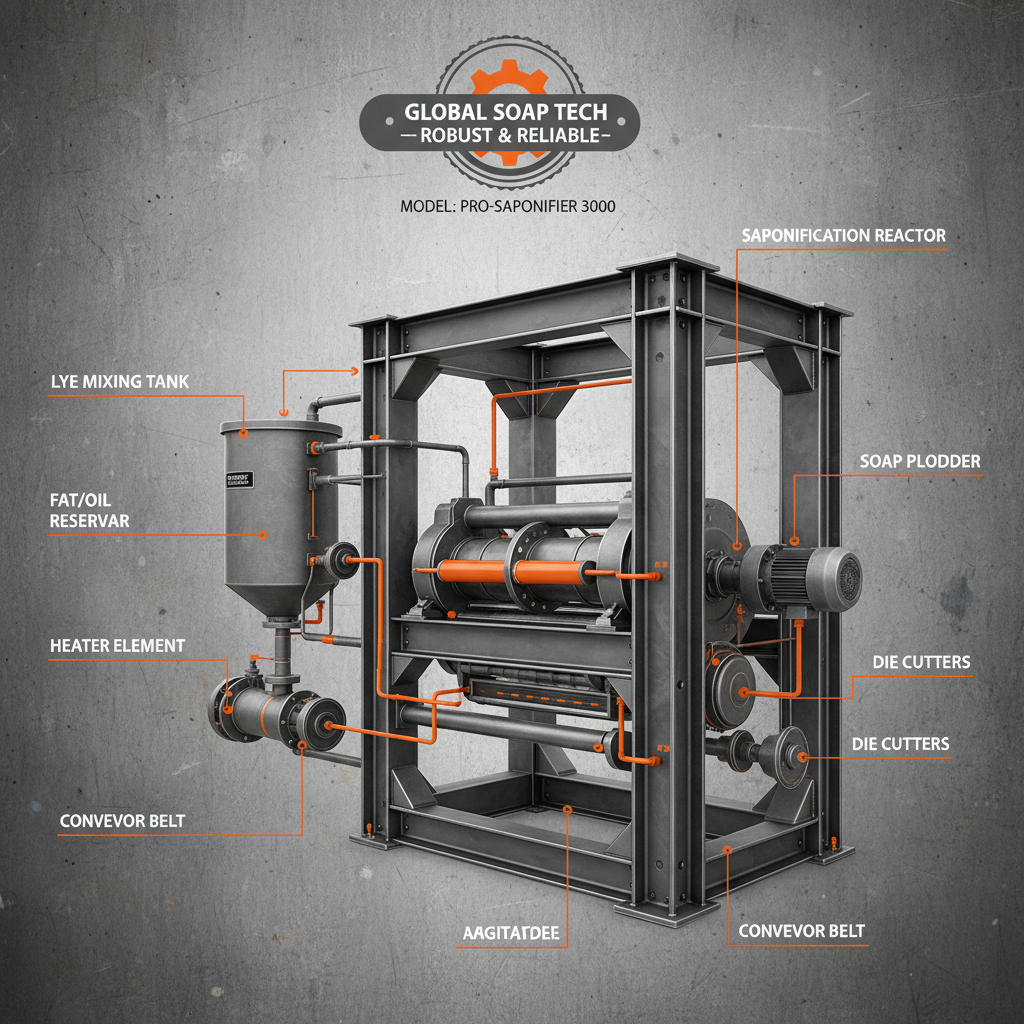
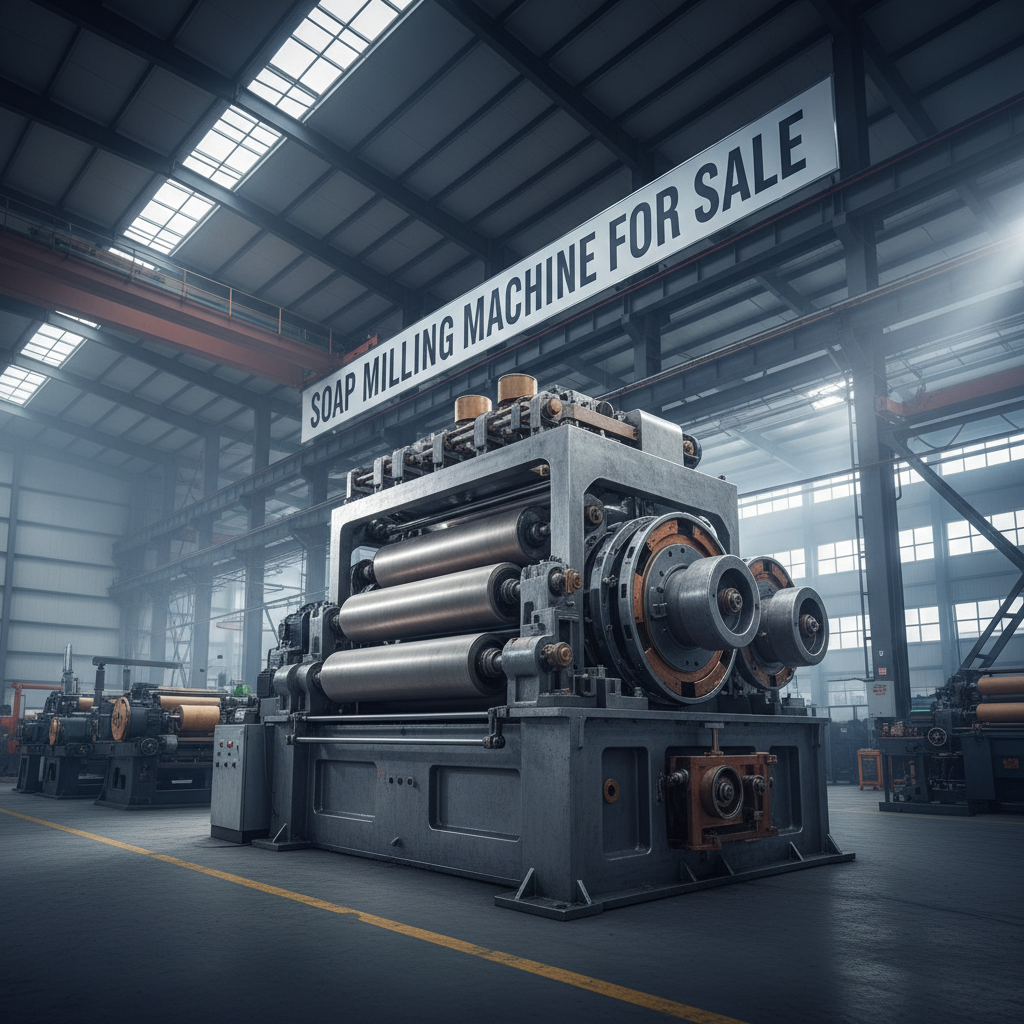
The quality and efficiency of soap production are intrinsically linked to the capabilities of the machinery employed, making soap making machine suppliers critical partners in the industry. These suppliers provide a range of equipment, from simple mixing tanks and cutting machines to fully automated production lines, catering to diverse needs and production scales. Without reliable access to this technology, businesses would struggle to meet demand and maintain competitive pricing.
Moreover, suppliers often offer valuable support services such as installation, training, and maintenance, ensuring optimal performance and longevity of the equipment. They also play a role in driving innovation, developing new technologies that enhance productivity, reduce waste, and improve product quality. A strong relationship with a reputable supplier can provide a significant competitive advantage in the market.
Defining Soap Making Machine Suppliers
Soap making machine suppliers are companies specializing in the design, manufacture, and distribution of equipment used in the production of various types of soap – including bar soap, liquid soap, and specialty soaps. These suppliers can range from large, multinational corporations to smaller, specialized businesses focusing on niche markets. They typically offer a comprehensive portfolio of machines covering all stages of the soap making process, from raw material handling and mixing to molding, cutting, packaging, and quality control.
The role of these suppliers extends beyond simply selling equipment. They often provide customized solutions tailored to specific client requirements, considering factors such as production capacity, product type, and budgetary constraints. Many suppliers also offer technical support, installation services, operator training, and ongoing maintenance to ensure the smooth and efficient operation of their machines.
In essence, soap making machine suppliers are essential enablers of the soap industry, facilitating the efficient and scalable production of this essential hygiene product. Their expertise and technology contribute significantly to meeting global demand for soap while maintaining product quality and safety standards.
Key Factors When Choosing Suppliers
When selecting soap making machine suppliers, several key factors should be carefully considered. Durability is paramount; the machinery must withstand continuous operation in demanding environments. Look for suppliers using high-quality materials and robust construction techniques. Scalability is another crucial aspect. The equipment should be adaptable to future growth and changing production needs, allowing for easy expansion or modification.
Cost Efficiency is a significant concern for most businesses. This isn't just about the initial purchase price, but also considers long-term operating costs, energy consumption, maintenance requirements, and potential downtime. Suppliers offering energy-efficient machines and comprehensive maintenance plans can contribute to significant cost savings. Technical Support and Reputation are further critical elements. Choose suppliers with a proven track record of reliability, responsiveness, and readily available technical assistance. Finally, Customization options - The ability to modify equipment to meet specific needs can be a major benefit.
Compliance with industry standards is non-negotiable. Suppliers should adhere to relevant safety regulations (ISO certifications, CE markings, etc.) to ensure product quality and worker safety. A supplier’s ability to provide documentation and certifications demonstrating compliance is vital. Moreover, understanding the supplier's commitment to sustainable manufacturing practices and offering eco-friendly solutions is increasingly important for businesses looking to reduce their environmental footprint.
Global Applications & Industry Impact
Soap making machine suppliers serve a diverse range of industries and applications globally. In developed countries, they cater to large-scale manufacturers producing branded soaps for consumer markets. In developing nations, these suppliers often provide essential equipment for small-scale entrepreneurs and community-based soap production initiatives, contributing to local economic development and improved sanitation.
The demand for their products is also strong within the hospitality industry (hotels, resorts), healthcare sector (hospitals, clinics), and the industrial cleaning market. In post-disaster relief operations, portable and rapid-deployment soap making machines from specific suppliers are invaluable in providing essential hygiene supplies to affected populations.
Furthermore, in remote industrial zones where access to commercially produced soap is limited, local soap manufacturing facilitated by these suppliers can address critical hygiene needs for workers and communities. The impact extends beyond hygiene, creating employment opportunities and fostering self-sufficiency.
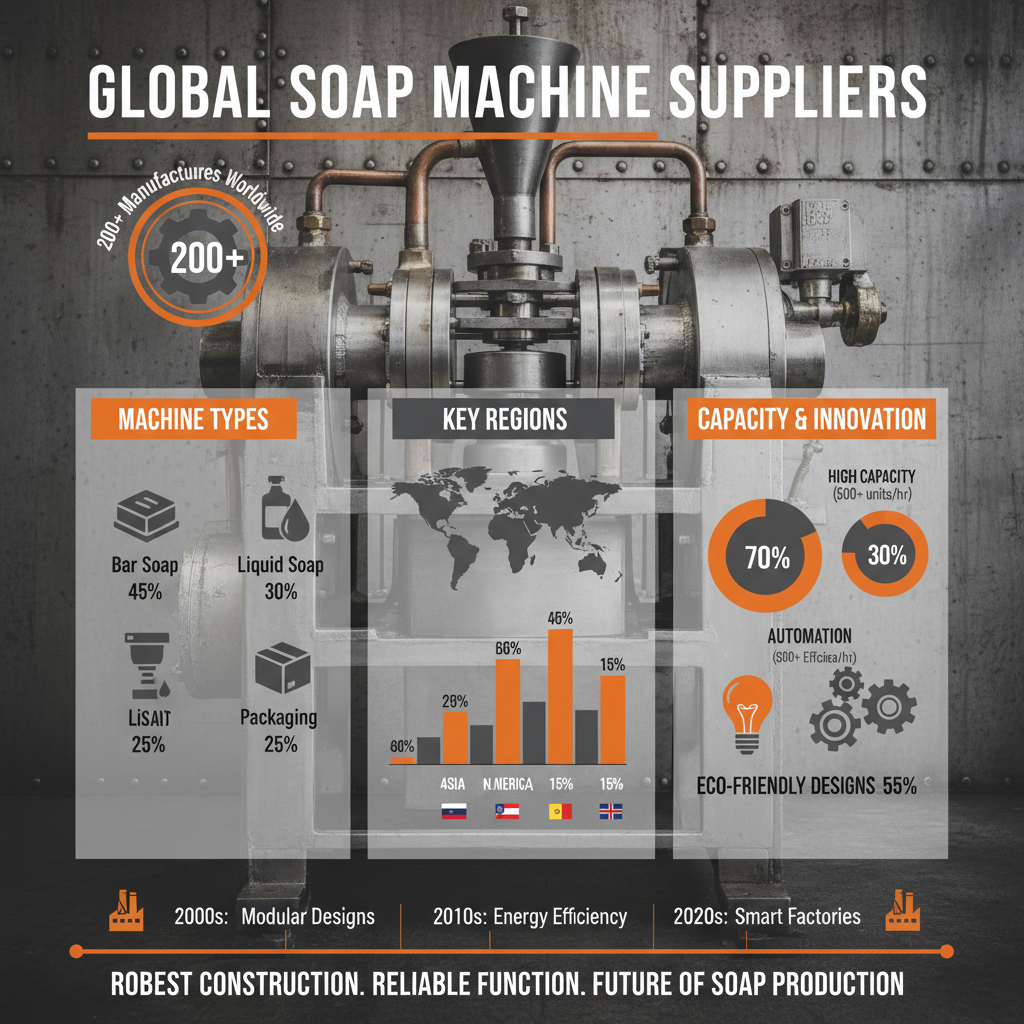
Soap Making Machine Supplier Performance Metrics
Advantages and Long-Term Value
Investing in quality soap making machinery from reliable suppliers delivers substantial advantages. Tangible benefits include reduced production costs through increased efficiency and automation, improved product consistency and quality, and a greater ability to respond to fluctuating market demands. Sustainability is also a key advantage, with modern machines designed to minimize waste and energy consumption.
However, the long-term value extends beyond mere financial gains. The reliable production of safe and effective soap contributes to public health and well-being, fostering trust and brand reputation. Furthermore, the adoption of innovative technologies can enhance operational safety, protect workers, and promote a more responsible approach to manufacturing.
Future Trends in Soap Making Technology
The soap making industry is on the cusp of significant technological advancements. Automation and robotics are increasingly being integrated into production lines, leading to greater efficiency, precision, and reduced labor costs. The development of “smart” machines with real-time monitoring and data analytics capabilities will allow for proactive maintenance, optimized performance, and improved quality control.
Green technologies, such as energy-efficient motors, water recycling systems, and bio-based raw material processing, are gaining traction as manufacturers prioritize sustainability. Digital transformation is also playing a key role, with cloud-based platforms enabling remote monitoring, collaborative design, and streamlined supply chain management.
Challenges and Solutions for Soap Makers
Soap makers face challenges such as fluctuating raw material prices, stringent quality control requirements, and increasing competition. Suppliers can help address these challenges by offering innovative solutions such as modular machinery that can be easily adapted to different formulations and production volumes. Providing comprehensive training programs and proactive technical support can also empower soap makers to optimize their operations and minimize downtime.
Another challenge is the need for greater sustainability. Suppliers are responding by developing machines that are more energy-efficient, generate less waste, and can process alternative, bio-based raw materials. Collaboration between suppliers and soap makers is essential to overcome these hurdles and drive innovation within the industry.
Finally, ensuring compliance with evolving regulations regarding ingredient safety and environmental impact requires ongoing vigilance. Suppliers can provide guidance on best practices and offer equipment designed to meet the latest standards, mitigating risk and ensuring long-term operational viability.
Key Considerations for Evaluating Soap Making Machine Suppliers
| Supplier Experience & Reputation |
Technical Capabilities & Innovation |
After-Sales Support & Service |
Pricing & Value Proposition |
| Years in Business |
Automation Technology |
Response Time to Inquiries |
Initial Equipment Cost |
| Client Testimonials & Case Studies |
Customization Options |
Availability of Spare Parts |
Long-Term Operating Costs |
| Industry Certifications (ISO, CE) |
R&D Investment |
On-site Installation Services |
Financing Options |
| Geographical Reach & Logistics |
Integration with Existing Systems |
Remote Diagnostics & Support |
Warranty Coverage |
| Financial Stability of Supplier |
Software & Control Systems |
Training Programs for Operators |
Resale Value of Equipment |
| Supply Chain Transparency |
Compliance with Safety Standards |
Preventive Maintenance Contracts |
Return on Investment (ROI) Potential |
FAQS
The decision depends largely on your production volume, budget, and labor availability. Fully automated machines require a higher initial investment but offer increased efficiency, reduced labor costs, and consistent product quality. Semi-automated machines are more affordable and suitable for smaller-scale production, but they require more manual labor. Carefully analyze your operational needs and long-term goals to determine the best fit. Reputable soap making machine suppliers can offer guidance on this assessment.
Reputable suppliers provide comprehensive after-sales support, including installation and commissioning services, operator training, preventative maintenance programs, and readily available spare parts. They should also offer remote diagnostic support and rapid response times for troubleshooting and repairs. A strong supplier will prioritize minimizing downtime and ensuring the long-term reliability of your equipment.
Ensure the machine carries relevant certifications like CE marking (Europe) or adheres to ISO standards. Ask the supplier for documentation proving compliance with safety regulations specific to your region. Verify that the machine incorporates safety features like emergency stop buttons, safety guards, and appropriate electrical grounding. A responsible supplier will prioritize safety in their design and manufacturing processes.
Lead times can vary significantly depending on the machine’s complexity, customization requirements, and the supplier's production schedule. Generally, standard machines may have a lead time of 4-8 weeks, while customized machines can take 12 weeks or longer. Confirm the lead time with the supplier before placing an order and factor it into your production planning.
Common payment terms include a percentage upfront as a deposit (typically 30-50%), followed by installments during the manufacturing process and a final payment upon delivery and commissioning. Suppliers may also offer financing options or letters of credit. Negotiate payment terms that align with your budget and cash flow.
Request energy consumption data from the supplier for each machine under consideration. Look for machines equipped with energy-efficient motors, insulation, and optimized heating systems. Consider the machine’s overall energy footprint, including auxiliary equipment like pumps and conveyors. A supplier committed to sustainability will readily provide this information.
Conclusion
Soap making machine suppliers are foundational to a global industry vital for public health and economic development. The right equipment, coupled with reliable support and a commitment to innovation, empowers businesses of all sizes to produce high-quality soap efficiently and sustainably. Factors such as durability, scalability, cost-efficiency, and adherence to safety standards should be paramount in supplier selection.
Looking ahead, the industry is poised for further advancements in automation, green technologies, and digital integration. By partnering with forward-thinking soap making machine suppliers, manufacturers can embrace these trends, optimize their operations, and contribute to a cleaner, healthier future. For more information and to explore our range of solutions, visit our website: soap making machine suppliers.