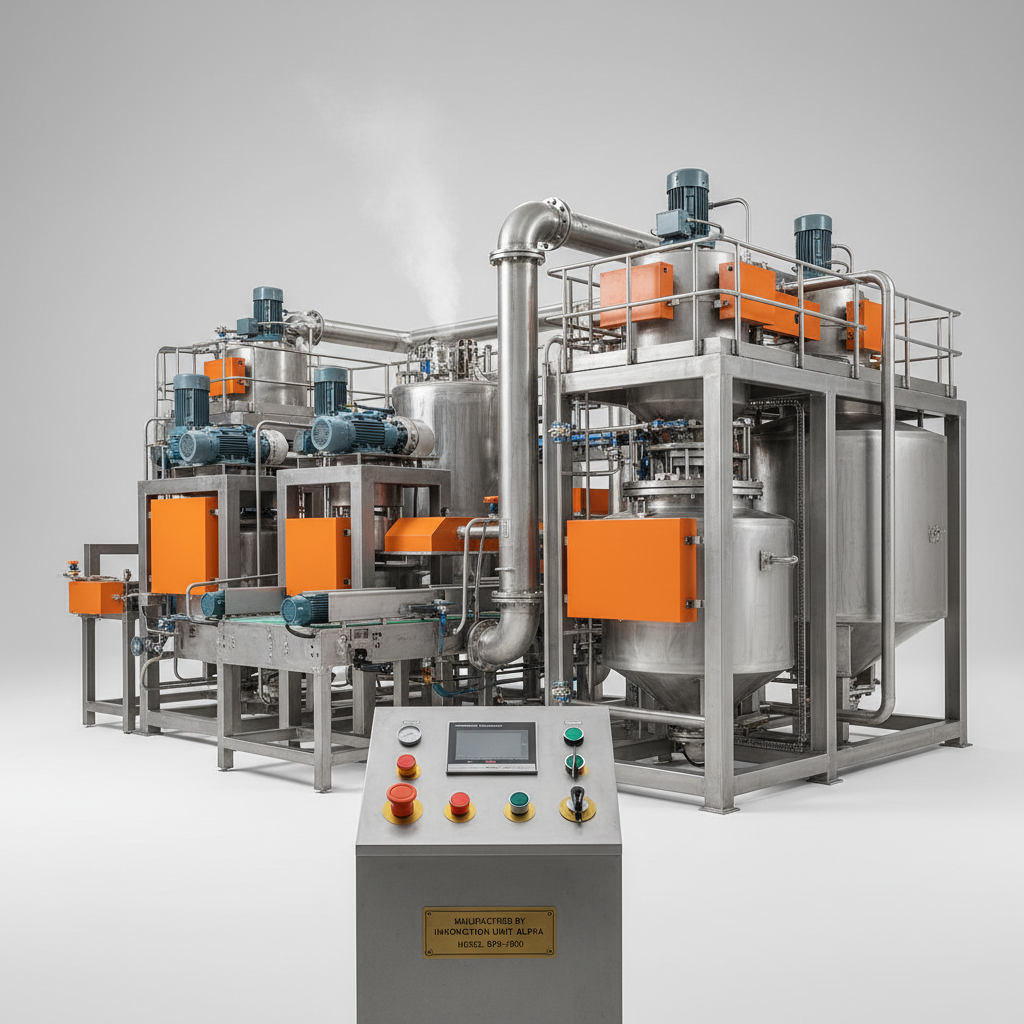
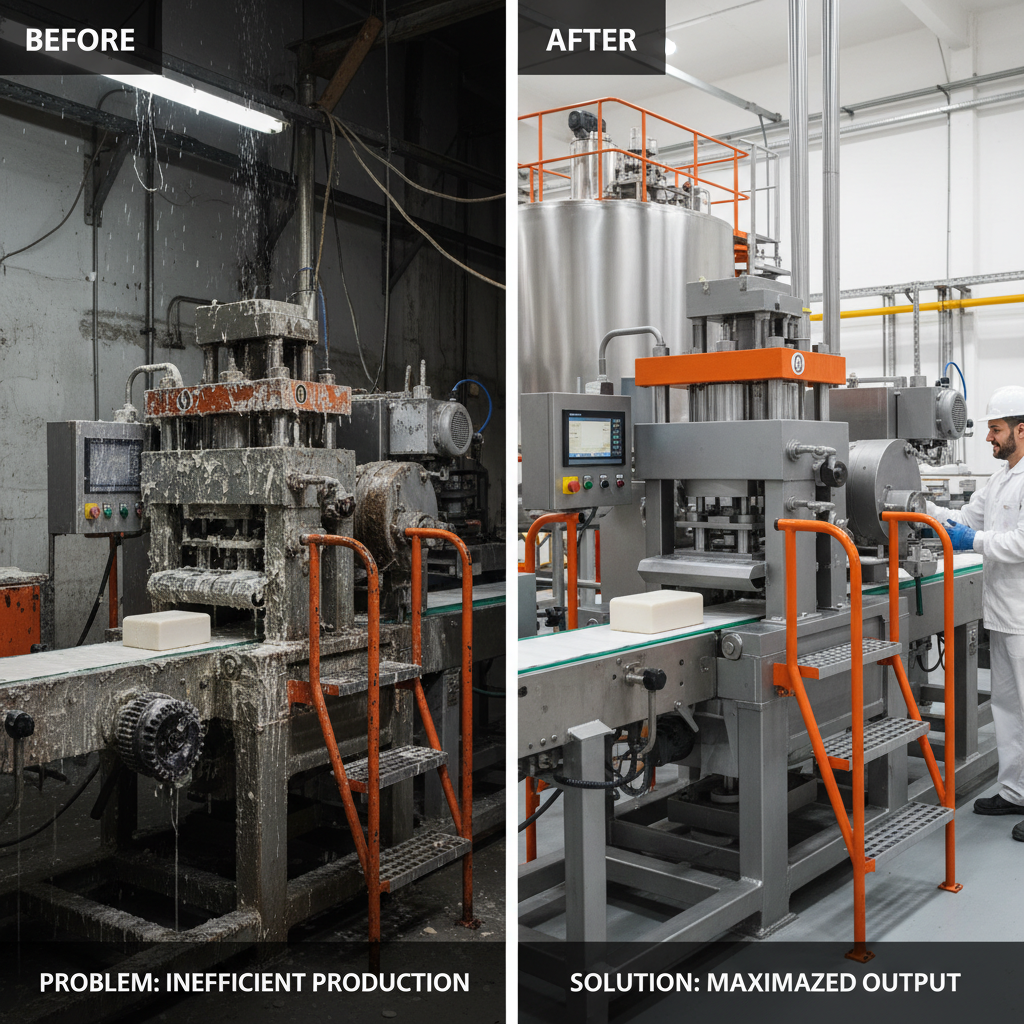
The global soap making industry is experiencing robust growth, driven by increasing hygiene awareness, particularly in developing nations. Understanding the soap making plant cost is crucial for entrepreneurs, investors, and humanitarian organizations alike. A well-planned investment in soap manufacturing infrastructure can lead to significant economic benefits, improved public health outcomes, and sustainable development. Accurate cost assessment is the cornerstone of any successful soap production venture.
The demand for soap, both industrial and artisanal, continues to rise worldwide. Factors such as population growth, urbanization, and a growing emphasis on personal and environmental hygiene are fueling this demand. Consequently, the soap making plant cost is a critical consideration for businesses seeking to capitalize on this expanding market. Effective cost management directly impacts profitability and competitive advantage.
Beyond commercial applications, the ability to establish local soap production facilities is vital in emergency response and disaster relief scenarios. Having readily available, locally produced soap is essential for preventing the spread of disease and maintaining sanitation in challenging conditions. Therefore, the affordability and efficiency represented by a realistic soap making plant cost are paramount to saving lives and restoring communities.
Introduction to soap making plant cost
Understanding the factors that contribute to soap making plant cost is essential for successful project planning. Costs can vary dramatically depending on the scale of production, the level of automation, and the geographical location of the plant. A comprehensive cost analysis should include equipment, construction, raw materials, labor, and ongoing operational expenses.
Initial investment in the plant and ongoing expenses will directly impact the profitability of soap making businesses. Accurate cost estimation will facilitate efficient financial planning, enabling businesses to make informed decisions, secure funding, and achieve optimal return on investment. The goal is not just to minimize cost but to maximize value and sustainability.
Defining Soap Making Plant Cost
Soap making plant cost encompasses all expenses associated with establishing and operating a facility dedicated to the production of soap. This includes capital expenditures like land acquisition, building construction or renovation, and the purchase of machinery and equipment. It also includes recurring operational costs such as raw material procurement, labor, utilities, maintenance, and quality control.
The definition extends beyond simply the monetary value; it encompasses a Total Cost of Ownership (TCO) perspective. TCO considers not only the initial investment but also the long-term expenses of running the plant, including potential downtime, energy consumption, and waste management. A holistic view of soap making plant cost is essential for making sound investment decisions.
In modern industry and humanitarian contexts, cost-effectiveness is paramount. The ability to produce high-quality soap at a competitive price is vital for market success and for providing affordable hygiene products to communities in need. Therefore, a precise understanding of the soap making plant cost is fundamental to achieving both economic viability and social impact.
Key Components Influencing Cost
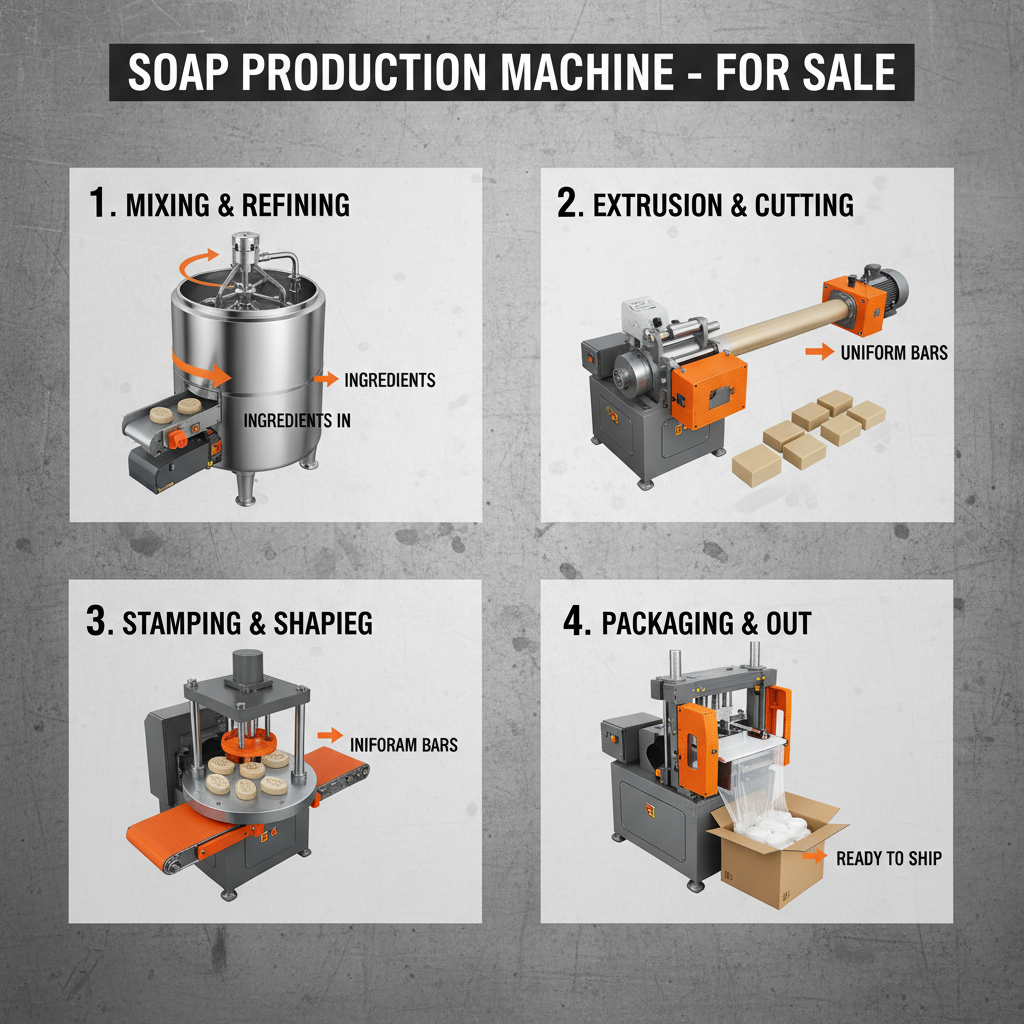
Several core components significantly impact the overall soap making plant cost. The choice of production process—batch, continuous, or semi-continuous—is a major determinant, influencing equipment requirements and labor needs. The degree of automation employed, from manual processes to fully automated systems, directly affects both capital investment and operational efficiency.
Raw material costs, encompassing oils, fats, alkalis, and additives, constitute a substantial portion of the total expense. Sourcing strategies, supplier relationships, and the quality of raw materials all play a crucial role. Additionally, regulatory compliance, including environmental permits and safety certifications, adds to the overall financial burden.
The scale of production is another crucial factor. A small-scale artisanal plant will have significantly lower costs than a large-scale industrial facility. Finally, location, including land costs, labor rates, and transportation expenses, contributes to the final soap making plant cost.
Global Applications and Industry Sectors
Soap making plants are deployed across diverse geographical regions and industries. In developed nations, plants often focus on specialized soap products, such as organic, natural, or luxury soaps, catering to niche markets. Developing countries see a greater emphasis on producing affordable, basic soaps for mass consumption, addressing fundamental hygiene needs.
The fast-moving consumer goods (FMCG) sector is a major driver of demand for soap making plants. Large multinational corporations operate extensive facilities to supply global markets. Additionally, small and medium-sized enterprises (SMEs) play a vital role, producing artisanal soaps and serving local communities. In post-disaster relief operations, rapidly deployable, mobile soap making plants can provide crucial sanitation solutions.
Humanitarian organizations rely on establishing localized soap production units in areas affected by conflict, natural disasters, or poverty. This fosters self-sufficiency and provides sustainable access to essential hygiene products. Remote industrial zones often benefit from local soap manufacturing facilities, reducing transportation costs and supporting economic development.
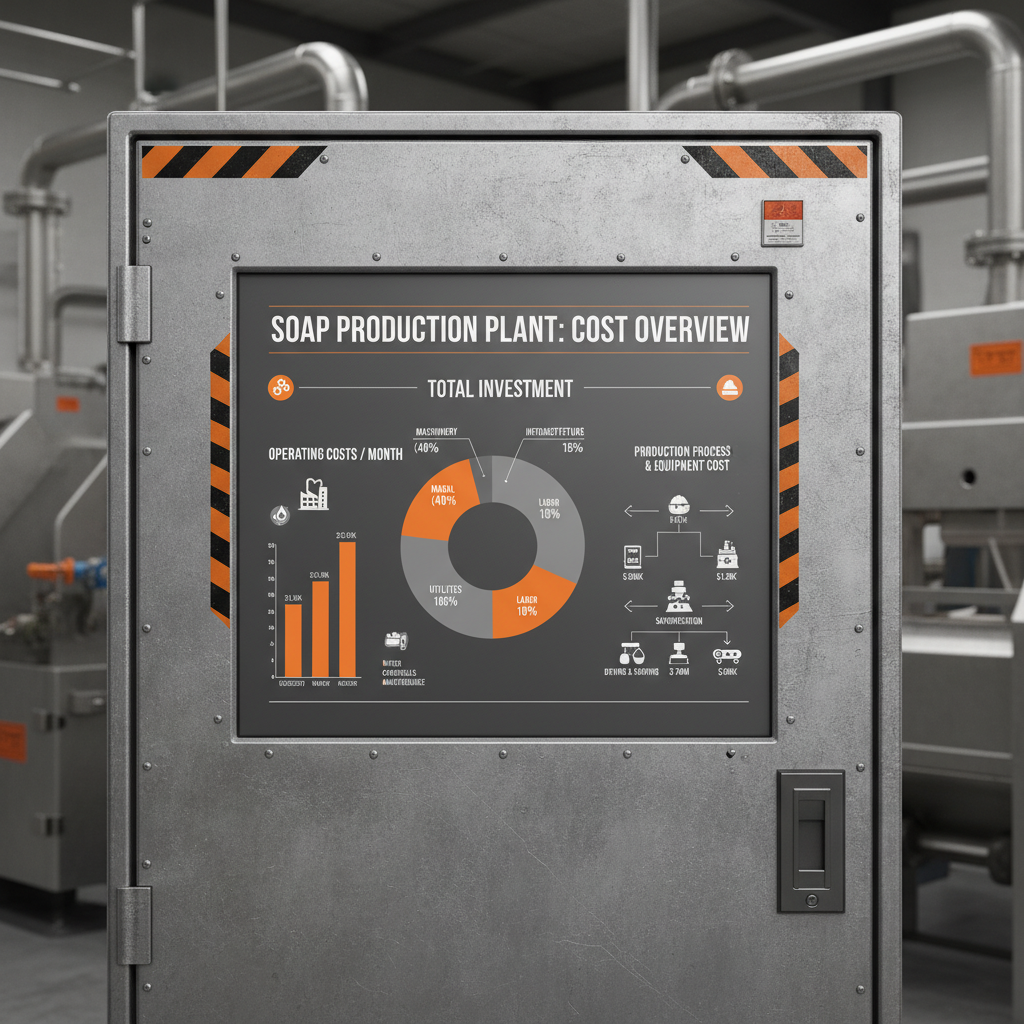
Cost Breakdown of soap making plant cost
Advantages and Long-Term Value Proposition
Investing in a strategically planned soap making plant offers numerous advantages. Cost savings through economies of scale, efficient production processes, and optimized raw material sourcing can significantly enhance profitability. Sustainable practices, such as waste reduction and energy efficiency, not only reduce operating expenses but also improve environmental responsibility.
Establishing local production capabilities fosters economic growth, creates employment opportunities, and reduces reliance on imports. The provision of affordable, high-quality soap contributes to improved public health and hygiene standards, particularly in underserved communities. Building a reputation for quality and reliability fosters consumer trust and brand loyalty, translating into long-term success.
Future Trends in Soap Manufacturing
The soap making industry is undergoing a period of rapid innovation. The integration of digital technologies, such as IoT sensors and data analytics, is enabling real-time monitoring of production processes, predictive maintenance, and optimized resource allocation. Automation and robotics are streamlining operations, reducing labor costs, and enhancing product consistency.
There’s a growing emphasis on sustainable practices, including the use of renewable energy sources, biodegradable packaging, and ethically sourced raw materials. The demand for customized and personalized soap products is driving the development of flexible manufacturing systems. Green chemistry principles are being applied to create eco-friendly soap formulations with reduced environmental impact.
Challenges and Cost Optimization Strategies
Despite the opportunities, establishing and operating a soap making plant presents several challenges. Fluctuating raw material prices, stringent regulatory requirements, and intense competition can impact profitability. Maintaining consistent product quality and ensuring effective quality control are essential for meeting consumer expectations.
Cost optimization strategies include negotiating favorable contracts with suppliers, investing in energy-efficient equipment, implementing lean manufacturing principles, and streamlining supply chain logistics. Leveraging government incentives and tax breaks can further reduce the soap making plant cost. Continuous monitoring of key performance indicators (KPIs) is crucial for identifying areas for improvement and maximizing efficiency.
Overview of Cost Optimization Strategies for soap making plant cost
| Strategy Category |
Implementation Focus |
Potential Cost Reduction (%) |
Complexity of Implementation (1-5) |
| Raw Material Sourcing |
Direct sourcing, long-term contracts, bulk purchasing |
5-10 |
3 |
| Energy Efficiency |
LED lighting, insulation, efficient machinery |
3-7 |
2 |
| Waste Management |
Recycling, byproduct utilization, waste reduction |
2-5 |
4 |
| Automation |
Automated mixing, filling, and packaging systems |
8-15 |
5 |
| Process Optimization |
Lean manufacturing, Six Sigma methodologies |
4-8 |
4 |
| Inventory Management |
Just-in-time inventory, demand forecasting |
2-6 |
3 |
FAQS
The major upfront costs typically include land acquisition or building rental, construction or renovation expenses, the purchase of soap making machinery (reactors, mixers, filling lines, packaging equipment), installation costs, and initial raw material procurement. Don't forget costs associated with permits, licenses, and safety certifications. A comprehensive feasibility study is crucial for accurately estimating these expenses and ensuring a realistic budget. Considering potential unforeseen expenses is also essential to keep your soap making plant cost within budget.
The scale of production has a significant impact on soap making plant cost. Larger-scale plants benefit from economies of scale, reducing per-unit production costs due to bulk purchasing of raw materials and more efficient utilization of machinery. However, larger plants also require a greater initial investment and higher ongoing operational expenses. Small-scale plants have lower upfront costs but may experience higher per-unit production costs.
Typical operating costs include raw material costs, labor expenses (including wages and benefits), utility bills (electricity, water, gas), maintenance and repair costs, quality control expenses, packaging materials, and transportation costs. Proper cost accounting and budgeting are essential for managing these expenses effectively and maximizing profitability. These expenses contribute to the total soap making plant cost over its lifetime.
Automation can significantly reduce soap making plant cost by minimizing labor requirements, increasing production efficiency, and improving product consistency. Automated mixing, filling, and packaging systems reduce the risk of errors and waste, leading to lower per-unit production costs. However, the initial investment in automation equipment can be substantial.
Minimizing raw material costs involves strategic sourcing, negotiating favorable contracts with suppliers, exploring alternative raw material options, and implementing efficient inventory management practices. Building strong relationships with reliable suppliers is crucial. Considering sustainable and locally sourced raw materials can also reduce costs and enhance your brand's environmental profile. Careful planning is necessary to manage the soap making plant cost related to raw materials.
Location is a crucial factor impacting soap making plant cost. Land costs, labor rates, transportation expenses, and access to raw materials vary significantly by location. Proximity to target markets can reduce transportation costs and improve delivery times. Consider factors such as infrastructure availability, regulatory environment, and tax incentives when selecting a location for your soap making plant.
Conclusion
In conclusion, understanding the multifaceted aspects of soap making plant cost is paramount for success in this dynamic industry. From initial investment to ongoing operational expenses, careful planning, strategic sourcing, and embracing technological advancements are essential for optimizing profitability and sustainability. A thorough analysis of these elements will enable businesses to navigate the complexities of soap manufacturing effectively.
Looking ahead, the industry is poised for further innovation, driven by increasing demand for sustainable products and efficient manufacturing processes. Investing in automation, embracing green chemistry principles, and prioritizing responsible sourcing will be key to long-term success. For detailed cost estimates and tailored solutions, visit our website at www.rssoapmachinery.com.