0%

Table of Contents

The global demand for hygiene products, driven by increasing health awareness and population growth, fuels a significant market for soap manufacturing. Soap making machine manufacturers play a crucial role in meeting this demand, offering solutions ranging from small-scale artisanal production to large-scale industrial output. Understanding the intricacies of these manufacturers – their capabilities, technologies, and the factors influencing their success – is essential for businesses, organizations, and governments alike.

The soap making industry isn't simply about cleanliness; it’s inextricably linked to public health, economic development, and even disaster relief. Reliable and efficient soap production is vital in preventing the spread of disease, particularly in developing nations. Soap making machine manufacturers are therefore often key partners in humanitarian efforts and sustainable development projects.

Investing in quality soap making machinery translates to improved product consistency, increased production capacity, and reduced operational costs. This makes selecting the right manufacturer a strategic decision with long-term implications for any organization involved in soap production. The rise of automation and eco-friendly technologies within this field further emphasizes the importance of staying informed about the latest advancements.
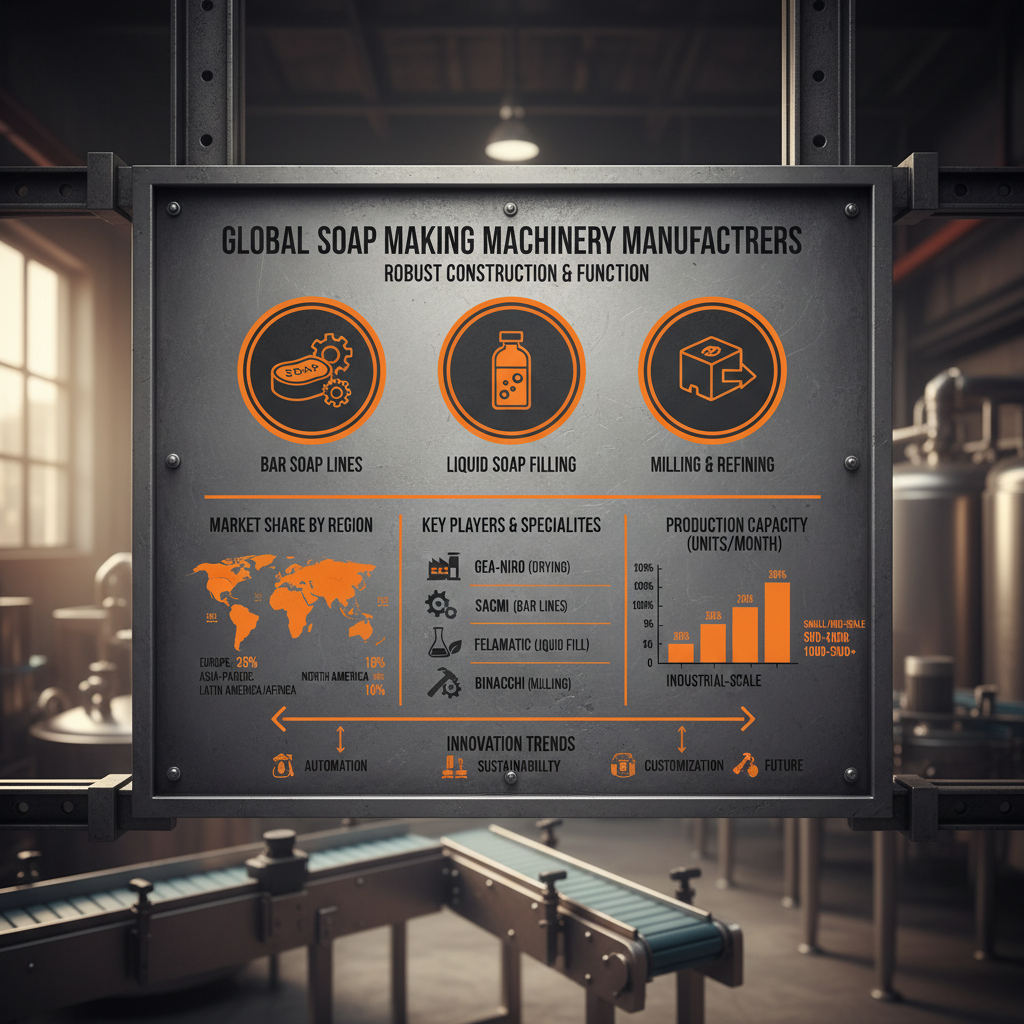
Leading Soap Making Machine Manufacturers Driving Hygiene and Production Efficiency

The Importance of Soap Making Machine Manufacturers

Leading Soap Making Machine Manufacturers Driving Hygiene and Production Efficiency

Soap making machine manufacturers are pivotal in the production of a fundamental hygiene product essential for global health. Their role extends beyond simply creating the machines; they are integral to ensuring consistent product quality, efficient production processes, and the ability to meet diverse market demands.

The impact of these manufacturers is felt across numerous sectors, from large-scale commercial soap producers to small, artisanal businesses and even humanitarian organizations involved in disaster relief. A reliable supply of soap is a cornerstone of disease prevention, and quality machinery is critical to maintaining that supply.

Defining Soap Making Machine Manufacturers

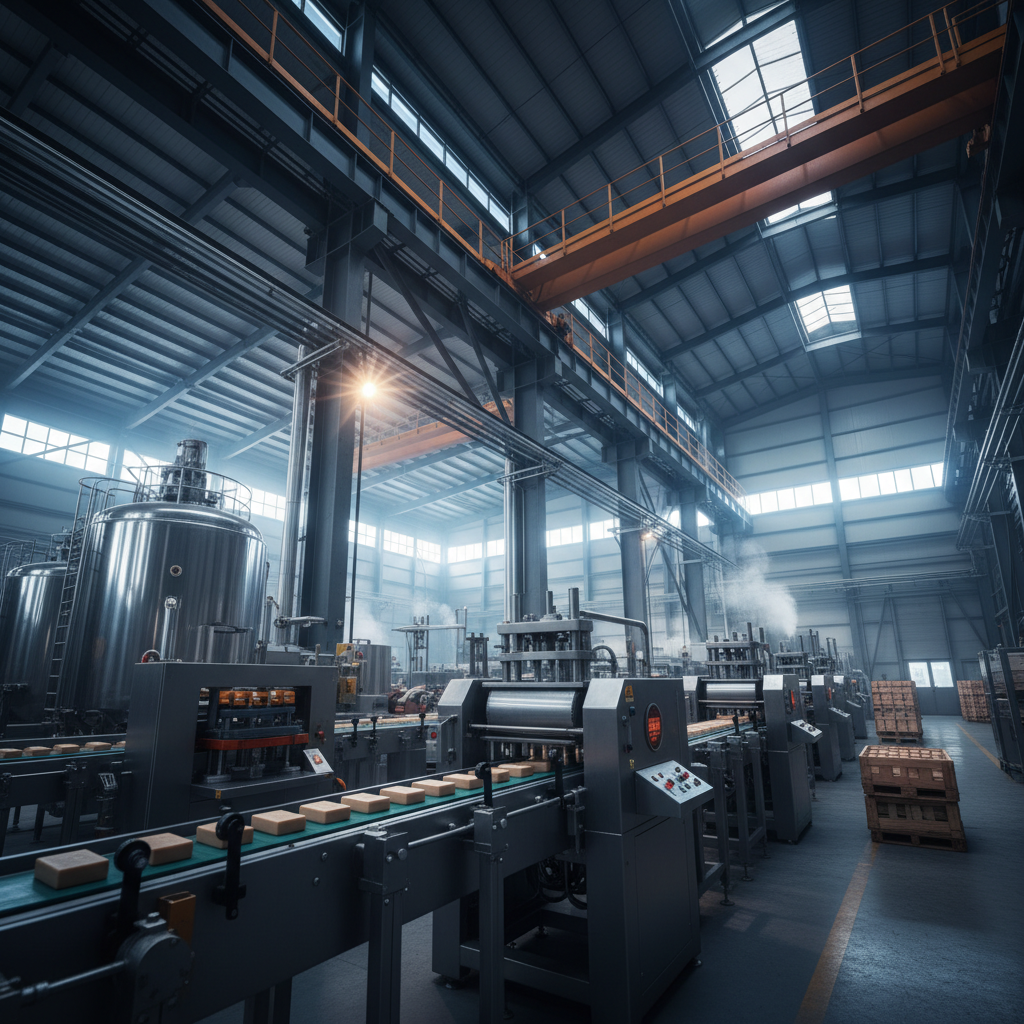
Soap making machine manufacturers are companies specializing in the design, fabrication, and distribution of equipment used to produce soap. This equipment can range from simple hand-operated mixers to fully automated production lines capable of producing thousands of bars of soap per hour. They cater to a wide spectrum of clients, tailoring solutions based on production volume, soap type (liquid, bar, powder), and budget.

These manufacturers aren’t just metal fabricators; they often incorporate engineering expertise, automation technology, and process optimization into their products. Modern soap making machine manufacturers often provide comprehensive services, including installation, training, maintenance, and ongoing support to their customers.

The connection to modern industry and humanitarian needs is direct. Efficient soap production supports public health initiatives, provides economic opportunities, and assists in emergency response situations where hygiene is paramount. The development of sophisticated machinery has made large-scale, consistent soap production feasible, improving access to this essential commodity worldwide.

Key Factors to Consider When Choosing Manufacturers

Selecting the right soap making machine manufacturer requires careful consideration of several factors. Durability is paramount, as the equipment will be subject to continuous operation and potentially harsh chemical environments. Machines constructed from high-quality stainless steel and other corrosion-resistant materials are essential for longevity and reduced maintenance.

Scalability is another critical aspect. Businesses should choose manufacturers offering solutions that can adapt to future growth. Modular systems allow for incremental expansion, avoiding the need for costly replacements as production demands increase. Consider whether the manufacturer can provide customized solutions or upgrades to existing equipment.

Cost efficiency extends beyond the initial purchase price. Energy consumption, maintenance requirements, and the availability of spare parts all contribute to the total cost of ownership. Manufacturers offering energy-efficient designs and readily available service support will ultimately provide better value.

Essential Components of Soap Making Machines

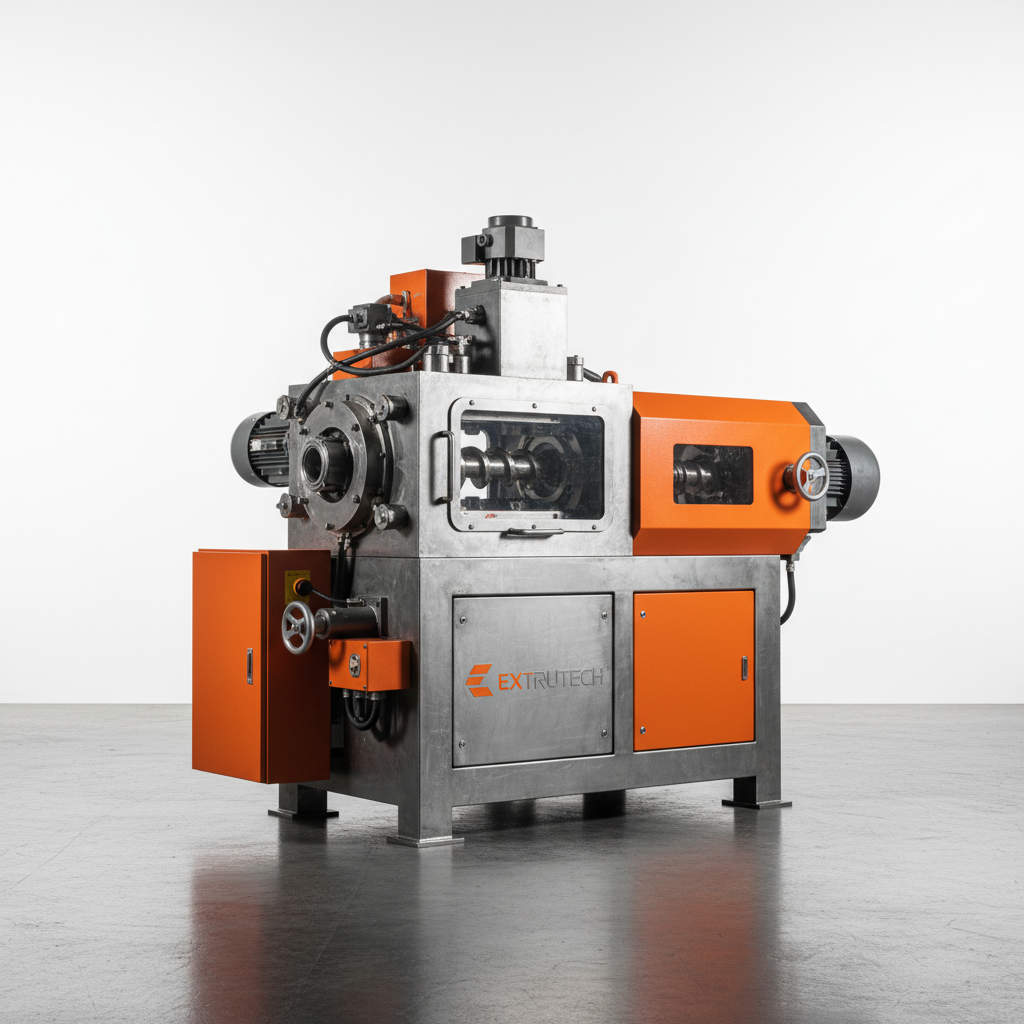
Modern soap making machines consist of several essential components working in concert. These include mixing tanks for blending raw materials, reactors for saponification (the chemical process of making soap), plows for mixing, cooling systems to manage exothermic reactions, and extrusion or molding systems for shaping the final product.

Automated control systems are increasingly common, offering precise control over temperature, pressure, and mixing speeds. These systems enhance consistency, reduce waste, and minimize the need for manual intervention. Quality control features, such as integrated sensors and data logging capabilities, are also vital for ensuring product quality and regulatory compliance.

Soap Making Machine Performance Metrics


Global Applications and Industry Impact

The applications of soap making machines are diverse and global. In developed nations, they support large-scale manufacturers supplying consumer markets. In developing countries, smaller, more affordable machines empower local entrepreneurs to establish businesses and address critical hygiene needs within their communities.

In post-disaster relief operations, portable and rapid-deployment soap making machines provide a crucial source of hygiene supplies to affected populations. These machines can be deployed quickly to remote locations, reducing reliance on external aid and fostering self-sufficiency.

The Advantages of Investing in Quality Machinery

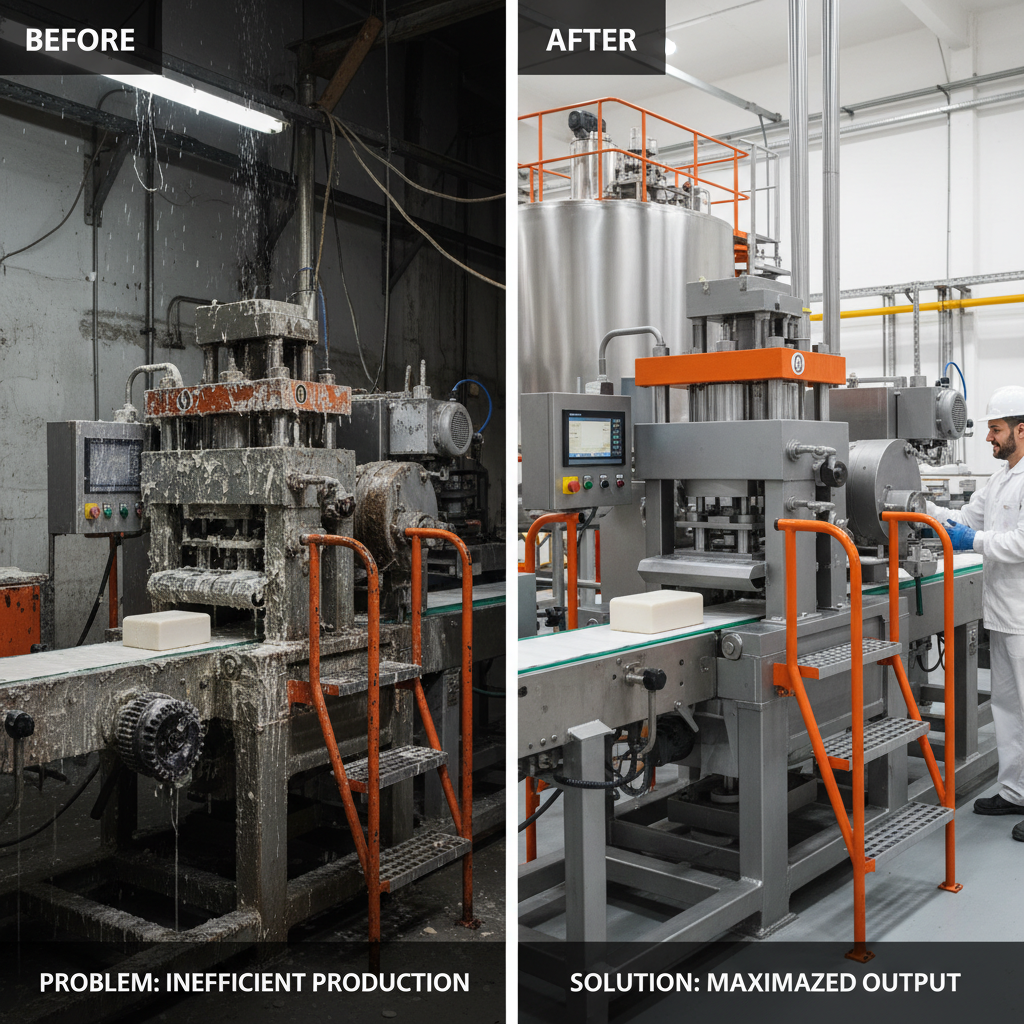
Investing in high-quality soap making equipment from reputable soap making machine manufacturers delivers tangible benefits. Reduced production costs through increased efficiency and minimized waste are key advantages. Consistent product quality builds brand reputation and customer loyalty.

Furthermore, modern machines often incorporate features that enhance sustainability, such as energy-efficient designs and the ability to utilize recycled materials. This not only reduces environmental impact but also appeals to environmentally conscious consumers.

Future Trends and Innovations in Soap Production

The future of soap production is marked by a growing emphasis on sustainability and automation. Manufacturers are increasingly incorporating eco-friendly materials and energy-efficient technologies into their designs. The use of renewable energy sources to power production facilities is also gaining traction.

Digitalization is transforming the industry, with smart machines and data analytics providing real-time insights into production processes. This enables manufacturers to optimize performance, reduce waste, and improve product quality. Automation, including robotic handling and packaging, is also becoming more prevalent, reducing labor costs and increasing efficiency.

Expect to see continued innovation in formulations, with a focus on natural and organic ingredients. Personalized soap production, tailored to individual skin types and preferences, may also become more common as technology advances.

FAQS

What is the typical lead time for a custom soap making machine order?

Lead times for custom orders vary significantly based on complexity and current workload. Generally, expect a lead time of 8-16 weeks from design approval to delivery. Factors influencing this include the specific customizations required, the availability of components, and the manufacturer’s production schedule. Clear communication and early planning are crucial for minimizing delays.

What type of maintenance is required for a fully automated soap production line?

Fully automated lines require regular preventative maintenance to ensure optimal performance. This includes lubricating moving parts, inspecting electrical connections, cleaning sensors, and replacing wear-and-tear components. Many soap making machine manufacturers offer comprehensive maintenance packages that include on-site service and remote diagnostics. A well-maintained system can minimize downtime and extend the lifespan of the equipment.

How do I ensure compliance with hygiene regulations when using automated soap making equipment?

Compliance with hygiene regulations is paramount. Choose machines constructed from food-grade stainless steel and designed for easy cleaning and sanitization. Implement strict cleaning protocols, including regular disinfection and validation of cleaning procedures. Ensure the equipment meets relevant industry standards and certifications, and maintain detailed records of maintenance and cleaning activities.

What is the energy consumption of a typical soap making machine?

Energy consumption varies depending on machine size, capacity, and features. Modern, energy-efficient machines utilize variable frequency drives (VFDs) and optimized insulation to minimize power usage. Consider factors such as heating requirements, mixing motor power, and the efficiency of control systems. Soap making machine manufacturers can provide detailed energy consumption data for specific models.

Do manufacturers offer training for operating and maintaining soap making machines?

Yes, most reputable manufacturers offer comprehensive training programs for operators and maintenance personnel. Training typically covers machine operation, safety procedures, troubleshooting, preventative maintenance, and cleaning protocols. On-site training is often available, along with remote support and online resources. Proper training is crucial for maximizing equipment performance and minimizing downtime.

What is the cost range for a small-scale soap making machine suitable for a startup business?

The cost of a small-scale soap making machine for a startup business can range from $5,000 to $30,000, depending on capacity, features, and level of automation. Manual machines are the most affordable, while semi-automatic options offer a balance of cost and efficiency. Thorough research and comparison of different models and manufacturers are essential for finding the best fit within your budget.

Conclusion

In conclusion, soap making machine manufacturers are indispensable partners in meeting the global demand for hygiene and sanitation. Their innovations are driving improvements in efficiency, sustainability, and product quality, impacting diverse industries from consumer goods to humanitarian aid. Choosing the right manufacturer, based on factors like durability, scalability, and cost-effectiveness, is a critical decision for any organization involved in soap production.

Looking ahead, the industry is poised for further advancements in automation, digitalization, and eco-friendly technologies. By embracing these innovations, businesses can enhance their competitiveness, reduce their environmental footprint, and contribute to a healthier, more sustainable future. For reliable, high-quality soap making solutions, visit our website: www.rssoapmachinery.com.

David Miller

David Miller

David Miller serves as the Lead Mechanical Engineer at Shijiazhuang Ruisheng Machinery Manufacturing Co., Ltd. He brings over 15 years of experience in the design and development of industrial machinery, specializing in vacuum systems and automated production lines. David joined Ruisheng in 2018, attracted by the company's commitment to innovation
Previous Comprehensive Guide to Soap Making Machine Suppliers and Industry Trends
Next Comprehensive Guide to Soap Plant Machinery for Efficient Production

If you are interested in our products, you can choose to leave your information here, and we will be in touch with you shortly.


phone
email
up

If you are interested in our products, you can choose to leave your information here, and we will be in touch with you shortly.