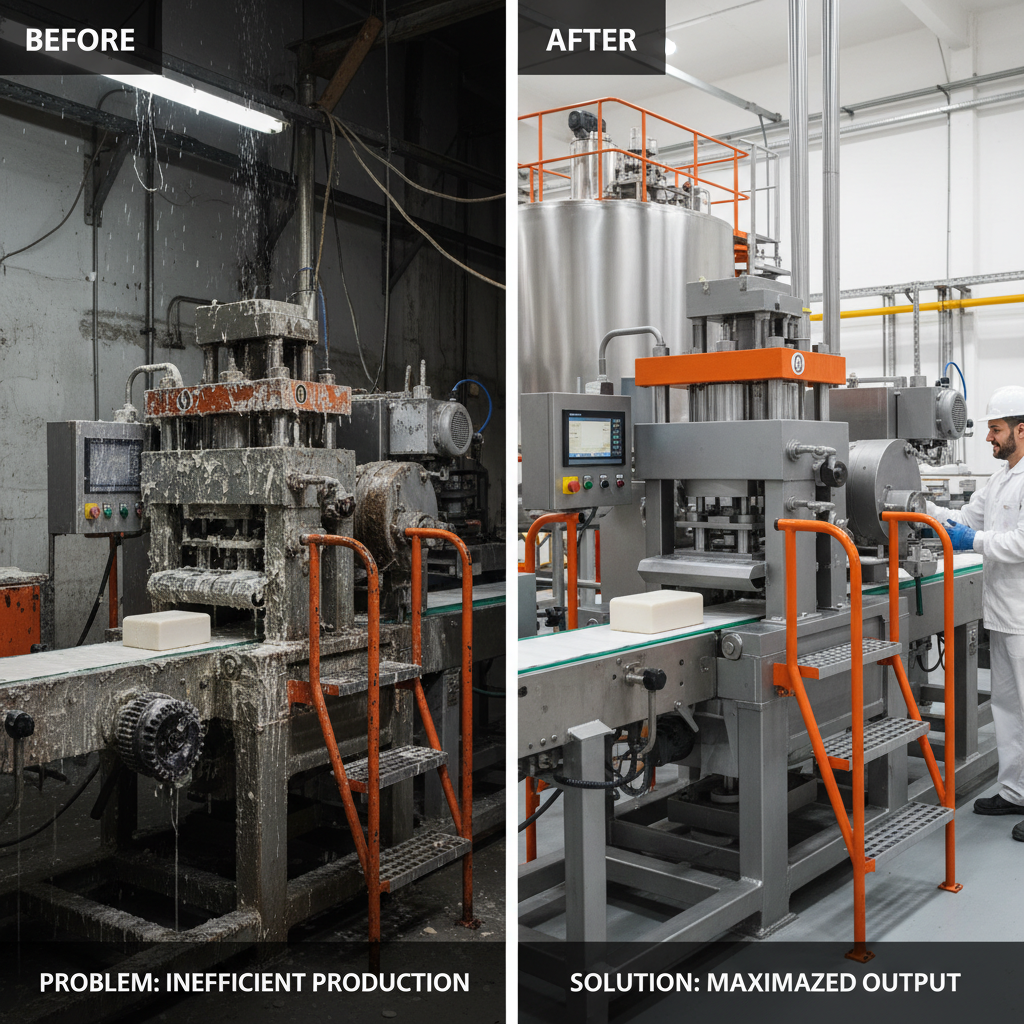
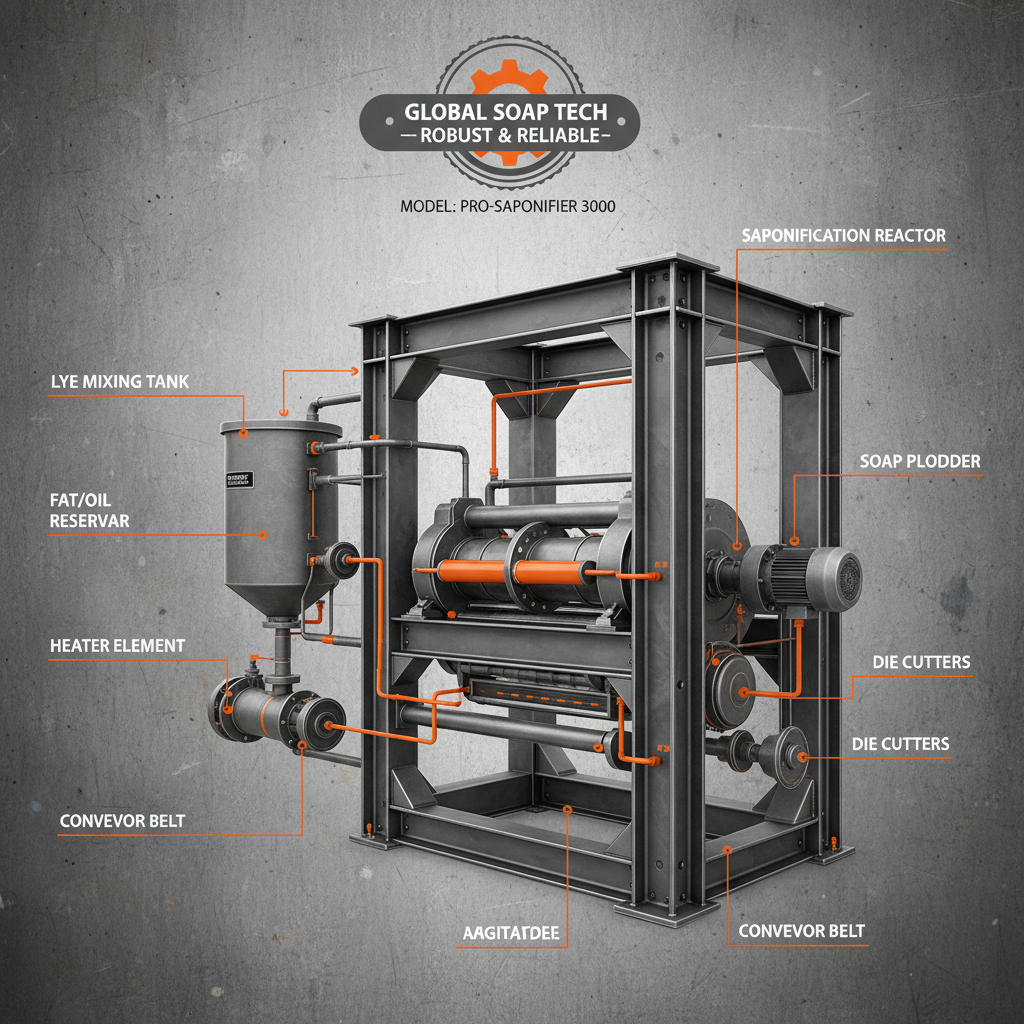
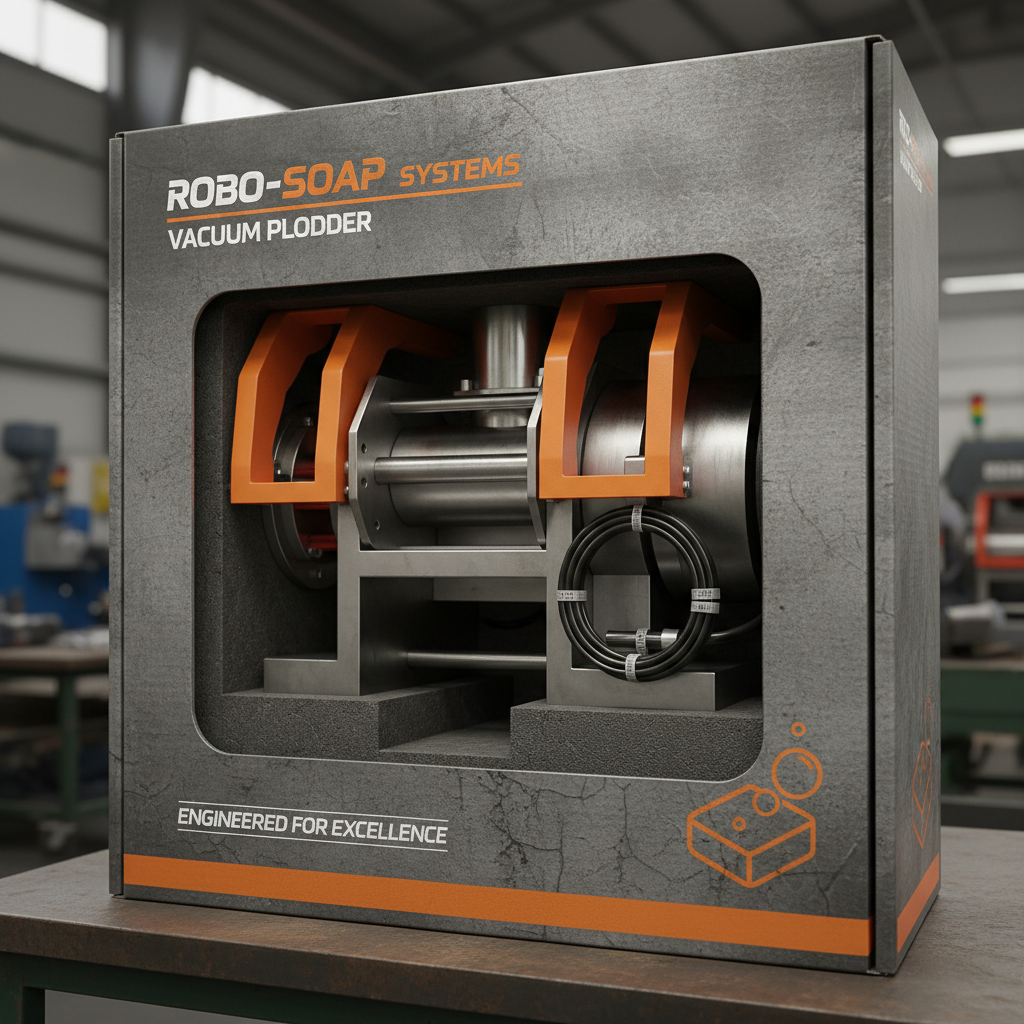
Extruder vacuum technology is rapidly becoming indispensable across diverse industrial sectors, offering solutions to complex material processing challenges. From plastics and rubber manufacturing to food processing and pharmaceutical production, the ability to efficiently remove volatile substances and enhance product quality is paramount. The demand for higher purity materials, coupled with stringent environmental regulations, drives the continuous innovation and adoption of advanced extruder vacuum systems. This isn’t merely a technological advancement; it’s a foundational element enabling advancements in countless downstream applications.
The global impact of extruder vacuum extends beyond manufacturing efficiency. It’s increasingly crucial in recycling processes, allowing for the recovery and repurposing of valuable materials from waste streams. Moreover, the development of specialized extruder vacuum solutions is addressing critical needs in emerging markets, such as the production of sustainable packaging and biodegradable polymers. According to a 2023 report by the United Nations Environment Programme, increased investment in circular economy technologies, including vacuum extrusion, is vital for achieving sustainable development goals.
Understanding the principles and applications of extruder vacuum is therefore no longer confined to engineers and technicians. It’s relevant for business leaders, policymakers, and anyone concerned with sustainable manufacturing, environmental protection, and the development of innovative materials. Mastering this technology unlocks potential for cost reduction, improved product performance, and a significantly reduced environmental footprint.
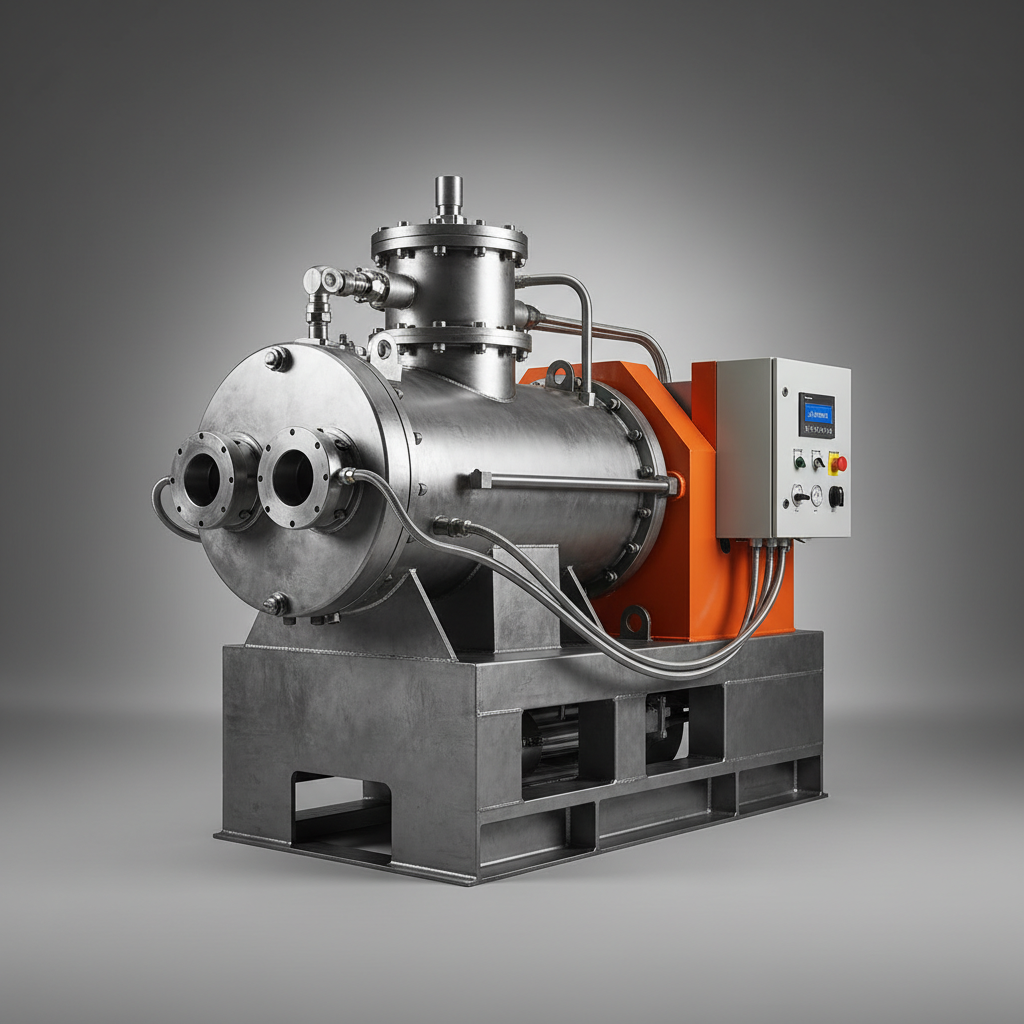
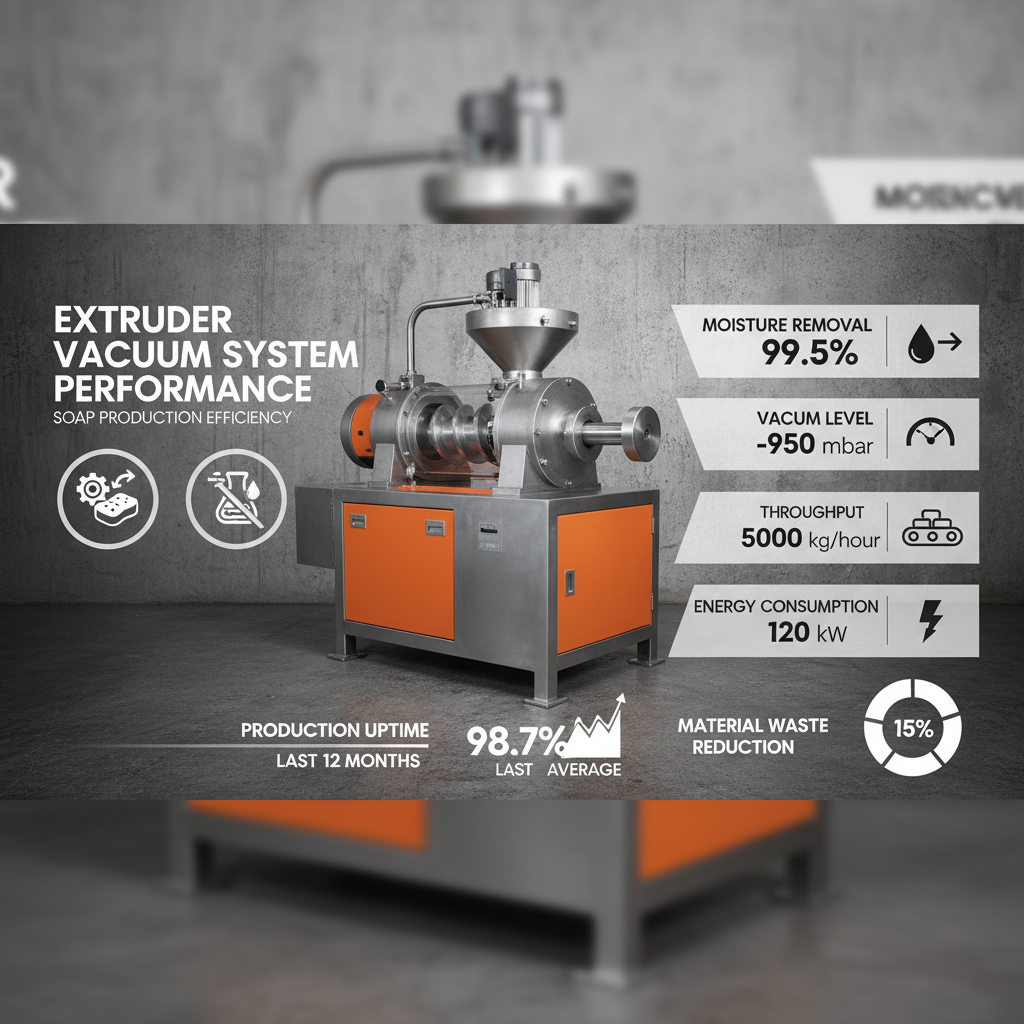
At its core, extruder vacuum is a process that combines the mechanical action of an extruder with the principles of vacuum technology. Extruders are used to melt, mix, and force materials through a die, shaping them into desired profiles. The application of vacuum during this process efficiently removes unwanted volatile compounds – like moisture, solvents, or gases – that can negatively affect material properties. This results in a higher quality end product with improved characteristics such as enhanced strength, clarity, and dimensional stability.
The effectiveness of the extruder vacuum system hinges on maintaining a precise vacuum level, optimizing extruder screw design, and accurately controlling temperature profiles. Careful consideration of these factors is crucial to achieving the desired level of degassing and ensuring consistent product quality.
Utilizing an extruder vacuum system delivers several advantages, including improved product quality by removing volatile compounds, increased production efficiency due to reduced defects, and potential cost savings through lower material waste. Furthermore, it enhances the sustainability of manufacturing processes by enabling the use of recycled materials and minimizing emissions. It's a critical technology for enhancing product performance and reducing environmental impact.
The vacuum level directly influences the rate of volatile removal. A lower vacuum (higher mbar reading) provides less driving force for evaporation, resulting in slower degassing. Conversely, a higher vacuum (lower mbar reading) enhances evaporation and accelerates degassing. However, exceeding optimal vacuum levels can lead to material degradation or foaming. Finding the right balance based on the material’s properties is key.
Regular maintenance is crucial for optimal performance. This includes checking and replacing seals to maintain vacuum integrity, inspecting and cleaning the vacuum pump, monitoring condenser performance, and calibrating control systems. The frequency of maintenance depends on the system type and operating conditions, but routine checks should be conducted monthly or quarterly.
Vacuum extrusion is particularly beneficial for processing materials containing volatile compounds, such as polymers with residual monomers, plastics with absorbed moisture, and materials used in the food and pharmaceutical industries. Thermoplastics like PVC, polyethylene, and polypropylene are commonly processed using vacuum extrusion, but it can also be applied to elastomers and other materials.
The ROI for an extruder vacuum system varies depending on factors like production volume, material costs, and the value of improved product quality. However, companies typically experience a payback period of 1-3 years due to reduced material waste, improved efficiency, and enhanced product performance. Reduced downtime and labor costs also contribute to the overall ROI.
Selecting the appropriate vacuum pump involves considering factors such as the required vacuum level, gas load, process compatibility, and energy efficiency. Liquid ring pumps are suitable for handling high gas loads, while dry screw pumps offer higher efficiency and lower maintenance. Consulting with a vacuum system specialist is recommended to ensure the pump meets your specific application requirements.
In conclusion, extruder vacuum technology represents a critical advancement in material processing, offering a potent combination of improved product quality, enhanced efficiency, and sustainability benefits. From optimizing polymer processing to enabling the use of recycled materials, its applications are vast and continue to expand across diverse industries. Embracing this technology is not merely an investment in equipment but a strategic move towards a more competitive and environmentally responsible manufacturing future.
Looking ahead, continued innovation in vacuum pump technology, control systems, and materials science will further unlock the potential of extruder vacuum. Companies that proactively adopt and optimize these advancements will be well-positioned to thrive in a rapidly evolving marketplace. To explore tailored solutions and optimize your processes, visit our website today: www.rssoapmachinery.com