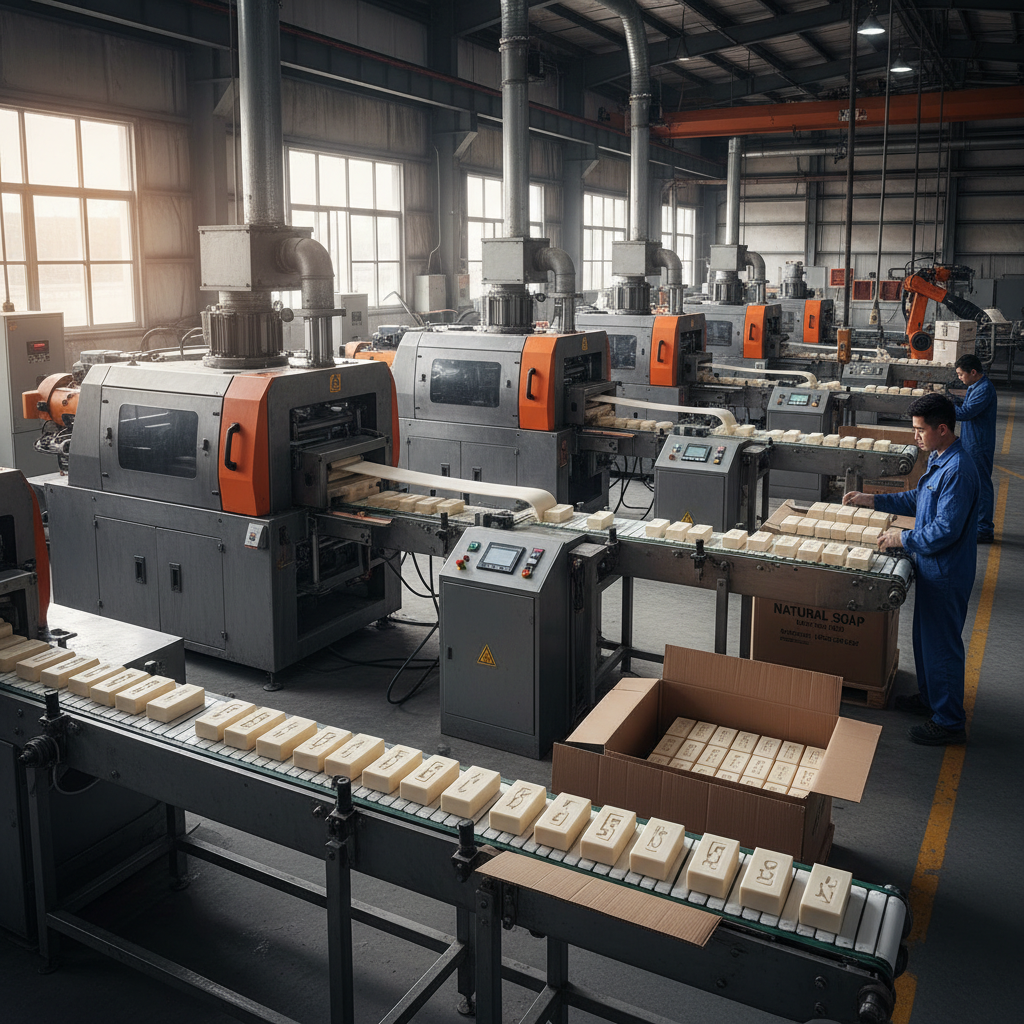
A soap production line is a complex system of interconnected machines, designed to produce high-quality soap efficiently and consistently. However, even the most advanced equipment can experience wear, malfunctions, or operational issues if not properly maintained. Regular maintenance and effective troubleshooting are essential to prevent downtime, ensure consistent product quality, and maximize the lifespan of your soap production line. For manufacturers, understanding maintenance practices, common problems, and troubleshooting strategies is critical for smooth operations and long-term profitability.
1. Importance of Regular Maintenance
Regular maintenance is the cornerstone of a reliable soap production line. Proper care reduces equipment failure, ensures safety, and maintains production efficiency.
Preventive Maintenance: This involves scheduled inspections and servicing to detect potential problems before they become serious. Examples include checking the condition of mixing blades, lubricating moving parts, and verifying temperature and pressure sensors.
Benefits:
Minimizes unexpected downtime
Extends the lifespan of machinery
Ensures consistent soap quality
Reduces repair costs over time
Routine maintenance is an investment that saves both time and money by preventing costly interruptions and product defects.
2. Key Maintenance Practices for Soap Production Lines
Maintaining a soap production line requires attention to multiple components and processes:
Mixing Tanks and Kettles:
Clean regularly to prevent residue buildup
Inspect heating elements for proper functioning
Check seals and gaskets to prevent leaks
Milling and Refining Machines:
Lubricate bearings and moving parts
Inspect rollers for wear and alignment
Remove accumulated soap paste to prevent blockages
Molds, Extruders, and Cutting Machines:
Ensure blades and molds are sharp and free of debris
Check for accurate alignment and cutting consistency
Replace worn parts promptly to maintain shape and size precision
Drying and Curing Systems:
Clean air filters and ventilation systems
Monitor temperature and humidity sensors for accuracy
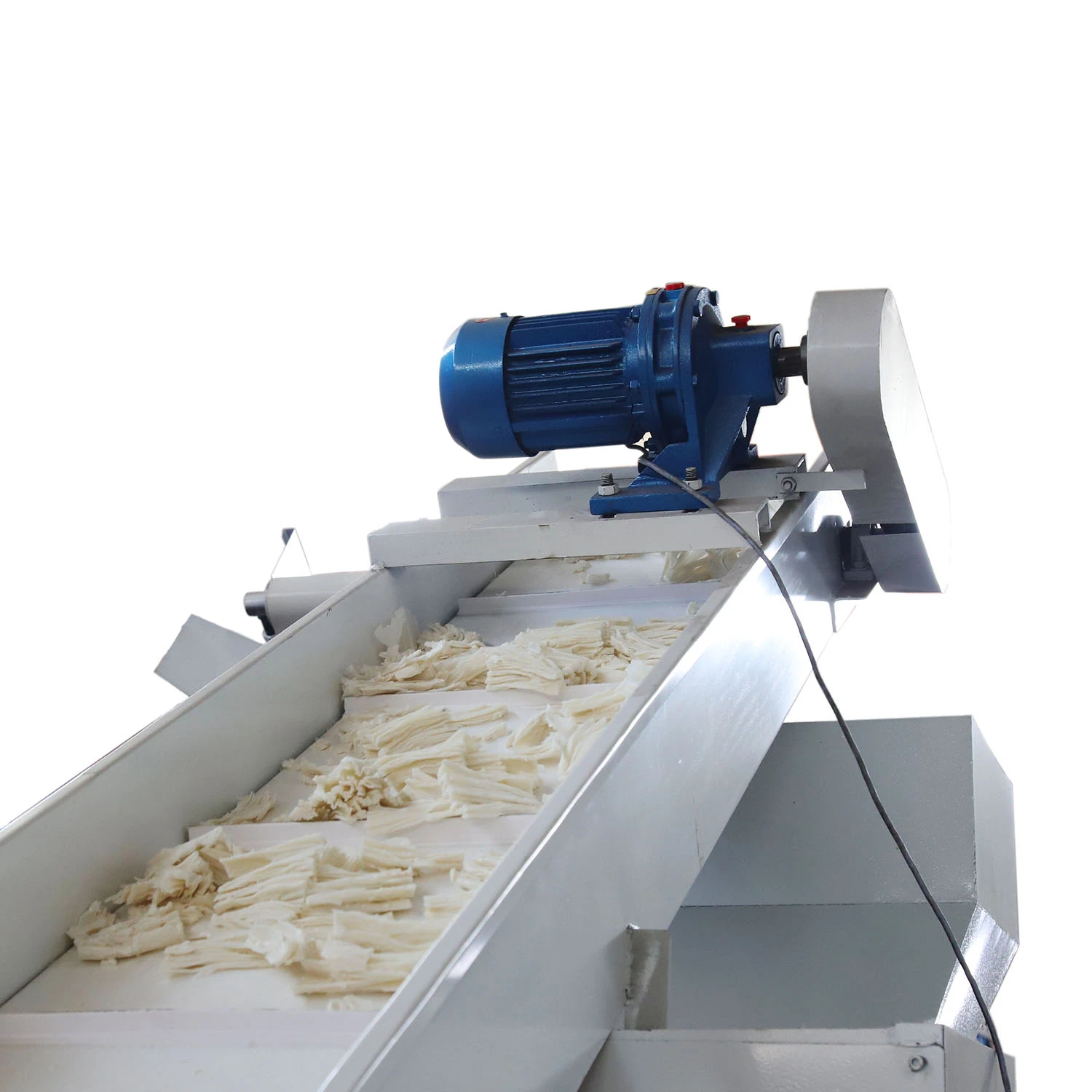
Inspect conveyor belts and rollers for smooth operation
Packaging Equipment:
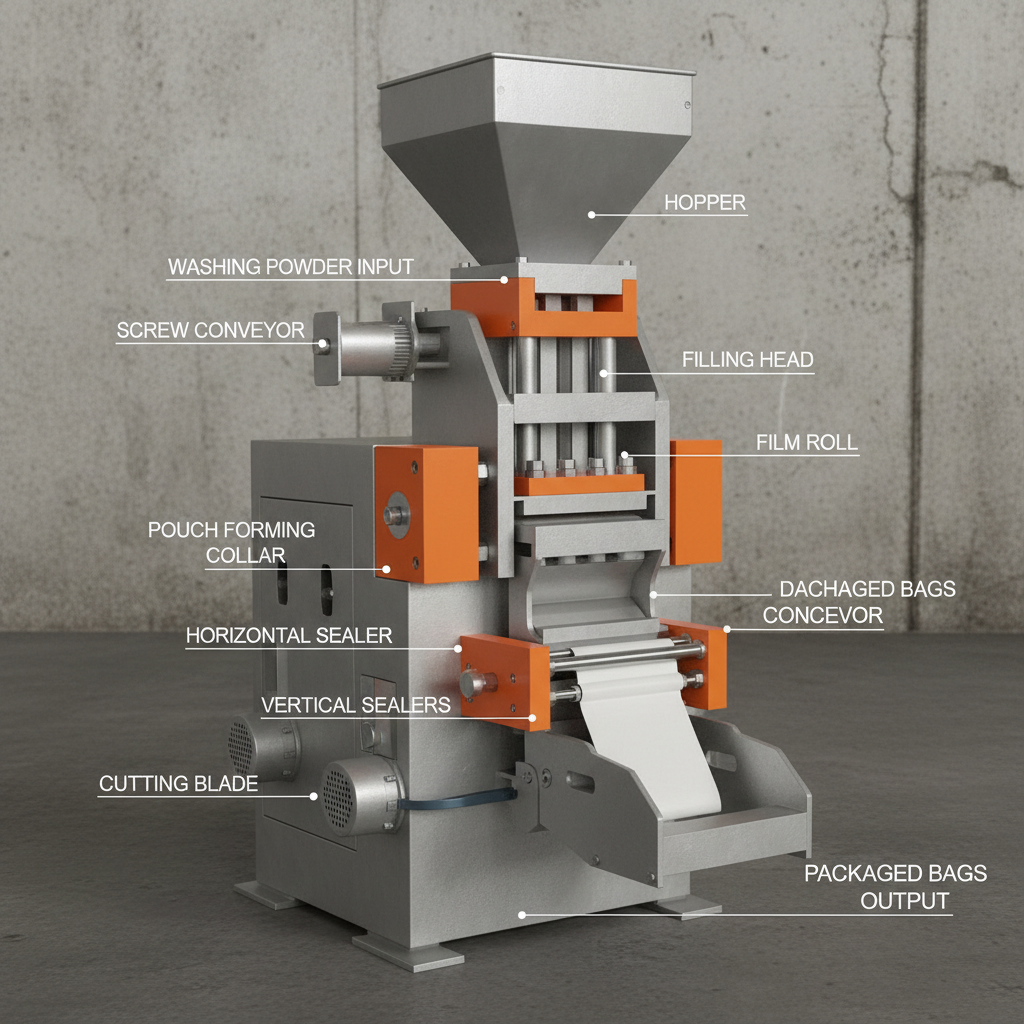
Ensure wrapping, labeling, and filling machines are properly calibrated
Clean components to maintain hygiene
Inspect sensors and motors for proper function
Implementing these practices regularly ensures smooth production and consistent soap quality across all batches.
3. Common Issues in Soap Production Lines
Despite preventive measures, issues can still arise during soap manufacturing. Being aware of common problems helps manufacturers respond quickly:
Clogging or Blockages: Soap paste or additives can accumulate in mixers, extruders, or pipes, reducing flow and efficiency.
Inconsistent Product Quality: Variations in texture, fragrance, or color can result from improper mixing, temperature fluctuations, or equipment misalignment.
Equipment Wear and Tear: Continuous use can cause rollers, blades, and bearings to degrade, affecting performance and precision.
Electrical or Mechanical Failures: Sensors, motors, or control panels may malfunction, leading to production delays or unsafe conditions.
Packaging Malfunctions: Misaligned labels, jams, or inconsistent filling can compromise product presentation and hygiene.
Recognizing these issues early is essential to minimize downtime and maintain product standards.
4. Troubleshooting Strategies
Effective troubleshooting requires a systematic approach to identify, diagnose, and resolve problems:
Step 1: Identify the Issue
Observe symptoms such as unusual noise, inconsistent soap output, or equipment alarms.
Document the problem to track frequency and patterns.
Step 2: Inspect Equipment
Check for mechanical wear, alignment issues, or loose components.
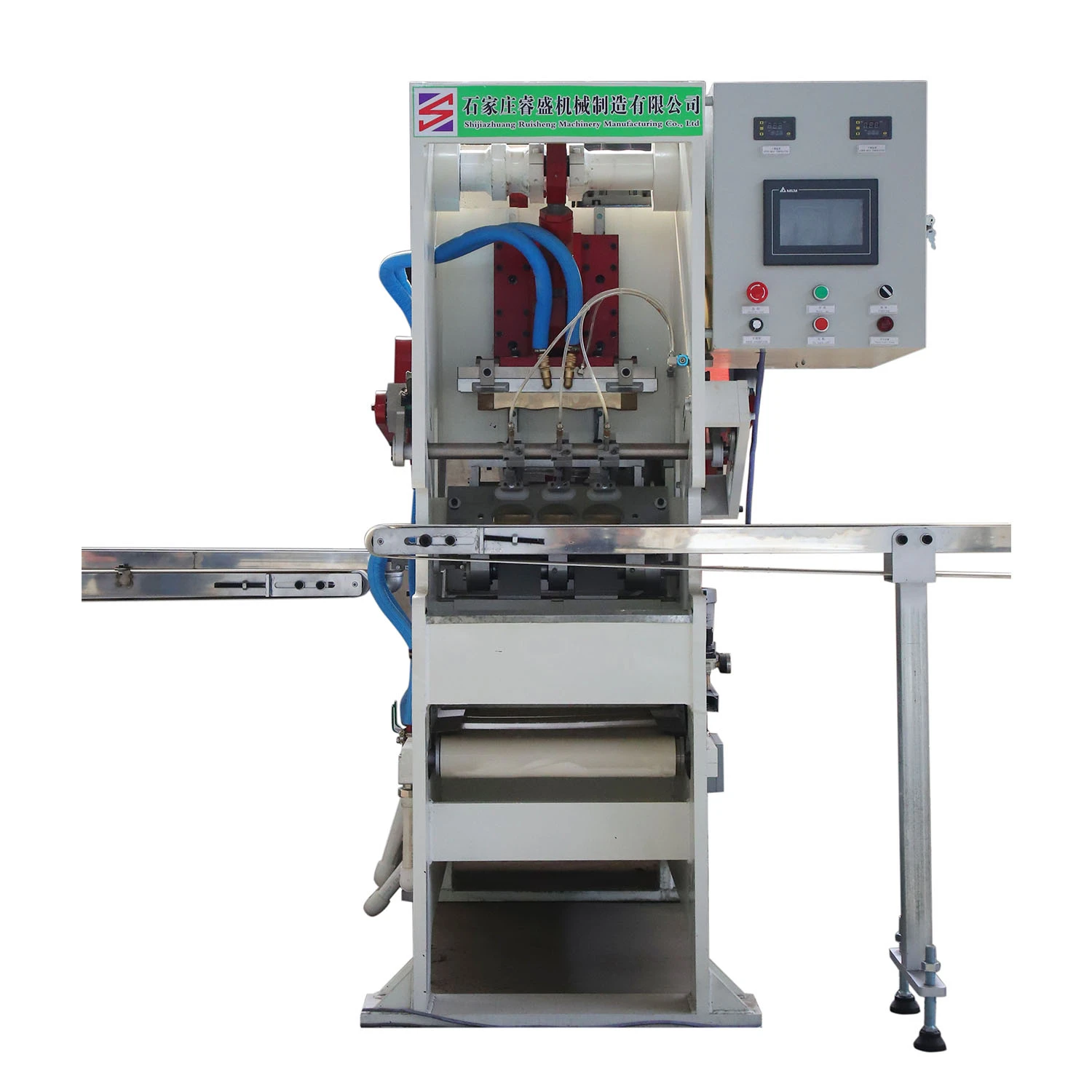
Verify electrical systems, sensors, and control panels.
Step 3: Implement Corrective Measures
Clean or replace affected parts
Adjust temperature, pressure, or mixing speed
Recalibrate machinery for precision
Step 4: Test and Monitor
Run a small batch to ensure the issue is resolved
Continuously monitor output for consistency
Step 5: Prevent Recurrence
Update maintenance schedules based on observed issues
Train staff to recognize early warning signs
By following these steps, manufacturers can quickly restore production while minimizing losses.
5. Staff Training and Documentatio
An often-overlooked aspect of maintenance and troubleshooting is staff training. Properly trained operators can identify issues early and perform routine checks effectively.
Training Topics:
Standard operating procedures for each machine
Safety protocols when handling chemicals and equipment
Basic troubleshooting and problem-solving techniques
Documentation:
Keep maintenance logs for all equipment
Record troubleshooting steps and resolutions
Monitor trends to predict potential failures
Investing in training and documentation ensures consistent operations, reduces human error, and improves overall production reliability.
6. Benefits of Effective Maintenance and Troubleshooting
Implementing a proactive maintenance and troubleshooting program brings multiple benefits:
Minimized Downtime: Prevents unexpected breakdowns that halt production.
Consistent Product Quality: Maintains uniformity in texture, fragrance, and appearance.
Cost Savings: Reduces emergency repairs and extends equipment life.
Safety Compliance: Ensures adherence to workplace safety and hygiene standards.
Operational Efficiency: Smooth, uninterrupted production increases output and profitability.
A well-maintained soap production line is not just a technical requirement—it is a strategic advantage for manufacturers.
Conclusion
Maintenance and troubleshooting are essential for the successful operation of a soap production line. By implementing regular maintenance schedules, monitoring equipment, training staff, and applying systematic troubleshooting methods, manufacturers can minimize downtime, improve product quality, and extend the lifespan of their equipment. Investing in proactive care ensures that soap production lines operate efficiently, safely, and sustainably, ultimately supporting business growth and long-term competitiveness in the soap manufacturing industry.