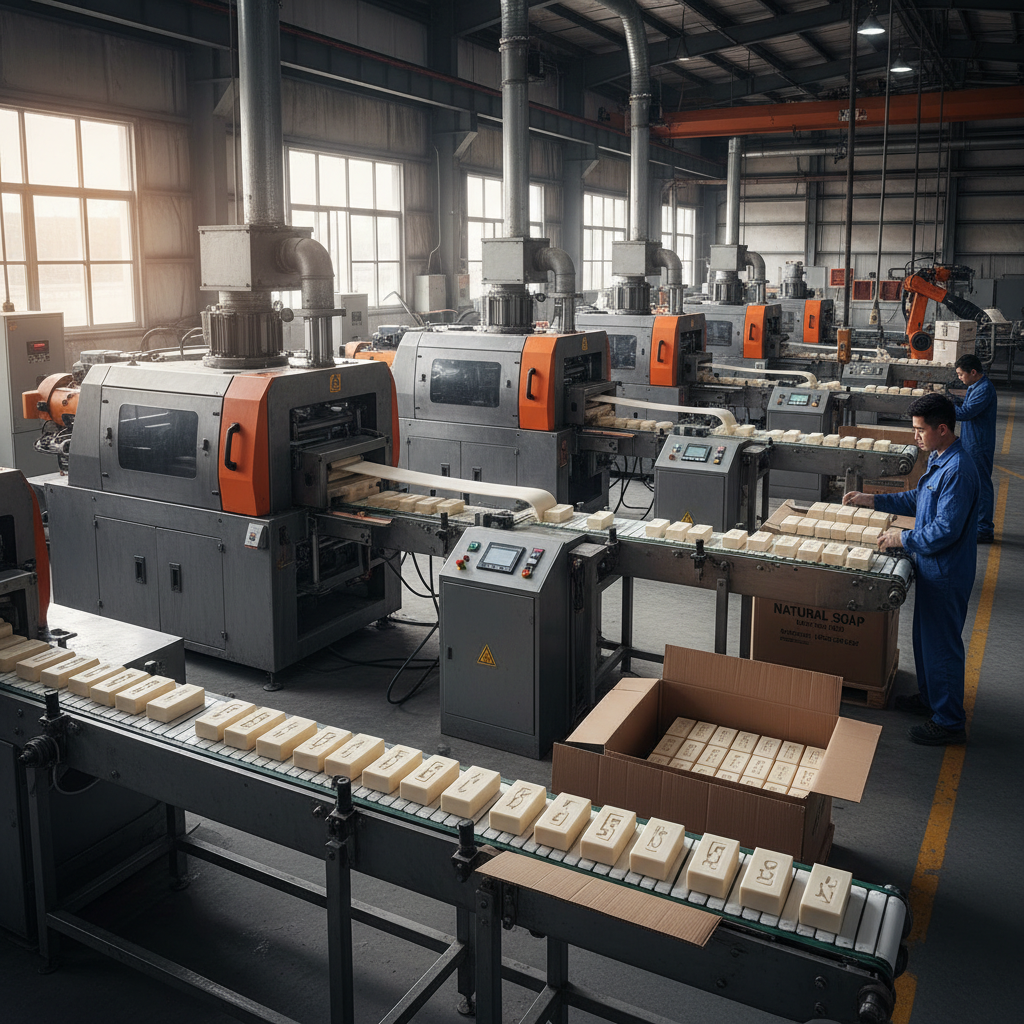
The soap production line is a vital system for the manufacturing of soap products, whether for commercial enterprises or small-scale artisanal operations. With the growing global demand for hygiene and personal care products, efficient and automated soap production lines have become essential in ensuring consistent quality, reducing production time, and optimizing costs. Understanding the components, processes, and advantages of a soap production line is crucial for manufacturers looking to establish or upgrade their soap production capabilities.
1. Key Components of a Soap Production Line
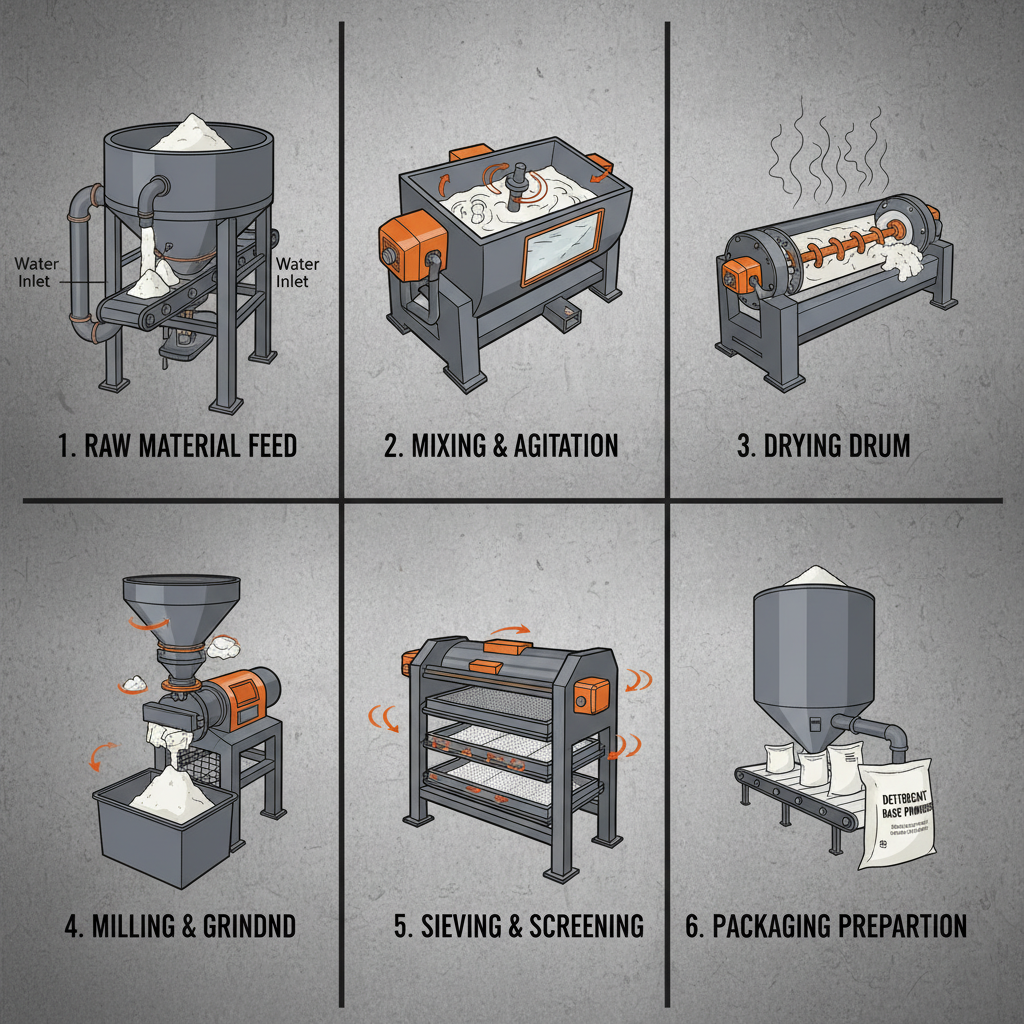
A modern soap production line consists of several core components, each designed to perform a specific function in the soap-making process. These components include:
Mixing Equipment: The mixing stage is where raw materials such as vegetable oils, animal fats, lye (sodium hydroxide), water, and additives are combined. Proper mixing ensures the saponification process occurs evenly, which is critical for producing high-quality soap.
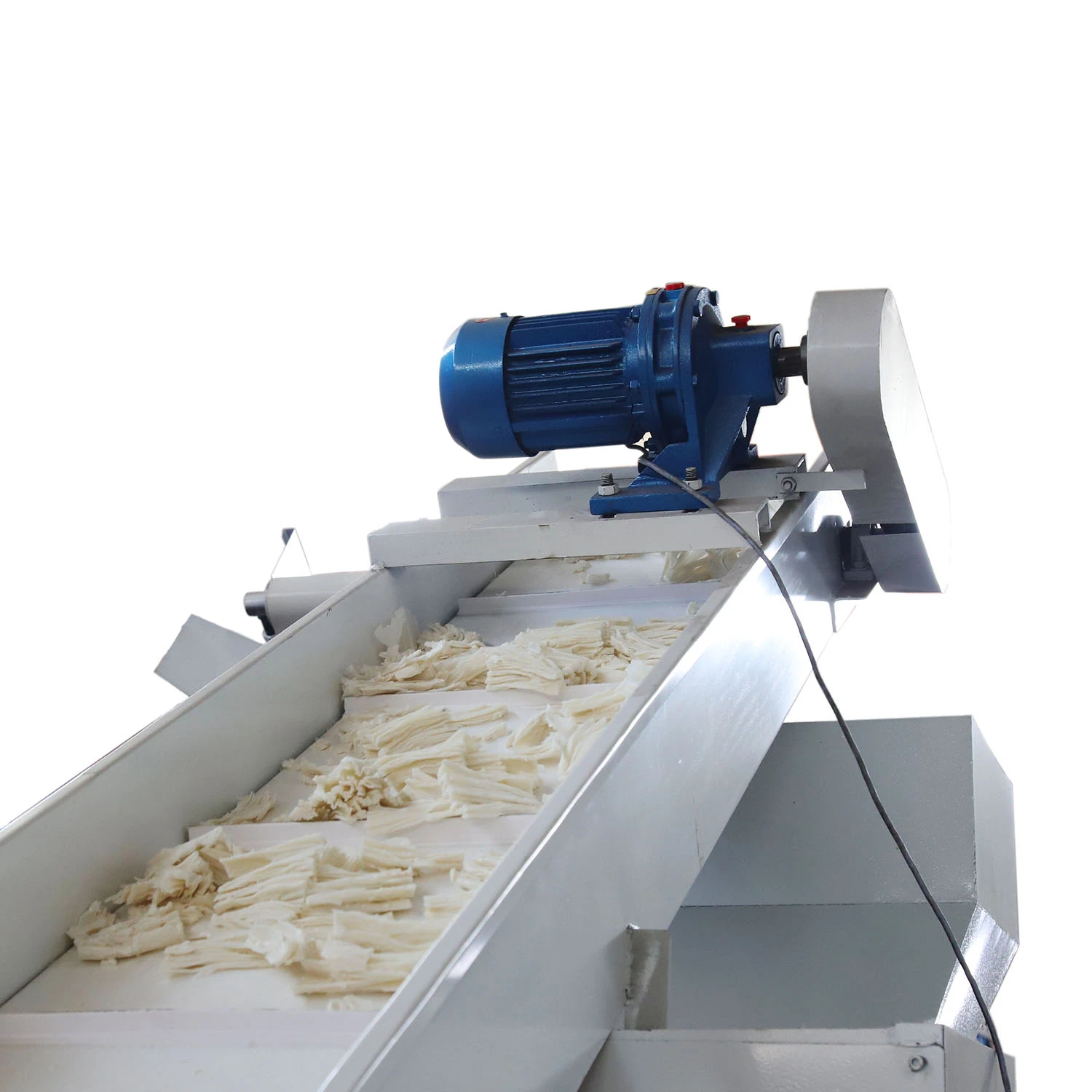
Milling Machines: After the initial saponification, the soap paste often requires refining. Milling machines crush and smooth the paste, ensuring a uniform texture and removing any impurities.
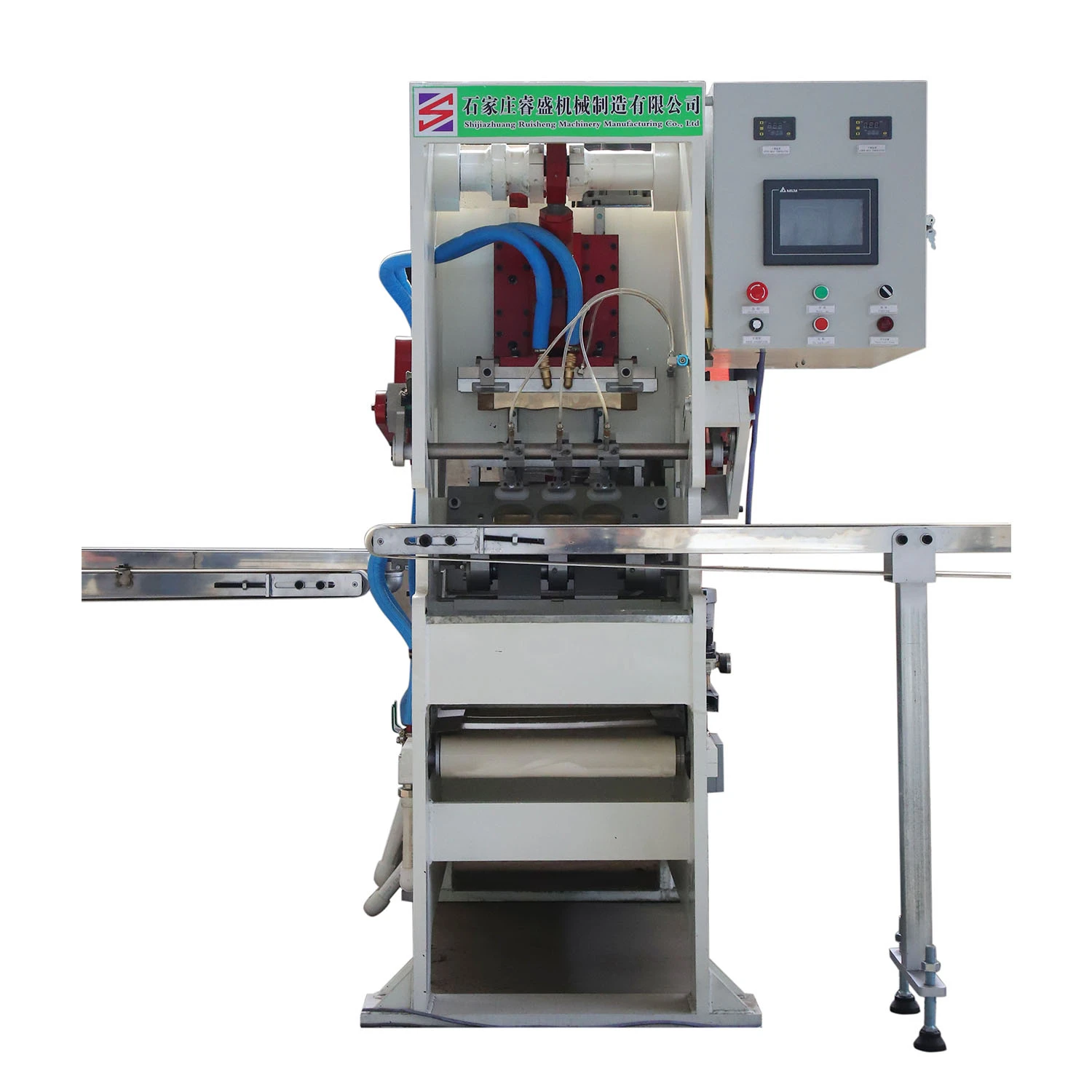
Soap Molds and Extruders: These machines shape the soap into desired forms, such as bars, slabs, or specialty shapes. Extruders allow for continuous production and consistent sizes.
Drying and Curing Systems: Once molded, soap bars need to be dried and cured to achieve the ideal hardness and moisture content. Proper curing enhances the soap’s durability and lathering quality.
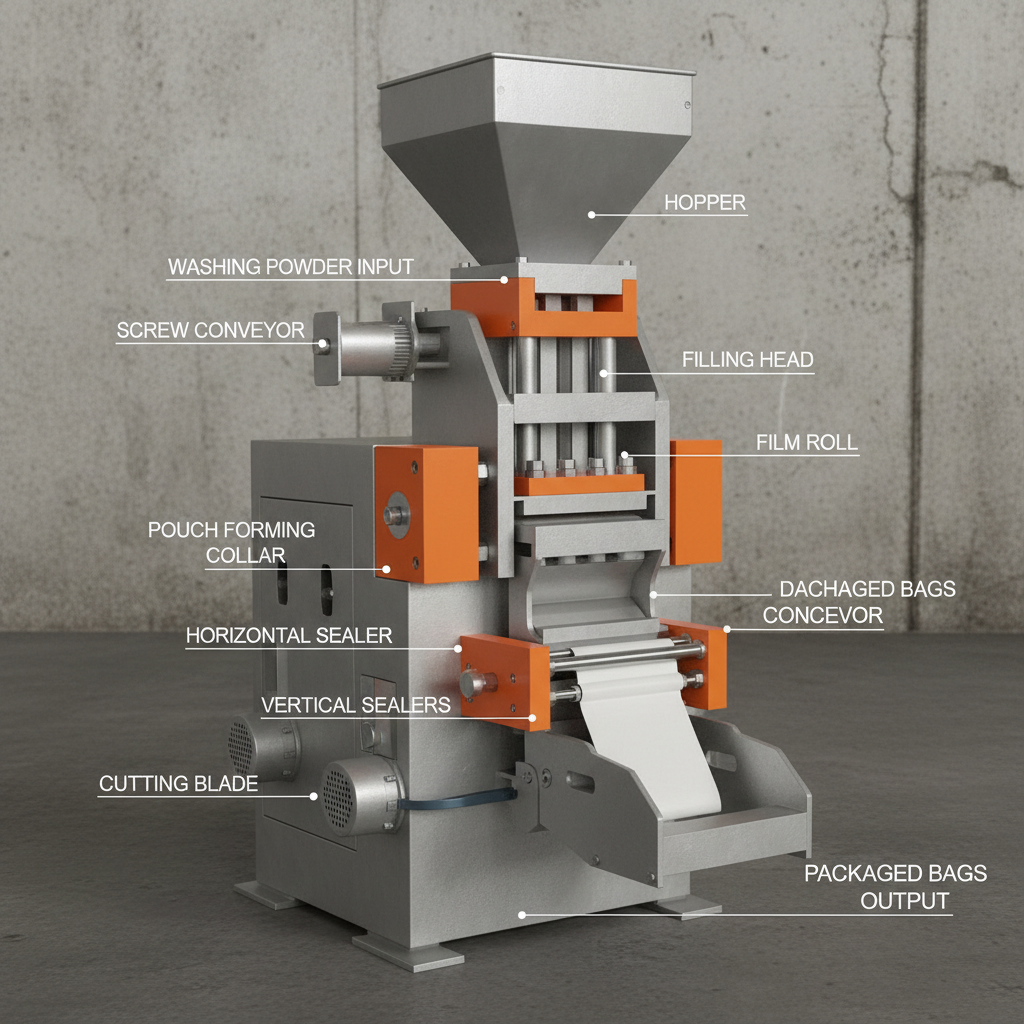
Packaging Equipment: Modern production lines often include automated packaging units that wrap, label, and prepare soap bars for shipment, ensuring hygiene and presentation standards.
By integrating these components into a single line, manufacturers can produce soap efficiently and consistently, meeting both quality and output demands.
2. The Soap Production Process Explained
The soap-making process in a production line follows several key steps:
Raw Material Preparation: High-quality oils, fats, and additives are carefully measured. Some production lines may also include colorants, fragrances, or exfoliants to create specialty soaps.
Saponification: The chemical reaction between fats/oils and alkali creates soap and glycerin. This step can be performed in batch or continuous systems, depending on the production line type.
Refining and Milling: The soap paste is further refined to remove air bubbles and achieve smooth texture. Milling ensures uniformity in color, fragrance, and consistency.
Shaping and Cutting: The refined soap is shaped into bars or other forms using molds or extruders. Precise cutting machines ensure uniform sizes for retail or industrial use.
Drying and Curing: Soap bars are left to cure, reducing moisture content and increasing hardness. Proper drying prevents deformation and extends shelf life.
Packaging and Quality Control: Final products are inspected for quality and packaged. Automated systems enhance efficiency while maintaining hygiene and presentation standards.
This workflow ensures high production efficiency while minimizing waste and labor costs.
3. Benefits of a Soap Production Line
Investing in a soap production line brings numerous advantages for manufacturers:
Consistency and Quality Control: Automated production ensures uniform texture, size, and fragrance in every batch.
Increased Production Efficiency: Modern lines reduce manual labor and speed up production, allowing companies to meet growing market demands.
Scalability: Production lines can be customized and expanded, making it easy to increase output without compromising quality.
Flexibility: Manufacturers can produce various soap types, including bar soap, liquid soap, glycerin soap, and specialty soaps, catering to diverse markets.
Cost Reduction: Automation reduces labor and material wastage, lowering overall production costs.
4. Applications Across Industries
Soap production lines are widely used in multiple sectors:
Commercial Manufacturing: Large-scale production of bars and liquid soaps for retail brands.
Cosmetic and Specialty Soaps: Herbal, organic, or luxury soaps require precise formulations and high-quality production standards.
Hospitality and Healthcare: Custom-sized soaps for hotels, hospitals, and clinics require consistent quality and hygienic packaging.
Export and Bulk Supply: Soap production lines enable manufacturers to meet international quality standards for export markets.
By catering to these diverse applications, a well-designed soap production line supports business growth and market competitiveness.
5. Future Trends in Soap Production Lines
With technological advancements, soap production lines are becoming more automated and environmentally friendly. Smart sensors, digital controls, and energy-efficient equipment reduce production errors and save costs. Additionally, growing consumer demand for natural and organic soaps has encouraged the development of flexible production lines capable of producing small-batch, high-quality soaps with custom additives.
Conclusion
A soap production line is more than a set of machines—it is a complete system that ensures efficiency, quality, and innovation in soap manufacturing. From raw material preparation to packaging, each step is essential to producing superior soap products. For manufacturers, understanding the components, processes, and benefits of a soap production line is critical to maintaining competitiveness in the global market and meeting increasing consumer demands. Investing in a modern, automated soap production line can ultimately lead to higher efficiency, consistent quality, and business growth.