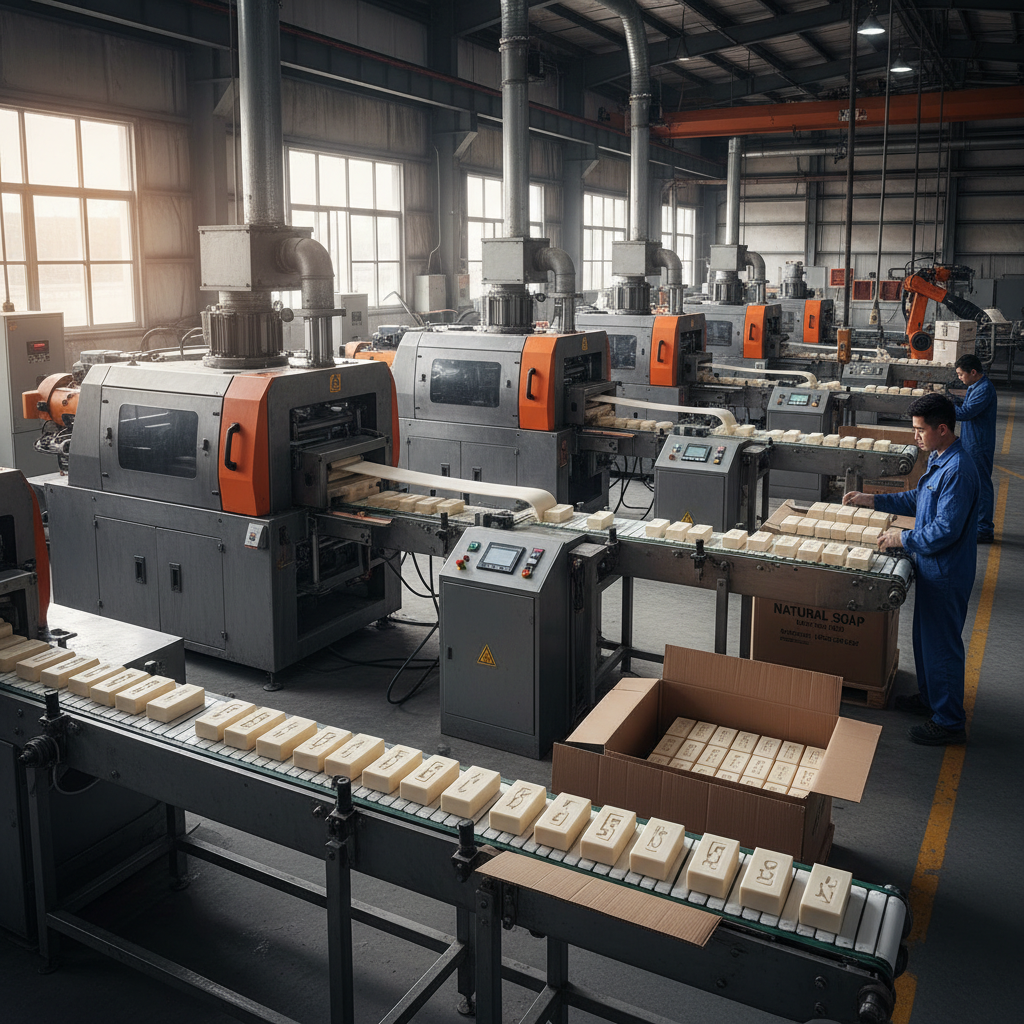
The soap industry has experienced remarkable growth and transformation in recent years. Advances in technology, changing consumer preferences, and increased focus on sustainability have led to significant innovations in soap production. Modern manufacturers are no longer limited to traditional methods; instead, they are embracing automated systems, eco-friendly processes, and customizable product designs. Understanding the latest innovations and trends in soap production is essential for companies looking to stay competitive, improve efficiency, and meet evolving market demands.
1. Automation and Smart Soap Production Lines
Automation is transforming soap manufacturing, making production faster, more efficient, and consistent.
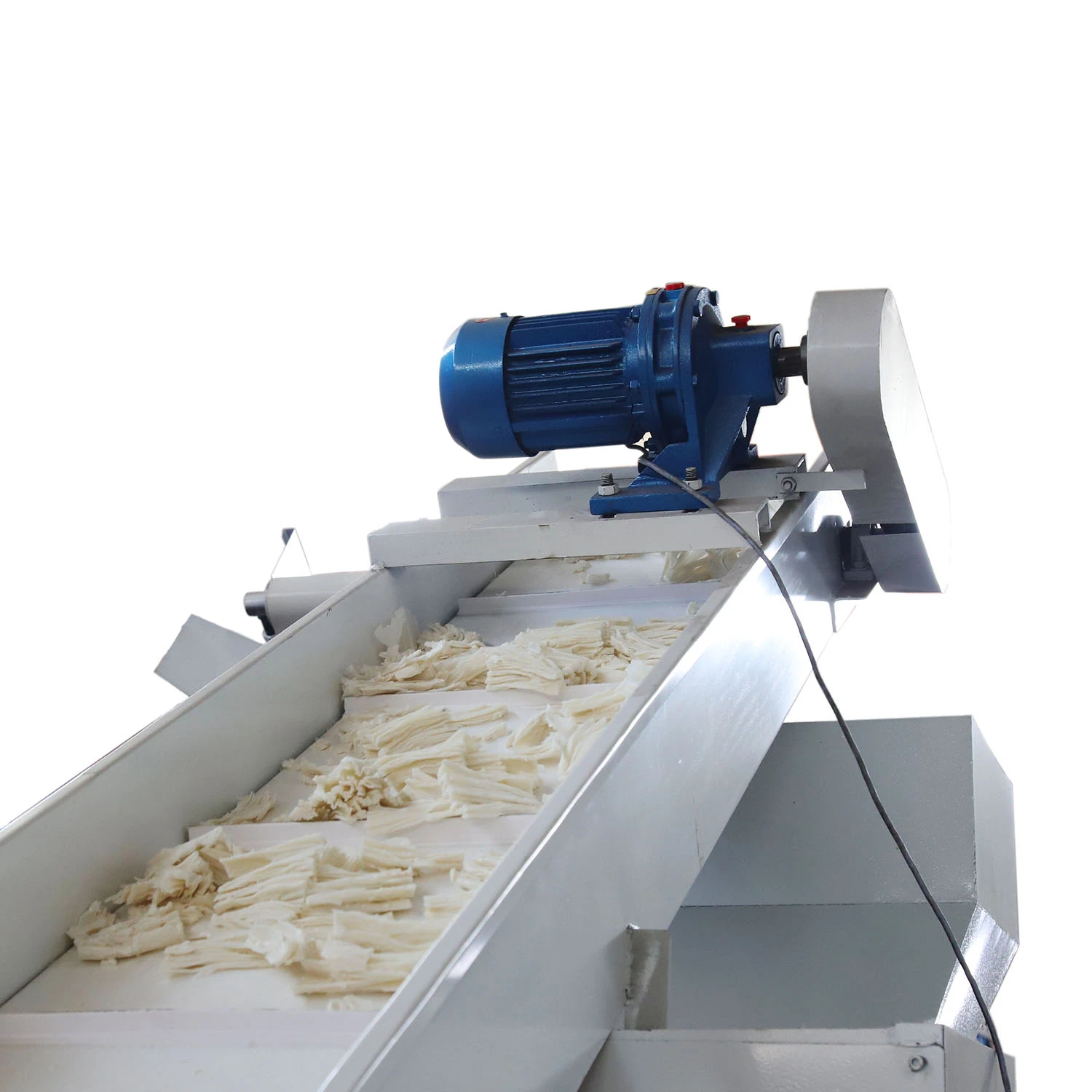
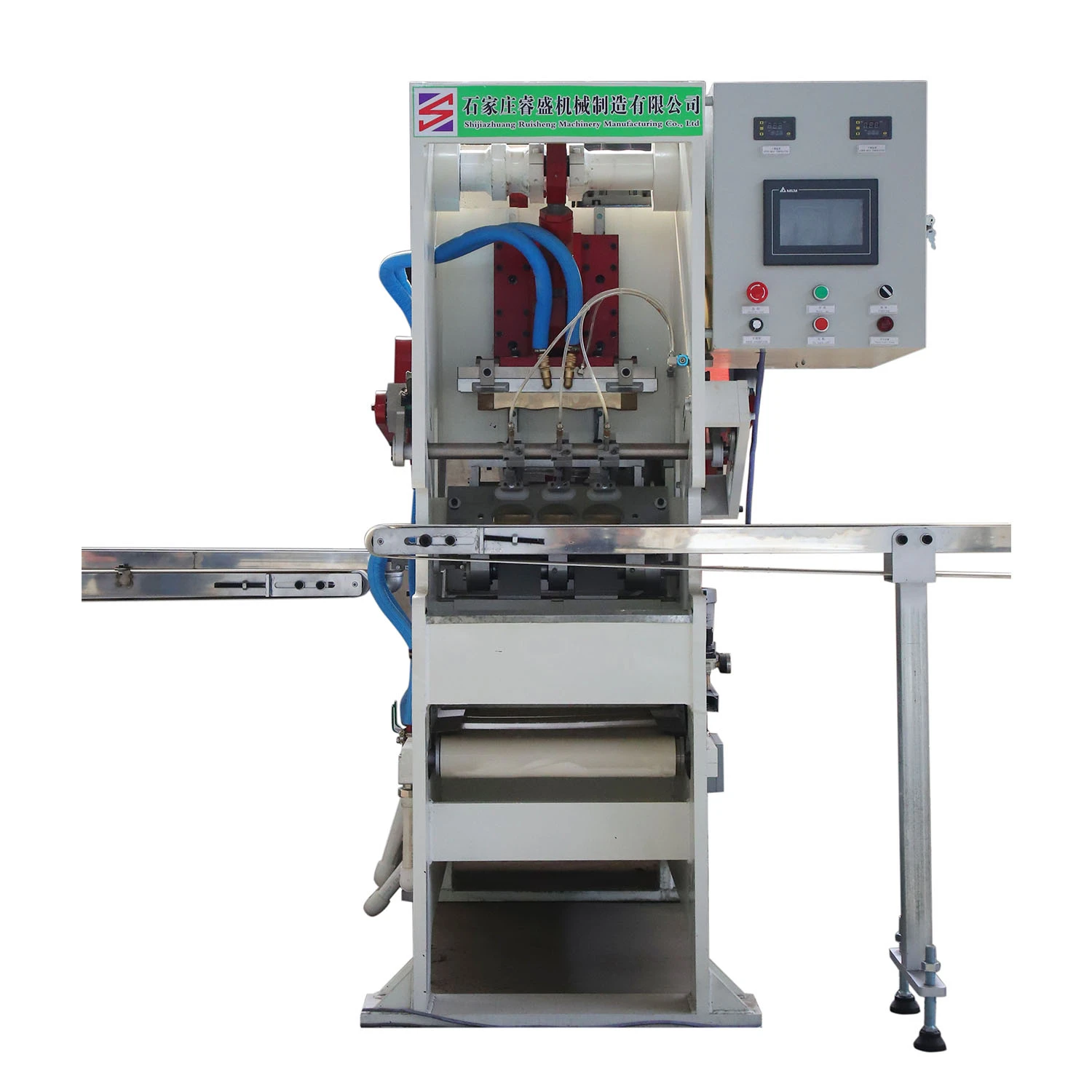
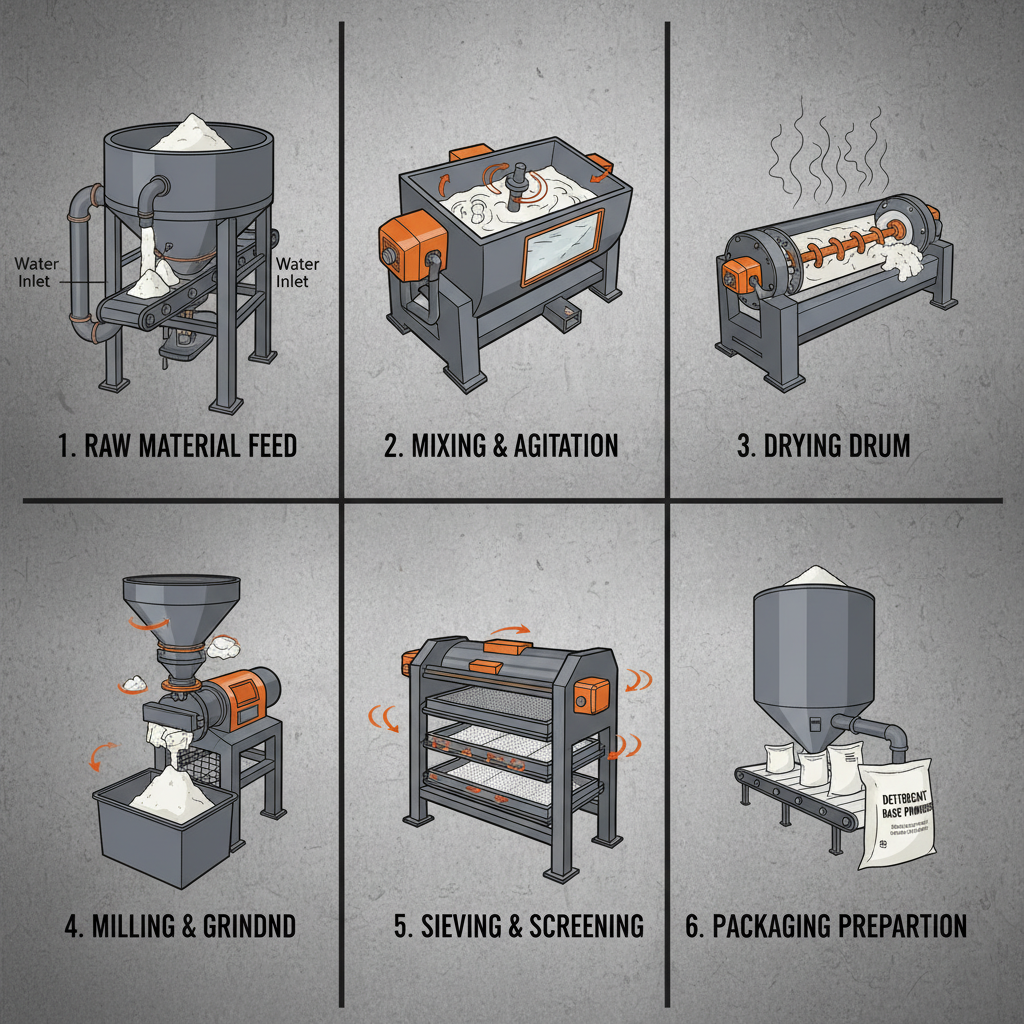
How It Works: Automated soap production lines integrate machines for mixing, saponification, milling, molding, drying, and packaging. Sensors and PLC (Programmable Logic Controller) systems monitor temperature, pressure, and moisture levels to ensure precision at every step.
Benefits:
Consistent quality across batches
Reduced labor costs and human errors
Faster production and higher output
Trends: Smart lines now incorporate AI and data analytics to predict maintenance needs, optimize resource usage, and monitor production efficiency in real time.
Automation not only improves productivity but also allows manufacturers to scale operations efficiently while maintaining high-quality standards.
2. Eco-Friendly and Sustainable Production
Sustainability has become a major focus in modern soap production. Manufacturers are implementing environmentally responsible practices to reduce waste, energy consumption, and chemical impact.
Key Innovations:
Natural and Organic Ingredients: Increasing demand for plant-based oils, herbal extracts, and biodegradable additives.
Energy-Efficient Equipment: Use of machines that consume less power and reduce carbon footprint.
Water and Waste Management: Advanced filtration and recycling systems minimize wastewater and chemical discharge.
Market Impact: Consumers are increasingly seeking eco-conscious products, and brands adopting sustainable practices gain a competitive edge.
Sustainable production not only benefits the environment but also aligns with consumer values, improving brand loyalty and market appeal.
3. Customized and Niche Soap Products
The demand for personalized and specialty soaps has created opportunities for innovation in product design and production flexibility.
Examples of Innovations:
Custom fragrances, colors, and shapes for bars or liquid soaps
Infusion of natural additives such as essential oils, exfoliants, or vitamins
Limited edition or seasonal soap collections for gift markets
Production Line Adaptations: Flexible production systems allow manufacturers to produce small batches with precise control over ingredients and quality.
Market Benefits: Offering customizable products helps brands differentiate themselves in competitive markets and attract premium customers.
Customization trends demonstrate the growing importance of catering to niche markets while maintaining production efficiency.
4. Transparent and Glycerin Soap Innovations
Transparent and glycerin soaps have gained popularity for their aesthetic appeal, smooth texture, and moisturizing properties.
Innovative Techniques:
Advanced heating and mixing systems ensure clarity without bubbles or cloudiness.
Incorporation of decorative elements like embedded flowers, glitter, or layers.
High-precision molds and extrusion systems produce uniform shapes and sizes.
Consumer Appeal: Transparent and glycerin soaps are particularly popular in luxury, cosmetic, and gift markets due to their unique visual appeal and skin-friendly properties.
Investing in production lines capable of producing high-quality transparent or glycerin soaps allows manufacturers to target premium segments and differentiate their offerings.
5. Liquid Soap and Antibacterial Formulations
The global demand for liquid soap, especially antibacterial and hand sanitizer variants, has surged due to increased awareness of hygiene and personal care.
Innovations in Liquid Soap Production:
High-efficiency mixing and homogenization systems for smooth texture and consistent viscosity
Automated filling, capping, and labeling machines for hygiene and efficiency
Formulations enriched with moisturizing agents, vitamins, and antibacterial ingredients
Market Trends: Liquid soap production lines are being upgraded to handle multiple product variants, including scented, antibacterial, and eco-friendly formulas.
The growth of liquid soap reflects changing consumer habits and the importance of hygienic, convenient products.
6. Smart Packaging and Digital Integration
Packaging innovations are also transforming soap production, improving shelf appeal and operational efficiency.
Innovative Features:
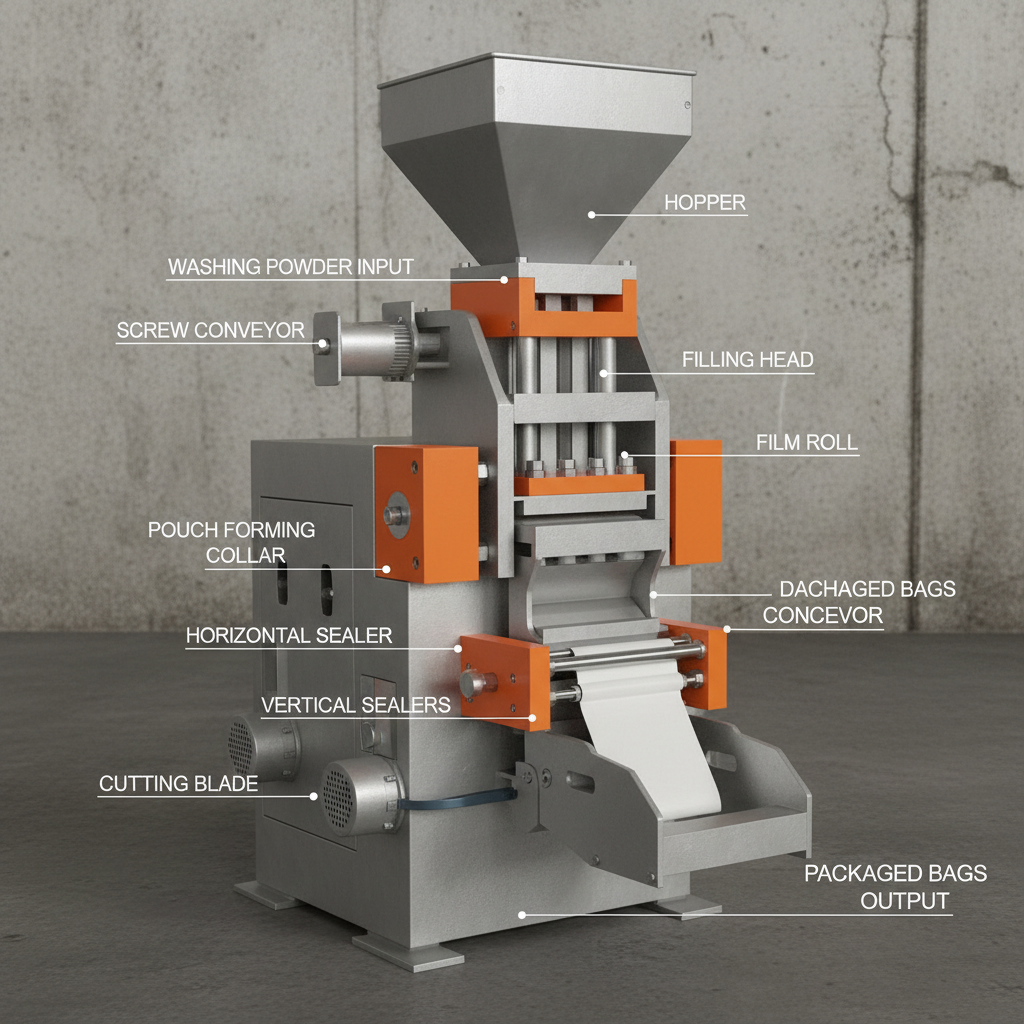
Automated labeling and wrapping machines for precision and hygiene
QR codes for product authentication, tracking, and marketing
Eco-friendly packaging materials such as recycled paper or biodegradable films
Impact: Advanced packaging ensures consistent presentation, reduces labor costs, and aligns with sustainability trends, enhancing brand perception.
Digital integration and smart packaging are becoming standard in modern soap production, contributing to both operational efficiency and marketing opportunities.
Conclusion
Innovations and trends in soap production are reshaping the industry, combining automation, sustainability, customization, and smart technology. Manufacturers embracing these advancements gain a competitive edge by producing high-quality, eco-friendly, and consumer-focused products efficiently. From automated soap lines and sustainable practices to niche product development and smart packaging, the future of soap production is both innovative and adaptive. Companies that keep pace with these trends are well-positioned to meet evolving market demands, reduce costs, and establish strong brand recognition in a competitive industry.