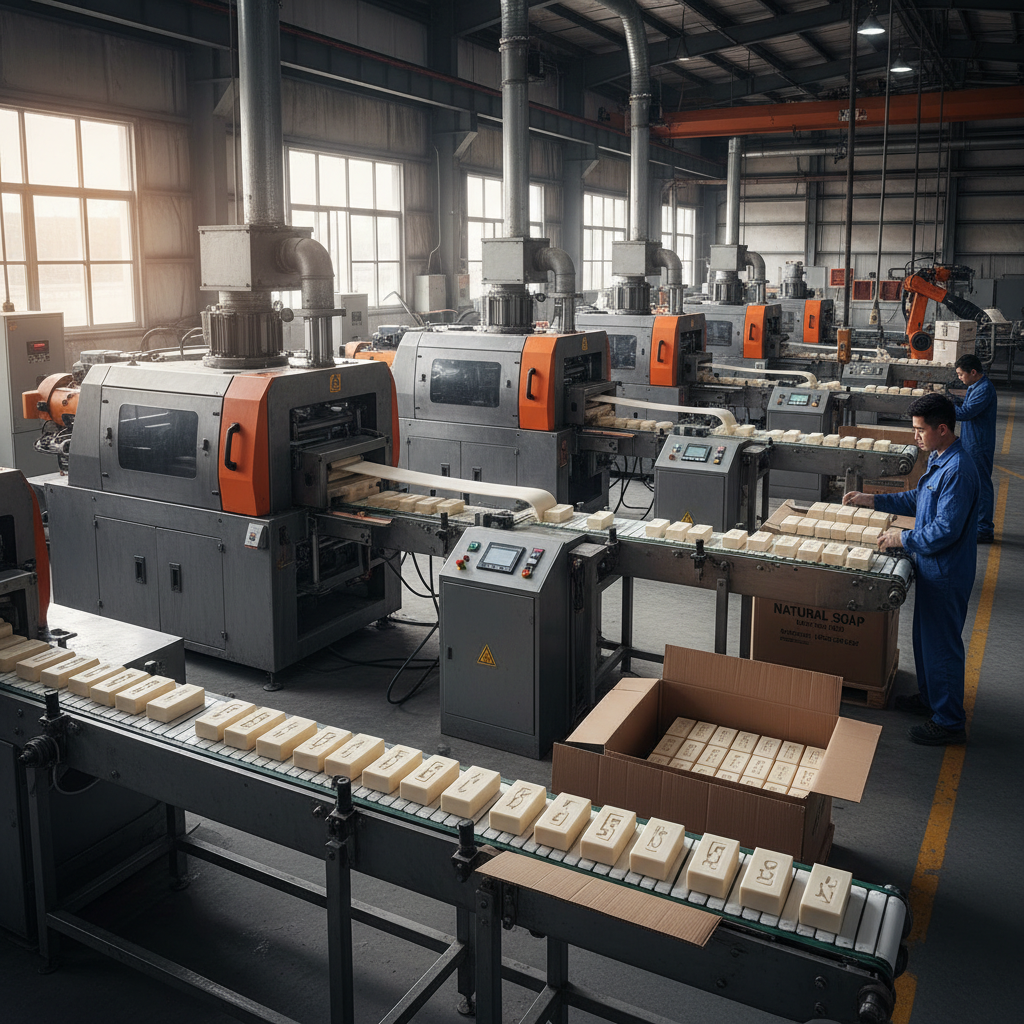
The soap industry has evolved significantly over the years, with diverse production methods designed to meet different market needs. Understanding the types of soap production lines available is crucial for manufacturers seeking efficiency, quality, and flexibility. From artisanal handcraft lines to fully automated industrial systems, each type of soap production line has unique features, capacities, and advantages. Selecting the right system ensures optimal output, consistent quality, and reduced operational costs.
1. Batch Soap Production Lines
Batch soap production lines are traditional systems ideal for small to medium-scale soap manufacturing.
How It Works: In a batch production line, ingredients such as oils, fats, and lye are mixed in discrete batches. The saponification process occurs in controlled tanks or kettles, after which the soap is poured into molds for cooling and solidification.
Advantages:
Flexibility in producing small batches and customized formulations.
Easier to manage different recipes and fragrances.
Lower initial investment compared to fully automated systems.
Applications: Batch lines are widely used for specialty soaps, organic soaps, and experimental products where small-scale production is sufficient.
While batch systems may require more manual labor, they provide high-quality output and allow manufacturers to adapt quickly to market trends.
2. Continuous Soap Production Lines
Continuous production lines are designed for large-scale industrial manufacturing.
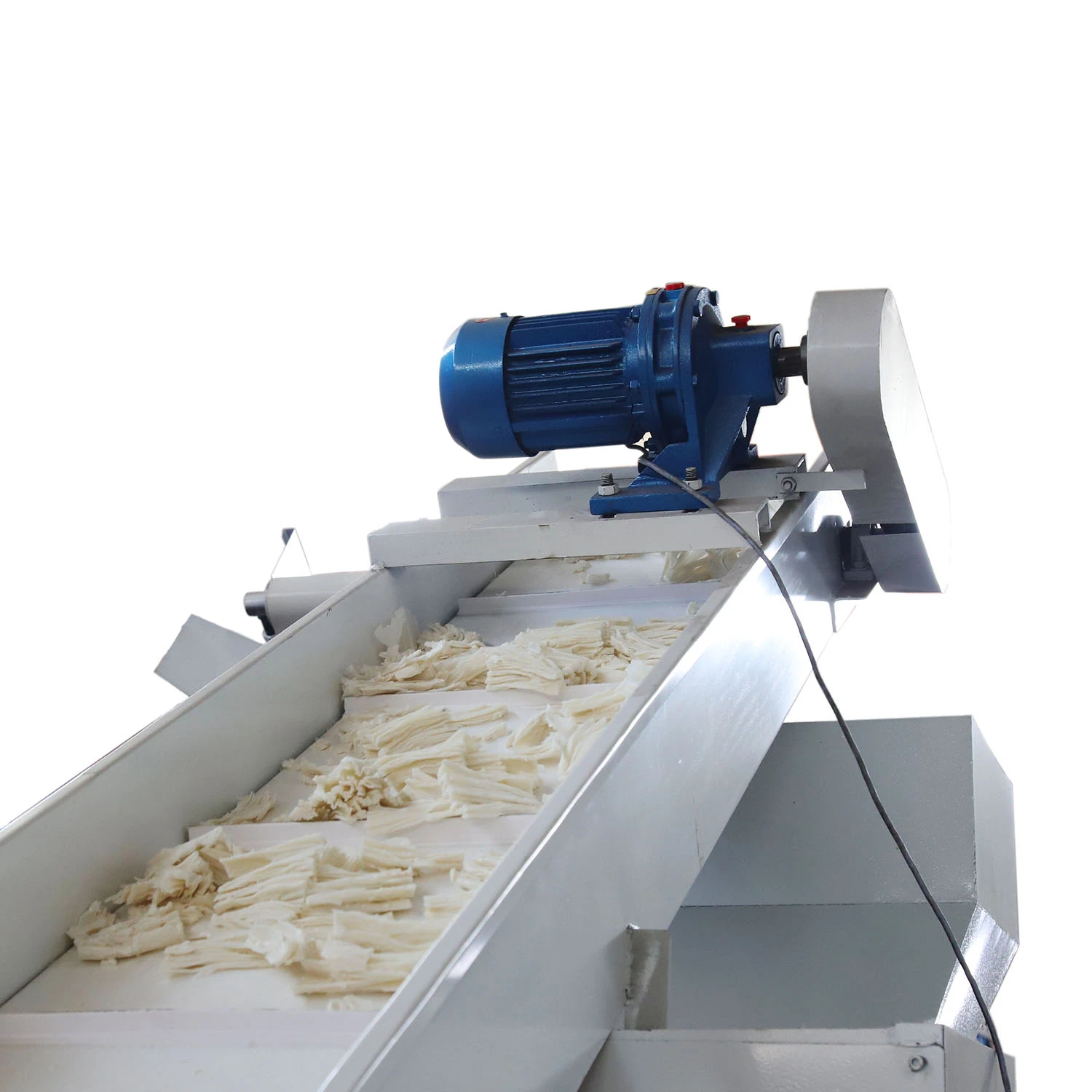
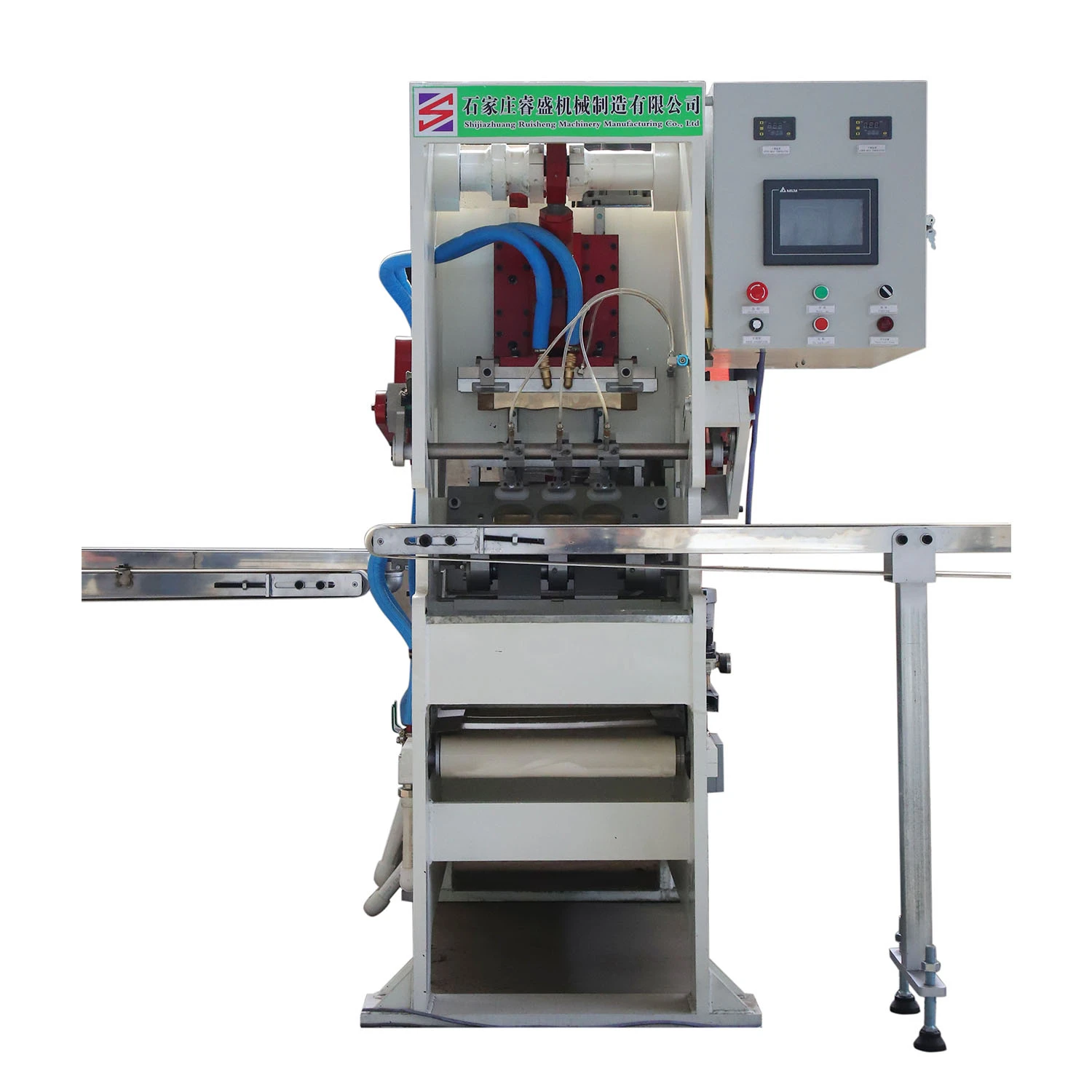
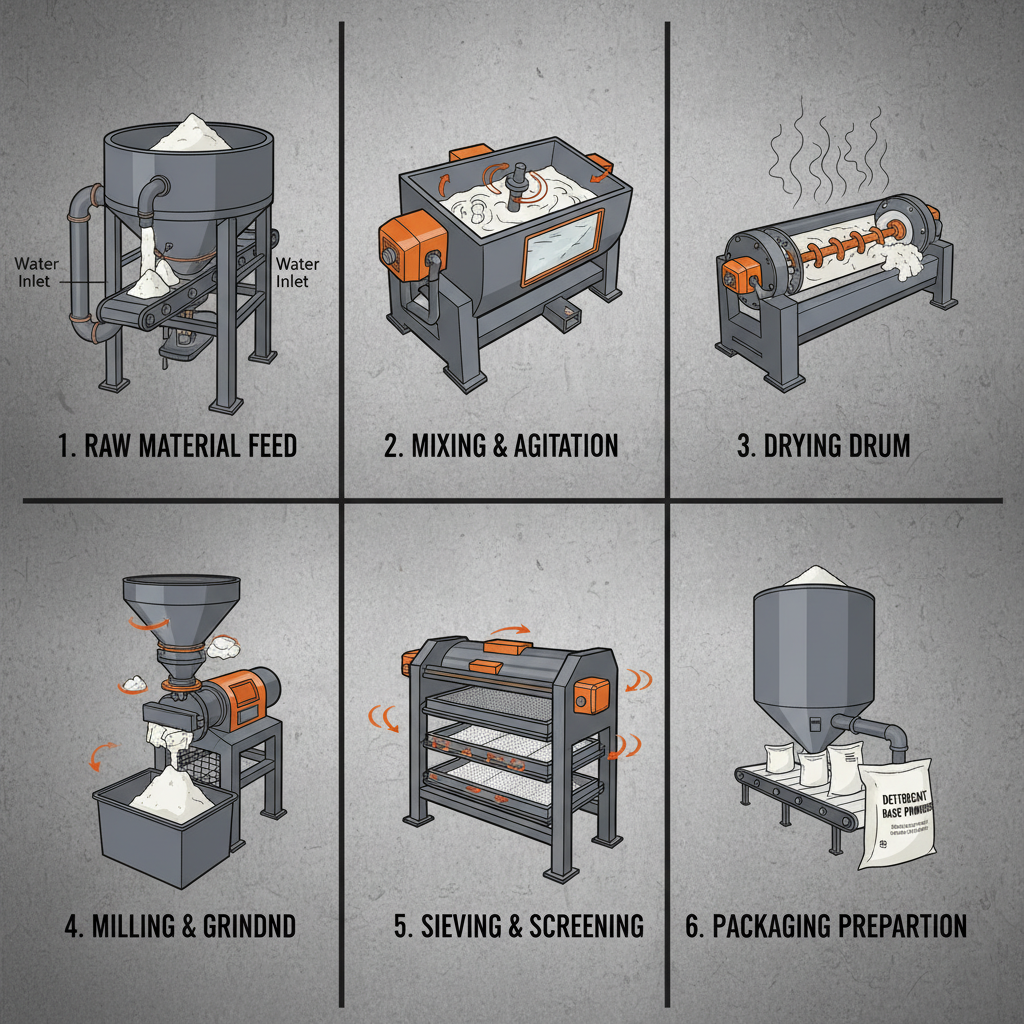
How It Works: Ingredients are fed continuously into the system, where mixing, saponification, milling, and extrusion occur in a streamlined process. The soap is then cut, dried, and packaged automatically.
Advantages:
High production efficiency and output.
Consistent quality across every batch.
Reduced labor costs due to automation.
Minimal material waste during production.
Applications: Continuous lines are perfect for commercial soap brands, large-scale exports, and high-demand markets requiring uniform products.
These lines are highly suitable for manufacturers looking to scale production without compromising quality.
3. Transparent and Glycerin Soap Production Lines
Some manufacturers specialize in producing transparent or glycerin-based soaps. These lines have unique requirements due to the soap’s chemical composition and appearance.
How It Works: Special equipment ensures precise temperature control, uniform mixing, and careful pouring to achieve clear, bubble-free soap. Glycerin soaps may include natural additives, colors, or fragrances, requiring careful handling to maintain transparency.
Advantages:
Ability to produce visually appealing, high-value products.
Supports customization for premium or gift markets.
Specialized lines maintain consistent clarity and texture.
Applications: High-end cosmetic soaps, decorative bars, and promotional products often use transparent or glycerin soap lines.
Investing in this type of line enables manufacturers to enter niche markets with higher profit margins.
4. Liquid Soap Production Lines
Liquid soap production lines cater to the growing demand for hand sanitizers, body washes, and dishwashing products.
How It Works: Liquid soap production involves blending surfactants, water, moisturizers, and additives in large mixing tanks. The system includes heating, homogenizing, and filtering units to ensure smooth texture and consistent viscosity. Automated filling machines package the liquid soap in bottles or dispensers.
Advantages:
Rapid production and easy scaling.
Flexibility to produce different formulations, including antibacterial or scented variants.
Reduces manual labor through automated filling and capping systems.
Applications: Household cleaning products, personal hygiene markets, and commercial liquid soap suppliers rely on these lines.
Liquid soap lines offer versatility and meet current consumer preferences for convenient, ready-to-use hygiene products.
5. Specialized and Custom Soap Lines
Some manufacturers require highly specialized soap production lines for unique formulations, organic ingredients, or experimental designs.
Features: These lines often include additional steps such as natural ingredient infusion, color layering, or decorative shaping. Advanced temperature and mixing controls ensure precision and consistency.
Advantages:
Supports premium or limited-edition soap products.
Enables innovation and creativity in product design.
Attracts niche markets that value customization.
Applications: Artisanal soap makers, organic product brands, and luxury cosmetics often use specialized production lines.
Specialized lines are ideal for companies looking to differentiate their products and build a strong brand identity.
Conclusion
Choosing the right soap production line is essential for meeting business goals and market demands. Batch lines provide flexibility for small-scale operations, continuous lines offer efficiency for mass production, and specialized lines allow for unique, high-value products. Transparent, glycerin, and liquid soap lines cater to growing niche and commercial markets. By understanding the differences and applications of each type, manufacturers can invest in a system that maximizes output, ensures consistent quality, and supports long-term business growth.