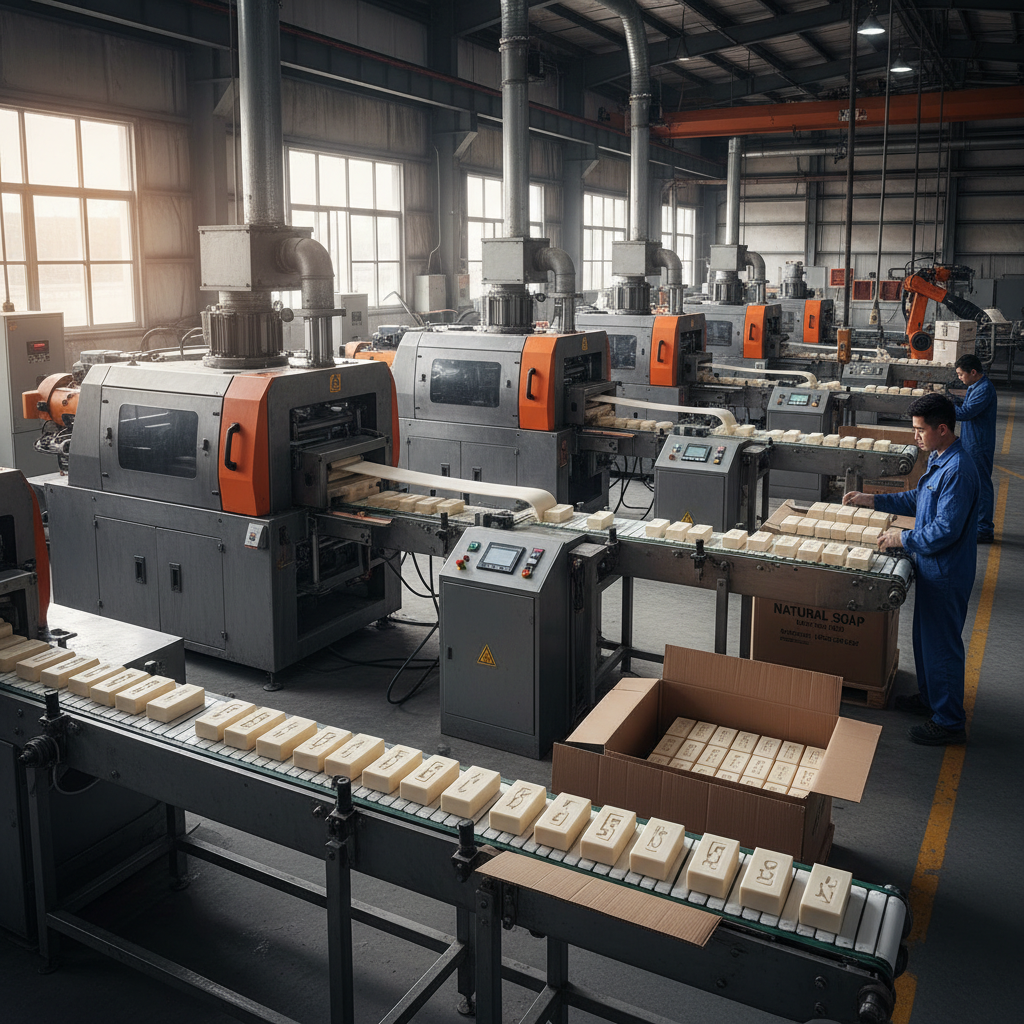
Setting up a soap production line requires careful planning, strategic decision-making, and attention to both technical and business aspects. Whether you are starting a small artisanal operation or a large-scale industrial facility, the success of your soap manufacturing depends on choosing the right equipment, processes, and operational practices. From selecting raw materials to ensuring compliance with safety standards, understanding the key considerations will help you establish an efficient, high-quality, and profitable soap production line.
1. Determining Production Capacity
One of the first and most important considerations is determining the desired production capacity.
Factors to Consider:
Market Demand: Analyze your target market and estimate the volume of soap required.
Batch vs. Continuous Production: Small-scale operations may benefit from batch lines, while large-scale commercial production often requires continuous lines for higher output.
Scalability: Plan for future expansion to avoid costly equipment replacements.
Why It Matters: Choosing the right capacity ensures optimal utilization of resources, prevents bottlenecks, and helps balance investment costs with expected revenue.
2. Selecting the Appropriate Soap Production Line Type
The type of soap production line you choose has a direct impact on efficiency, quality, and flexibility.
Options Available:
Batch Soap Production Line: Ideal for small-scale or specialty soap manufacturers who require flexibility in formulations.
Continuous Soap Production Line: Suitable for industrial-scale production with consistent output and automated processes.
Specialized Lines: Transparent, glycerin, and liquid soap lines cater to niche or high-value products.
Considerations: Evaluate your product types, market positioning, and operational goals before deciding on the production line type.
3. Raw Material Selection and Quality Control
High-quality raw materials are the foundation of superior soap products.
Key Materials:
Oils and fats (vegetable oils, animal fats)
Alkalis (sodium hydroxide for bar soap, potassium hydroxide for liquid soap)
Additives (fragrances, colorants, moisturizers, herbal extracts)
Quality Control Practices:
Source materials from reputable suppliers to ensure consistency.
Regularly test raw materials for purity, pH, and moisture content.
Implement proper storage to maintain material quality and prevent contamination.
Impact: Using high-quality ingredients ensures the final soap has excellent lathering, durability, and fragrance, which enhances customer satisfaction and brand reputation.
4. Equipment Selection and Layout
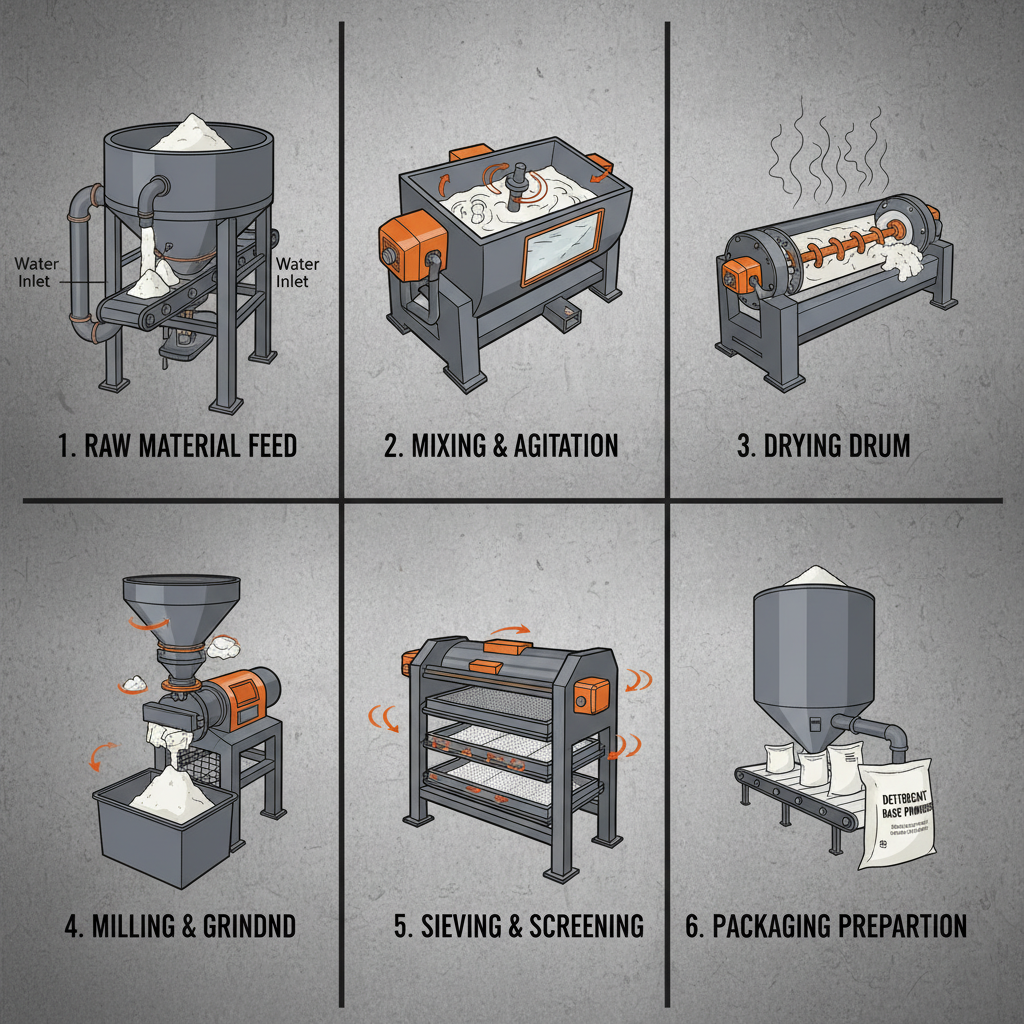
Choosing the right equipment and designing an efficient layout are crucial for a smooth production process.
Essential Equipment:
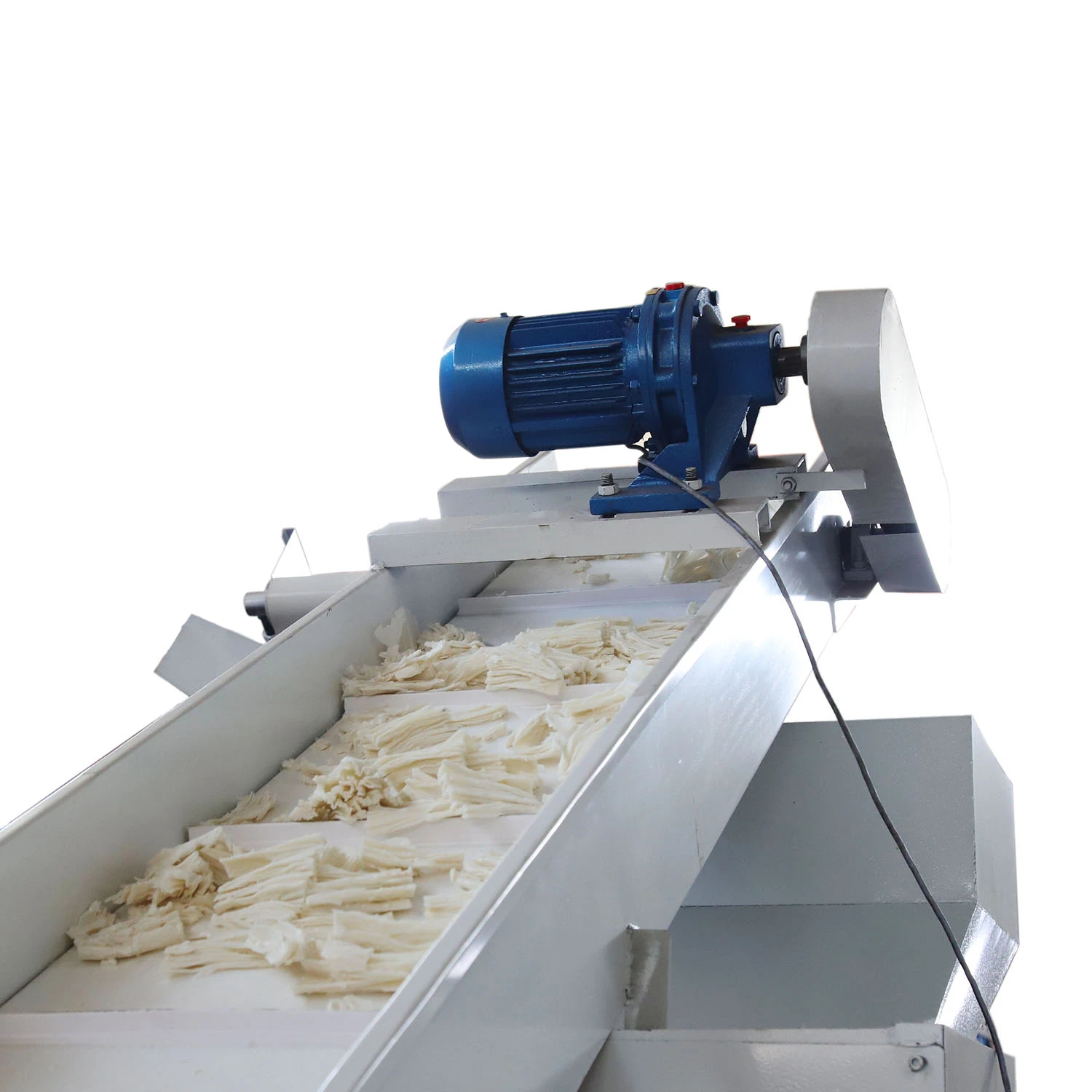
Mixing tanks and kettles for saponification
Milling machines for refining soap paste
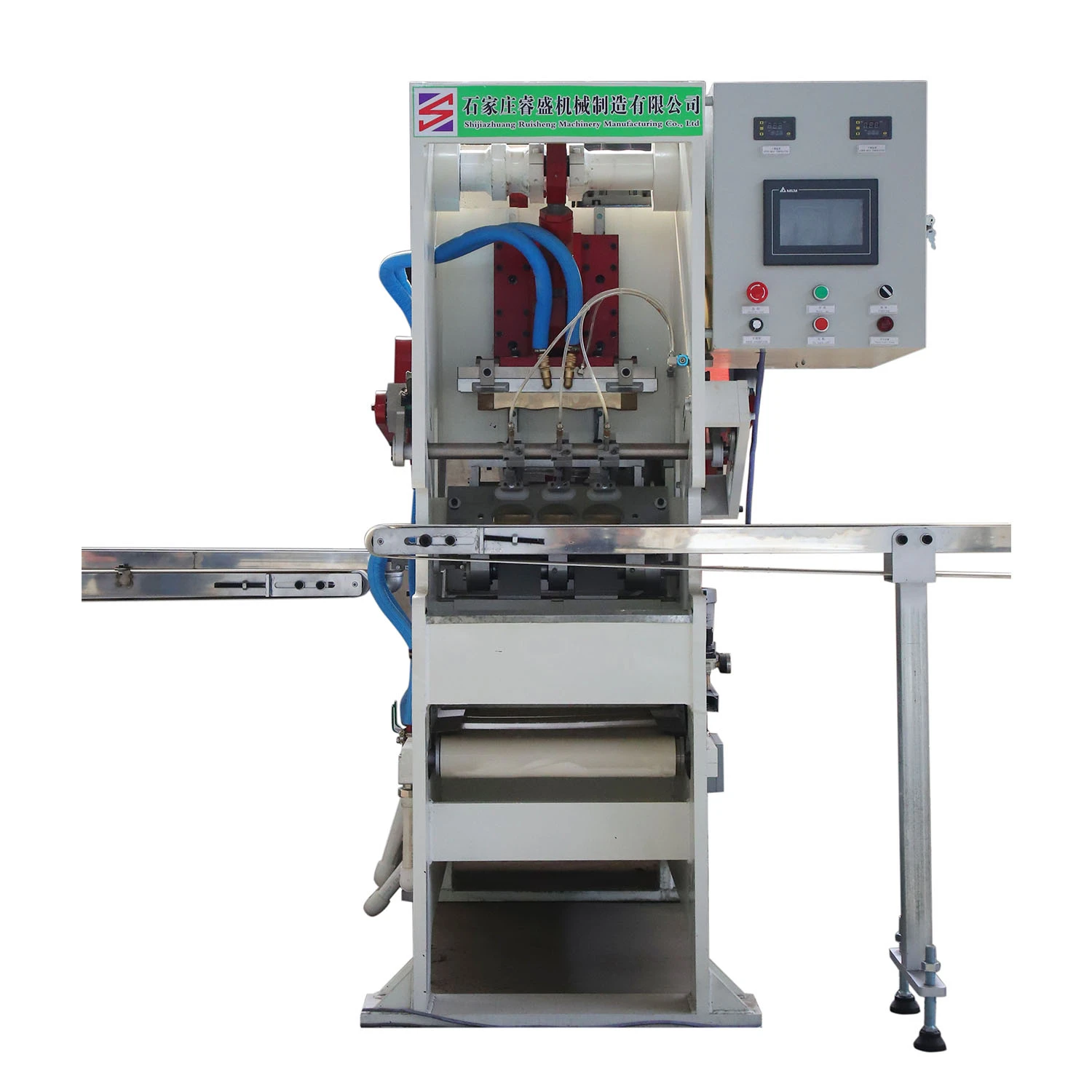
Extruders and molding machines for shaping soap
Drying and curing systems for bar soaps
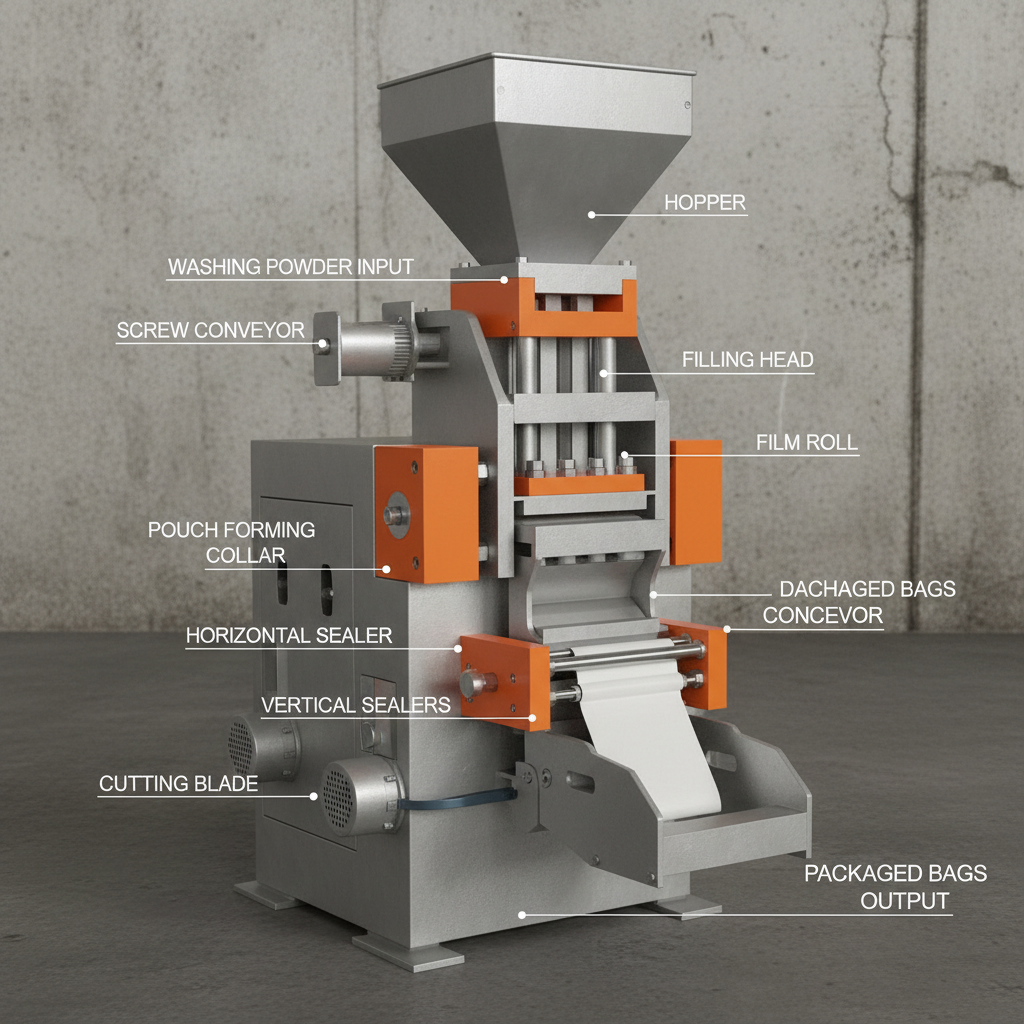
Filling and packaging units for liquid soaps
Layout Considerations:
Arrange equipment for optimal workflow and minimal material handling.
Ensure proper ventilation, lighting, and accessibility for maintenance.
Consider space for storage of raw materials, intermediate products, and finished goods.
An optimized layout reduces production time, enhances efficiency, and minimizes the risk of accidents.
5. Automation and Technology Integration
Modern soap production lines increasingly rely on automation to improve efficiency and consistency.
Automation Benefits:
Reduces manual labor and operational errors
Maintains consistent product quality
Increases production speed and output
Facilitates data tracking for better production management
Technologies to Consider:
PLC (Programmable Logic Controller) systems for process control
Sensors for temperature, pressure, and moisture monitoring
Automated packaging machines for hygienic handling
Investing in automation not only improves operational efficiency but also prepares your production line for future scaling.
6. Compliance, Safety, and Environmental Considerations
Compliance with local regulations and safety standards is essential to operate a soap production line legally and responsibly.
Safety Measures:
Proper handling and storage of alkalis and chemicals
Employee training on protective equipment and emergency procedures
Fire safety systems and hazard signage
Environmental Practices:
Wastewater treatment systems for chemical by-products
Energy-efficient machinery to reduce electricity consumption
Sustainable sourcing of raw materials to reduce environmental impact
Compliance and sustainability not only protect your employees and environment but also enhance brand reputation and market trust.
7. Cost Analysis and Budget Planning
Before establishing a soap production line, a thorough cost analysis is necessary to ensure profitability.
Cost Components:
Equipment purchase and installation
Raw materials and additives
Labor and operational expenses
Utilities and maintenance
Packaging and distribution
Budget Planning Tips:
Compare different suppliers and equipment options to find cost-effective solutions.
Plan for contingencies and unexpected expenses.
Consider financing options for large-scale industrial lines.
A well-planned budget helps prevent overspending and ensures the project remains financially sustainable.
Conclusion
Setting up a soap production line involves careful consideration of production capacity, equipment, raw materials, automation, compliance, and costs. Each factor plays a critical role in ensuring efficiency, product quality, and long-term profitability. By understanding these key considerations, manufacturers can establish a robust soap production line that meets market demands, enhances operational efficiency, and supports sustainable business growth. Investing time and resources into planning every aspect of your soap production line will ultimately lead to higher-quality products, satisfied customers, and a competitive edge in the soap manufacturing industry.